10 best email marketing platforms 2025
Comprehensive guide to help you navigate the complex landscape of email marketing solutions
Email marketing delivers an average ROI of $42 for every $1 spent, making it one of the most effective digital marketing channels available to businesses today. With over 300 email marketing platforms competing for your attention, choosing the right email marketing service can feel overwhelming. Having strong email marketing knowledge is essential to make the most of these platforms and optimize your campaigns.
Whether you’re a small business owner sending your first newsletter or an enterprise looking to upgrade your marketing automation capabilities, this comprehensive guide will help you navigate the complex landscape of email marketing solutions. We’ll compare the top platforms, break down pricing structures, and provide specific recommendations based on your business needs and goals. It's important to evaluate the best email marketing service and best email marketing software for your specific requirements, considering features like automation, segmentation, templates, affordability, and scalability.
Top email marketing platforms comparison
The email marketing software market is dominated by several key players, each offering unique strengths and targeting different user segments. Many platforms provide a free account or free tool, allowing users to get started with email marketing without any upfront costs. Here’s a quick overview of the leading email marketing platforms and their core offerings:
|
Platform |
Free Plan |
Paid Plans Start |
Best For |
Free trial |
|
30-day free trial, all premium features |
$19/month (billed annually) |
Solopreneurs, creators, ecommerce |
||
|
500 subs, 15,000 emails/month |
€7.20/month (billed annually) |
Small businesses, multichannel marketers |
||
|
1,000 subscribers, 12,000 emails/month |
$10/month |
Small businesses, creators |
||
|
100,000 contacts, 300 emails/day |
$25/month |
High-volume, multichannel marketing |
||
|
10,000 subs, unlimited emails |
$15/month |
Bloggers, creators, course sellers |
||
|
2,500 subs, 15,000 emails/month |
$7/month (billed annually) |
Budget-focused businesses, nonprofits |
||
|
2,500 subs, unlimited sends |
$43/month (billed annually) |
Newsletters, writers, media brands |
||
|
2,000 contacts, 6,000 emails/month |
€3/month (billed annually) |
SMBs, privacy-focused orgs |
||
|
2,000 emails, 1,000 contacts |
€792/month |
B2B, enterprise teams |
||
|
14-day trial, full features |
$12.50/month (billed annually) |
Creators, small businesses |
Some of these platforms are recognized as the best free email marketing service or best free email marketing software, offering robust features such as automation, segmentation, and customizable email templates at no cost to help users create campaigns efficiently.
In summary, these email marketing solutions make it easy to create campaigns, often providing a variety of email templates and tools for managing contact data to personalize and automate your outreach. While free plans and free tools are ideal for getting started, upgrading to a premium plan unlocks advanced features and greater scalability for growing businesses.
Best email marketing tools – Quick overview for smart selection
- GetResponse – A powerful all-in-one platform with AI tools, sales funnels, and marketing automation. Great for solopreneurs and growing ecommerce businesses.
- SendPulse – Combines email, SMS, chatbots, and web push in one affordable tool. Ideal for startups and marketers running multi-channel campaigns.
- MailerLite – Beginner-friendly with a clean interface, great customer support, and strong automation. Offers a library of free templates, making it perfect for small businesses and creators.
- Brevo (formerly Sendinblue) – Offers unlimited contacts even on the free plan, with CRM, SMS, and automation features. Best for high-volume and multi-channel marketers.
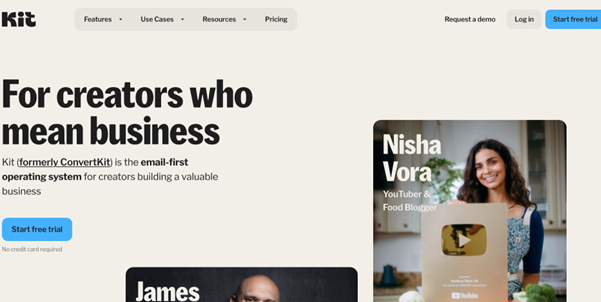
- Kit (formerly ConvertKit) – Tailored for creators, bloggers, and digital product sellers. Offers advanced automation, integrated sales features for digital product sales, and strong integrations with course and commerce platforms.
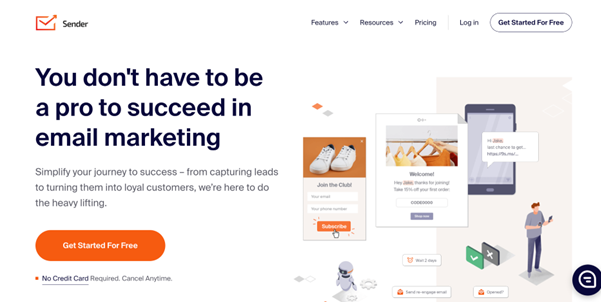
- Sender – Considered one of the best free tools for email marketing, especially for small businesses, with one of the most generous free plans available, built-in automation, and SMS support. Best for small businesses on a budget.
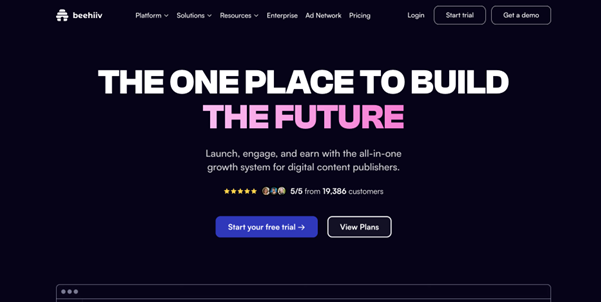
- beehiiv – Built for newsletter creators, with native monetization tools, referral growth features, and a modern UI. Ideal for writers, media brands, and content publishers.
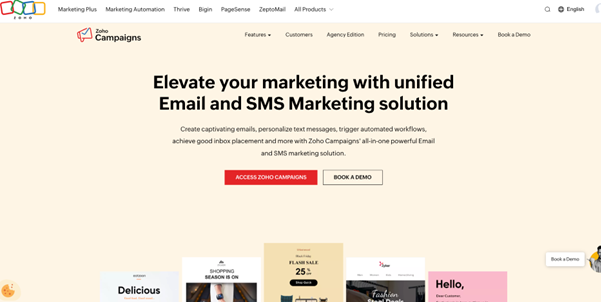
- Zoho Campaigns – Affordable, privacy-focused platform that integrates well with Zoho CRM. Suited for SMBs that value compliance and data ownership.
- HubSpot – Enterprise-grade platform with advanced CRM integration, lead scoring, and automation. Best for B2B marketing teams and large-scale operations.
- AWeber – A long-established platform focused on creators and ecommerce sellers. Includes great automation, landing pages, and sales tracking out of the box.
The best email marketing platforms share several common characteristics: high deliverability rates above 95%, responsive email templates, marketing automation capabilities, and integration with popular business tools. However, each platform has carved out its niche by excelling in specific areas.
Best email marketing platforms for different business needs
1. GetResponse – Best for All-in-One Marketing and Automation
 GetResponse
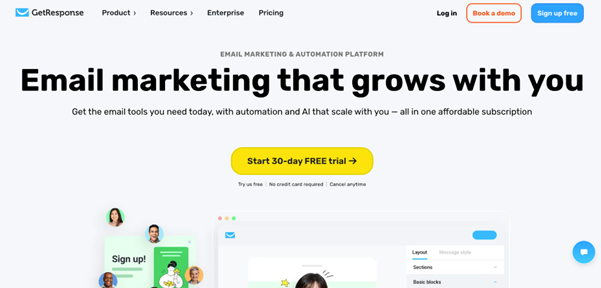
GetResponse is a robust, all-in-one platform perfect for small businesses, creators, and marketers looking to automate, sell, and scale—all under one roof. Its AI-powered tools and scalable plans make it ideal for growing businesses.
Free Trial Features (30-day trial of premium tools):
- Full access to paid features
- AI email generator & landing pages
- Unlimited autoresponders
- Signup forms and popups
- 24/7 chat support
Starter Plan – from 19 $/month (billed annually):
- AI email generator
- Unlimited monthly email sends
- Drag & drop templates
- Custom automation workflows
- Create automated workflows for tasks like abandoned cart emails, customer segmentation, and pre-built automation templates
- Free custom domain (annual billing only)
- Live chat support
Pros:
- AI-powered tools for email, automation, and course creation
- Excellent scalability from solopreneurs to enterprises
- Strong automation and funnel-building tools, including automated workflows for streamlining marketing operations
- Generous 30-day free trial
- Competitive pricing for included features
Cons:
- Slightly steeper learning curve for beginners
- Higher tiers can be expensive for small projects
- Some templates feel outdated
Best For:Solopreneurs, creators, small businesses, and growing ecommerce brands that need a powerful all-in-one marketing platform.
2. SendPulse – Best for Multi-Channel Marketing on a Budget
 SendPulse
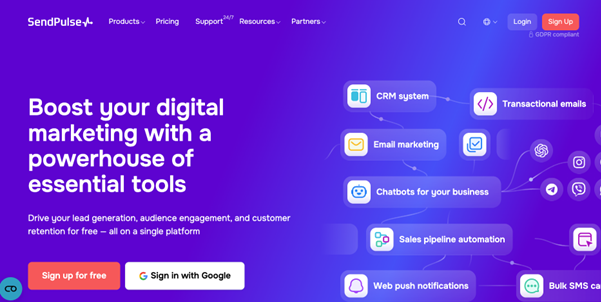
SendPulse is a feature-rich platform ideal for small businesses and marketers who want to combine email marketing with SMS, push notifications, and chatbots—all in one place and at an affordable price.
Free Plan – 100% Free Forever:
- Up to 500 subscribers
- Up to 15,000 emails per month
- 100 MB image storage
- 3 sender emails, 1 domain
- Automation: 5 flows, 1 event, 50 elements
- 1 website or bio link page
- 100 email verifications
- Great for getting started with automation and segmentation
Standard Plan – from €7.20/month (billed annually):
- Unlimited email sending
- 200 MB image storage
- 100 sender emails, 3 domains
- 10 flows, 10 events, 70 automation elements
- 10 saved segments
- A/B testing tools
- 2 bio link pages
- 100 email verifications
- 3 users per account
Pros:
- All-in-one platform: Email, SMS, chatbots, web push, courses, CRM
- Generous free plan with automation
- Great scalability at affordable prices
- Includes email verifier and bio link builder
- Intuitive automation builder (Automation 360)
- GDPR compliant
Cons:
- Interface could feel overwhelming for absolute beginners
- Fewer email templates than competitors
- Some advanced features gated behind higher plans
Best For: Startups, small businesses, and marketers looking for a multi-channel marketing platform with strong automation features at an accessible price point.
3. MailerLite - Best for Beginners and Customer Support
 MailerLite
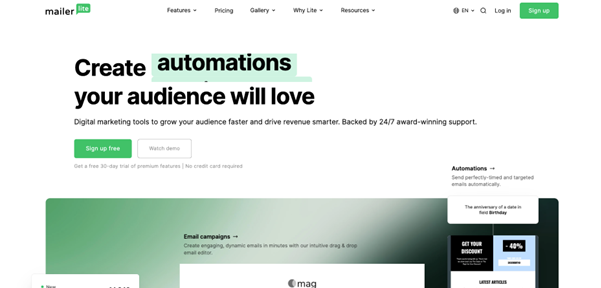
MailerLite has earned a reputation for exceptional customer service and user-friendly design, making it ideal for those new to email marketing.
Free Plan Features:
- 1,000 subscribers
- 12,000 emails per month
- Drag and drop editor with responsive email templates
- Basic automation workflows
- Landing page creation
Paid Plan Benefits: Starting at $10/month:
- Advanced segmentation tools
- More automation triggers and workflows
- A/B testing capabilities
- Remove MailerLite branding
- Priority customer support
Pros:
- Outstanding customer service team with 4.7/5 Trustpilot rating
- Intuitive interface with excellent user experience
- Generous free plan for growing businesses
- Strong automation features even on paid plans
- Transparent pricing with no hidden fees
Cons:
- Fewer integrations compared to larger platforms
- Limited advanced features for enterprise users
- Smaller template library
- Less comprehensive reporting than some competitors
Best For: Small businesses, content creators, and anyone who values excellent customer support and straightforward pricing.
4. Brevo (formerly Sendinblue) - Best All-in-One Marketing Platform
 Brevo
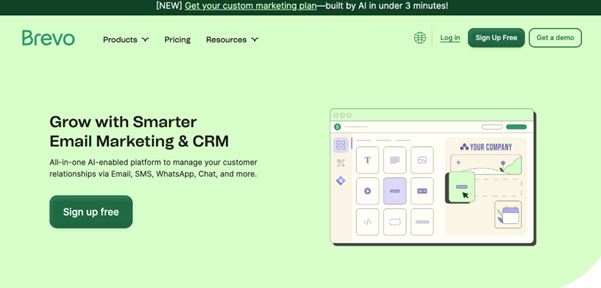
BrevoBrevo stands out with its unique approach to free plan limitations and comprehensive marketing capabilities beyond email.
Free Plan Features:
- Up to 100,000 contacts (industry-leading)
- 300 emails per day limit
- Basic email automation
- Transactional emails included
- SMS marketing capabilities
Paid Plan Benefits: Starting at $25/month for unlimited daily emails:
- Remove daily sending limits
- Advanced marketing automation
- Landing pages with A/B testing
- CRM functionality
- Web push notifications
Pros:
- Generous free plan with unlimited contacts
- All in one marketing solution including SMS marketing
- Strong deliverability rates and reputation
- Transactional emails included at all levels
- Competitive pricing for high-volume senders
Cons:
- Daily email limits on free plan can be restrictive
- Interface less intuitive than some competitors
- Limited template designs compared to other platforms
- Advanced automation features require learning curve
Best For: Businesses needing multi-channel marketing capabilities, high-volume senders, and companies wanting email and SMS in one platform.
5. Kit (formerly ConvertKit) - Best for Content Creators
 Kit
KitKit has positioned itself as the go-to email marketing platform for content creators, bloggers, and online entrepreneurs selling digital products.
Free Plan Features:
- Up to 10,000 subscribers (most generous free plan)
- Unlimited email sends
- Basic automation sequences
- Landing page builder
- Signup forms and opt-in incentives
Paid Plan Benefits: Starting at $15/month:
- Advanced automation workflows with visual builder
- Detailed subscriber analytics and engagement tracking
- Integration with digital product sales platforms
- Advanced segmentation and tagging
- Premium features like tip jars and commerce tools
Pros:
- Most generous free plan in the industry
- Built specifically for creators and digital entrepreneurs
- Excellent automation workflows for course creators
- Strong integration with platforms like Teachable and Gumroad
- Creator-focused features like subscriber referrals
Cons:
- Limited design customization options
- Fewer business-oriented features
- Email templates are more basic than competitors
- Less suitable for traditional businesses
Best For: Content creators, bloggers, online course creators, and anyone selling digital products or building an audience.
6. Sender – Best for Budget-Friendly Email Marketing at Scale
 Sender
Sender is a powerful yet affordable email marketing tool designed for small businesses and marketers who want pro-level features without paying enterprise prices. With flexible plans and automation included even in the free tier, Sender stands out as one of the best Mailchimp alternatives.
Free Plan – Free Forever
- Up to 2,500 subscribers
- Up to 15,000 emails/month
- Email automation
- Signup forms & popups
- Access to all templates
- Drag & drop editor
- Contains Sender branding
Standard Plan – from $7/month (billed yearly)
- Up to 12,000 emails/month
- Everything in Free, plus:
- No Sender branding
- SMS messaging
- Multi-user access (up to 3 users)
Pros
- Most generous free plan in the industry
- Clear, no-surprise pricing and flexible billing
- Advanced automation and segmentation even on lower tiers
- SMS and email marketing in one platform
- Easy to use drag & drop editor
Cons
- Free plan includes Sender branding
- No phone support on lower plans
- SMS pricing varies by country and must be prepaid
Best For Startups, bloggers, nonprofits, and small businesses that need professional-grade email marketing features without high monthly costs.
7. beehiiv – Best for Newsletter Creators and Media Brands
 BeeHiiv
beehiiv is a fast-growing newsletter platform built by former Morning Brew employees, tailored specifically for writers, creators, and media entrepreneurs. It combines a sleek writing experience with powerful growth, monetization, and analytics tools—making it a top choice for anyone looking to scale a newsletter.
Launch Plan – Free Forever
- Up to 2,500 subscribers
- Unlimited email sends
- Custom newsletters and website
- Campaign analytics
- Recommendation network
- Custom domains
- Audience segmentation and tagging
- API access
- Up to 3 publications
Scale Plan – from $43/month (billed annually)
- Everything in Launch, plus:
- Email automations
- Referral program
- Paid subscriptions
- beehiiv AI
- Boost network and ad network
- Webhooks
- Survey forms & polls
- Teams (up to 3 seats)
- 3D analytics
- Slack community access
Pros
- Built for newsletter creators by newsletter experts
- Easy to use with clean UI and fast editor
- Strong growth tools: referral system, boosts, recommendation engine
- Paid subscriptions and ad monetization built-in
- Integrates web and email in one content hub
Cons
- Some features (like automations and AI tools) require a paid plan
- No transactional email capabilities
- Not ideal for non-newsletter use cases
Best For Writers, journalists, creators, and media startups who want a dedicated platform to grow, monetize, and scale their newsletters with advanced publishing tools.
8. Zoho Campaigns – Best for Privacy-Focused Email Marketing with Affordable Pricing
 Zoho Campaigns
Zoho Campaigns is a reliable and privacy-first email marketing platform that integrates seamlessly with the Zoho ecosystem. It's perfect for small to medium businesses that value data protection, need solid automation, and want competitive pricing with scalable features.
Forever Free Plan – €0/month
- Up to 2,000 contacts
- 6,000 emails per month
- Up to 5 users
- Signup forms
- Limited email templates
- GDPR and compliance check
Standard Plan – from €3/month (billed annually)
- Everything in Free, plus:
- Unlimited emails
- Up to 10 users
- Full access to email templates
- Basic segmentation
- Basic drag-and-drop workflows
- Add-ons: SMS marketing, dedicated IP
Free Trial – 14 Days
- No credit card required
- Access to premium features
Pros
- Extremely affordable pricing
- Robust feature set even at low tiers
- Strong GDPR compliance and privacy policy
- Seamless integration with other Zoho products
- Includes ecommerce and dynamic content tools
Cons
- Interface can feel less polished than competitors
- Some advanced features (e.g. SMS, dedicated IP) are add-ons
- Limited design flexibility in free plan
Best For Privacy-conscious small businesses, ecommerce sites, and existing Zoho users looking for affordable email marketing with powerful automation and strong compliance.
9. HubSpot – Best for Enterprise-Grade Marketing Automation
 HubSpot
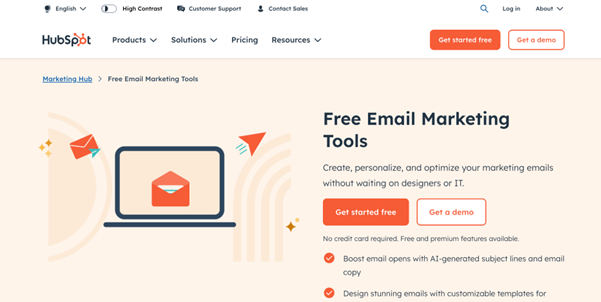
HubSpot’s Marketing Hub is a comprehensive, enterprise-level marketing platform trusted by over 205,000 companies. It’s ideal for growing businesses and large marketing teams that need deep automation, powerful analytics, and native CRM integration—all within one ecosystem.
Free Plan HubSpot offers a suite of free tools (limited features) including:
- Email marketing
- Basic forms and landing pages
- CRM with contact management
- Ads management
- Live chat & chatbot
- Limited automation
- HubSpot branding included
- No onboarding fees
Marketing Hub Professional – from €792/month
- Includes 2,000 marketing contacts
- Omnichannel marketing automation
- Lead scoring and dynamic personalization
- Social media tools
- Custom reporting & dashboards
- Teams and user roles
- Marketing SMS (as add-on)
- Requires onboarding (€2,930 one-time fee)
Pros
- One of the most powerful all-in-one marketing solutions
- Native CRM, sales, service, and content tools
- Extremely scalable with team management features
- Over 1,500 integrations (LinkedIn, Jira, Microsoft Teams, etc.)
- Award-winning support and onboarding
Cons
- High entry-level cost, especially with mandatory onboarding fees
- Free plan is limited and includes HubSpot branding
- Additional seats and contacts increase monthly cost
Best For Established businesses, mid-market and enterprise marketing teams needing advanced automation, custom reporting, and seamless CRM integration with strong scalability.
10. AWeber – Best for Creators and Small Businesses Ready to Grow
 AWeber
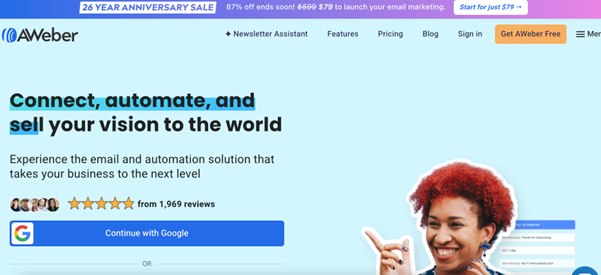
AWeber is one of the most established email marketing platforms on the market, offering reliable tools for email automation, landing pages, and ecommerce. With a generous free trial and strong creator-focused plans, it’s a great fit for entrepreneurs, course creators, and small businesses.
Lite Plan – from $12.50/month (billed annually)
- 1 email list
- 3 landing pages
- 3 email automations
- 3 users
- 1 custom segment
- Advanced message analytics
- Sales tracking and ecommerce features
- 24/7 support
- Remove AWeber branding
Plus Plan – from $20/month (billed annually)
- Everything in Lite, plus:
- Unlimited lists, automations, and landing pages
- Unlimited users
- Unlimited custom segments
- Email split testing and behavioral automation
- Priority 24/7 support
- Advanced audience insights and ecommerce tools
Free Trial – 14 Days
- Try all premium features before committing
- No credit card required
Pros
- Strong focus on creators and ecommerce
- Easy-to-use interface and landing page builder
- Affordable entry-level plans
- Built-in ecommerce with low fees (starting at 0.6%)
- Excellent support and migration assistance
Cons
- Advanced features only in paid plans
- Higher transaction fees in Lite plan
- No free forever tier
Best For Course creators, solopreneurs, and online sellers who want to automate email marketing, build landing pages, and start selling directly through email without complex setups.
What is email marketing
Email marketing is a powerful digital marketing strategy that enables businesses to connect directly with their audience through targeted and personalized messages sent via email. By leveraging email marketing services, companies can efficiently manage and automate their communications, ensuring the right message reaches the right person at the right time. Modern email marketing platforms provide intuitive drag and drop editors, making it easy to design visually appealing emails without any coding skills. Advanced segmentation tools allow marketers to divide their audience based on behavior, interests, or demographics, ensuring each email campaign is highly relevant and engaging. Automation workflows further streamline the process, enabling businesses to set up sequences that nurture leads, welcome new subscribers, or re-engage inactive customers automatically. With these features, email marketing empowers businesses to build relationships, drive conversions, and grow their brand through effective, data-driven email campaigns.
Key features to look for in email marketing platforms
When evaluating email marketing tools, certain features are essential for success regardless of your business size or industry. Look for platforms that offer unlimited landing pages, allowing you to scale your marketing efforts and create as many targeted campaigns as needed.
Email Deliverability and Reputation Management
The most beautiful email campaign means nothing if it doesn’t reach your subscribers’ inboxes. Look for platforms that maintain deliverability rates above 95% and offer:
- Domain authentication setup (SPF, DKIM, DMARC)
- List hygiene tools to remove bounces and inactive subscribers
- Reputation monitoring and spam testing
- Dedicated IP options for high-volume senders
Drag and Drop Email Editor and Templates
Modern email marketing platforms should offer intuitive design tools that don’t require coding knowledge:
- Responsive email templates that work on all devices
- Drop email editor with pre-built content blocks
- Custom HTML editing capabilities for advanced users
- Brand customization options including colors and fonts
- Image and media management systems
Marketing Automation and Workflows
Automation is what transforms email marketing from a manual task into a revenue-generating machine:
- Welcome series for new subscribers
- Abandoned cart recovery for ecommerce
- Behavioral triggers based on website activity
- Drip campaigns for lead nurturing
- Re-engagement campaigns for inactive subscribers
Advanced Segmentation Capabilities
The ability to send targeted messages to specific subscriber groups dramatically improves engagement and conversion rates:
- Leveraging contact data enables more precise segmentation and targeted messaging, allowing you to tailor content based on individual subscriber information.
- Demographic segmentation (age, location, industry)
- Behavioral segmentation (purchase history, email engagement)
- Custom field segmentation based on your business needs
- Dynamic segmentation that updates automatically
- Integration with external data sources
Analytics and Performance Tracking
Comprehensive reporting helps you understand what’s working and optimize your email marketing strategy:
- Open rates, click-through rates, and conversion tracking
- A/B testing capabilities for subject lines and content
- Revenue attribution and ROI calculations
- Subscriber growth and churn analysis
- Integration with Google Analytics and other tools
Free email marketing platform options
Many businesses can effectively use free email marketing services, especially when starting out or operating with limited budgets. However, free plan users should be aware of potential limitations, such as restricted features or branding requirements. Here’s a comprehensive breakdown of the best free email marketing tools available:
Platforms with Truly Free Plans
Most Generous Free Plans:
- Kit: 10,000 subscribers, unlimited emails
- Brevo: 100,000 contacts, 300 emails per day
- MailerLite: 1,000 subscribers, 12,000 emails per month
- HubSpot: 1,000 contacts, 2,000 emails per month
- GetResponse: 500 contacts, 2,500 emails per month (30-day trial then limited)
Limitations of Free Plans
While free email marketing platforms can be incredibly valuable, they typically restrict:
- Advanced automation features: Complex workflows and behavioral triggers
- Premium features: Advanced segmentation, detailed analytics
- Customer support: Limited to email support or knowledge base
- Branding: Platform branding remains on emails
- Integrations: Fewer third-party tool connections
When to Upgrade from Free Plans
Consider upgrading to paid plans when:
- Your subscriber list approaches plan limits
- You need advanced automation workflows
- Customer support becomes critical to your operations
- Revenue from email marketing justifies the investment
- You require more sophisticated segmentation and analytics
Email marketing platform pricing guide
Understanding the true cost of email marketing platforms requires looking beyond base pricing to consider scalability, hidden fees, and return on investment.
Pricing Structure Analysis
Most email marketing services use subscriber-based pricing with these common tiers:
Entry Level (500-1,000 contacts):
- MailerLite: $10/month
- HubSpot: $15/month
- Kit: $15/month
Small Business (2,500-5,000 contacts):
- MailerLite: $20-30/month
- Brevo: $25/month (unlimited emails)
- GetResponse: $30-40/month
Growing Business (10,000+ contacts):
- Costs typically range from $75-200/month
- Volume discounts become available
- Enterprise features often included
Hidden Costs to Watch For
- Overage fees: Charges for exceeding subscriber or email limits
- Feature add-ons: Advanced automation, landing pages, or phone support
- Setup and migration fees: Professional services for platform switches
- Integration costs: Some platforms charge for premium integrations
ROI Calculations and Break-Even Analysis
With email marketing’s average $42 return per $1 spent, even modest investments show strong returns:
- $25/month platform cost = $300/year
- Break-even point: $300 ÷ 42 = $7.14 in incremental revenue needed
- Conservative 1% conversion rate: Need just 714 engaged subscribers to break even
This ROI calculation demonstrates why investing in paid plans often makes financial sense, especially when advanced features drive higher engagement and conversion rates.
How to choose the right email marketing platform
Selecting the perfect email marketing solution requires careful evaluation of your specific business needs, technical requirements, and growth plans.
Step-by-Step Evaluation Process
1. Define Your Business Requirements Start by clearly identifying:
- Current subscriber count and projected growth
- Primary marketing goals (lead generation, sales, engagement)
- Team size and technical expertise level
- Budget constraints and ROI expectations
- Integration needs with existing business tools
2. Assess Technical Requirements Consider compliance and security needs:
- GDPR compliance for European subscribers
- CAN-SPAM Act requirements for US audiences
- Industry-specific regulations (HIPAA, financial services)
- Data security certifications and backup procedures
- API access for custom integrations
3. Evaluate Platform Capabilities Test key features that matter most to your business:
- Email editor usability and template quality
- Automation workflow complexity and triggers
- Segmentation capabilities and custom fields
- Reporting depth and analytics integration
- Mobile app functionality for on-the-go management
4. Consider Scalability and Growth Plan for future needs:
- Pricing increases as subscriber lists grow
- Feature limitations that might become problematic
- Team collaboration and user management capabilities
- Advanced features you might need later
- Migration options if you outgrow the platform
Integration Requirements Assessment
Modern email marketing platforms must work seamlessly with your existing business tools:
Essential Integrations:
- CRM Systems: Salesforce, HubSpot, Pipedrive for lead management
- Ecommerce Platforms: Shopify, WooCommerce, Magento for sales automation
- Website Builders: WordPress, Squarespace, Wix for signup forms
- Analytics Tools: Google Analytics, Facebook Pixel for attribution tracking
- Social Media: Facebook, Instagram, LinkedIn for multi-channel campaigns
Advanced Integration Needs:
- Webinar Platforms: Zoom, GoToWebinar for event marketing
- Customer Support: Zendesk, Intercom for service integration
- Payment Processors: Stripe, PayPal for transaction-based triggers
- Survey Tools: Typeform, SurveyMonkey for feedback collection
Support and Service Evaluation
The quality of customer support can make or break your email marketing efforts:
Support Channels to Evaluate:
- Live Chat: Availability hours and response times
- Phone Support: Toll-free numbers and callback options
- Email Support: Response time guarantees and ticket systems
- Knowledge Base: Comprehensive documentation and tutorials
- Community Forums: Active user communities and expert participation
Questions to Ask:
- What support is included with free vs paid plans?
- Are there additional charges for premium support?
- Do they offer onboarding assistance or training?
- What’s the average response time for technical issues?
- Are there dedicated account managers for higher-tier plans?
Email marketing platform trends for 2025
The email marketing landscape continues evolving rapidly, driven by technological advances, privacy regulations, and changing consumer expectations.
AI-Powered Personalization and Content Generation
Artificial intelligence is revolutionizing how email marketing campaigns are created and optimized:
Content Generation:
- Automated subject line creation and testing
- Dynamic content blocks that adapt to subscriber preferences
- AI-written email copy based on campaign objectives
- Product recommendations using machine learning algorithms
- Personalized send time optimization for each subscriber
Predictive Analytics:
- Churn prediction to identify at-risk subscribers
- Lifetime value calculations for segmentation
- Optimal content length and format recommendations
- Engagement scoring and behavioral prediction models
Enhanced Privacy Compliance and Deliverability
Recent changes from major email providers are forcing platforms to prioritize authentication and reputation:
Apple iOS Changes:
- Mail Privacy Protection affecting open rate tracking
- Focus on click-through rates and conversion metrics
- Enhanced privacy controls for email tracking pixels
Gmail and Yahoo Requirements:
- Mandatory DMARC authentication for bulk senders
- Stricter spam filtering and reputation monitoring
- One-click unsubscribe requirements for promotional emails
Omnichannel Marketing Integration
Email marketing platforms are expanding beyond email to create unified customer experiences:
Multi-Channel Capabilities:
- SMS marketing integration for immediate communication
- Web push notifications for browser-based engagement
- Social media advertising coordination and retargeting
- Direct mail integration for high-value prospects
- WhatsApp and messaging app marketing support
Unified Customer Journeys:
- Cross-channel automation workflows
- Consistent messaging across all touchpoints
- Integrated analytics and attribution modeling
- Single customer view across all interactions
Advanced Behavioral Automation
Modern platforms offer increasingly sophisticated trigger options:
Micro-Behavioral Triggers:
- Mouse movement and scroll tracking on websites
- Time spent on specific product pages
- Cart abandonment at different stages
- Email engagement patterns and timing preferences
- Social media interaction triggers
Predictive Automation:
- Automatically pause campaigns for unengaged subscribers
- Dynamic frequency optimization based on individual preferences
- Predictive product recommendations in real-time
- Automated content personalization without manual setup
Getting started with your email marketing platform
Once you’ve selected your email marketing service, proper setup and initial campaign creation are crucial for long-term success.
Essential Setup Steps
Domain Authentication Configuration: Setting up proper authentication protects your sender reputation and improves deliverability:
- Configure SPF records to authorize your email platform
- Set up DKIM signatures for email verification
- Implement DMARC policies for enhanced security
- Verify custom sending domains if available
- Test authentication setup with deliverability tools
List Building and Import Processes:
- Clean existing contact lists before importing
- Set up double opt-in confirmation for new subscribers
- Create subscriber preferences and communication frequency options
- Implement list hygiene processes for ongoing maintenance
- Establish re-engagement campaigns for inactive subscribers
Brand and Template Setup:
- Upload brand assets including logos and color schemes
- Customize email templates with your brand guidelines
- Create reusable content blocks for consistent messaging
- Set up email signatures and footer information
- Design mobile-responsive templates for all devices
Creating Your First Email Marketing Campaigns
Welcome Series Automation: Your welcome sequence sets the tone for the entire subscriber relationship:
- Send immediate confirmation and thank you message
- Introduce your brand story and value proposition
- Provide valuable content or exclusive offers
- Set expectations for email frequency and content
- Include links to your most popular content or products
Basic Segmentation Strategy: Start with simple but effective subscriber groups:
- New subscribers (less than 30 days)
- Active subscribers (opened emails in last 30 days)
- Inactive subscribers (no opens in 90+ days)
- Customers vs prospects
- Geographic or demographic segments relevant to your business
Campaign Creation Best Practices:
- Write compelling subject lines that avoid spam triggers
- Use clear and prominent calls-to-action
- Maintain consistent sending frequency and timing
- Test emails across different devices and email clients
- Include both HTML and text versions for accessibility
Monitoring Performance and Optimization
Key Metrics to Track:
- Deliverability Rates: Aim for 95%+ inbox placement
- Open Rates: Industry average ranges from 15-25%
- Click-Through Rates: Typically 2-5% depending on industry
- Conversion Rates: Track revenue and goal completions
- List Growth Rate: Monitor subscriber acquisition vs churn
A/B Testing Priorities: Start testing the elements with the biggest impact:
- Subject lines (can impact open rates by 10-50%)
- Call-to-action button text and placement
- Email sending times and frequency
- Personalization levels and content types
- Email length and format preferences
Optimization Strategies:
- Review performance data weekly and adjust strategies
- Experiment with different content types and formats
- Segment based on engagement levels and preferences
- Clean lists regularly to maintain good deliverability
- Update email templates and designs quarterly
Best practices for email marketing success
Regardless of which email marketing platform you choose, following proven best practices will maximize your results and return on investment.
Building and Maintaining Quality Lists
Organic List Growth:
- Create valuable lead magnets and content upgrades
- Use signup forms strategically across your website
- Offer exclusive content or discounts for subscribers
- Implement referral programs to encourage sharing
- Never purchase email lists or use questionable acquisition methods
List Hygiene and Management:
- Remove hard bounces immediately
- Create re-engagement campaigns for inactive subscribers
- Monitor spam complaints and unsubscribe rates
- Segment based on engagement levels
- Respect subscriber preferences and communication frequency
Content Strategy and Design
Email Content That Converts:
- Focus on providing value rather than just promoting
- Use storytelling to create emotional connections
- Include clear and compelling calls-to-action
- Personalize content based on subscriber data
- Maintain consistent brand voice and messaging
Design Best Practices:
- Use responsive templates that work on all devices
- Keep email width under 600 pixels for compatibility
- Use alt text for images in case they don’t load
- Maintain good contrast for accessibility
- Test across multiple email clients before sending
Automation and Workflow Optimization
High-Impact Automation Sequences:
- Welcome series for new subscribers (3-5 emails over 1-2 weeks)
- Abandoned cart recovery (3 emails over 3-7 days)
- Post-purchase follow-up and review requests
- Birthday and anniversary campaigns
- Win-back campaigns for churned customers
Workflow Optimization:
- Start simple and add complexity gradually
- Test automation sequences with small segments first
- Monitor performance and adjust timing and content
- Personalize based on subscriber behavior and preferences
- Create clear exit conditions to prevent over-communication
The landscape of email marketing platforms offers solutions for every business size, budget, and technical requirement. From generous free plans perfect for content creators to enterprise-grade platforms with advanced automation features, the key is matching your specific needs with the right platform capabilities.
Remember that the best email marketing platform is the one you’ll actually use consistently and effectively. Start with a platform that meets your current needs and budget, then scale up as your business grows and your email marketing strategy becomes more sophisticated.
With email marketing’s proven $42 return for every $1 invested, choosing the right platform and implementing best practices will drive significant growth for your business. Take advantage of free trials and generous free plans to test different platforms, and don’t be afraid to migrate if your needs change as your business evolves.
The most successful email marketing efforts combine the right platform with consistent execution, valuable content, and continuous optimization based on subscriber feedback and performance data. Start today, test often, and watch your email marketing efforts drive meaningful results for your business.
Benefits of email marketing
The advantages of email marketing are substantial for businesses of all sizes. One of the most significant benefits is the ability to reach a highly targeted audience, which leads to increased engagement and higher conversion rates. With a well-crafted email marketing strategy, companies can nurture leads, promote products, and build lasting customer loyalty—all while maintaining a personal touch. Email marketing campaigns are also incredibly cost-effective, often delivering an impressive ROI, with some studies showing an average return of $42 for every dollar spent.
Another key benefit is the ability to track and measure every aspect of your marketing campaigns. Email marketing platforms provide detailed analytics, allowing you to see which messages resonate, optimize your content, and make data-driven decisions to improve future results. Features like automation, customizable email templates, and landing page builders make it easy to create professional, high-converting campaigns without a steep learning curve. By integrating these tools into your overall marketing strategy, you can streamline your marketing efforts, boost sales, and accelerate business growth on leading marketing platforms.
Summary of email marketing platforms
The market for email marketing platforms is diverse, offering solutions tailored to a wide range of business needs. Leading email marketing services such as Mailchimp, MailerLite, and Brevo provide robust features that help businesses create, manage, and optimize their email marketing campaigns. These platforms typically include user-friendly drag and drop editors, powerful automation workflows, and advanced segmentation options to ensure your messages are both attractive and relevant. Many also offer the ability to create landing pages, send transactional emails, and track campaign performance in real time.
When selecting the best email marketing platform for your business, it’s important to consider not only the core features but also additional capabilities like SMS marketing integration, phone support, and the ability to send unlimited emails. Some platforms go even further, offering free plans, advanced analytics, and the flexibility to create landing pages or manage transactional emails—all of which can enhance your marketing efforts. By choosing the right email marketing solution, you can streamline your marketing campaigns, improve customer engagement, and drive measurable results for your business. The best email marketing services are those that align with your goals, scale with your growth, and provide the marketing tools you need to succeed in today’s competitive landscape.