In pictures: The 1924 collapse of Rabat’s St Paul’s dome
Story behind the demise of Rabat’s St Paul’s church dome unveiled
More than any other, one place identifies with the introduction of Christianity in Malta – the grotto in Rabat where St Paul is reputed by immemorial tradition to have been detained after his shipwreck on the island. Successive sacred buildings profiled the area from early times.
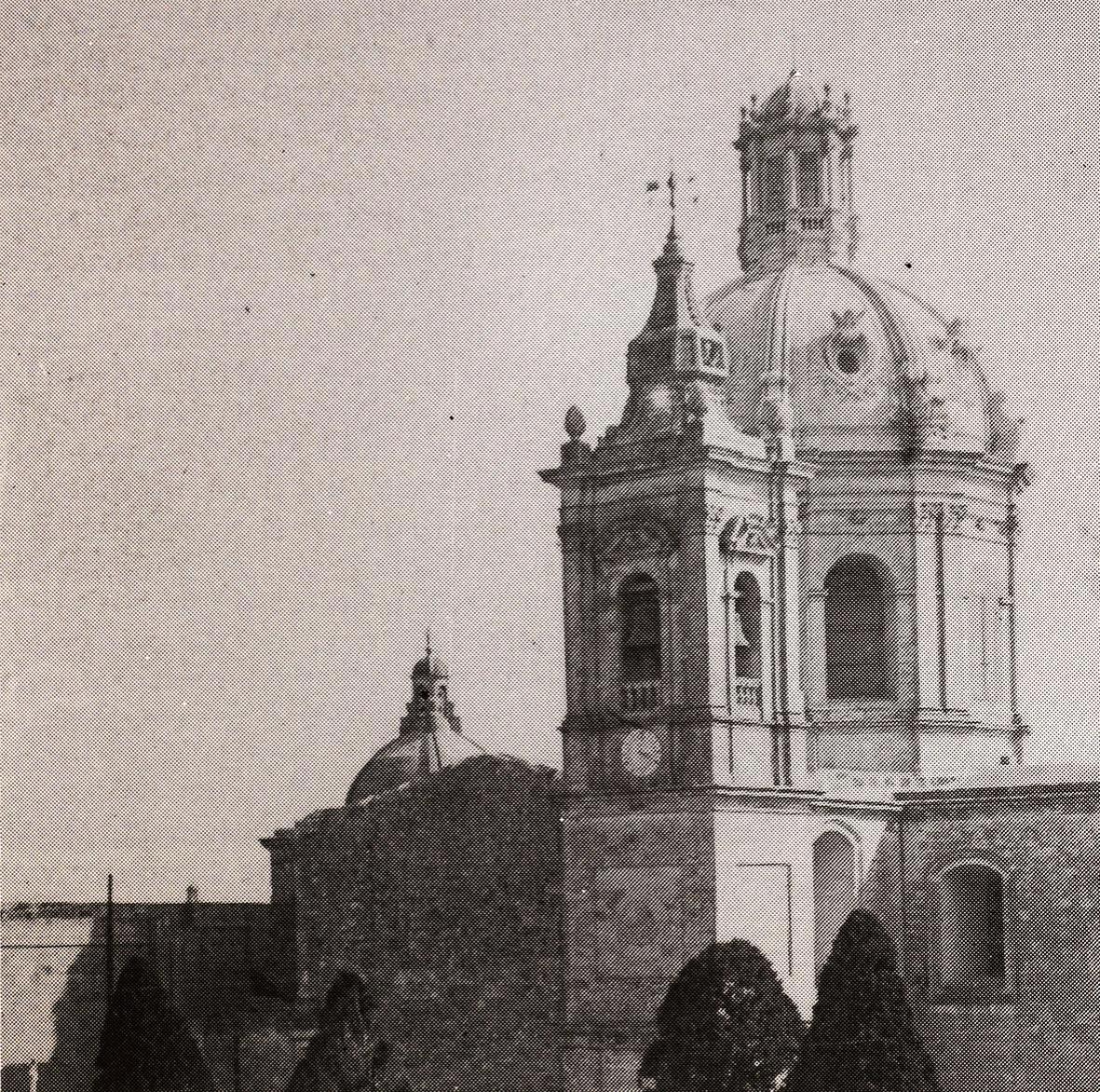 The 1919 dome by Carmelo Micallef, encasing Lorenzo Gafà’s first structure.
The architect Francesco Buonamico started constructing the present basilica but left it unfinished. In 1664, after he departed, the gifted Maltese scalpellino Lorenzo Gafà signed a contract to complete the construction to Bounamico’s plans and elevations. Gafà died in 1703.
No document so far establishes the date of the building of the dome. Its stability raised problems almost from the beginning. By 1753, the grand master received a technical report berating Gafà’s design and underscoring concerns as to its survival. The heavy stone lantern crowning the dome had, almost certainly, already been removed by then. In 1919, an elegant new dome, complete with lantern, designed by Carmelo Micallef, encased Gafà’s existing one.
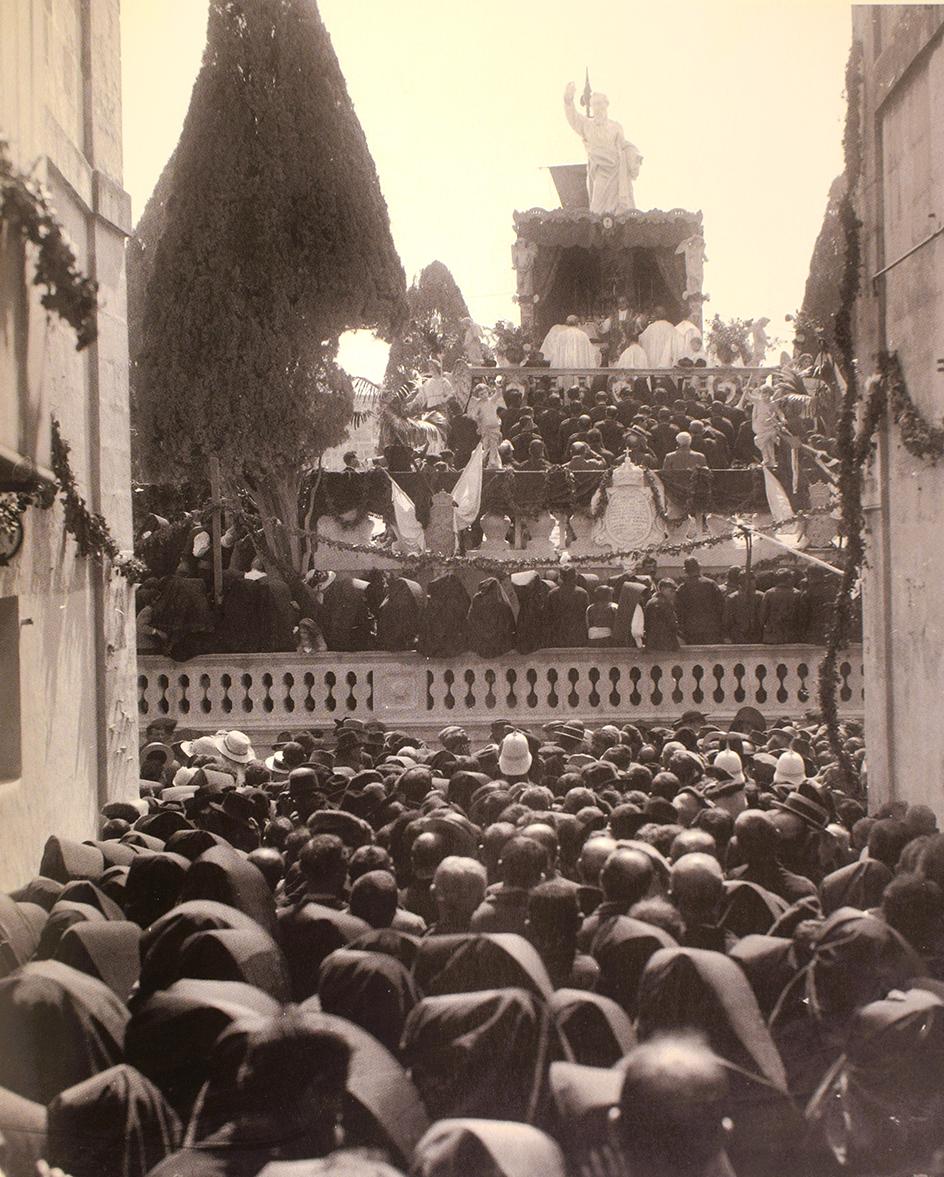 The 1913 International Eucharistic Congress on the grounds of St Paul’s church. Photo: Richard Ellis
Ill-fate haunted the edifice. In September 1923, an earthquake shook the building, further weakening the solidity of the cupola. During the night of November 19, 1924, the dome caved in, causing extensive damages to the church, its decorations and furnishings.
No one suffered personal injuries, and many saw that as another miracle by St Paul. The parishioners rebuilt a third dome, completed exactly a hundred years ago, to a graceful new design by architect Robert V. Galea.
The catastrophic collapse of this iconic cupola, as expected, gave rise to a flurry of image making and postcard publishing. The resulting devastation resembles ‘direct hits’ in a World War II blitz. None of the postcard editors identified themselves, and I would not hazard to guess.
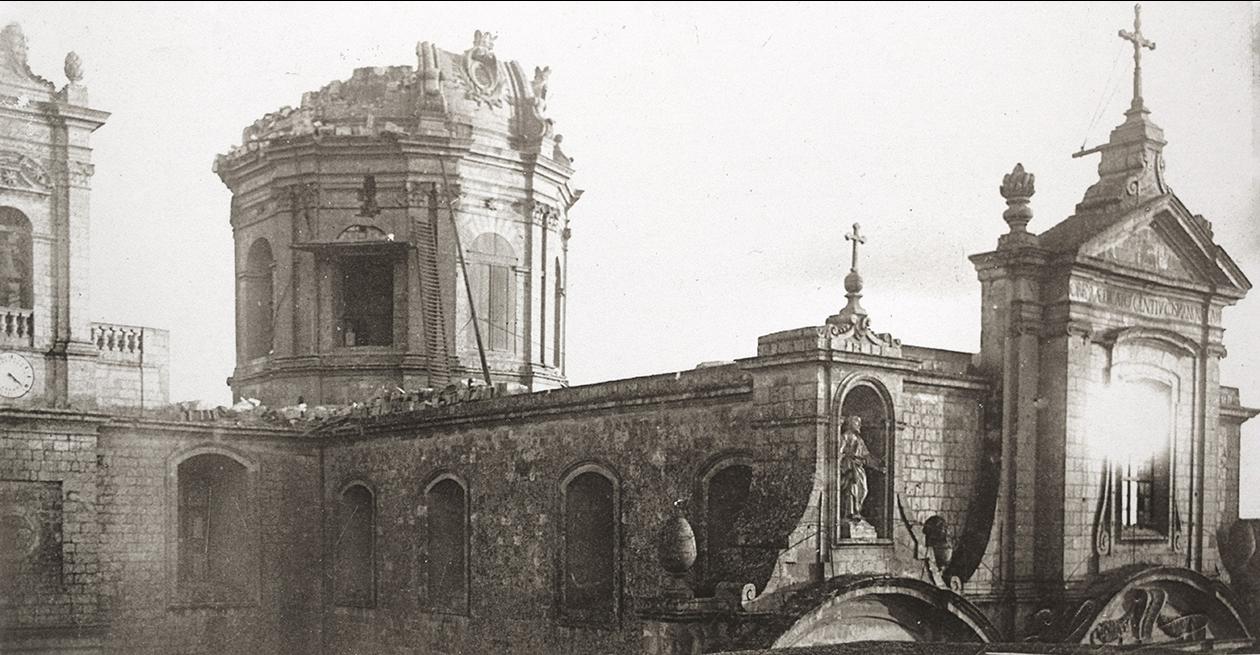
The dome of St Paul’s church after its collapse in 1924.
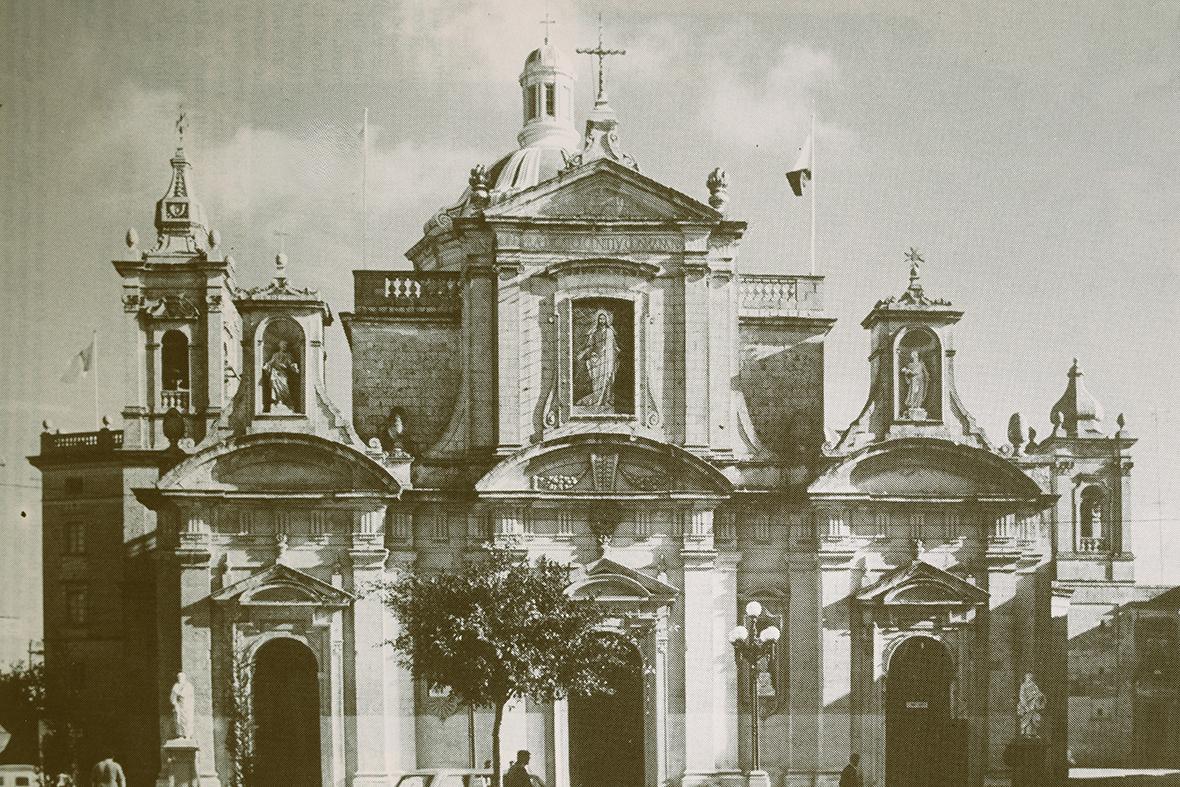
The façade of St Paul’s basilica in Rabat, by Francesco Buonamico.
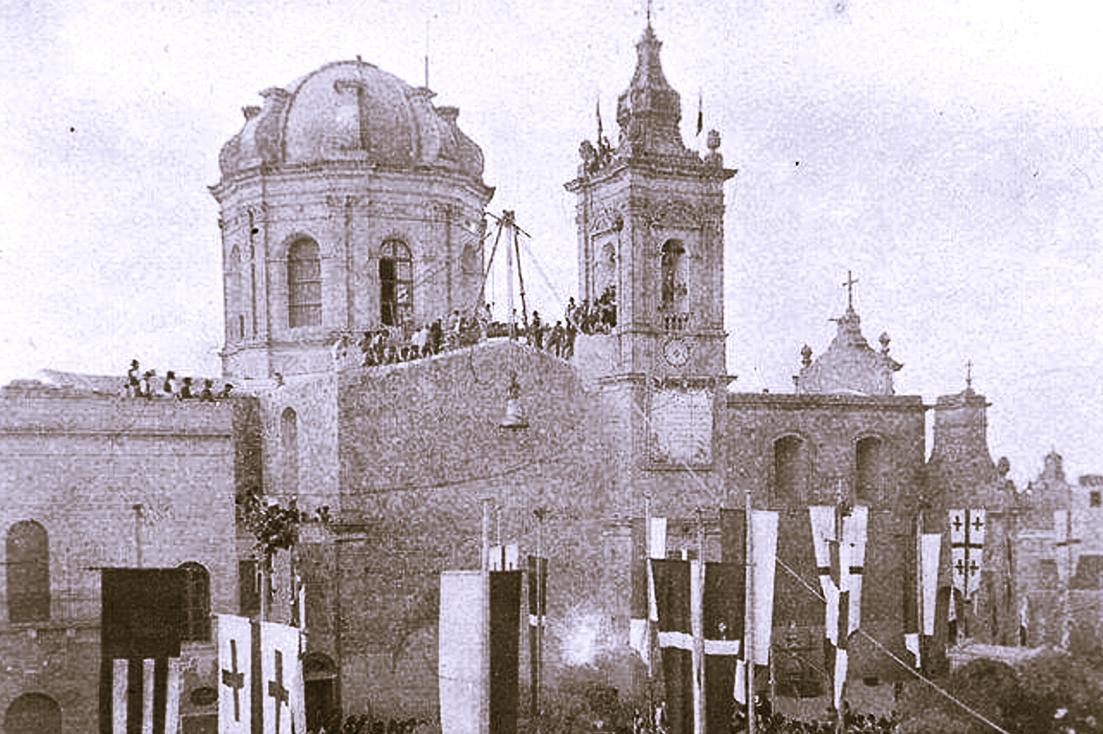
Hoisting a bell for the church, showing the first Gafà dome. Most images from the author’s collections
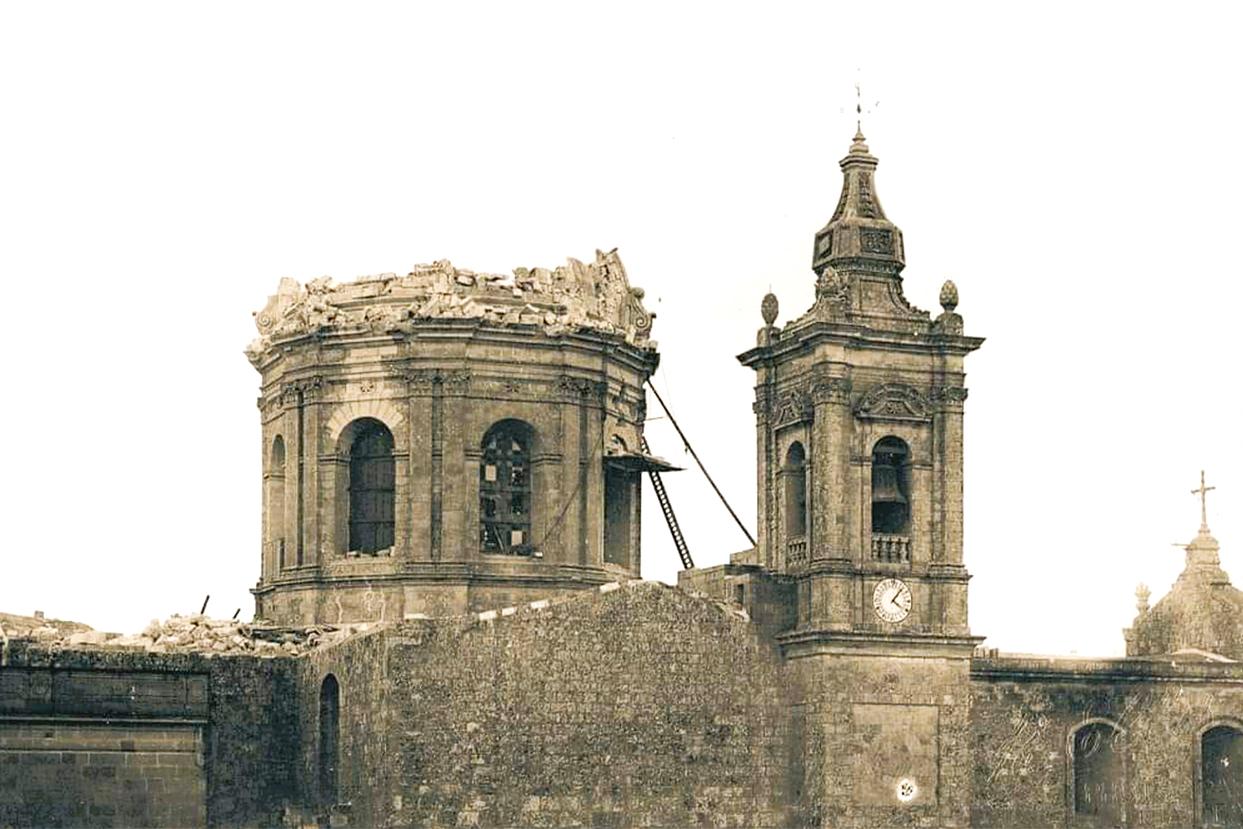
Another 1924 postcard showing the dome after it collapsed.
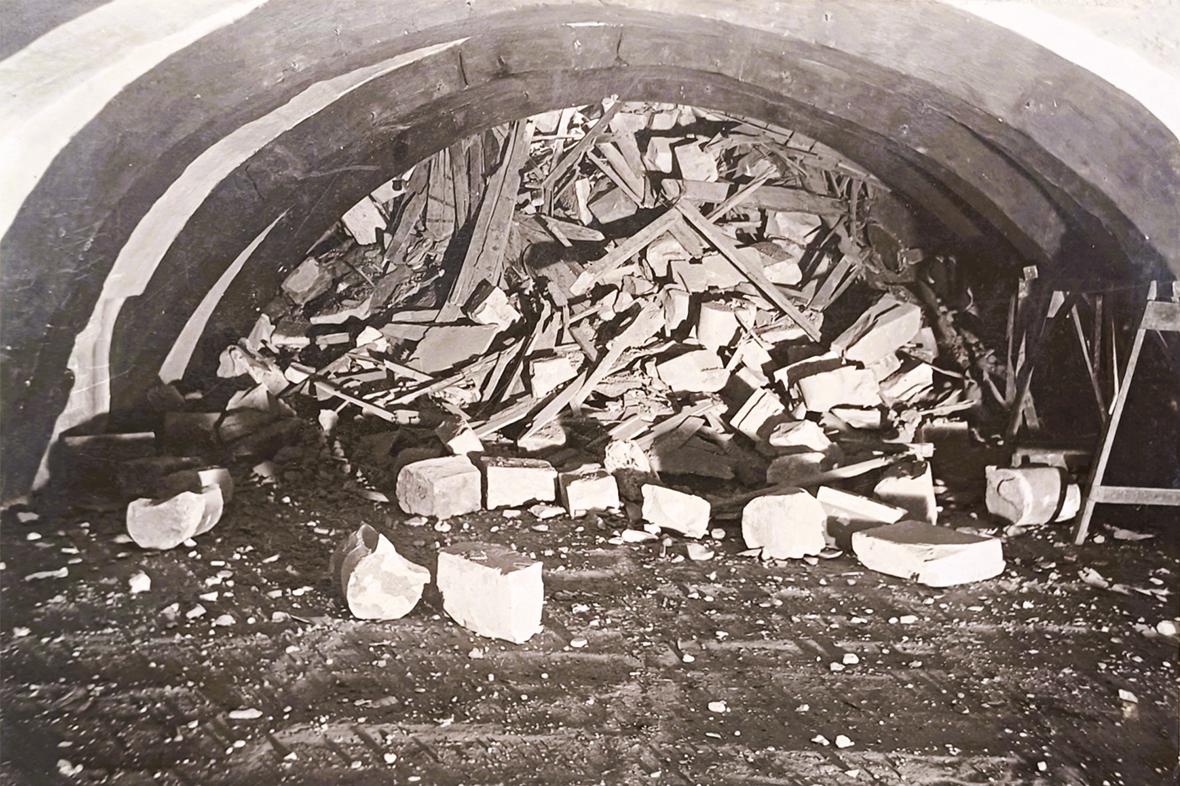
A 1924 postcard of how part of the church appeared after its dome collapsed.
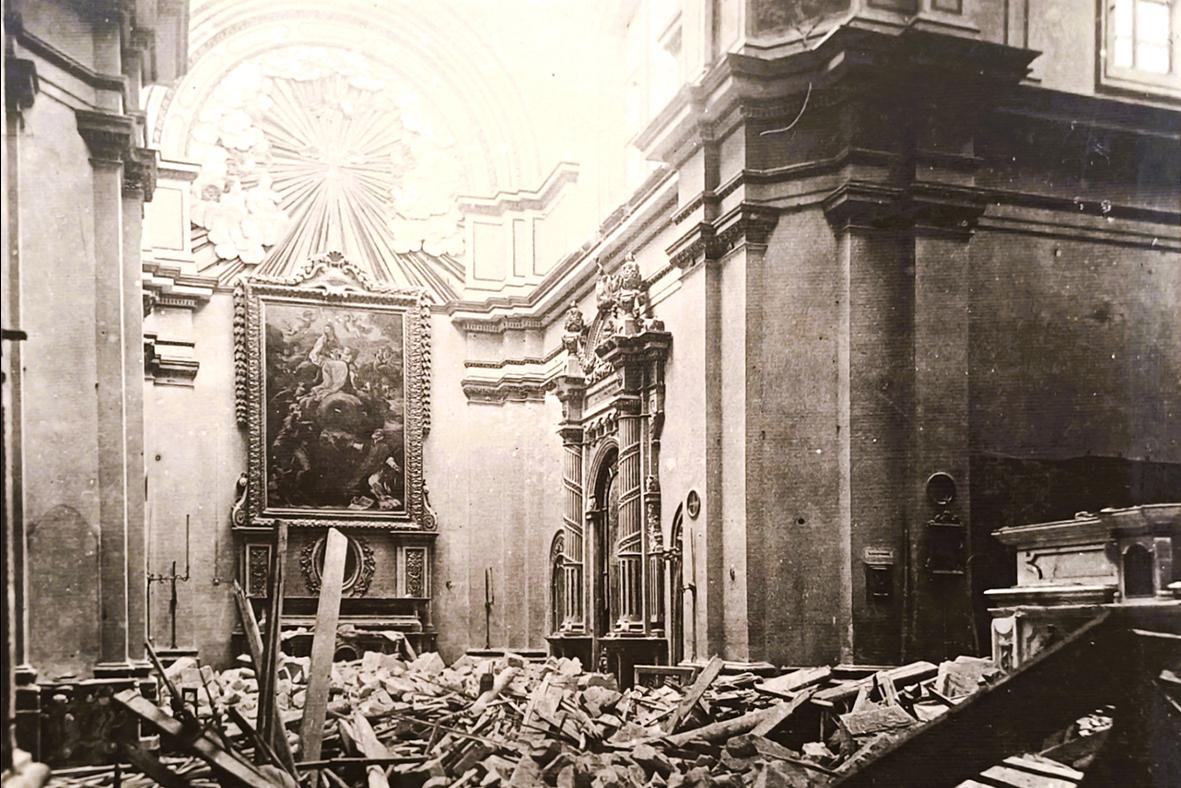
A 1924 postcard showing the debris and damage inside the church.
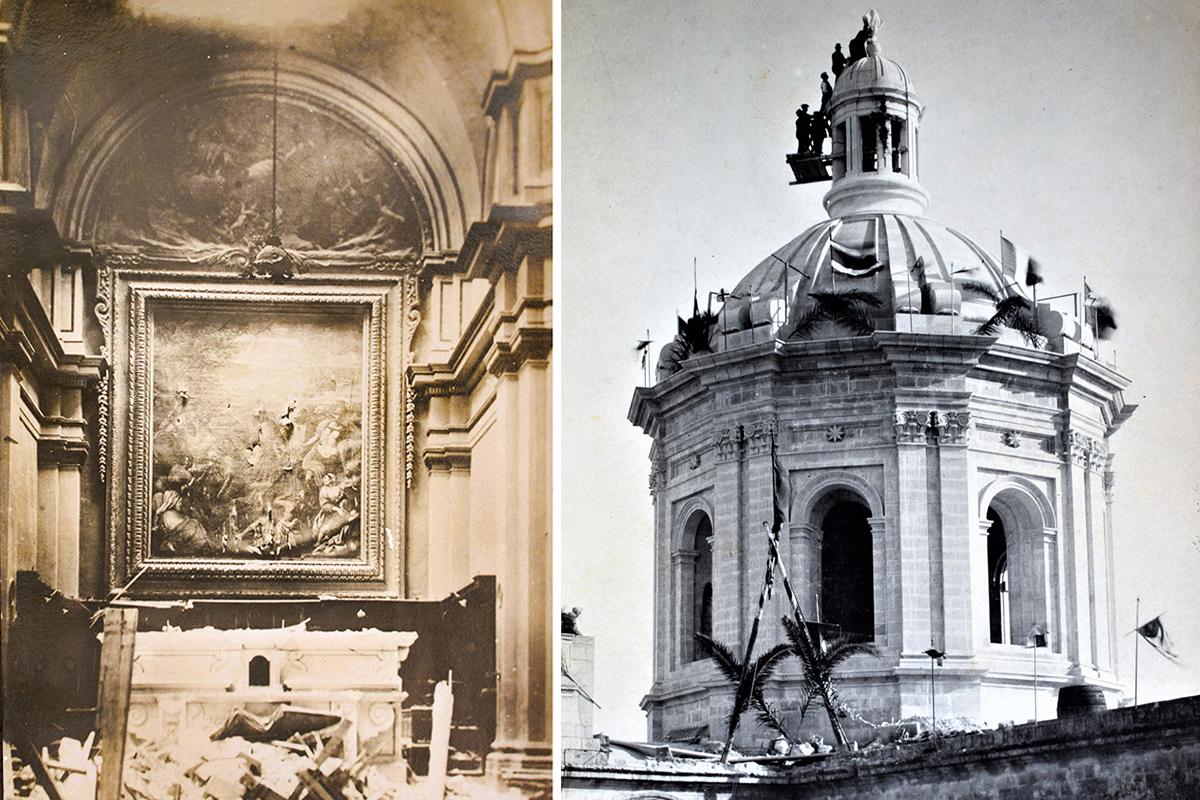
A 1924 postcard of the damage after the collapse of St Paul’s dome. Right: The present dome, designed by Robert V. Galea in 1926.
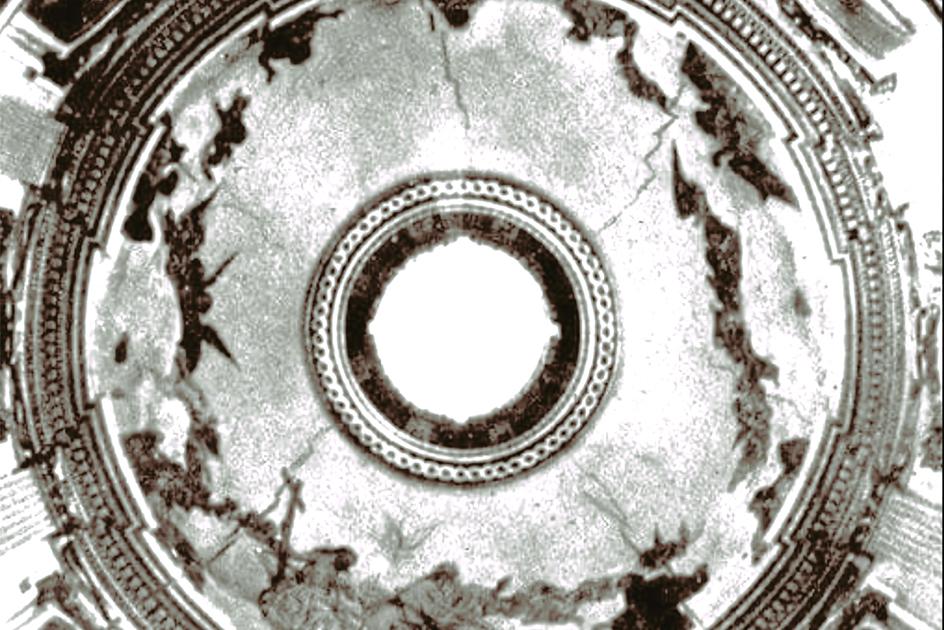
The painting on the cupola.