A strategic response to Paceville
Strategic urban planning is the key to sustaining Paceville’s momentum, says Philip Fenech
Mark Grima’s article, ‘Broken windows’ (October 12), correctly identifies a management gap in Paceville’s operational structure. However, we must correct the narrative: this is not a sign of collapse but a natural growing pain.
As the Town Centre Management (TCM), we maintain that our challenge is not “everything is out of control” but one of securing a continuous management evolution necessary to keep pace with an area in perpetual, successful transformation.
Paceville is evolving into what I call a ‘mini-Manhattan’: a high-value, year-round urban hub. The area’s success is driven by its unrivalled diversity.
A major, often overlooked challenge is that we cannot afford to hit a ‘pause button’. Establishments have been beautifully upgraded but, with ongoing construction and development plots, we must carry on operating 24 hours a day, 365 days a year.
On any given night, 12,000 to 15,000 people gravitate to the area. This massive, constantly changing crowd includes a high volume of tourists, meaning any solution must address transient offenders who are often out of the country within days.
This huge population must harmoniously coexist across numerous operations: hotels and tourism; restaurants and coffee shops; retail outlets, nightclubs, bars and leisure rooms; cinemas and entertainment venues; casinos; language schools and educational institutions; and business offices.
The pressure on our public services is a direct consequence of this growth – our resources are simply outpaced by the sheer volume and complexity of this continuous activity, creating a temporary operational gap. We are calling for an upgrade to a Tier 1 urban management model, not because of a crisis, but to sustain the high-quality future of this critical national asset.
As TCM chairperson, my commitment is to harmonise these diverse interests. The visible disorder, including the itinerant drug trade and aggressive touting, is largely confined to the unlicensed street element. This is a surgical challenge requiring targeted, intelligence-led policing and it should not reflect poorly on the vast majority of licensed venues that maintain high standards.
Our focus must be on enhancing the capability of all security stakeholders to address this specific, external threat to ensure the continued smooth operation of the district, recognising that this is an ongoing requirement of a dynamic zone.
The visible disorder is largely confined to the unlicensed street element- Philip Fenech
We commend the authorities for beginning the installation of CCTV cameras. This crucial step must now be viewed as the foundation for a much broader, integrated security and management system. To ensure we are prepared for future demands, the TCM calls for systemic changes that reflect Paceville’s permanent, high-level status.
We urge the police and relevant authorities to establish a definitive, fast-track protocol for the immediate, temporary exclusion of individuals involved in severe, violent or drug-related offences. This protocol is essential for public safety and allows licensed venues to conduct vital self-regulation by keeping known high-risk individuals out during their stay in the area.
We need a dedicated, specialised police unit – a constant presence – that has the singular mandate and resources to manage a high-volume urban district. This is a strategic re-allocation of resources, acknowledging that an area of this scale requires dedicated, top-tier attention at all times.
Public investment in the public realm is essential for preparedness. Modernising lighting, traffic flow and waste management are not just aesthetic improvements; they are core components of urban resilience. A safe, well-lit and efficiently managed environment is the most powerful tool for discouraging low-level disorder and ensuring the town’s image matches its economic reality.
Paceville/St Julian’s success is a national success. We are at a critical juncture where we must shift our operational approach to one of continuous, forward-looking strategic management to secure the safe, competitive and high-quality future that our mini-Manhattan demands.
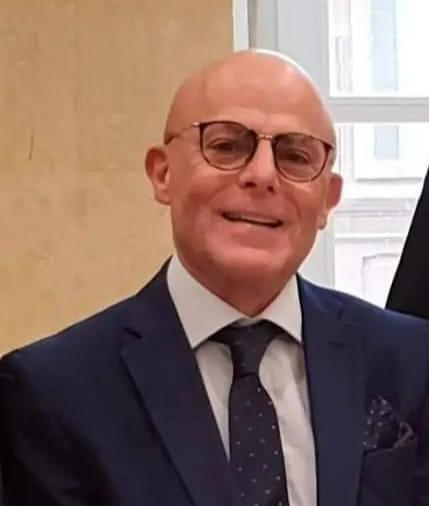
Philip Fenech is the deputy president of the Malta Chamber of SMEs and chairperson of the Paceville Town Centre Management.