A ‘visitor-centred museology’?
A ‘visitor-centred museology’ is not a formally recognised school of thought. It is a loosely defined catchphrase that points to a specific direction which needs to be qualified
Malta’s National Cultural Policy, published in 2021, serves as the sector’s primary policy document, guiding the management of government public cultural institutions.
Four years later, as we anticipate a possible review in the months to come, the country might be presented with the right opportunity to address a fundamental misstep that risks undermining the policy. I specifically refer to the interpretation of current international museological trends that this document had referenced way back in 2021.
One statement stands out. It claims that a specific category of museums in Malta shall, and I quote, “adopt a visitor-centred museology… in line with trends abroad”. At face value, this is a step in the right direction. After all, putting visitors at the heart of the museum experience is something no contemporary practitioner would argue against. A deeper analysis, however, reveals a superficial understanding of the subject that is flawed, at least in principle.
First, “visitor-centred museology” is not a formally recognised school of thought. It is a loosely defined catchphrase that points to a specific direction which needs to be qualified in any case. Declaring a commitment in such terms is akin to deciding to travel abroad but with no clue about destination, route or purpose.
Secondly, the “trends abroad” are anything but visitor-centred. In Europe, trends suggest a shift from focusing on the visitor to prioritising communities in very specific ways. Trends also suggest co-creation and participatory practices that have been gaining traction ever since Nina Simon published her seminal publication – The Participatory Museum – 15 years ago. I choose not to go into much earlier experimentation around the social role of museums dating back to the 1970s. Indeed, the current direction in European museology is less about treating the visitor as a passive recipient of information and much more about fostering agency and shared authority.
There are lots of best practices to cite. We can consider the citizen assembly concept, as adopted by the Bundeskunsthalle in Bonn and the Museum für Angewandte Kunst in Dresden, both in Germany, as one such best practice. We can refer to the Rieka Maritime Museum (Croatia) and its invitation to citizens to weigh in on acquisitions, or the ‘Anything Goes’ project by the National Museum in Warsaw, empowering children to curate an exhibition.
I can also cite a modest museum in Skipton (North Yorkshire, United Kingdom), which invites locals to curate a dedicated showcase with their loans, recognised with a UK Museum Association award. In all cases, museum leadership and directorship share power and authority with communities rather than dictate top down.
Maritime Museum opened its doors to dockyard workers- Sandro Debono
There are, indeed, local ‘home-made’ trends whereby the community was approached to participate and co-create, not just to visit on purchasing tickets. In 2015, the Naqsam il-MUŻA project invited communities that had never visited the National Museum of Fine Arts to choose artworks, then share their choices with the community. That project, which is the linchpin of the MUŻA concept wherever it has been adopted, would be celebrated in the newsletters of the German Museums Association and the Network of European Museums Organisations.
In more recent times, and very broadly in line with this thinking, the Maritime Museum in Vittoriosa has opened its doors to dockyard workers engaging with material culture they know very well. Way back, some 15 years ago or so, students from one of Malta’s colleges voted for a selection of artworks from the National Museum of Fine Arts and the winning selection was sent on tour.
This shift has also been incorporated into the new museum definition approved by the International Committee of Museums (ICOM) in August 2022. ICOM now defines museums as operating and communicating “ethically, professionally and with the participation of communities, offering varied experiences for education, enjoyment, reflection and knowledge sharing”.
Incidentally, three years later, the new museum definition has yet to be enshrined in Malta’s Cultural Heritage Act (2002). That is one other matter to rectify.
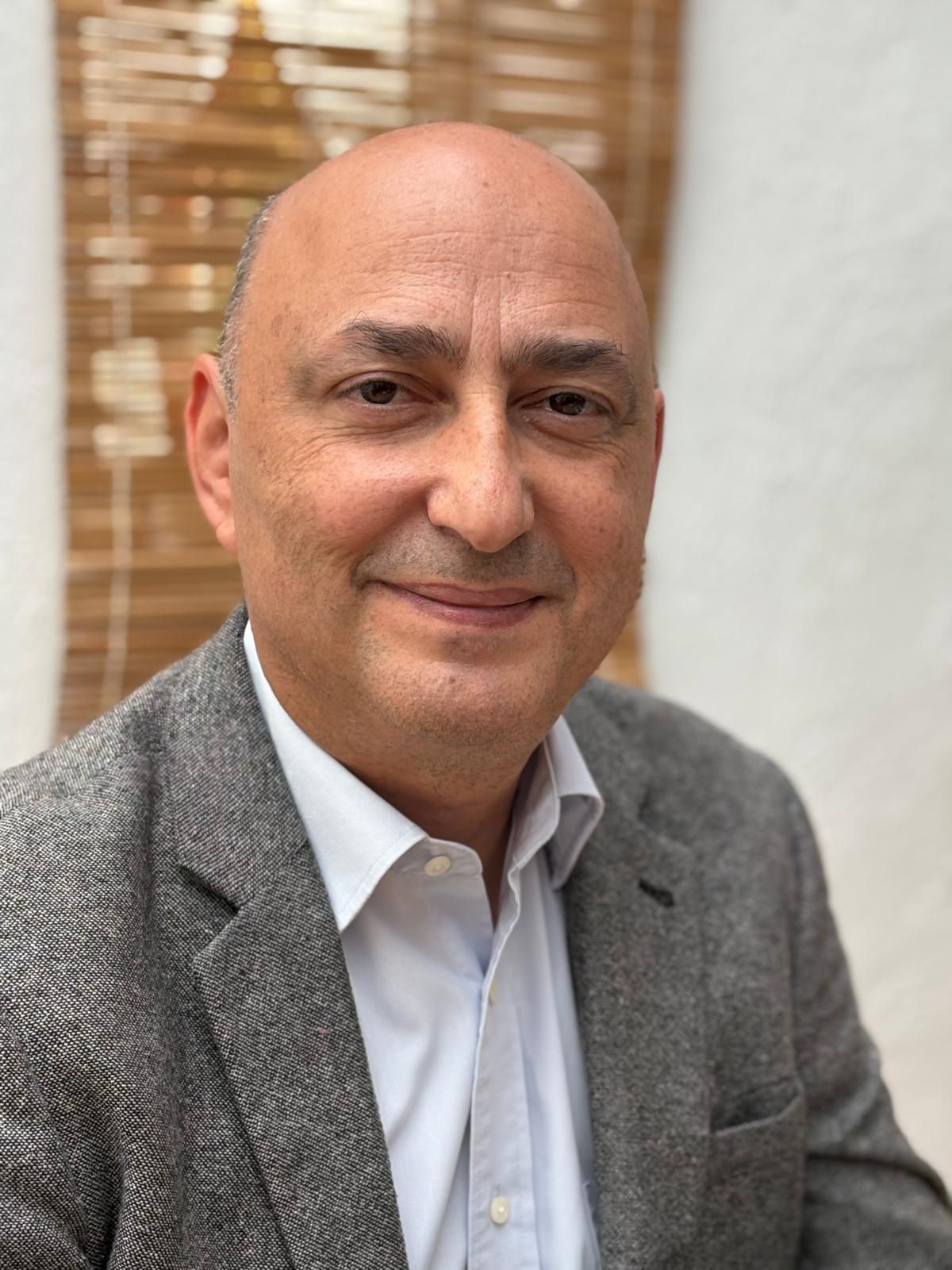
Sandro Debono is an international museum consultant with a PhD in heritage policy. He is also an executive board member at the Network of European Museums Organisations.