Admiral of the Fleet Sir David Beatty (1871-1936) and his encounters with Malta
From flirting with a princess at San Anton, to starting a family at Capua Palace, to dining on Churchill's yacht in Grand Harbour, one of Britain’s most famous naval commanders knew Malta well
As naval commanders go, David Beatty is possibly one of Great Britain’s best-known ones. He courted fame and forged an exceptionally successful career in the Royal Navy. Endowed with good looks and a natural charm, he led a colourful life which sometimes played out like a scene in a swashbuckling movie. Beatty lived in Malta for a while in 1905 and this article will detail this stay together with his other recorded encounters with the island.
Nursing an early interest in the sea, Beatty enrolled at the Burney Academy in 1882. He was only 11 years old at the time. Burney’s was a ‘crammer’ designed to prepare young men for the Royal Navy’s entrance examinations. Two years later, at the tender age of 13, he entered the Royal Navy as a cadet and spent some time aboard the training ship HMS Britannia. The experience provided him with an environment in which his distaste for rigid naval etiquette was tested for the first time.
In 1886, Beatty was appointed to HMS Alexandra, the flagship of Alfred, Duke of Edinburgh (1844-1900). Alfred was the second son of Queen Victoria and the commander-in-chief of the Mediterranean Fleet. The duke and his family lived in Malta for several years. Beatty’s royal appointment opened the right social doors on the island and he soon struck up a flirtatious friendship with Princess Marie of Edinburgh (1875-1938), the duke’s eldest daughter.
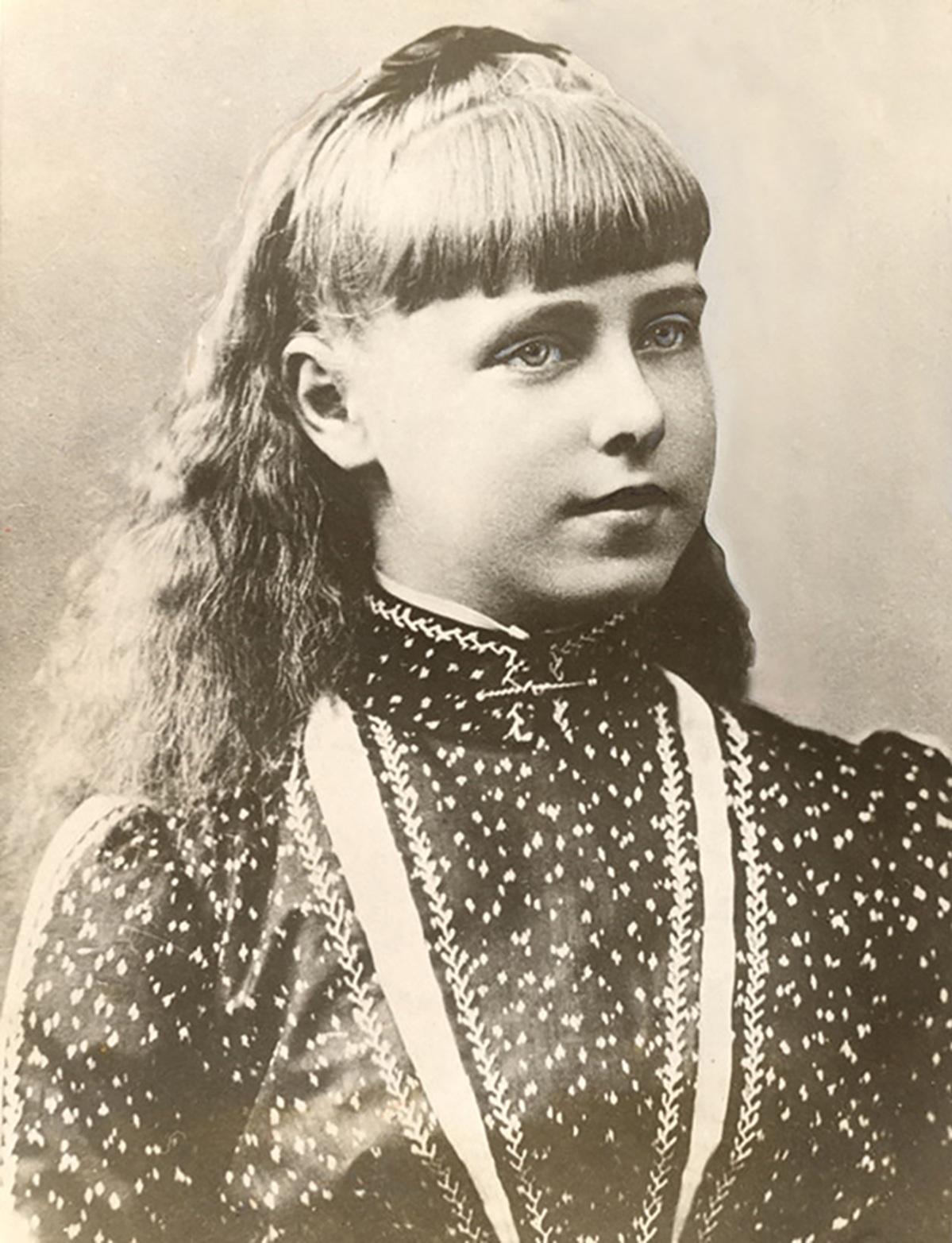
Marie of Edinburgh in 1888 – a year after she met with Beatty.
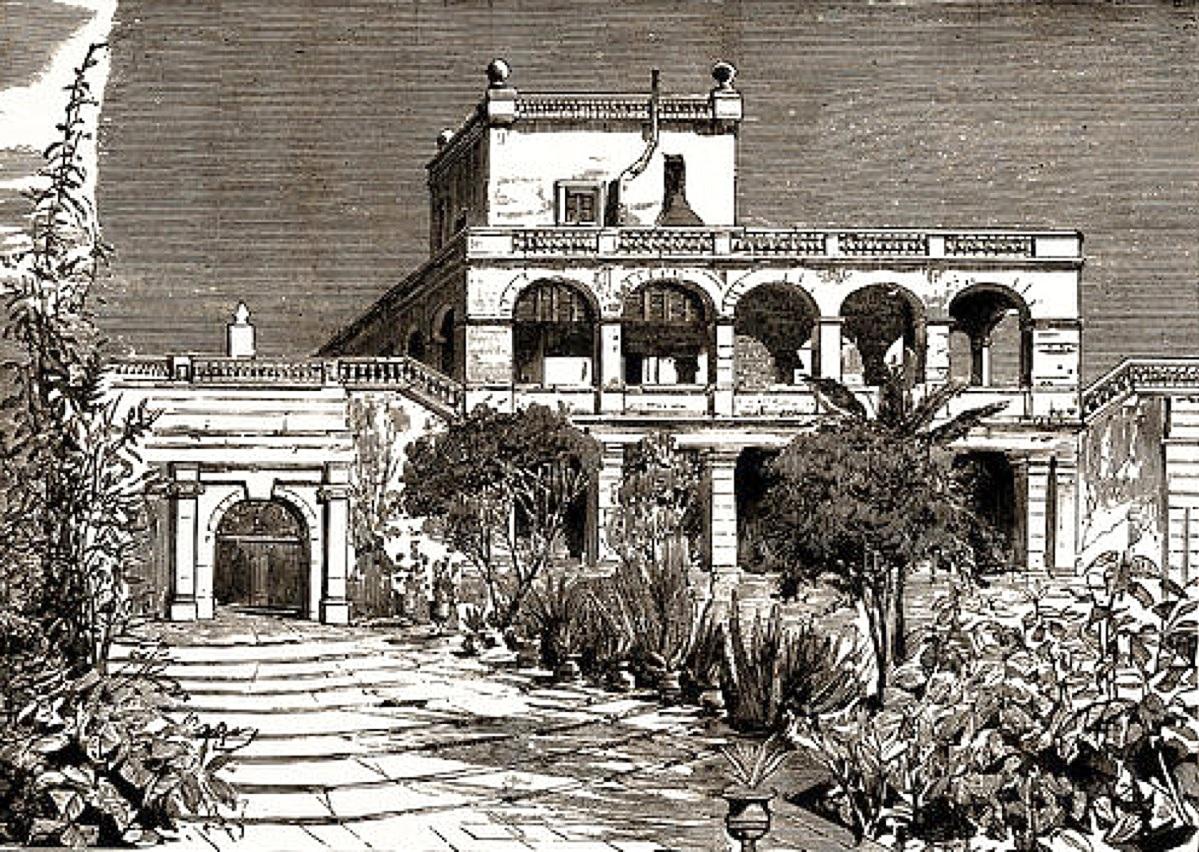
The Palace of San Antonio, The Graphic, May 29, 1886. San Anton Palace was the home of the Duke of Edinburgh during his command of the Mediterranean Fleet and where Beatty and Marie regularly met up.
Marie was an extrovert, artistically inclined and somewhat of a free spirit. She took a personal interest in the young seaman. Beatty’s biographer, Stephen Roskill, writes that the youngsters were allowed “the freedom of the lovely gardens of the San Antonio Palace […] where [she] lived”. Marie was only 12 at the time, and when Beatty and her parted ways, she wrote him many letters which he kept until his death. This is significant as Marie later became the Queen of Romania. These carefree days on the island were Beatty’s first ‘encounter’ with Malta.
Beatty moved up the ranks. Notwithstanding some rather average examination marks received at Greenwich College, he was already a sub-lieutenant to the corvette Ruby by 1889. It is likely that studying took second place to London’s lively nightlife at this point in his life.
In 1892, Beatty was selected to serve on the royal yacht Victoria and Albert while it toured the Mediterranean, and this brought Beatty once again into contact with royalty and the aristocracy.
Promoted to lieutenant, in 1893 he served on board HMS Camperdown and later on board HMS Trafalgar in 1895. Both ships belonged to the Mediterranean Fleet and they certainly would have made a few stopovers in Malta, but it has not been possible to pin Beatty down concretely on the island during this period of service.
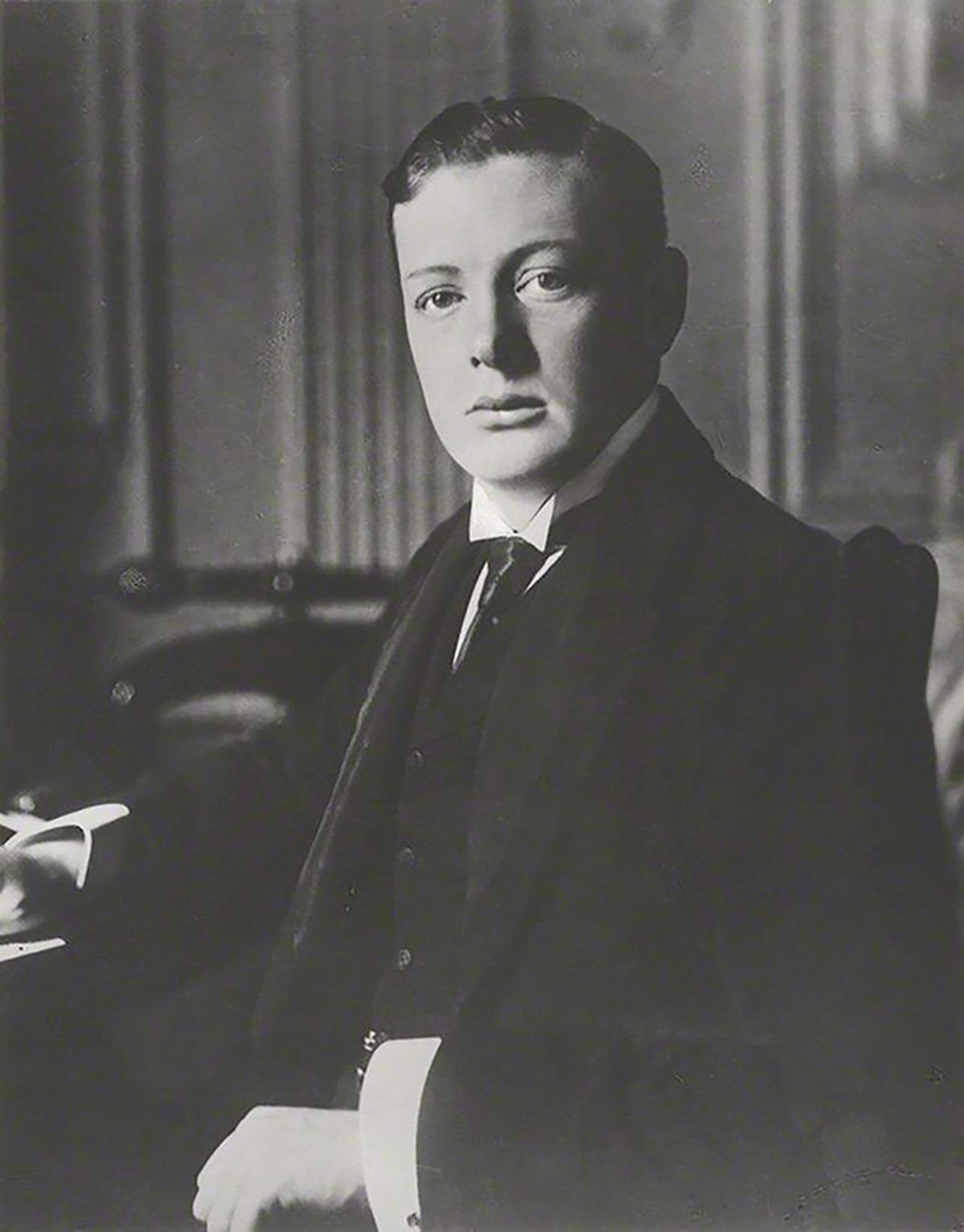 Winston Churchill in 1899, two years after he had met Beatty in Sudan.
Beatty received his first command in 1897 and won a Distinguished Service Order in Sudan. He met Winston Churchill there when the latter served as a young lieutenant. Beatty’s biographer, Roskill, writes that: “there is a persistent story that Beatty, commanding a Nile gunboat, had thrown the young Winston Churchill a bottle of champagne, something the future prime minister and his liking for that drink would have remembered and appreciated”. This exuberant and spontaneous act must have gone down well with Churchill as a lifelong friendship between the two men ensued together with a trail of early promotions.
Beatty married the wealthy and recently divorced Ethel Tree (1873-1932) in 1901. Ethel was the daughter of Marshall Field, owner of a chain of Chicago Department stores, and the marriage allowed him a degree of financial independence lacking to other officers of his rank. The couple’s first child, David Field Beatty (1905-1972) was born in Malta at Capua Palace in Sliema on February 22, 1905.
Ethel had ‘a folie des grandes maisons’, which meant that she always requested the grandest abode available in her country of residence. Capua Palace, an impressive neoclassical building, had royal connections – it is named after Carlo de Bourbon, Prince of Capua, who had once lived there. Roskill writes that Ethel joined her husband in Malta in anticipation of their son’s birth, and the couple resided in Capua Palace until the end of 1905, having been welcomed warmly by the island’s ‘high society’.
He pushed his ship to the limit in order to get to Malta in time for his son’s birth, thereby inflicting serious damage to its engine
Another account that added to Beatty’s allure, and which was circulated that year, was that, despite warnings from his chief engineer, he pushed his ship to the limit in order to get to Malta in time for his son’s birth, thereby inflicting serious damage to its engine. When was there talk of disciplinary action against him, Ethel stepped in and reputedly remarked: “What – court martial my David? I’ll buy them a new ship.”
There is no announcement of Beatty’s first born in either the Malta Herald or the Daily Malta Chronicle; however, the latter newspaper reports that Captain Beatty and his wife were present for the funeral on the February 15, 1905 (just a couple of days before their son’s birth) of Vice-Admiral J. Lacon Hammett, the late admiral superintendent of the Malta Dockyard. The governor of Malta, Charles Mansfield Clarke, and his wife, Lady Mansfield, also attended the funeral, as well as several local dignitaries.
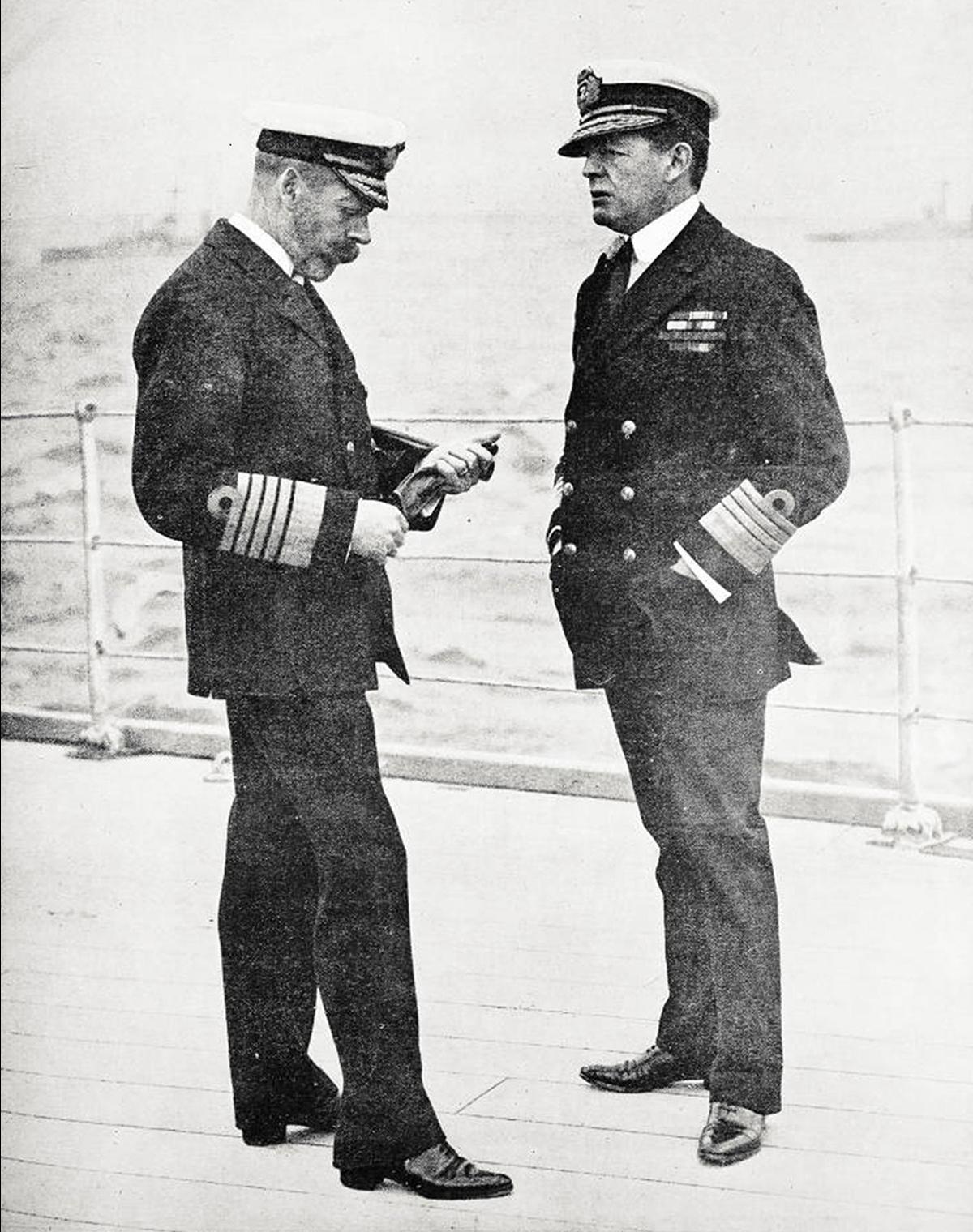 King George V (left) and Admiral Beatty conversing on the deck of a warship, 1918. Auckland Libraries Heritage Collections, New Zealand
After leaving Malta, Beatty continued to receive commissions with the Mediterranean Fleet until he was appointed aide-de-camp to King George V in 1908. He had become friendly with the monarch when the latter was still a prince and had toured the Mediterranean. Roskill writes that the two men enjoyed a friendly relationship.
Fast forward to 1910. That year, Beatty, still not 39 years old, was promoted by a special order in council to rear admiral. This was somewhat premature, not having served the required time as a captain. Once the promotion went through, Beatty became the youngest flag officer in the Royal Navy since the late 18th century.
An offer for a post with the Atlantic Fleet followed shortly afterwards. This was a major command, but Beatty declined it, wanting to be closer to his home and family. His refusal almost cost him his career, until Churchill, newly appointed first lord of the Admiralty, stepped in and appointed him naval secretary shortly afterwards. Now comes Beatty’s third documented stay in Malta, which was enthusiastically reported upon by the local press.
On May 29, 1912, Churchill arrived in Malta on the Admiralty yacht, the Enchantress, together with the British Prime Minister, Lord Asquith, Prince Louis of Battenberg, the Second Sea Lord, and Field Marshall Kitchener of Khartoum, in order to discuss the relocation of the Mediterranean Fleet to the western Mediterranean. Douglas Austin’s book Churchill and Malta reproduces a photo, possibly by Richard Ellis, of the distinguished group.
The Daily Malta Chronicle of May 30, 1912, reports that “Rear Admiral David Beatty is accompanying the First Lord” (Churchill), and that the distinguished party landed at “the Customs House amid the salute of 10 guns fired from the Saluting Battery”. Various official functions followed later that day. These included a lunch at Admiralty House in Valletta and a dinner at the Palace, hosted by Governor General Sir Leslie Rundle. Beatty is mentioned as having attended both events, however there is no mention of his wife’s presence.
The following day, on May 30, 1912, the distinguished personalities visited Dock No. 1 and Dock 2 at the Malta Dockyard, as well as the naval stores. According to the Daily Malta Chronicle, they witnessed “exercises by the Destroyer Flotilla and submarines” in the afternoon. An official dinner aboard the Enchantress wrapped up the fanfare that day.
On June 1, 1912, a grand naval parade of 1,000 officers and men took place in Marsa, followed by an afternoon event hosted by Churchill on board the Enchantress, which later left the island for Gibraltar.
In 1913, Beatty was given command of the Home Fleet’s 1st Battleship Squadron and was promoted to acting vice admiral when the Great War broke out in 1914. In August 1915, he was promoted to full vice admiral. He took part in actions in Heligoland Blight (1914), Dogger Bank (1915) and Jutland (1915).
He was a forceful leader but expected his subordinates to use their own initiative when engaging with the enemy without receiving direct orders from himself. There are no records known to the present author that he visited Malta during this period.
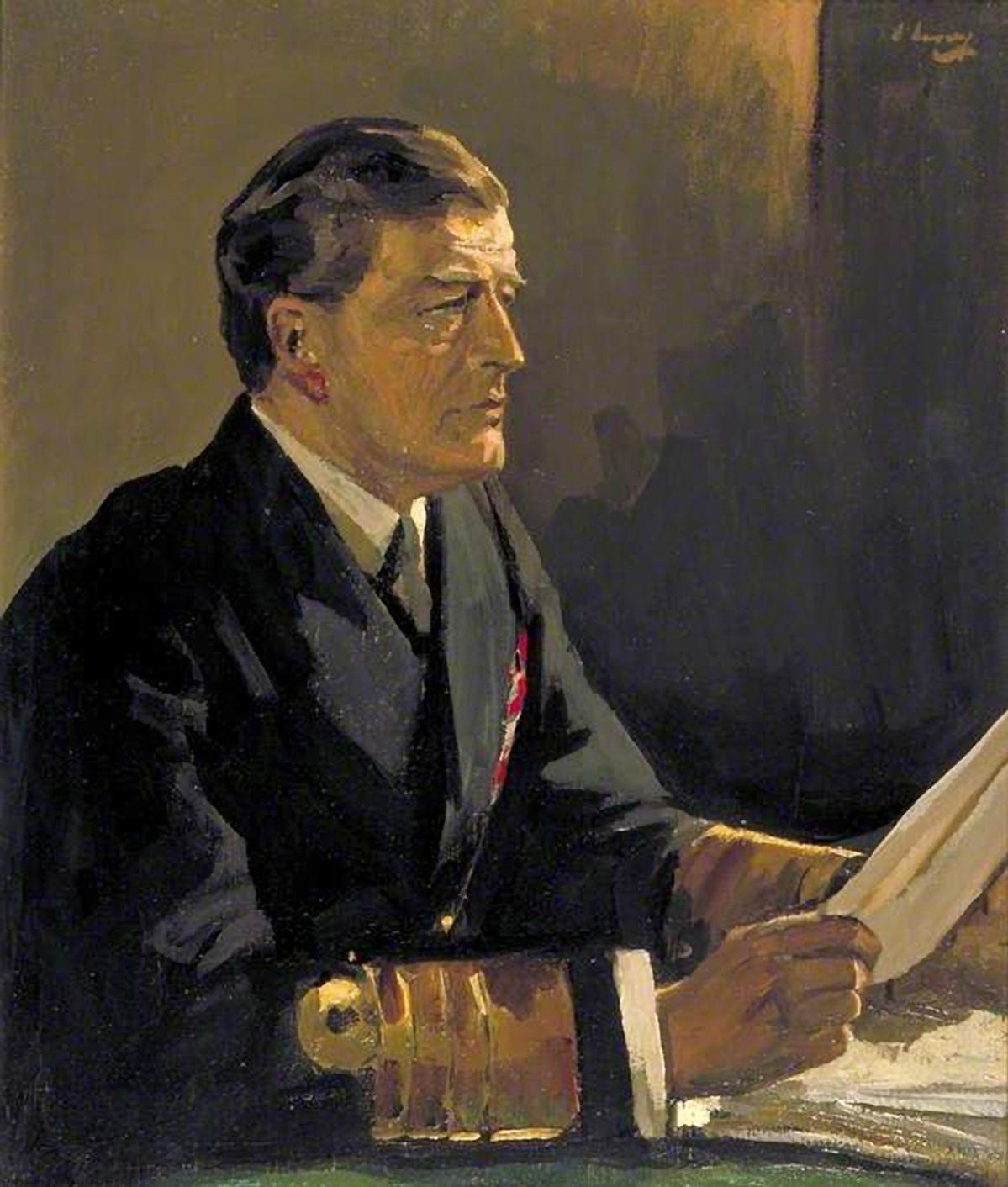
Study for Admiral Sir David Beatty, Reading the Terms of the Armistice to the German Delegates on HMS Elisabeth, 1918, by John Lavery. Photo: ©IWM, London
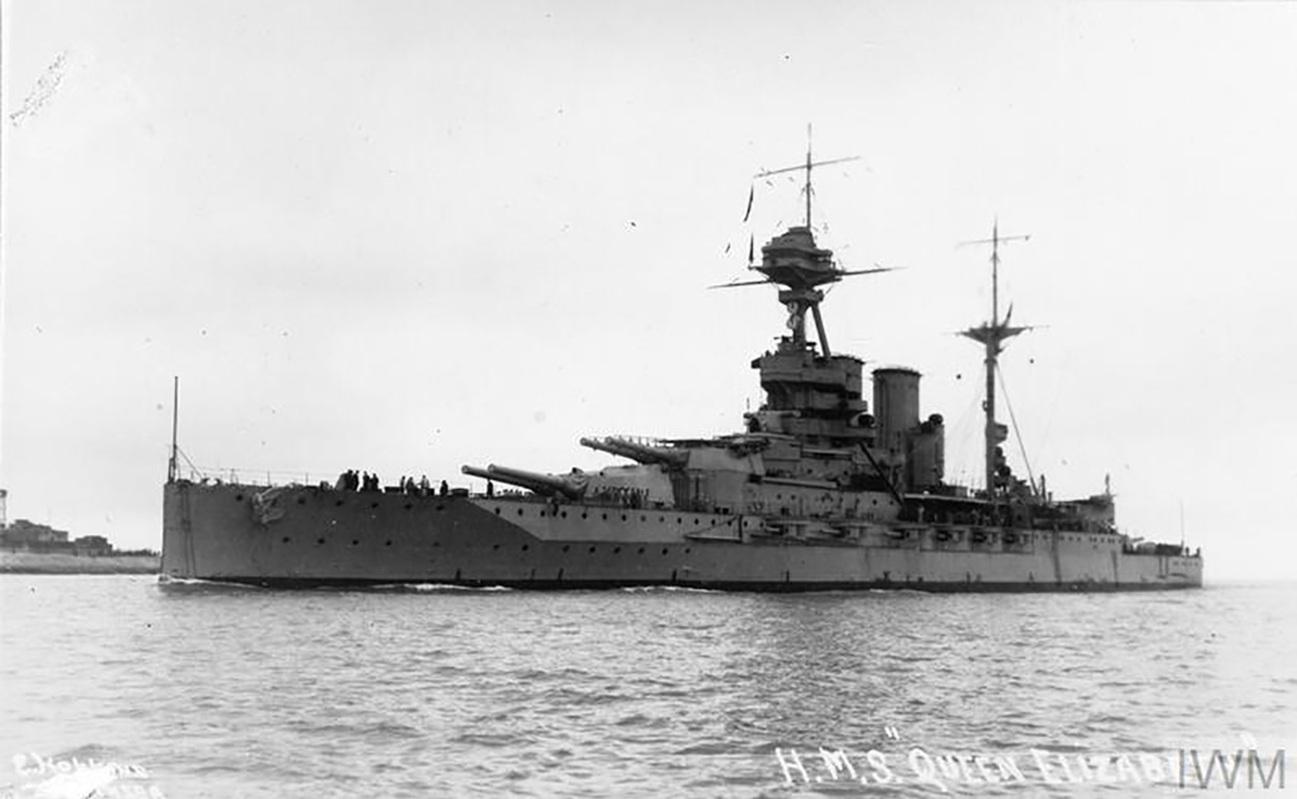
Beatty’s flagship HMS Elizabeth in 1915. She was reassigned to the Mediterranean Fleet in World War II and supported convoys to Malta in 1941. Photo: ©IWM, London
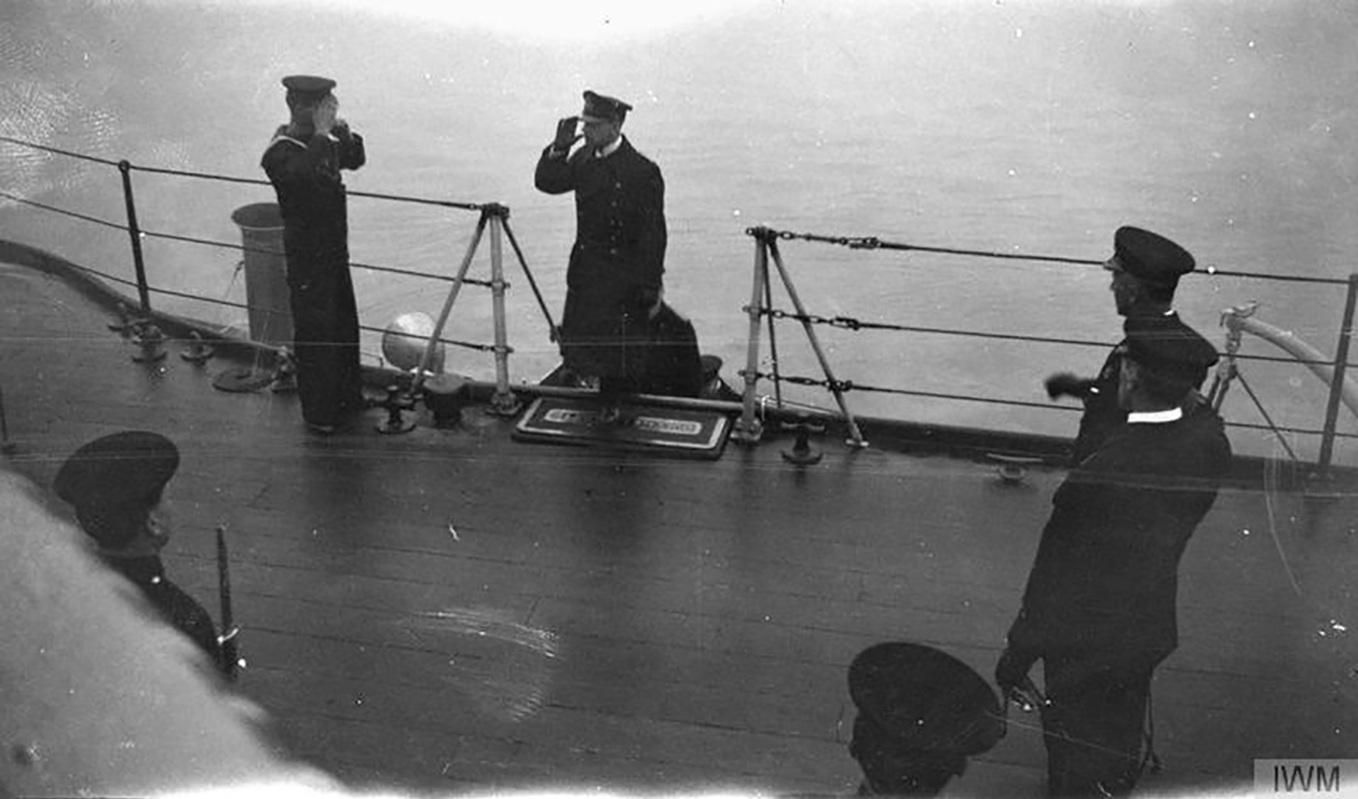
Admiral von Meurer, commanding the German Fleet, coming aboard HMS Elizabeth for the surrender ceremony in the Firth of Forth, Scotland. November 21, 1918. Photo: ©IWM, London
Admiral Beatty received the surrender of the German High Seas Fleet off the Firth of Forth in Scotland in November 1918. Rear Admiral Hugo Meurer, the German representative, met Beatty on board his flagship, HMS Queen Elisabeth. Beatty proved to be a tough and inflexible negotiator and his manner was not appreciated by the Germans. Nonetheless, he was the man of the hour.
In recognition of his elevated status, war artists John Lavery and William Orpen were officially engaged by the British authorities to record the historic moment as well as to paint Beatty’s portrait. Artist and war correspondent Charles Mills Sheldon also painted his portrait in 1919.
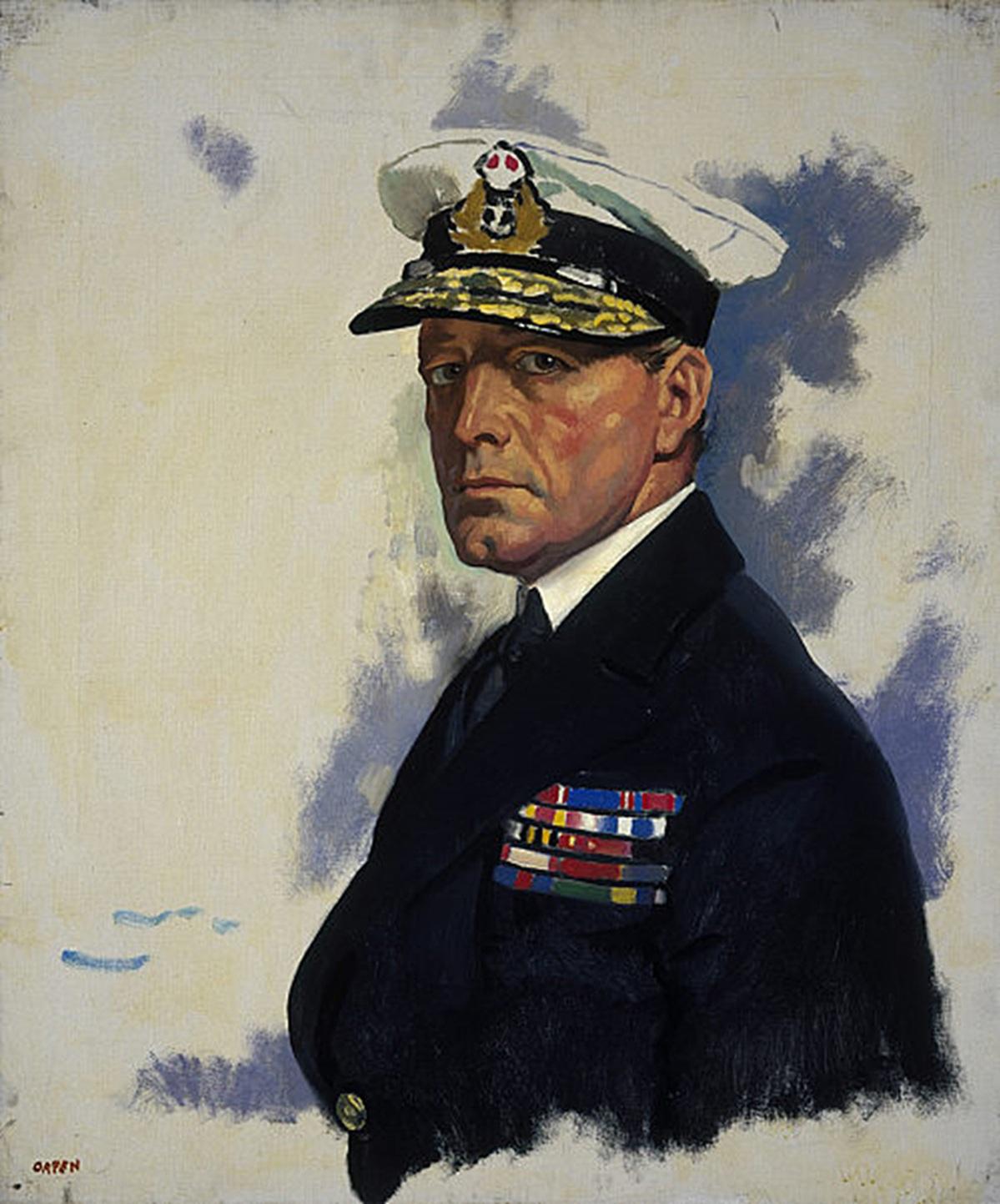
Portrait of Admiral Beatty by William Orpen painted during the peace conference in Versailles in 1918. Photo: National Gallery of Scotland
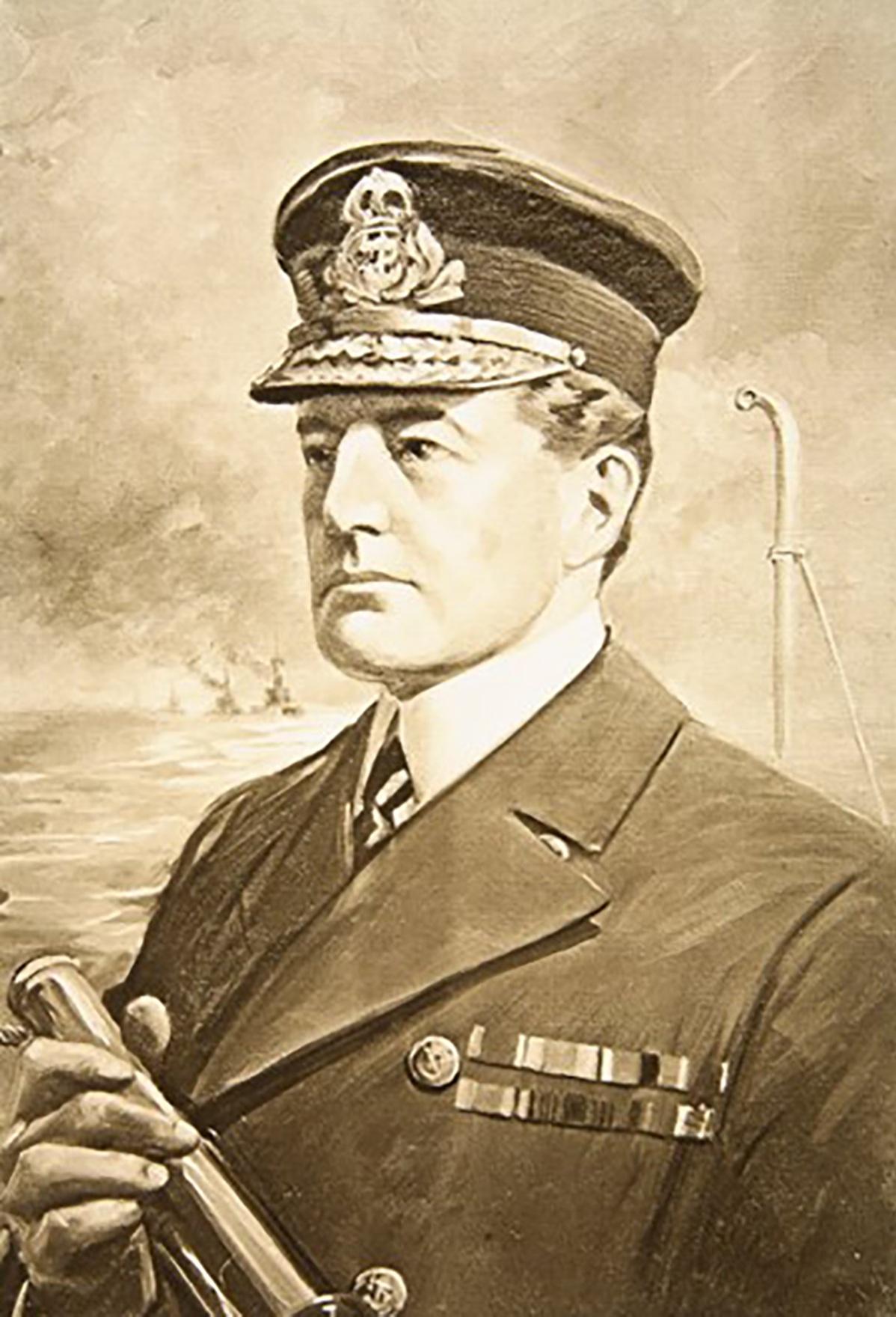
Vice Admiral Sir David Beatty, 1919, by Charles Mills Sheldon.
On May 1, 1919, Beatty was promoted to admiral of the fleet, and in October that same year he was created 1st Earl Beatty, Viscount of Borodale. He would subsequently have a hand in the Washington Naval Treaty of 1922, which had far-reaching naval consequences in the next war.
He retired from the Royal Navy in 1927 at the age of 56 but remained a vociferous supporter of British sea power, often clashing with politicians, including his old friend Churchill, who had hoped to downsize the fleet during the interwar period. There are no records known to the present author that he visited Malta in an official capacity after 1912.
Further reading
Admiral of the Fleet, Earl Beatty, The last Naval Hero, by Stephen Roskill, Seaforth Publishing, 2018.