Advantages for men, struggles for women
Women in Malta are still significantly underrepresented in politics and business. We need concrete policy changes to reverse this trend
Women bring diverse perspectives and inclusive decision-making that benefit organisations, institutions and society. Greater gender balance in leadership leads to more equitable outcomes, stronger innovation and better representation of the population. However, statistics show that women are still significantly under-represented in decision-making positions in many counties.
In Malta, only 29% of MPs are women, while just 17.5% of board members in the largest listed companies are female. This imbalance is also reflected in the Gender Equality Index (GEI) published by the European Institute for Gender Equality (EIGE), which indicates Malta continues to lag in the areas of power and time, scoring 51.2 and 59.4 out of 100, respectively.
Although the GEI shows that the gender gap in household responsibilities has narrowed, with more men contributing to these duties, significant disparities remain. This persistent imbalance is not due to a lack of talent or ambition among women but, rather, the systemic barriers they face throughout their careers.
These challenges are even more evident in politics, where women continue to face structural and cultural obstacles. The long hours required for political work, the lack of flexibility and the often hostile political environment significantly impact women’s decisions to enter this field.
While men are often assumed to belong in the political sphere by default, women must still be actively encouraged to enter politics. This highlights the ongoing need for systemic changes to ensure equal opportunities and support for women’s political participation.
The under-representation of women in political leadership is mirrored in the corporate world. Even though more women than men have been graduating from academic institutions for many years, this has not translated into stronger female representation in leadership roles. While many companies have a higher proportion of women in middle management, the progression to decision-making positions remains limited.
One of the key barriers is organisational culture, which often reinforces gender stereotypes that question women’s suitability for leadership. When children and even older adults are asked, “Who do you see in positions of power?”, the most common answer remains, “a man”. This ingrained social perception continues to influence recruitment decisions and workplace dynamics, making it harder for women to break through traditional leadership structures.
When women advance, society benefits- Renee Laiviera
Even when women do reach senior leadership roles, many experience burnout, as they are expected to juggle both professional and personal responsibilities with little support. In recent years, several initiatives have been introduced to address these obstacles. The gender corrective mechanism to improve women’s representation in parliament was enforced in the 2022 national election. This marked a milestone over the past 70 years when, in a single legislature, the highest percentage of women MPs rose to 28% in the 2022 election. Moreover, ongoing initiatives are underway to increase female representation in local councils.
The task of political parties cannot be underestimated as they play a crucial role in this process. They must take concrete steps to identify, support and promote women candidates, ensuring that internal party structures and cultures are inclusive and gender sensitive.
Additionally, following its transposition in December 2024, Malta is working towards implementing the Women on Boards Directive, which aims to strengthen gender balance in corporate boards of listed companies. The National Commission for the Promotion of Equality has been designated as the legal entity to promote, analyse, monitor and support gender balance on these companies.
These measures alone are not enough. There is a pressing need for mentorship and sponsorship programmes: not just mentors who offer guidance but sponsors in leadership positions who actively advocate for and support women’s career advancement. The message is clear: when women advance, society as a whole benefits. Breaking down the structural, cultural and institutional barriers that prevent women from rising to leadership positions is not just a women’s issue – it is a societal issue requiring collective action.
It is, therefore, crucial to continue pushing for concrete policy changes, fostering inclusive workplaces and creating leadership opportunities that empower every woman to progress in their corporate career, in politics and in public life for the benefit of society.
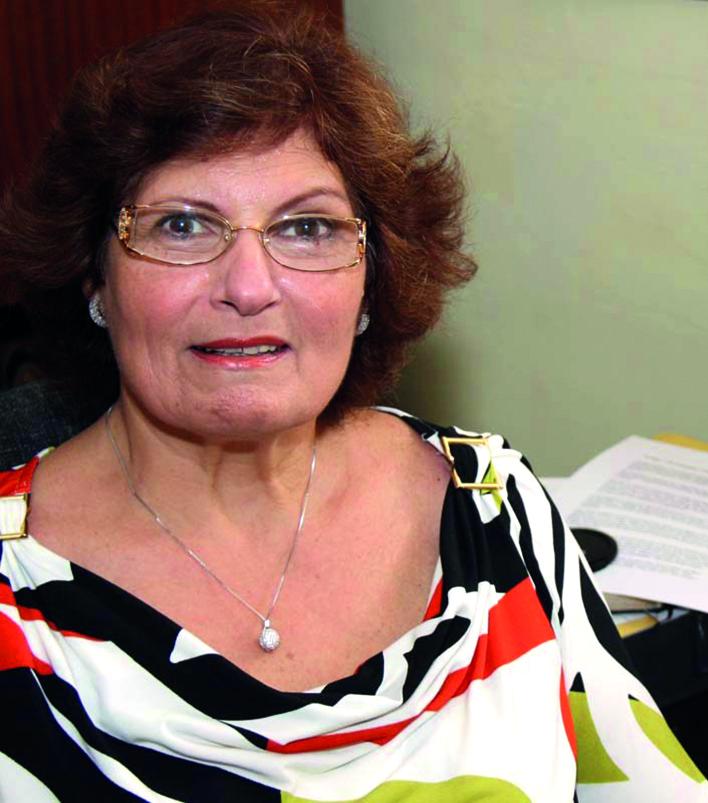 Renee Laiviera
Renee Laiviera is commissioner, National Commission for the Promotion of Equality.