From advisors to navigators
Future-proofing HR and career guidance professionals
Last year marked an important milestone for Malta’s skills landscape, as the National Skills Council (NSC) partnered with the University of Malta’s Centre for Labour Studies (CLS) on a research initiative focused on two key professions at the heart of the country’s workforce development: Career Guidance and Human Resources. This collaboration represents an effort to systematically explore the present and future skills needs of practitioners within these professions. Furthermore, this project was designed not only to undertake research, but equally to translate this research into practice by engaging professionals through targeted training and knowledge‑sharing activities.
Career guidance and HR are two professions that play pivotal roles in shaping Malta's labour market resilience. Career guidance practitioners support individuals navigate learning and employment pathways, while HR professionals shape skills development and workforce capacity within organisations. Both professions influence how Malta adapts to economic shifts, technological developments, and changing workforce expectations.
Recognising their strategic importance, the NSC commissioned the CLS to lead a structured, evidence-based study examining the current and future competence needs of both professions. The research component of the project is being led by Professor Manwel Debono, Director of the CLS, overseeing the Career Guidance aspect and Dr Luke Fiorini, Senior Lecturer at the CLS, leading the HR research. Their work forms part of a wider national effort to ensure Malta’s skills ecosystem remains proactive, aligned with international standards, and responsive to ongoing transitions in the world of work.
A central pillar of this collaboration is its commitment to knowledge transfer. While the full research findings will be published later this year in an academic paper, the NSC and CLS have already prioritised making the research accessible to practitioners in both fields.
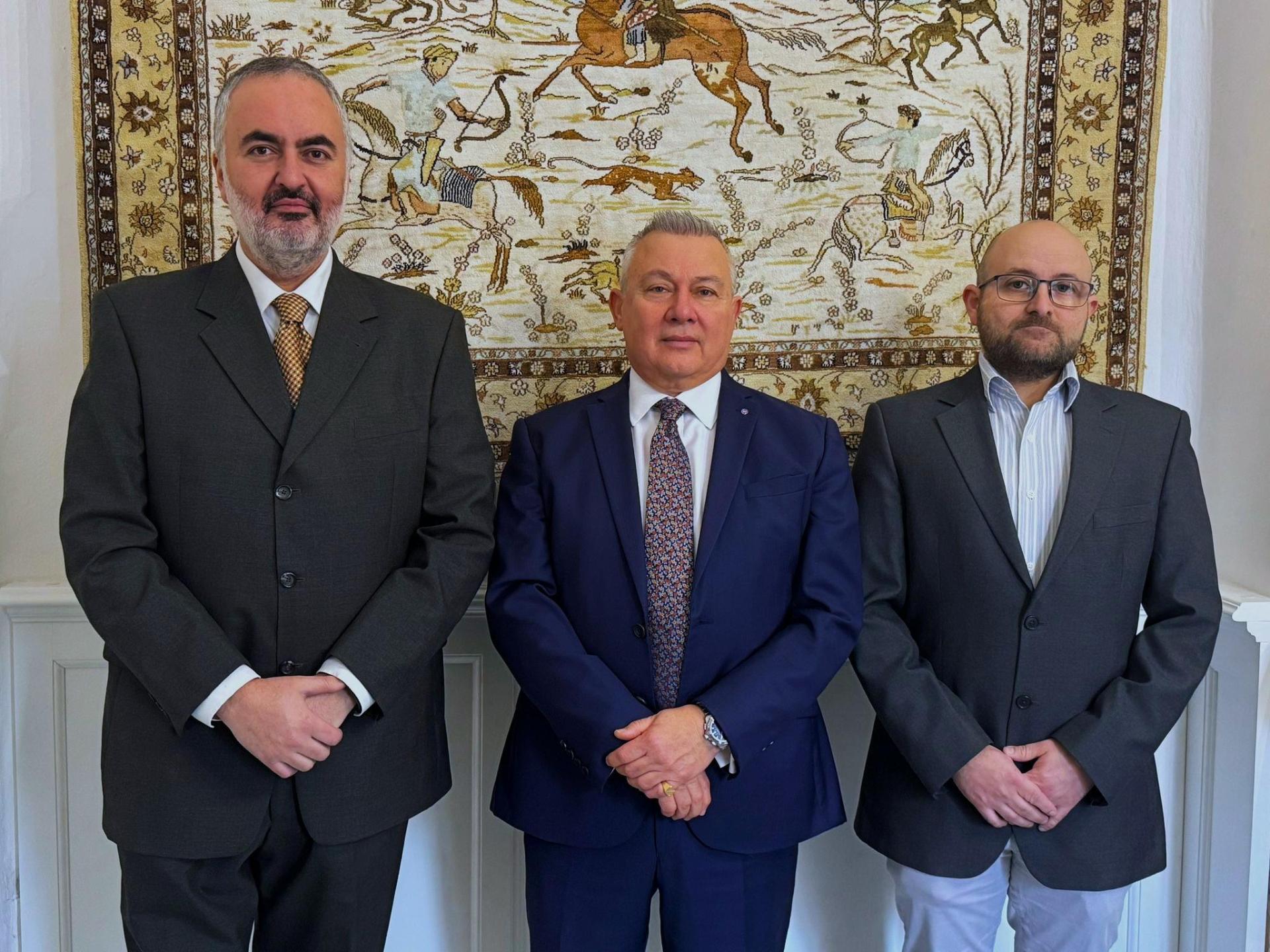 As Malta continues to navigate rapid shifts in the world of work, the NSC remains committed to promoting professional development and cross sector collaboration.
As part of this collaboration the NSC and CLS organised, designed and delivered a total of eight workshops targeting professionals across the two professions. This workshop content was developed directly by the researchers themselves to ensure that the information was relevant, evidence-informed, and grounded in the emerging themes from the study. The sessions were designed to equip participants with clearer awareness of the evolving skills and competences shaping their professions, and to encourage shared dialogue on how these needs can be addressed within their respective contexts.‑The career guidance workshops welcomed practitioners from the education system - including those from state, church, independent schools and post-secondary institutions - and beyond, including guidance teachers, PSCD educators, and students with an interest in the field. Meanwhile, HR workshops engaged professionals from both the public and private sectors, together with early‑career practitioners exploring HR pathways.
While the workshops represent a major achievement, they form just one part of the wider project. The collaboration will conclude with the academic dissemination of research later this year. This ensures that Malta will benefit not only from practitioner‑focused training, but also from a robust body of evidence to inform ongoing policy development and future strategies.
As Malta continues to navigate rapid shifts in the world of work, the NSC remains committed to promoting professional development and cross sector collaboration. The partnership with the University of Malta’s CLS reflects this commitment, ensuring that those working closest to learners, employees, and organisations are equipped with the knowledge and competencies needed to support Malta’s economic and social wellbeing.
The findings emerging from this study, together with the discussions held during the workshops, will support ongoing work to build clearer professional pathways, reinforce competence standards and ensure that these two professions continue to contribute effectively to Malta’s skills development priorities.