We are entering the age of AI. Where does that leave artists?
Artists and their heirs will need stronger legal protections in this new age, says Sandro Debono
In spring 2026, Dataland, the world’s first museum dedicated entirely to AI art, is expected to open in Los Angeles, California. The project, a cultural space rather than a traditional museum, is the brainchild of Turkish American artist Refik Anadol, known for his pioneering large-scale, immersive artworks created with artificial intelligence.
This moment matters way beyond California. The optimistic narrative is that Dataland shall celebrate a new medium capable of generating powerful aesthetic experiences.
Elsewhere, artists are increasingly alarmed by how AI systems have been and are being trained by harvesting data at scale with little regard to intellectual property and ownership.
This is at the heart of ongoing litigation in the United States, where artists are challenging whether this practice constitutes a lawful practice worthy of compensation if it does not.
At this point, the question is no longer whether artists can harness artificial intelligence to produce compelling work. The issue at stake is all about determining the extent to which AI replaces or expands human creativity.
Bottom line, the issue is copyright, its safeguards and appropriate regulatory frameworks. The latest developments suggest this matters more and more.
In October 2025, Italy took a decisive step forward, introducing legislation that explicitly ties copyright protection for AI-assisted works to substantial human intellectual contribution. The principle here is that technology may assist but authorship cannot be automated.
Copyright law, after all, was conceived around human authorship and the protection of creative labour that is intrinsically human.
In the United States, copyright law similarly requires human authorship. Works generated entirely and autonomously by AI systems, without meaningful human creative input, are not copyrightable.
For Malta’s creative ecosystem, the starting point for any serious discussion about AI must therefore be copyright.
Not ethics in the abstract, not innovation for its own sake but an answer to the very basic question of how human creativity is regulated and protected.
Copyright cannot be ignored, suspended or assumed away. It remains with the artist throughout his lifetime and, after death, with his heirs or estate for a further 70 years.
Put simply, an artist’s body of work is protected by copyright for decades, regardless of whether it is exhibited, digitised or made publicly accessible.
Copyright governs reproduction rights, including exhibition catalogues and merchandise, but it also regulates access to digital assets. This is the area where artificial intelligence is increasingly present.
Access does not cancel authorship, nor does digitisation dissolve copyright. Rights may be licensed, including for commercial use, but they are never automatically forfeited.
The issue at stake is all about determining the extent to which AI replaces or expands human creativity- Sandro Debono
Maltese arts and culture institutions, particularly museums, play an important role in this respect. Across Europe, museums actively manage relationships with artists, estates and collective rights organisations or artists’ rights societies such as ADAGP in France, DACS in the United Kingdom or VG Bild-Kunst in Germany.
These societies act as intermediaries between artists and users, including museums, art galleries and cultural institutions. Rights clearance is routine professional practice, supported by dedicated rights managers and legal expertise.
The Tate Museum network in the United Kingdom, for example, has established agreements covering tens of thousands of in-copyright works. When acquiring or exhibiting contemporary art, it routinely secures non-commercial licences that allow documentation, education, research and promotion, while reserving commercial uses for separate negotiation.
Malta is missing this infrastructure and the culture that fosters it. While the legal framework exists, it remains largely inactive in practice.
Indeed, most arts and culture organisations do not maintain comprehensive copyright records and continue to operate under the assumption that institutional ownership implies freedom of use.
Informal understandings may have sufficed in the past but they are no longer adequate in a digital, legally complex environment increasingly dominated by AI.
One possible way forward would be to establish a national creative copyright office, entrusted with managing rights associated with estates, donations and acquisitions and liaising with arts and culture institutions in due course. Policies and procedures are necessary requirements, too.
Artificial intelligence highlights not so much a deficiency in Malta’s copyright law as the need to apply it more consistently in practice.
As AI becomes increasingly present in artistic production, the priority should be to ensure that existing legal protection for artists and their heirs are properly understood, implemented and managed.
Copyright unquestionably holds as the framework that clarifies the relationship between human creativity and technological assistance.
Strengthening rights management, licensing practices and institutional awareness will be essential if AI is to be recognised as supporting, rather than undermining, creative labour.
Protecting the artist in the age of AI ultimately depends on reaffirming the central role of human authorship within a rapidly evolving cultural landscape.
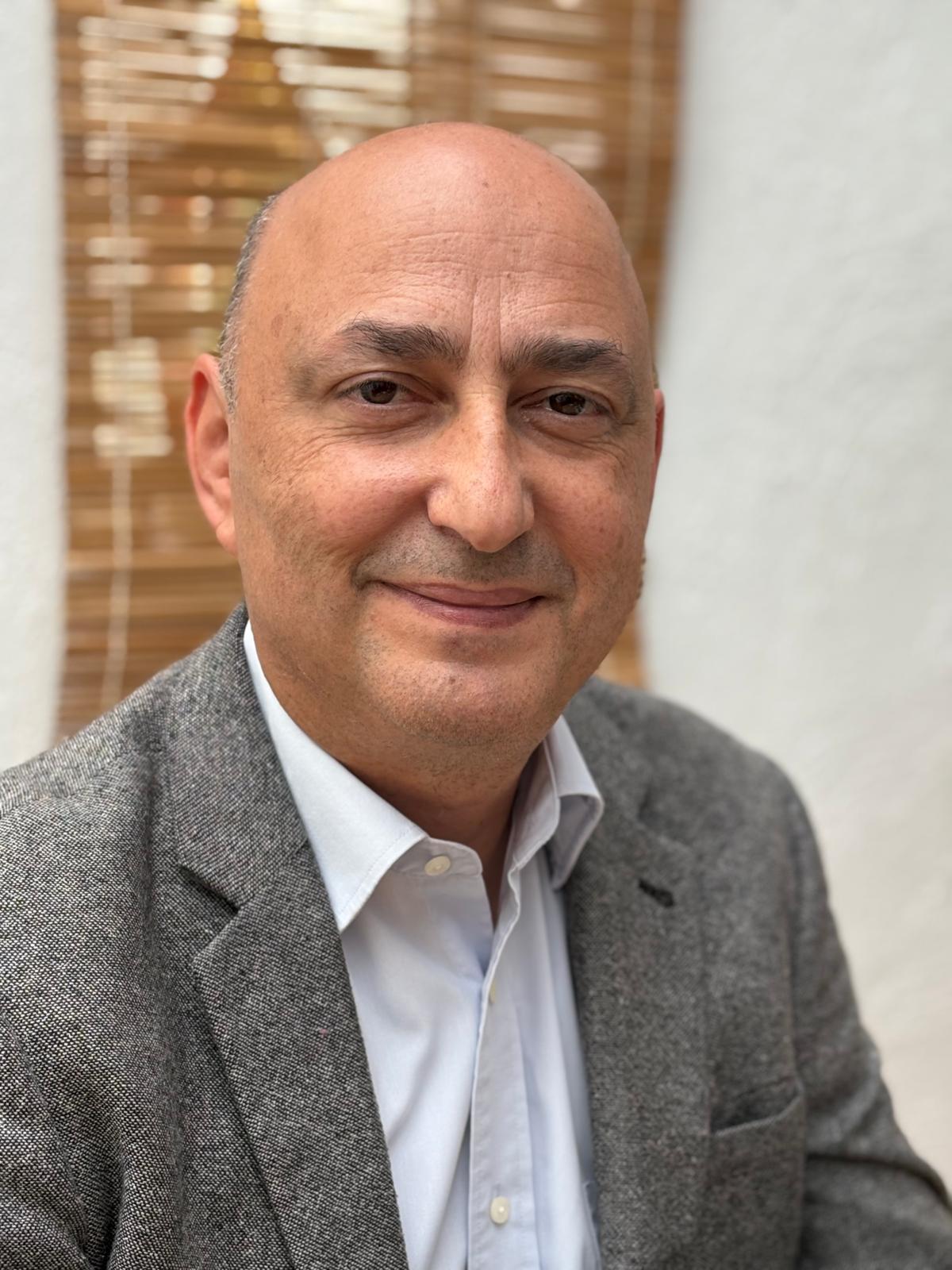
Sandro Debono is a museum thinker, consultant and academic.