Air raid shelter construction in Malta, 1935-1942
By November 1941, there was enough underground shelter space for the islands’ entire population
Before enemy aircraft ever attacked Malta during World War II, the island had made extensive preparations to withstand them. When did Malta realise it needed shelter from aerial threats and how did rock-cut shelters come about?
In June 1939, a bomb exploded in Għallis. It damaged two buildings nearby but the blast was largely deflected by two stone walls. This was an experiment, part of ongoing testing to determine the effects of bombs on local masonry. For this particular instance, suitable land and buildings were found close to the Għallis tower.
The navy wanted to test the effectiveness of blast walls and the army was interested in the protection offered by trenches.
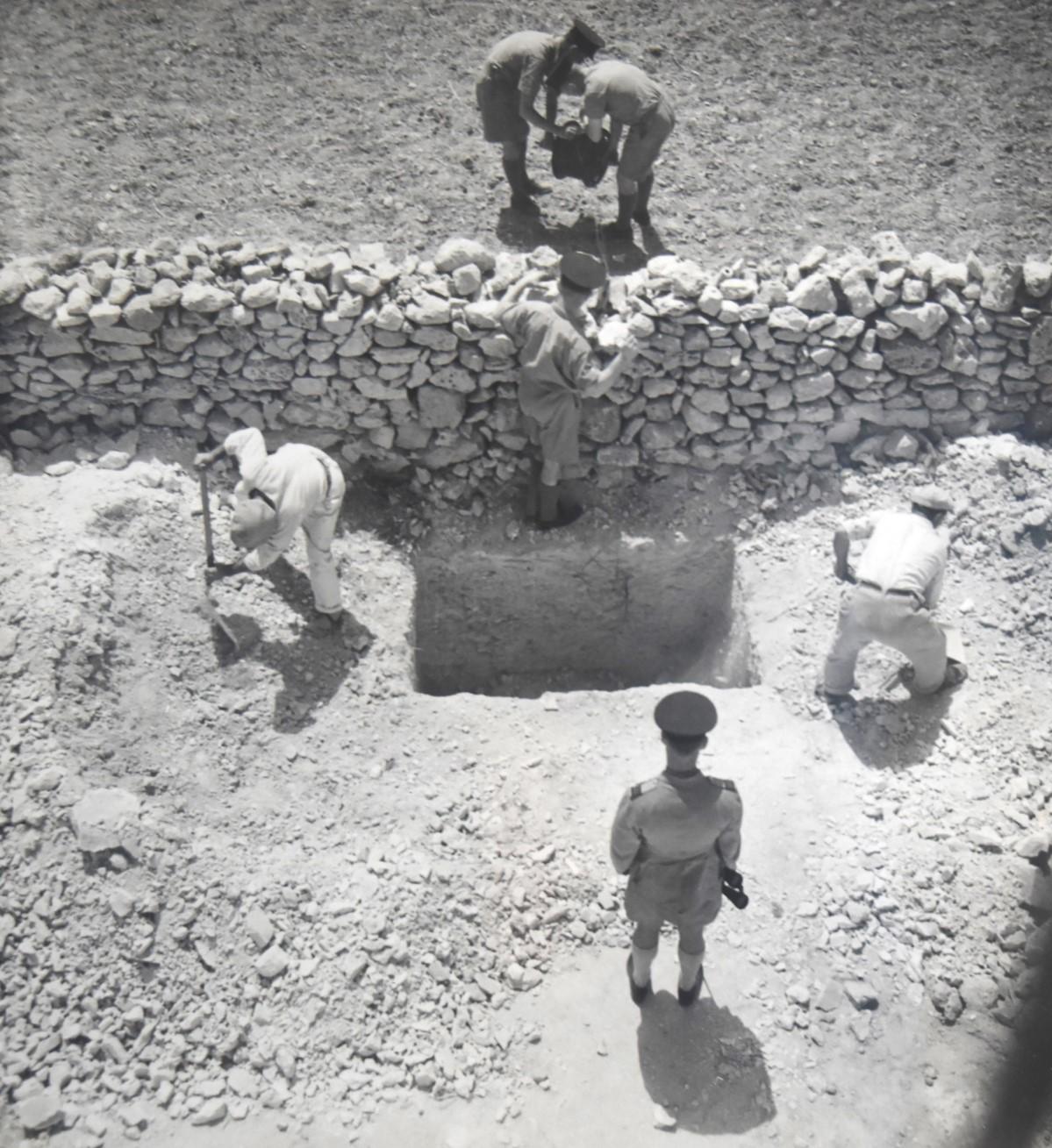
Digging a pit for the experiment.
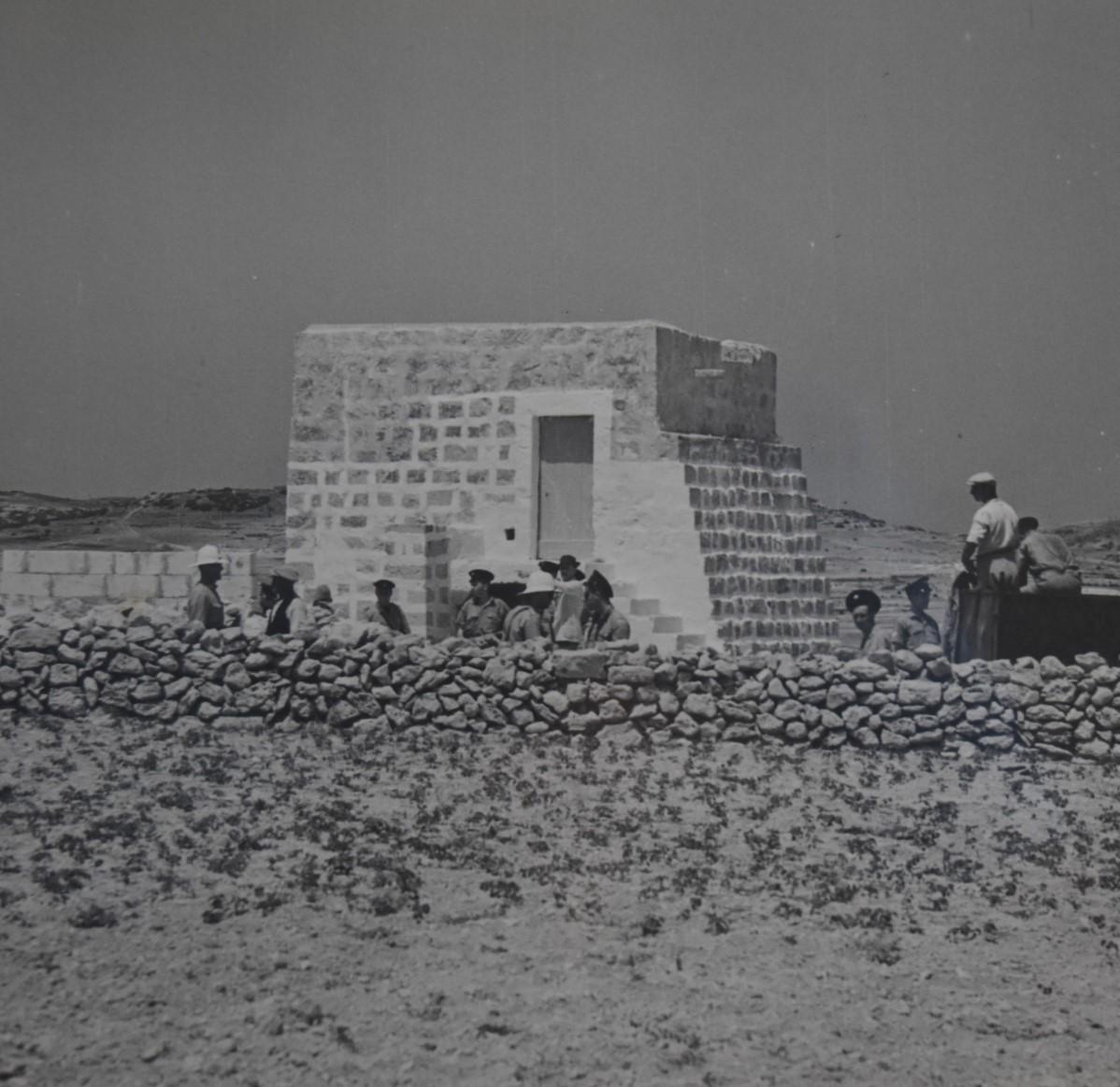
The building used for the experiment.
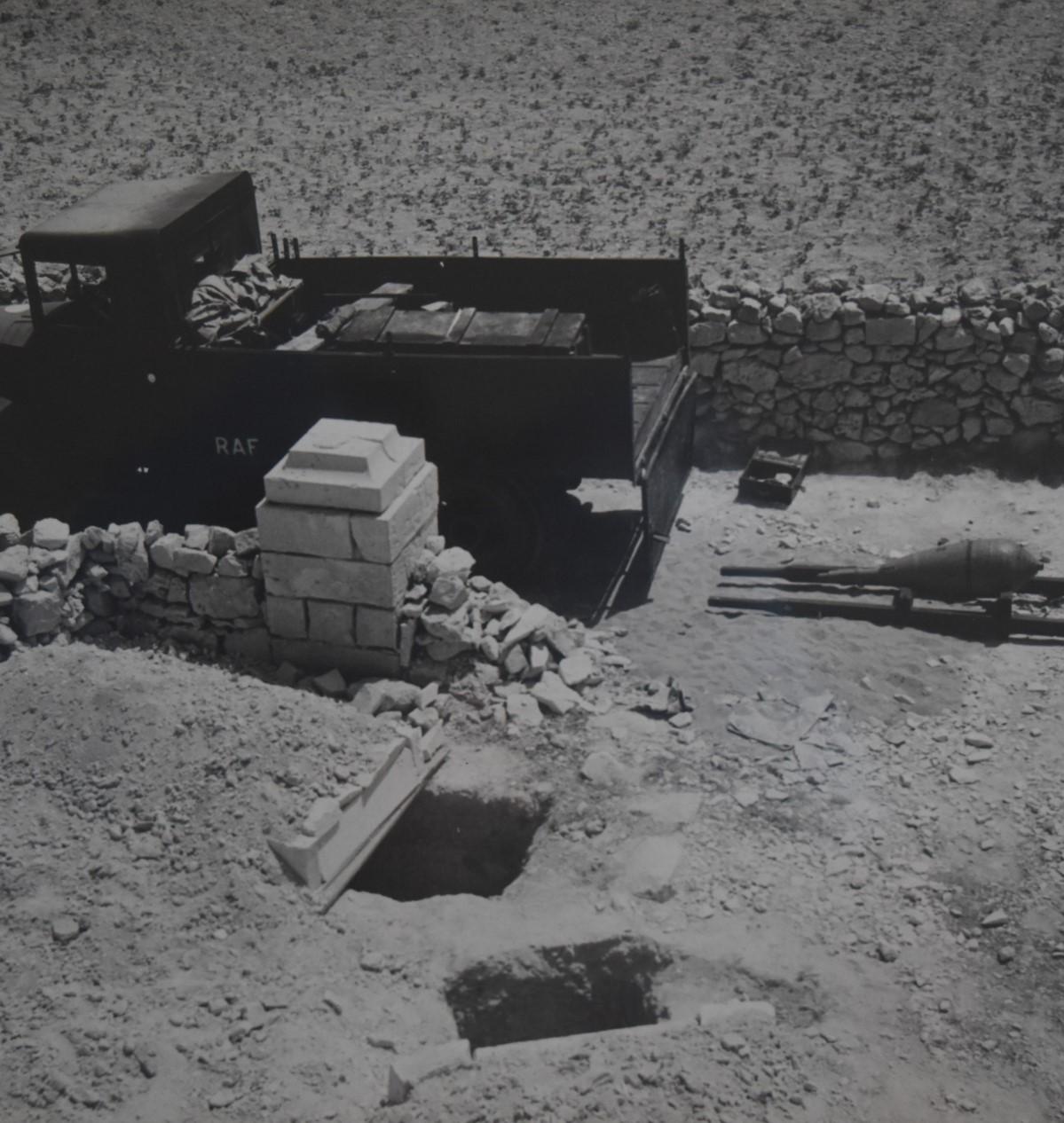
The bomb delivered by the RAF.
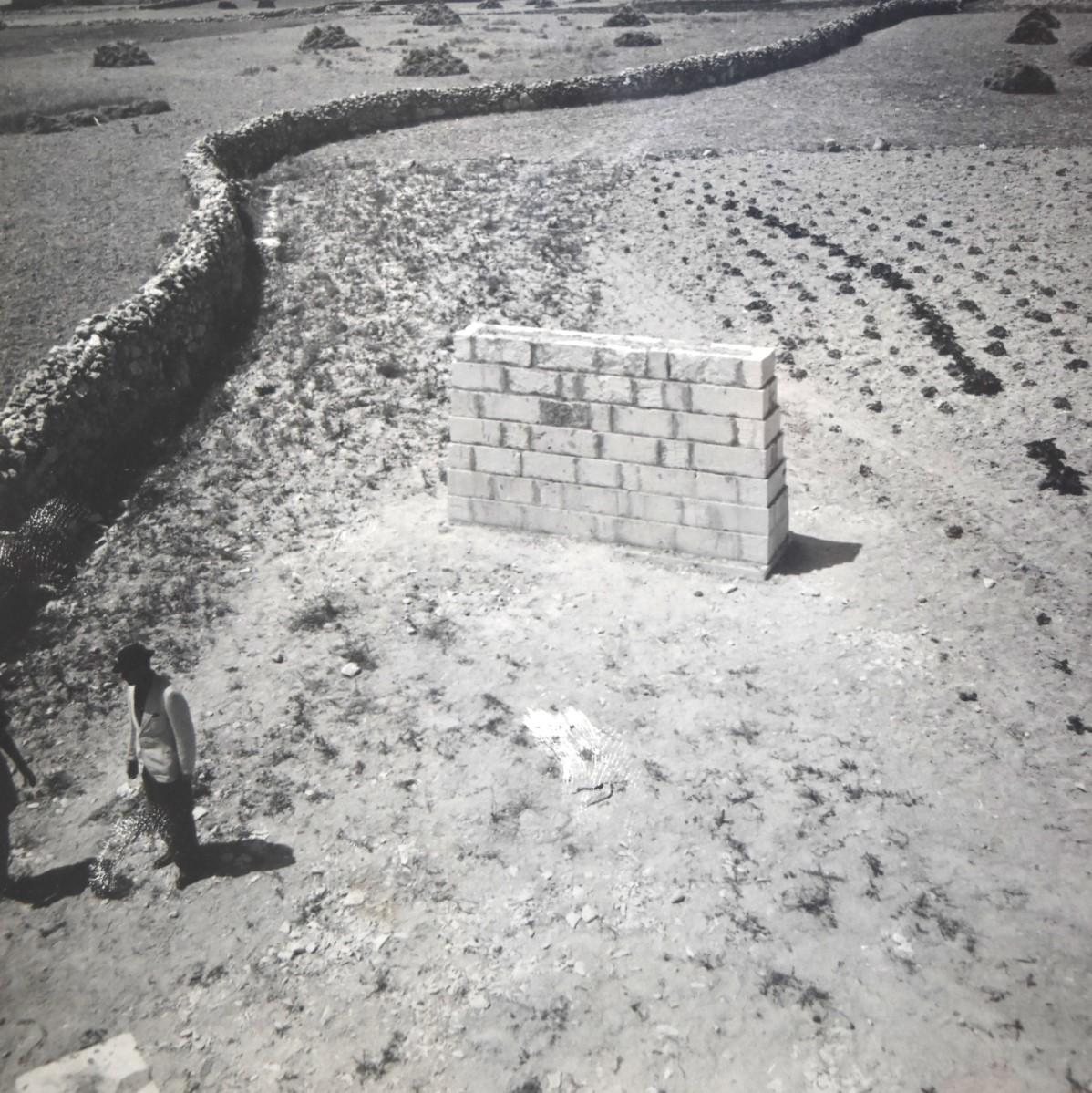
A blast wall constructed for testing purposes.
The Royal Air Force provided the ordnance needed for the study. The fact that the explosion of the 550-poind bomb occurred inside a pit had some effect in absorbing and deflecting the bomb’s blast and shrapnel, something that was noted in subsequent references to the test. Nonetheless, it was reported that:
“The conclusion to be drawn from the experiment is that the type of building in Malta provides very reasonable protection from all except a direct hit and that therefore persons would be well advised to remain indoors during an attack rather than run outside where they would be exposed to danger from splinters.”
The rock-cut shelters all around Malta we are familiar with were far from the ideal all-round solution in the local government’s mind in the early 1930s. In progress reports, air-raid shelters are only mentioned as part of Malta’s passive defence preparations in the “vital sector” (the Grand Harbour cities) and Ħamrun.
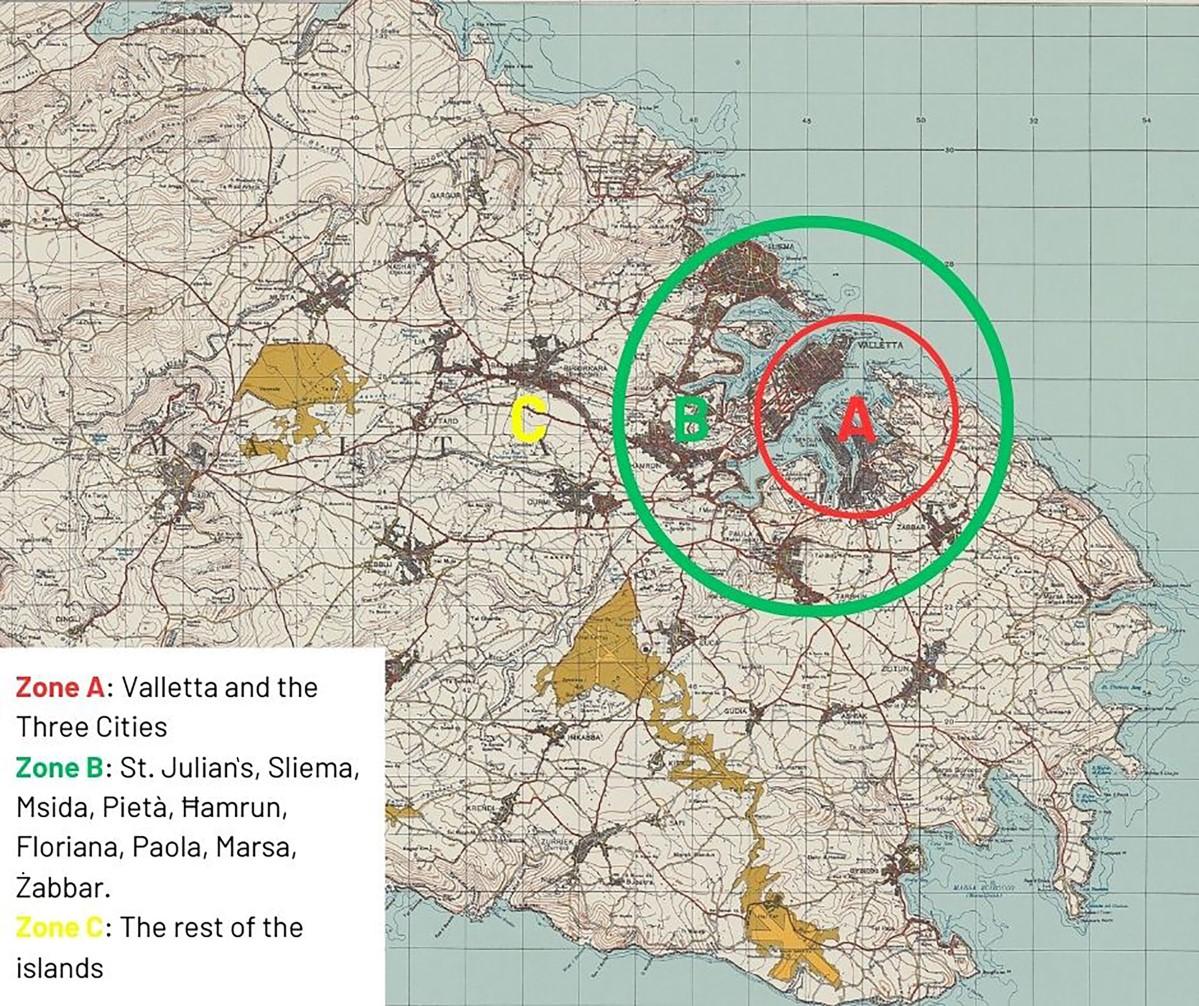 The distribution of shelter zones as presented in Kirwan and Sumner’s original report in 1935: ‘A’ being the zone most likely to suffer from attacks.
The evacuation of civilians to tents and accommodation outside of the “vital areas” was planned as early as 1935, together with the organisation of Malta’s passive defence, which started in December 1934: the first meeting of the Air-Raid Precautions (ARP) committee.
A UK delegation of ARP and chemical research representatives (Kirwan and Sumner) arrived in Malta in September 1935. They found Maltese houses to offer sufficient level of protection against explosives; churches were deemed to be “solidly built”, and the presence of priests highly beneficial to calm sheltering refugees.
“Do not panic and on no account run” said the air commodore for RAF Mediterranean in August 29, 1935, “as this is apt to lead to panic in others. Stop others panicking. Panic is more dangerous than bombs”.
The government did not want people to think their rock-cut shelters were unsafe
 Passive defence/ARP simulation training in Valletta. From the Times of Malta, 1938.
Gas was the more likely threat. It was recommended to send samples of Malta stone to the UK for testing to determine the effect of gas on it. One cannot overstate that, for many years, gas was considered the most probable danger. People were instructed to make gas-protected rooms in their homes. This was done by placing wet blankets in the doorways and windows of a second-floor room, among other measures.
However, soon enough it was anticipated (after seeing aerial attacks, such as those against Barcelona in 1938) that high-explosive bombs would more likely be the enemy’s weapon of choice. Measures against such bombs were subsequently elevated to the same importance as those against gas attacks. By November 1938, improvised shelter was available for 14,000 out of 34,000 people in Valletta. Reinforcement of basements in countryside buildings was considered, as well as steel Anderson shelters.
Imperial funds were put into an approved shelter construction scheme and works began in Senglea. It was known that the durability and effectiveness of shelters greatly depended on the quality of the rock in which they were cut. Despite this, shelter construction of different types started slowly.
In December 1939, a special delegation from the civil engineering consultancy firm of Sir Alexander Gibb arrived in Malta to prepare future plans for shelters in the harbour, its suburbs and villages close to aerodromes.
The “Gibb scheme” was received in Malta in April 1940, by which time shelters became an urgent matter to address. Tunnel shelters were recommended, similar to the ones that were already being built by the Public Works Department in Senglea.
Gibb’s deep-shelter plan cost around £300,000 and would have taken three years to finish. Work started but it never materialised. When the first bombs were dropped over Malta in June 1940, the planned shelters came into use, the harbour area started to evacuate and people living in remote areas were encouraged to dig trenches or take shelter in their own homes.
The colossal task of constructing deep shelters was abandoned
In this initial period, the long-term deep-shelter scheme had to be abandoned. Instead, a lot of effort was put into the construction of temporary shelters: strengthening buildings and identifying rooms or cellars in houses suitable for this role. Caves and catacombs also became shelters. By late 1940, strutting and shoring were some of the means by which reinforced rooms became air-raid shelters.
Even without the costly deep-shelter scheme, the expense of constructing blast walls in front of all doorways was too expensive. Bricked-up doors and windows with small gaps became a viable alternative to make more rooms and buildings resistant to bombs.
Sandbags were also purchased and distributed to make rooms “splinter-proof” by blocking windows, such as those of operating theatres in various hospitals.
Shelters were constructed either above or below ground. Small rooms were also erected by roadsides to protect passersby from splinters and blasts. “Caterpillar” or “synthetic sphinxes” shelters started to pop up near popular streets and bus routes.
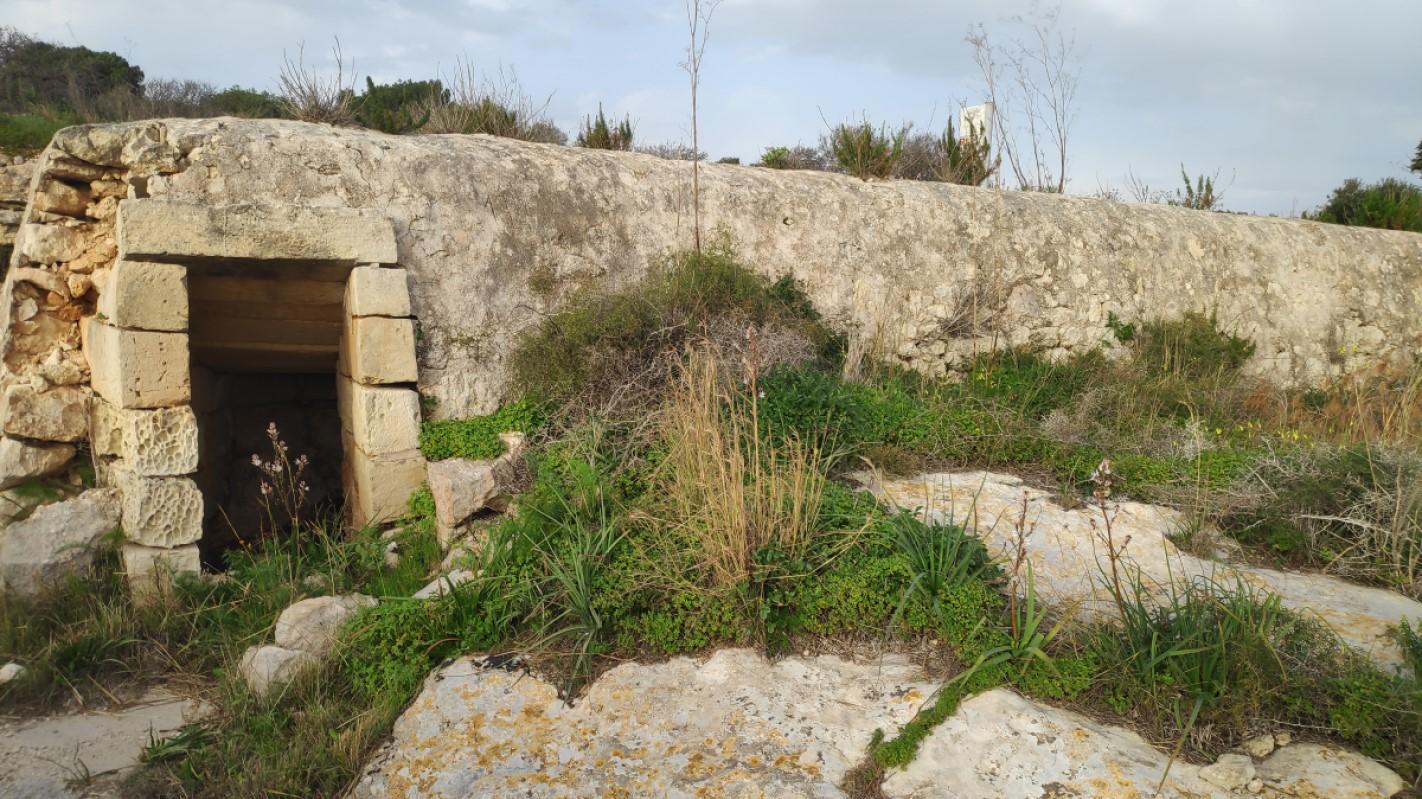
A surviving slit trench or ‘caterpillar’ shelter.
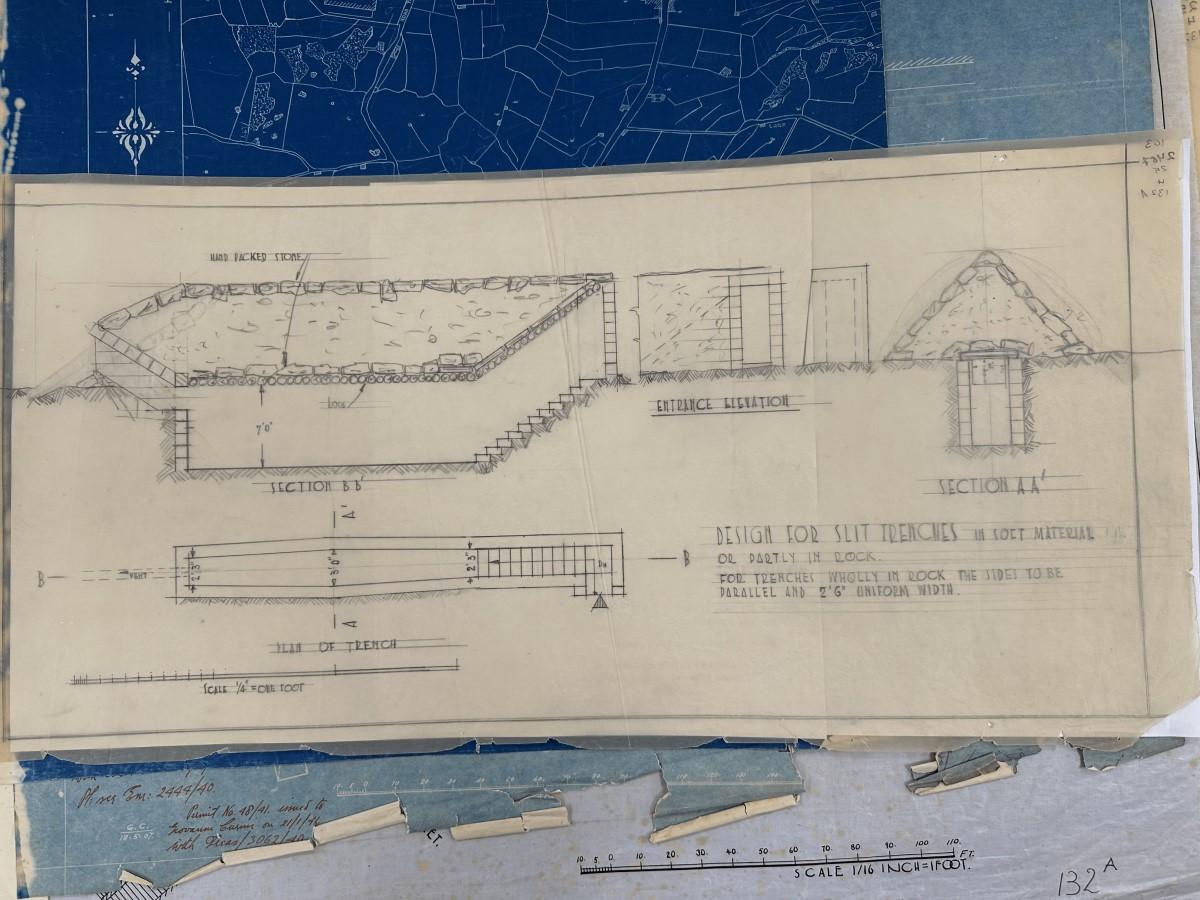
Design for slit trenches. Public Works Archive.
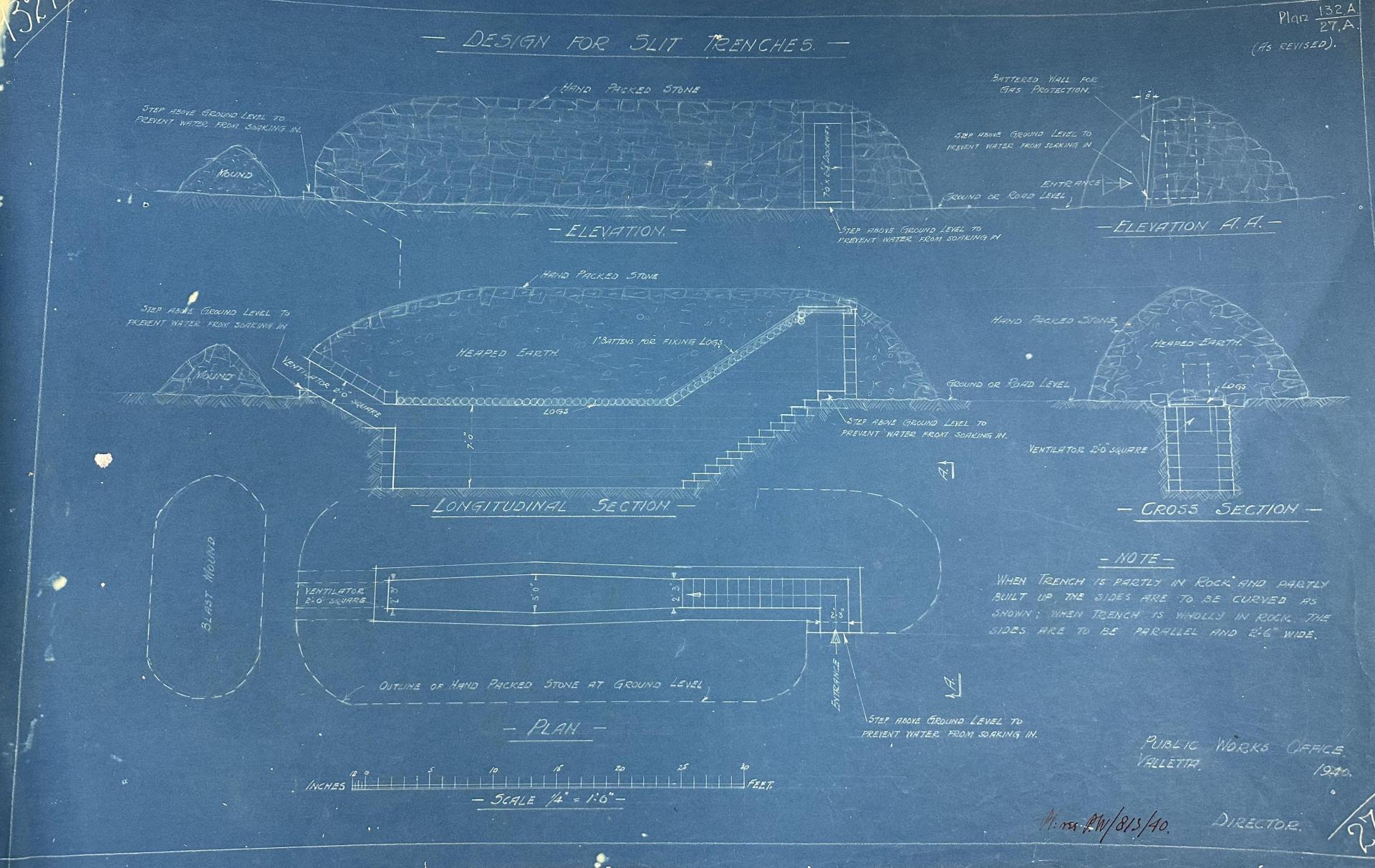
Design for slit trenches. Public Works Archive.
Just before the outbreak of war, shelter construction was distributed across the services to ramp up construction. Later on, work was split between a Shelter Construction Department (SCD) and the Public Works Department (PWD).
In 1940, Navity was appointed supervisor of shelter construction. He, together with help from the Superintending Civil Engineering and the PWD, set out a comprehensive shelter construction plan for each village (placed in ‘zones’ based on population statistics), which started off in September.
Cellars and strong rooms were incorporated into the plan, sometimes connected through rock-cut tunnels. However, it was noticed that people preferred to stay in the passageways rather than the reinforced rooms. The public felt safest in rock-cut spaces.
To this end, between January and November 1941, especially after the Illustrious Blitz, all effort was dedicated to the construction of rock-cut shelters, forfeiting plans for other types. It was realised that, in fact, the best protection was afforded by rock-cut shelters which, unfortunately, were the most expensive and time-consuming type of shelter to produce.
“We have to concentrate on that particular kind of shelter,” said the lieutenant governor to the Council of Government on January 23, 1941. “I am far from saying that the other types of shelters which we have been constructing are not every bit as good, but still the people do not like them and what we want to do is to give them confidence in the shelter that is being provided for them.”
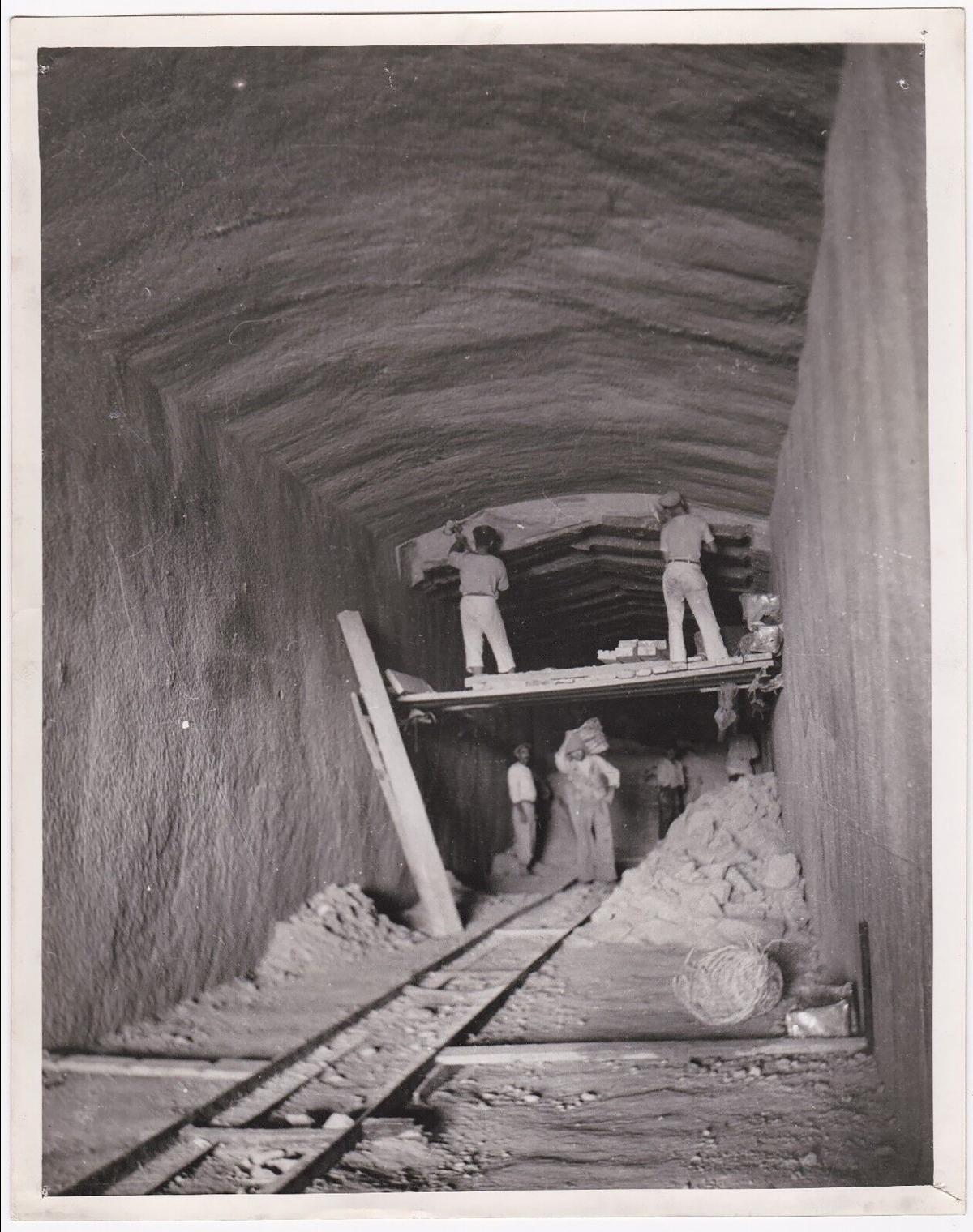 Maltese labourers working on a deep shelter used to protect supplies brought in by convoys in 1942.
Public rock-cut shelters were constructed as quickly as possible and were not always up to standard. Private shelters were often dug without permission or proper planning, causing time-consuming damages to nearby wells and sewage. Despite this, the public was encouraged to dig shelters or extend those extant. Training for miners was provided and tools manufactured locally.
Problems ensued with people refusing to build anything but enough shelter for their family, ignoring advice from the SCD, and wealthy individuals paying high wages to skilled labourers urgently needed elsewhere, eventually forcing government intervention.
By November 1941, there was enough underground shelter space for the entire population – 270,323 people, each allotted approximately two feet of space (later increasing to four), with room to spare for many more, not to mention underground storage for precious supplies brought in by convoys.
Later on, the real effectiveness of such “economic” shelters revealed itself through experience. It resulted that shelters with less than 20 feet of rock cover were at risk of collapse from the pressure exerted by a bomb detonated above them. This was a worrying figure, since most shelters in Malta only had around 15 feet of overhead cover. Several shelters, private and public, collapsed from a direct hit, trapping or entombing several people, despite the efforts of the Demolition and Clearance Department to save individuals.
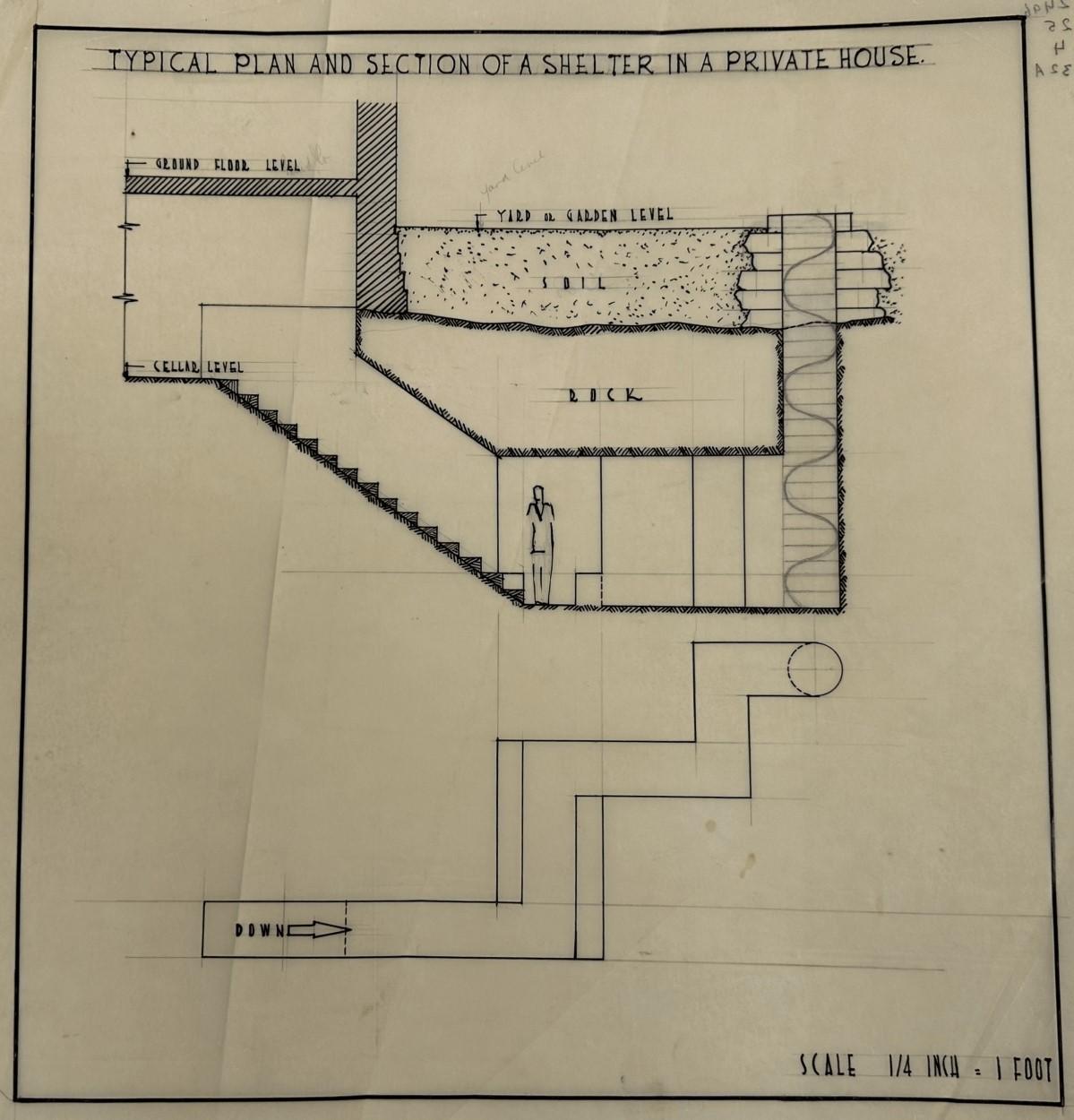 A typical plan and section of a shelter in a private house. Public Works Archive.
In 1942, a report was issued on the effectiveness of Malta’s rock-cut shelters when compared to concrete or hard-chalk shelters in the UK. The Ministry of Home Security advised on minimum requirements needed for a shelter to withstand the biggest possible threat: a direct hit from a 1,800kg bomb with a delayed-action fuse dropped from 10,000 feet. For a second-class limestone tunnel-shelter without concrete lining, it needed to be at least 60 feet below ground. This could have been reduced to 45 feet if nine inches of reinforced concrete lining was also used.
Despite offering inadequate protection against all possible threats, people were managing with 15-foot-deep shelters and the colossal task of constructing deep shelters was abandoned. Moreover, the government did not want people to think their rock-cut shelters were unsafe.
Acheson, from the Colonial Office, noted in September 1942 that “as long as the people have confidence in the shelters and are fed, there is little to fear”.
When asked for his opinion, Lord Gort himself sent a telegram in October 1942 to the Secretary of State for the Colonies, advising against the undertaking of a deep-shelter construction project, stating that out of 2,000 shelters, only 36 were damaged, of which only three were penetrated. The risk of losing the public’s confidence in shelters was a bigger concern.
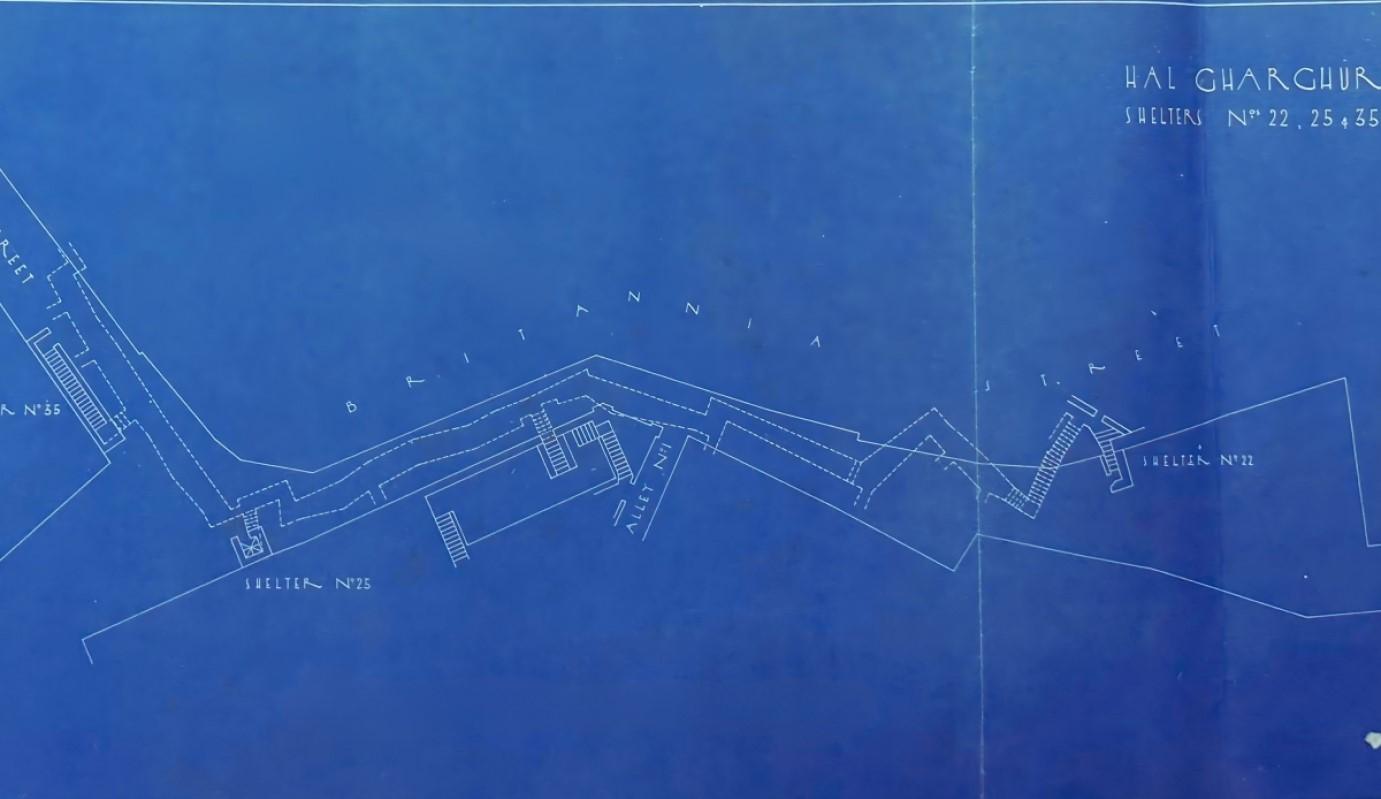 Plan for a typical public shelter in Għargħur.
Shelter construction gradually reduced as air raids ebbed away from the island.
Many years later, the experience and lessons learned from underground construction during the war were certainly remembered and applied. Many military and civilian facilities for administration and storage were built underground, with adequate concrete protection from future threats.
Nikolai Debono is a member of Battlefront Malta.