Annalisa Minetti warns against digital isolation during Social Justice Week
Minetti, union leaders, NGOs and cancer patient highlight digital risks, prejudice and healthcare uncertainty
Social justice advocate Annalisa Minetti, who lost her eyesight at the age of 18, has warned about the dangers of ignoring the social realities faced by others and stressed the importance of keeping children “in the real world” rather than in a false digital environment that risks isolating and endangering them.
Speaking during an event organised by the Nationalist Party as part of the eighth edition of Social Justice Week, Minetti, who is Italian, highlighted the mental health repercussions digital spaces are having on children worldwide.
Minetti is an Italian singer-songwriter, former beauty pageant titleholder and Paralympic athlete.
She emphasised the importance of being truly present for one another as a society. The event, organised by MP Ivan Bartolo, focused this year on combating indifference - the attitude of “I have enough, I will not interfere” - and the fear of engaging with the challenges faced by others.
Minetti said she accepted the invitation to speak in Malta because she recognised authenticity in Bartolo and his team. “Even if they do not come from your country, they have the real will to make a difference,” she said.
Bartolo is expected to table a private member’s bill on loneliness in Parliament tomorrow, which will include practical measures addressing the impact of social media and initiatives within schools.
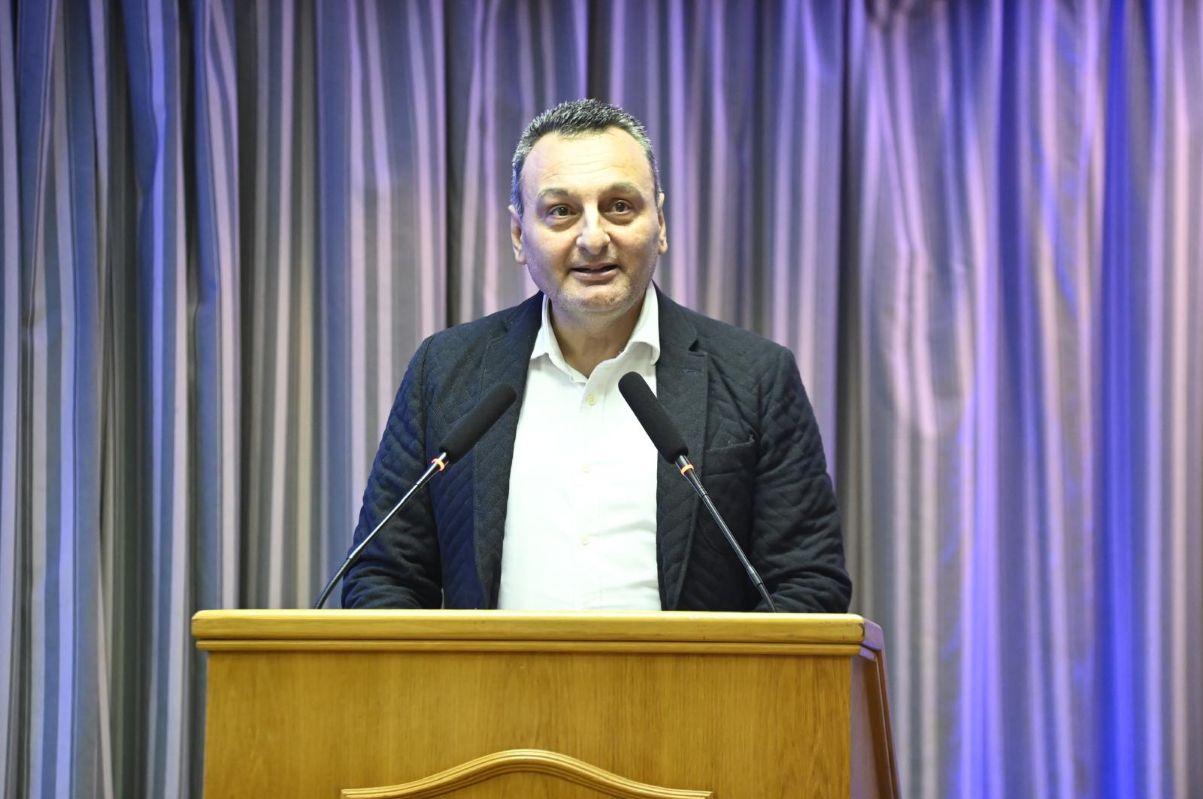 PN MP Ivan Bartolo to present a private member's bill to combat loneliness
A life of resilience and advocacy
Minetti, 49, had won the Sanremo Music Festival in 1998 and has achieved medal-winning success in Paralympic athletics despite progressive visual impairment caused by retinitis pigmentosa and macular degeneration, which left her completely blind by age 18.
Regarded as a strong voice for disability and inclusion, Minetti shared how she was told she would no longer be able to live a “normal life”.
“I was told I would no longer run, play, ride a bike, study, be a woman, have a love, or have children - because you are blind,” she said.
“I was meant to limit my existence. But we have to teach that it is will - or lack of will - that creates barriers. We must make our children independent so they can overcome obstacles on their own. We have to teach at school that possibilities are equal for all.”
She challenged traditional definitions of disability: “Disabled means without ability, and there is no person in the world without ability. We are all diversely equal and specially able,” she said.
Minetti also spoke about the importance of equipping visually impaired children with tools that foster autonomy, including Braille and, where necessary, allowing guide dogs in classrooms.
“Without seeing each other - truly recognising one another - we will never give hope to social justice. It happens when we give value to the word ‘together’ instead of isolation,” she said.
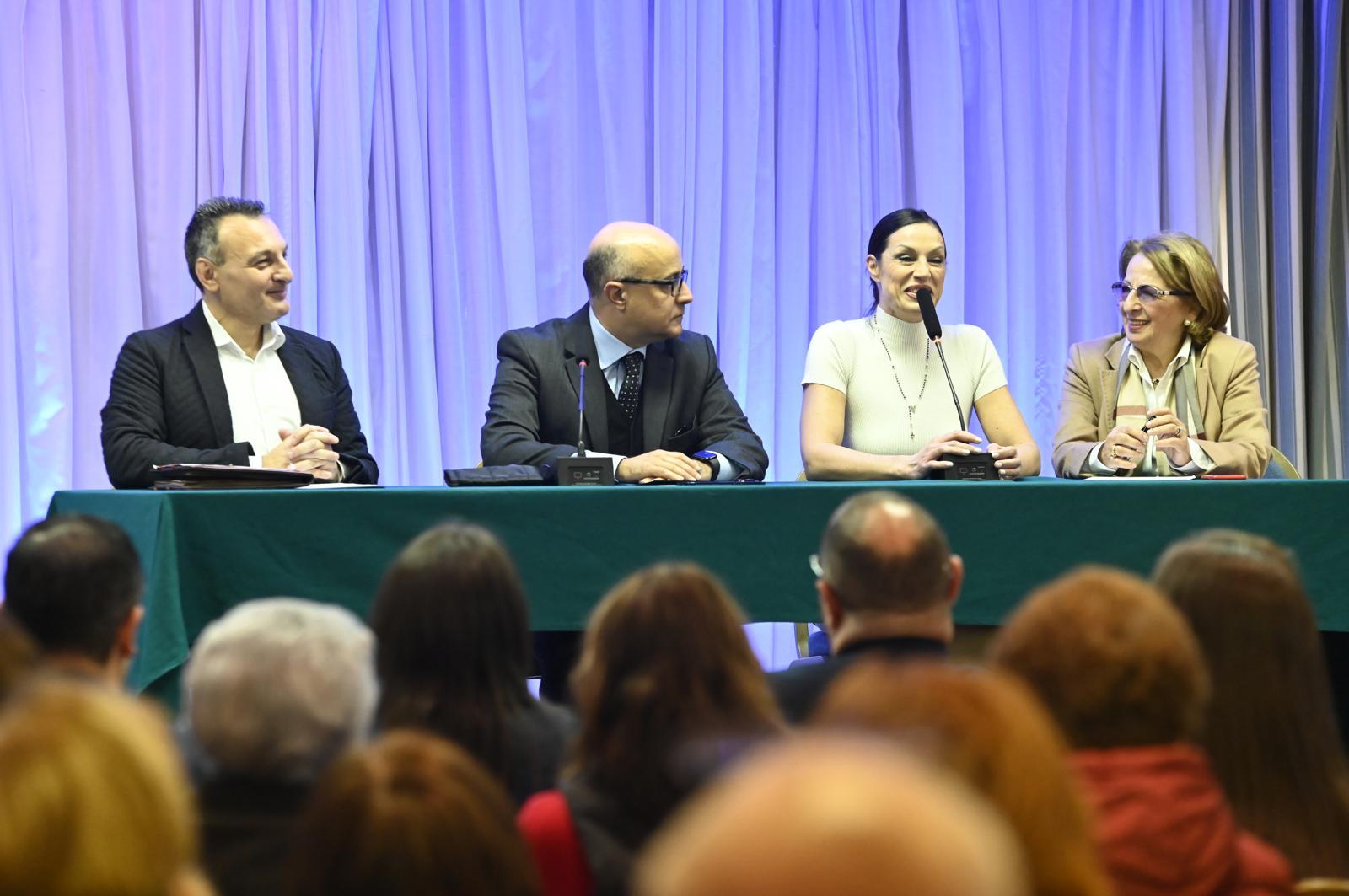 The PN organised a conference to discuss the subject of social justice.
Addressing prejudice and discrimination
Jamie Vella, president of the Nationalist Party’s Equal Opportunities Forum, spoke about the need to combat long-standing prejudice. He recounted the case of a 15-year-old transgender girl who attempted to take her life three times due to bullying, in a society that wrongly assumes the LGBTQI+ community “now has it all”.
Vella highlighted the difficulty of tackling hate speech in Maltese on digital platforms that struggle to moderate content in the language. He called on politicians to engage in dialogue with tech companies to address the issue, while striking a balance between protecting individuals and avoiding an overly policed society.
He emphasised the need for sustained efforts to tackle both prejudice and hate speech.
Call for equitable healthcare access
Lara Said, an academic diagnosed with multiple myeloma seven years ago, shared her experience of living with the incurable blood cancer.
She explained that while there are treatments that help stabilise the condition, access remains challenging. Five years ago, she began a treatment partly funded by the government, but she must reapply every three months to the Malta Community Chest Fund for full coverage of the medication, which costs around €7,000 per month.
“Five years ago, I could barely walk. Now I walk with a walking stick,” she said, while calling for seamless national health support. The repeated applications create ongoing anxiety, she said, as she lives with constant uncertainty.
Josef Bugeja, secretary general of the General Workers' Union, also spoke during the conference.