Architect turns construction waste into 3D-printed limestone brick
Matthew Catania has spent two years on the project, which uses crushed limestone and seashells
A Maltese architect has developed the country’s first 3D-printed limestone material, using recycled construction waste to address Malta’s growing problem with building debris.
Matthew Catania, the brains behind Ambitious, a Bio-Digital material Lab, has spent two years researching recycled limestone waste and has now developed the perfect formula to 3D-print a new limestone material.
Malta generates huge amounts of construction and demolition waste, and according to official figures, the sector produced nearly 2.2 million tonnes of waste in 2023, more than any year since 2020.
Much of the material ends up as torba, crushed limestone often used as filler under tiles or in construction works, with large quantities stored in quarries across the island.
But by combining crushed limestone and crushed seashells, the 34-year-old architect has created a new material that can be used in the WASP 40100 3D-printer, resulting in him designing a brick made from the recycled materials.
The two materials are combined with Catania’s “special sauce” binder.
Printing the brick itself takes just under an hour. While it may look fragile, it is sturdy.
“We all feel a sense of pain when we witness an old limestone building being torn down; that’s a part of our heritage being eradicated,” Catania said. “I want to make sure our limestone is safeguarded and not simply crushed into torba and thrown under our tiles. I want to find a way to bring limestone back to its glory days.”
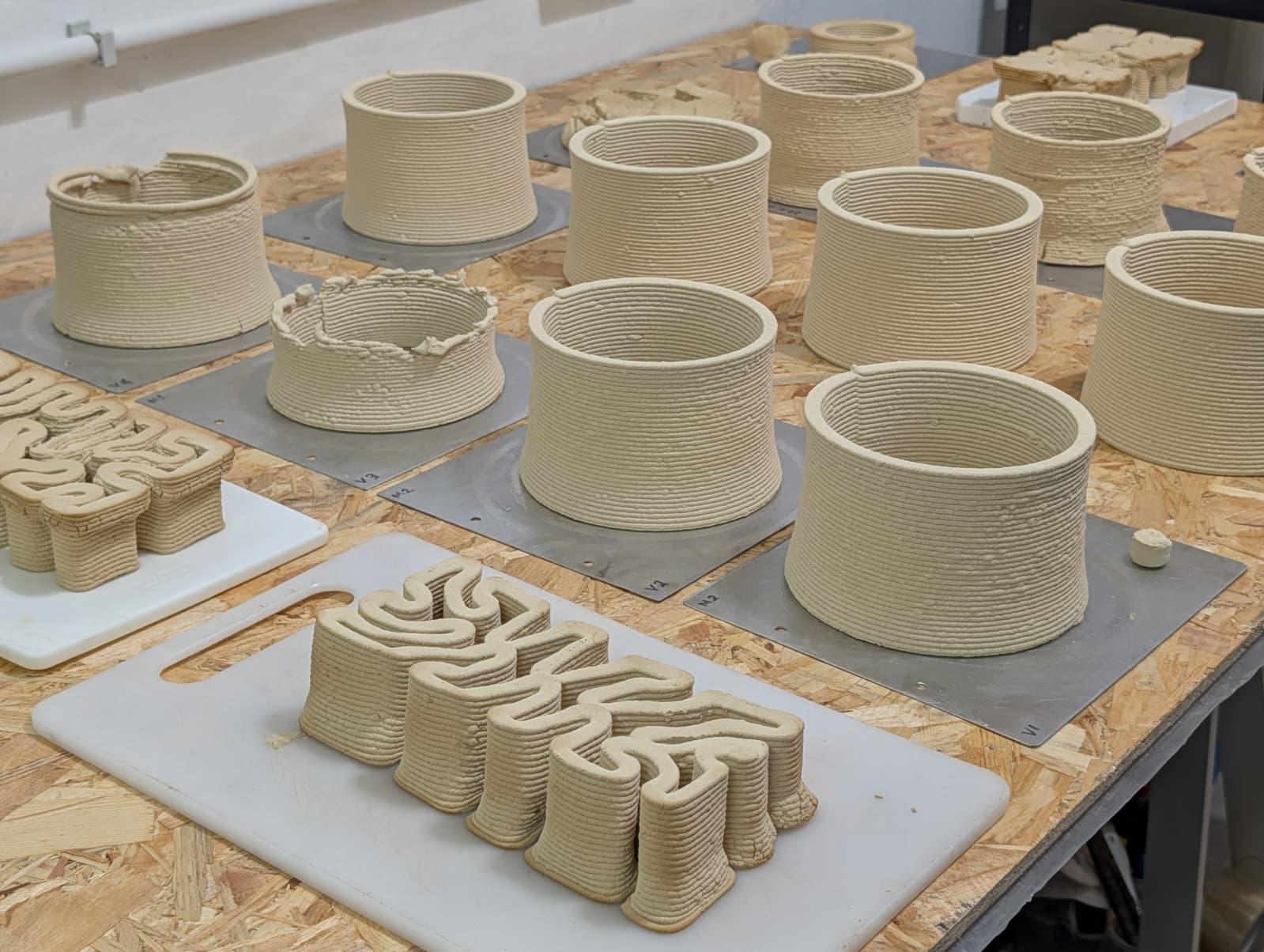 The first 3D-printed limestone bricks and discs. Photo: Chris Sant Fournier
He said Malta’s first 3D-printed limestone material could protect the country’s heritage by preventing limestone from ending up in landfill and promoting a circular economy.
The limestone was provided by construction manufacturer BilVen Ltd, while Bacchus Restaurant supplied the seashells.
The title of his 3D project is ‘Neolithic Futures’, a reference to Malta’s long architectural history of limestone construction, from the prehistoric temples of Ħaġar Qim to the historic buildings in Valletta.
Catania unveiled a 3D-printed limestone brick and disc at the MaterialDistrict Utrecht Expo, in the Netherlands, earlier this week, where he also delivered a talk on bio-digital fabrication and sustainable building materials.
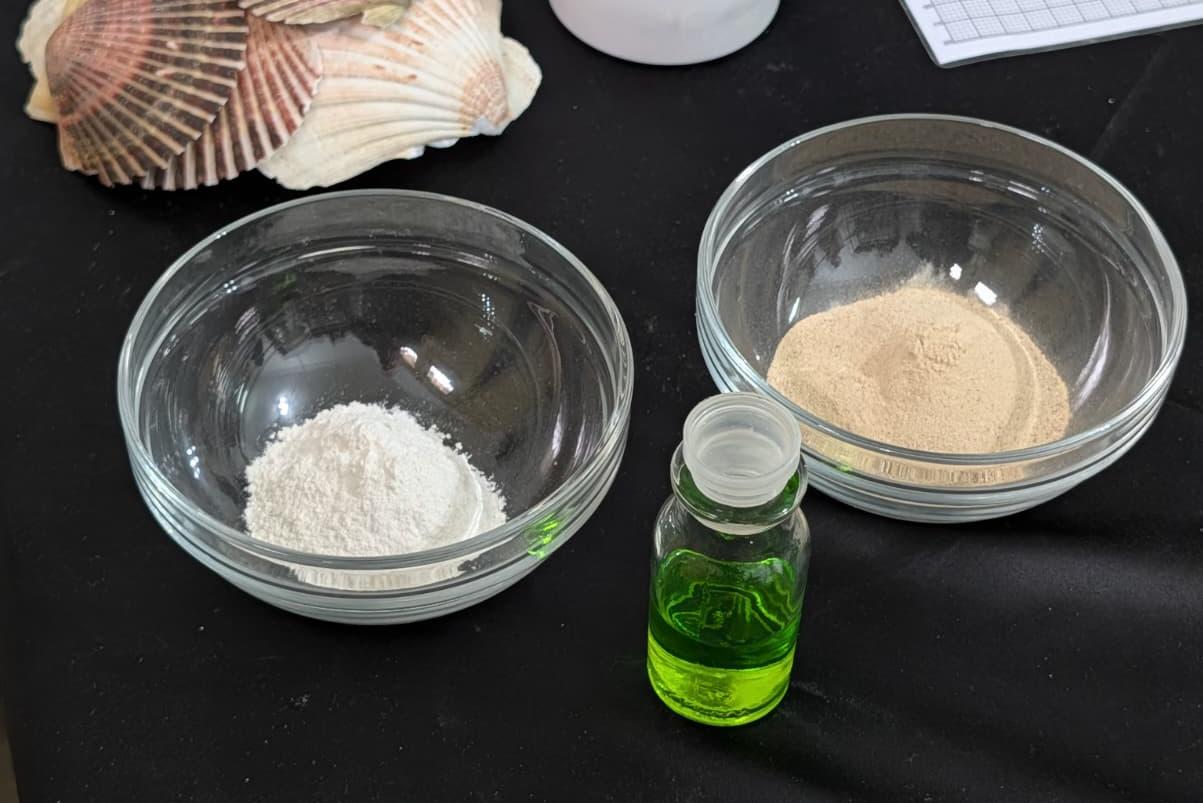 Seahells, recycled limestone and the 'special sauce' binding agent used to create the 3D limestone material. Photo: Chris Sant Fournier
Although the material is still in an early stage of development, Catania believes 3D printing could eventually transform how buildings are constructed.
He plans to take a ‘scaled approach, first using the material to develop smaller products such as homeware items, before scaling up production to architectural features like stone balustrades or facade elements.
In the longer term, he believes 3D printed buildings will become a reality within five years.
“In the future, we will not be shaping our material by chisels, but through technology. Through 3D-printing, you can design and plan the whole layout of a wall, including space for plugs or electrics, without the need to cut the wall at a later stage.”
“The future will see us not building a wall out of bricks, but printing a wall,” he explained. “This technology is not airy-fairy, or something in the distant future; it’s innovation we are seeing happening today across the world.”
In 2022, a three-bedroom, 2,400-square-foot house was 3D printed in less than two weeks in East Austin, Texas. “House Zero” was constructed by a construction-scale robotic printer.
3D printing can build structures much faster than traditional methods and requires fewer workers, as the printer conducts much of the construction process. It also means reduced construction waste and efficient use of materials.
At the same time, many countries have yet to enact laws covering 3D printed structures, which raises questions about insurance. There are also questions on the long-term durability of the structure, since testing and research is still ongoing.
He said moving away from concrete and traditional building methods could reduce accidents and deaths on construction sites.
“I’m in a lucky situation where I have selected limestone and managed to bind it together to create this exciting new material,” Catania said.
Catania’s research project is financed by Xjenza Malta, through the FUSION: R&I Research and Excellence Programme 2024.