Arielle relearns to walk and conquers 5km
The 39-year-old para-athlete was born with a rare genetic medical condition
When double-amputee Arielle Bonnici was halted in her tracks by a major leg infection last year, she had to “start from zero” and learn how to walk again. Now, she has just completed a five-kilometre race in a show of resilience and achievement against the odds.
The 39-year-old para-athlete could have easily given up when she landed in the ITU – the ultimate blow in a row of medical hurdles.
“But something inside me does not let me,” she said, emerging more determined than ever.
Born with a rare genetic medical condition, congenital insensitivity to pain, Bonnici was unable to feel any aches and discomfort in her arms and legs. Her physical problems started age five: she would injure her ankles and would not be aware, and she suffered fractures and would just continue walking.
At that stage, however, she had not yet been diagnosed and would spend months in hospital in London undergoing surgery.
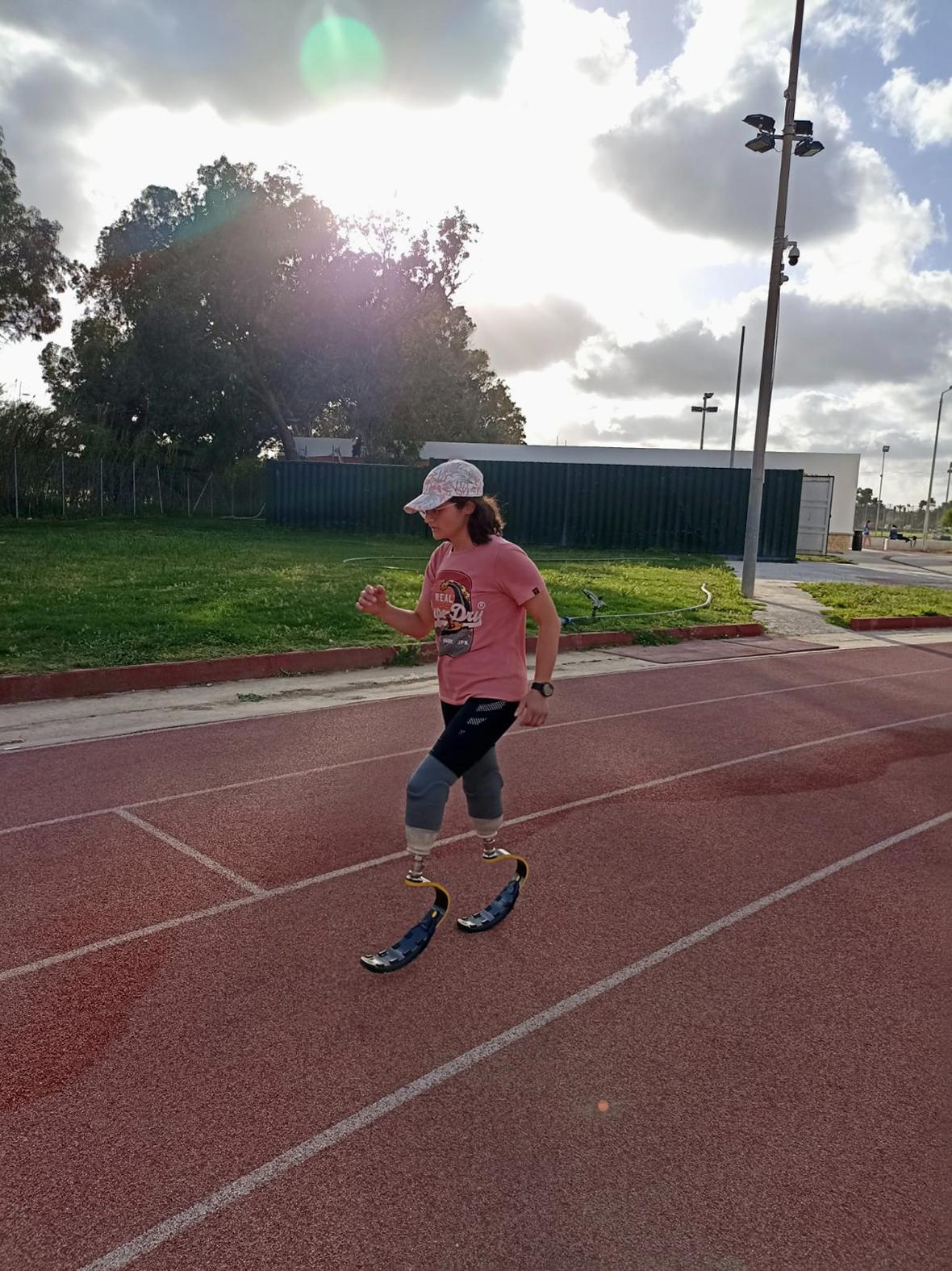 Arielle Bonnici went from relearning how to walk, to completing a race.
It was not until she was 25 that Bonnici had her first amputation.
“The doctor told me: ‘You can either continue walking with crutches and staying in a wheelchair, or you can have an amputation and eventually get fitted with a prosthetic leg and start learning how to walk again’.”
Bonnici took the decision. Ironically, removing part of her leg was the first stage of her regaining independence.
But last year’s infection threatened to take that hard-earned freedom away. It left her body so weak when she recovered that she had to start from scratch again.
Thankfully, perseverance has always been an important thing in her life to keep going and reach this point.
Bonnici went from relearning how to walk to completing a race and achieving her personal best – thanks also to the support of her dedicated physiotherapist and coach, as well as her guiding philosophy that “everyone has their own abilities and should be empowered to move ahead in life; not just live but thrive and live their best life”.
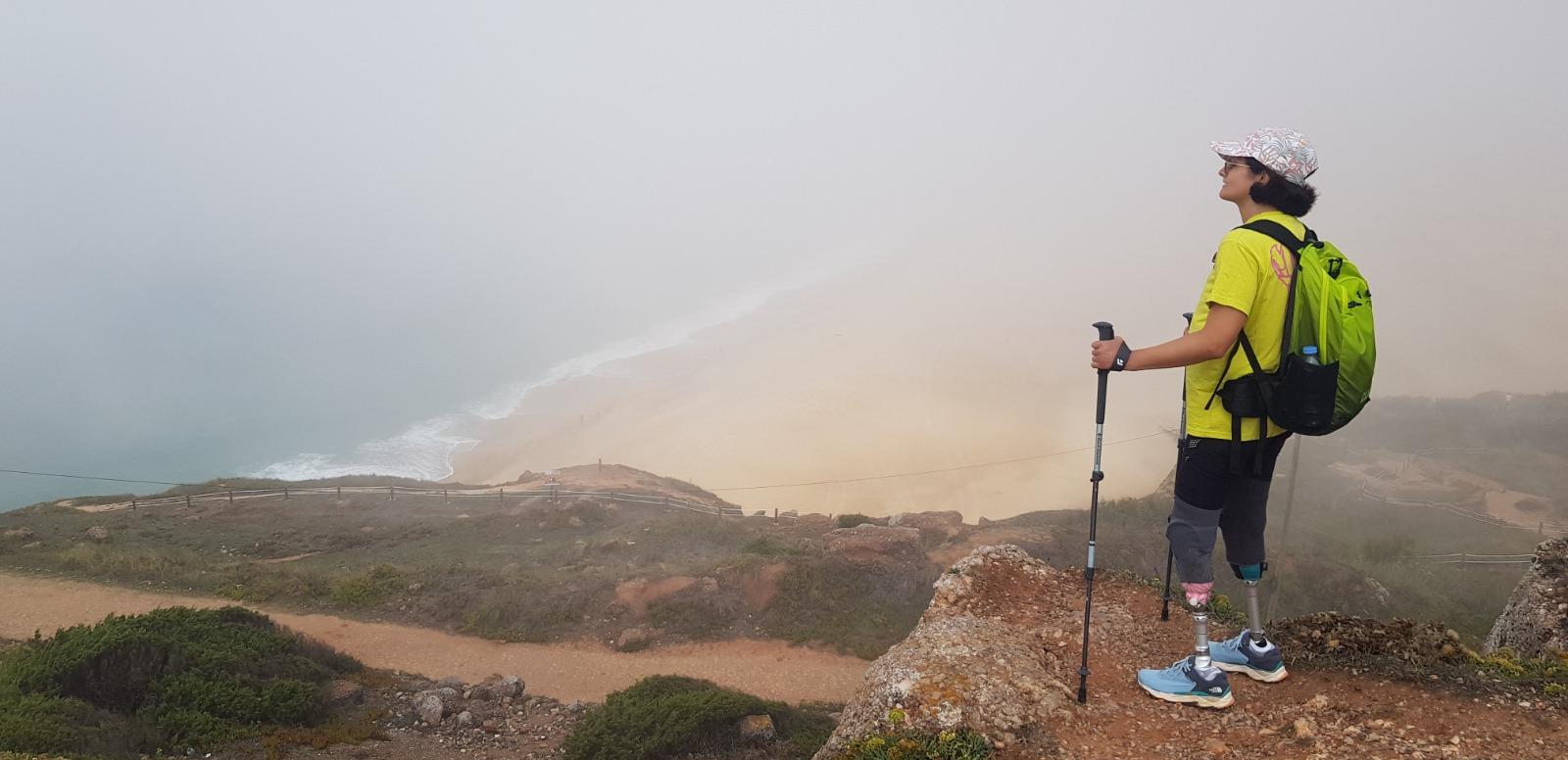 Arielle Bonnici on one of her hikes.
‘She can do it all’
Last month’s race in Żebbuġ, organised by the Żurrieq Wolves Athletic Club, marked her first competitive run since sustaining a femur fracture in 2023, followed by a hip replacement in 2024 and the serious infection last year.
None of those obstacles stopped Bonnici from returning to running on prosthetic blades, and she began structured training for the five-kilometre distance in October.
Everyone has their own abilities and should be empowered to move ahead in life
The Żebbuġ race, she said, represented a major milestone in her recovery journey.
“Due to a wrong turn taken by a group of runners on the course, I ultimately ran a total distance of 6.6 kilometres. Despite this, however, I completed the official distance in 49 minutes, achieving a personal best.
“It was physically challenging, but I am glad I did not give up and finished the race running,” Bonnici said.
Her coach and physiotherapist, who both accompanied her on race day, would not have had too many doubts about her success, given her attitude to life and sports.
Personal trainer and fitness instructor Martin Beyer, who was matched to Bonnici via the Malta Paralympic Committee, has been working with her from the beginning, pushing her step by step to improve her athletic run technique and her functional and movement skills, using “low-stress and smart” exercises.
Meyer said he admired her mental attitude and the fact she was always ready to work to realise her dream and her targets.
Simon Cilia, her physiotherapist, who works with amputees and referred Bonnici to the Malta Paralympic Committee to seek out a coach for her, said she had shared a dream with him, and he told her he thought “we could make it work”.
The committee identifies potential athletes and connects them to the best sport option and coach for their particular abilities, based also on their medical situation. It also offers training camps for coaches to keep updated on how to improve on different techniques for para-athletes.
“There is nothing that holds her back, she works really hard, she does not miss a session, and she always wants more… Believe me, she can do it all,” Cilia said.
“The only thing she – and anyone with a disability – needs is a chance to do it and someone to guide them,” Cilia said, encouraging everyone with or without disability to just get out and do whatever sport or activity “ignites a bit of fire in your heart”.