Artist Lawrence Buttigieg explores gaze, otherness and the female body
His artistic practice has long focused on questions of womanhood
A new exhibition at Spazju Kreattiv, Desire and Its Excess by Lawrence Buttigieg, is an exploration of desire and the creative energy it generates. Bringing together painting, box-assemblage, body fragments and film, Buttigieg examines how desire emerges through encounters with the other, particularly within the charged space of the artist’s studio.
Buttigieg’s artistic practice has long focused on questions of womanhood.
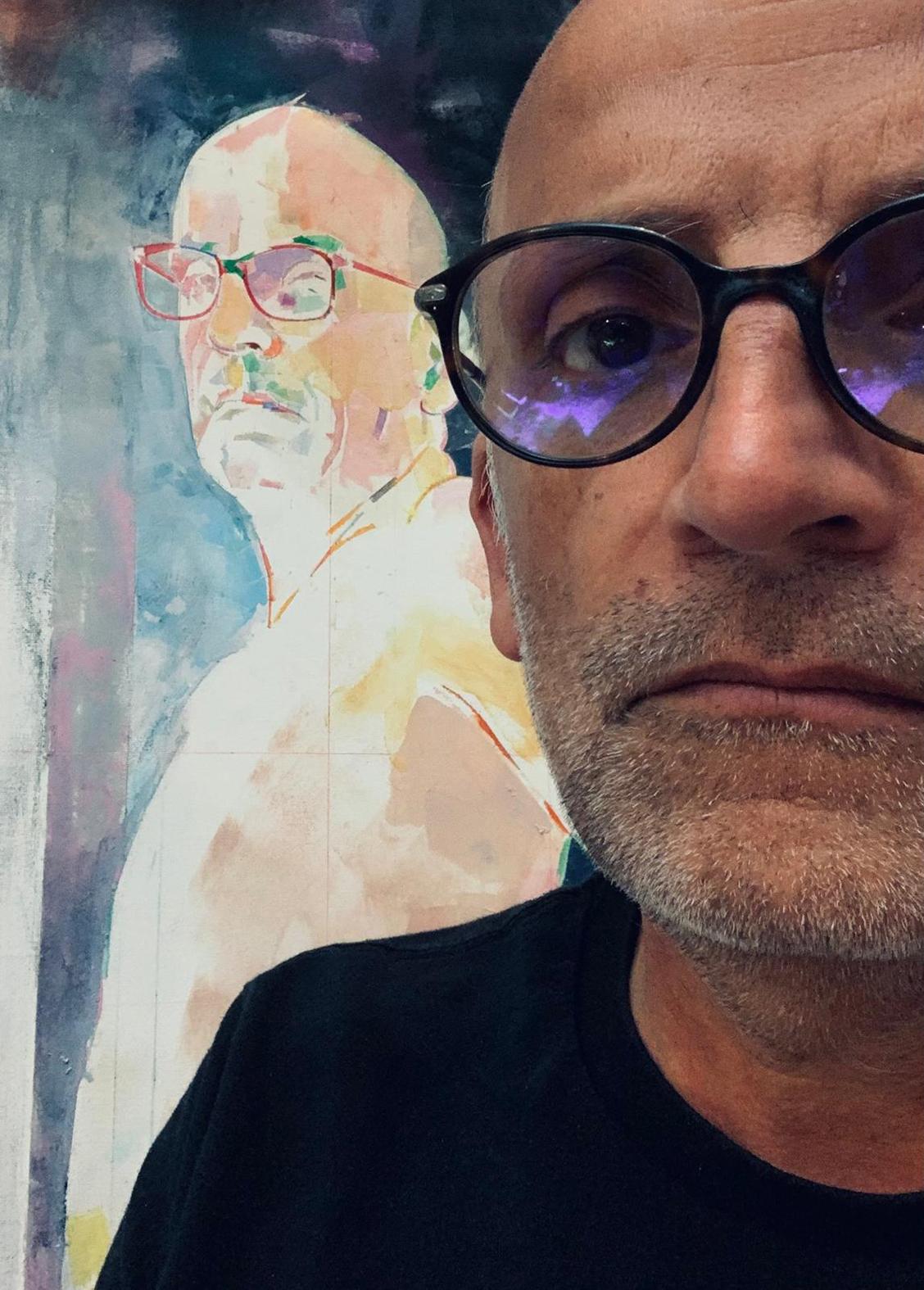 Lawrence Buttigieg
“I’ve always been interested in the relationship between artist and model,” he reflects, and thus the relationship between the artist and his female subject, and their trust and reciprocal gaze, is at the heart of this series of work.
“I’ve been working with the same model, ‘Cesca’, for the past 12 years and the understanding we have between us is extremely important,” Buttigieg explains.
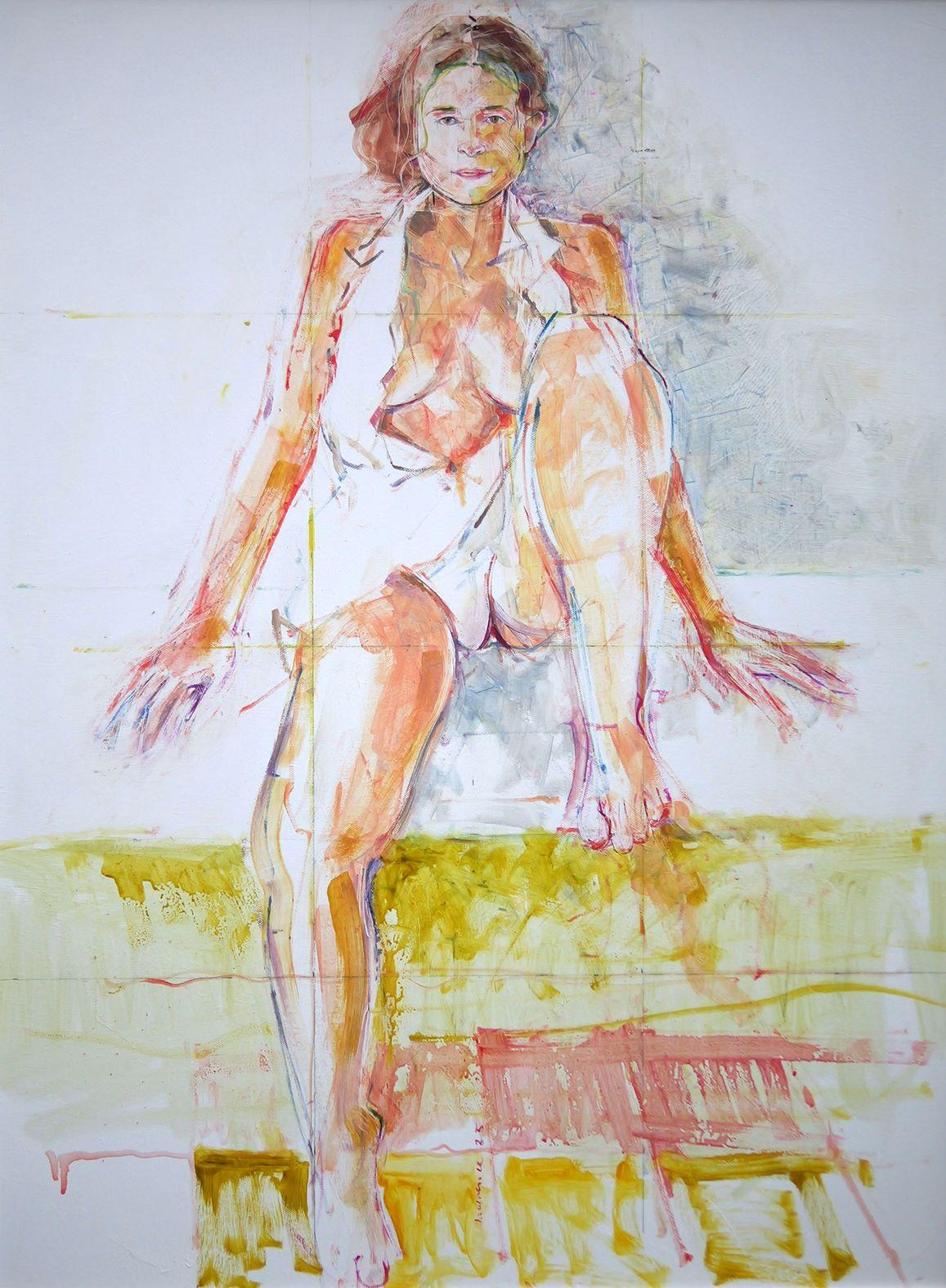 White dress and slip, 2025
“It’s interesting working with the same person as we both age. Although we have known each other for a long time, I always try to find something new and interesting with each encounter. This isn’t about seeing the same thing on 100 models: it’s a question of seeing 100 or 1,000 differences in the same person.”
And everything starts with the palpable act of looking.
“I look at her and she looks at me,” Buttigieg continues. “There’s a mutual engagement: I’m not spying on her. She’s confident as she presents herself on her own terms, and I’m recording her doing so. In some, Cesca uses a mirror, not to look back at herself but at me. In my work I capture that shared attention, and as Cesca’s gaze is transmitted to the viewer, they feel part of it too.”
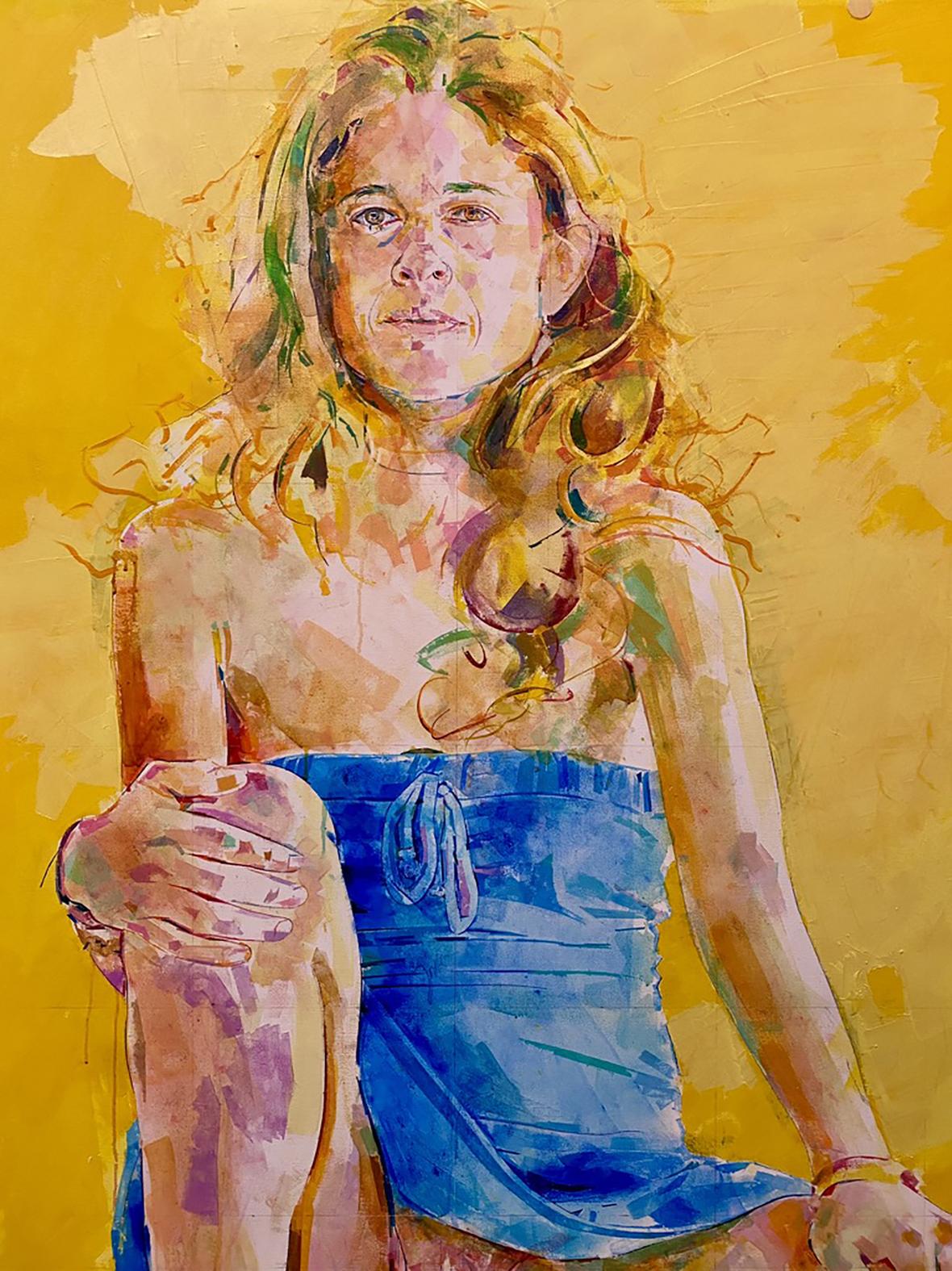 Blue dress II, detail, unfinished
In his paintings, Buttigieg works with a transparent oil paste on layers of gesso, or plaster, leaving visible the layers underneath, and allowing light to pass to create depth and luminosity of colour. The result is rich and vibrant, reflecting the lively nature, luminous beauty and often explicit poses depicted in the work.
The exhibition also incorporates working drawings and body fragments or plaster casts taken directly from the body, which question how male viewpoints have shaped Western culture. There’s no idealisation here, Buttigieg explains.
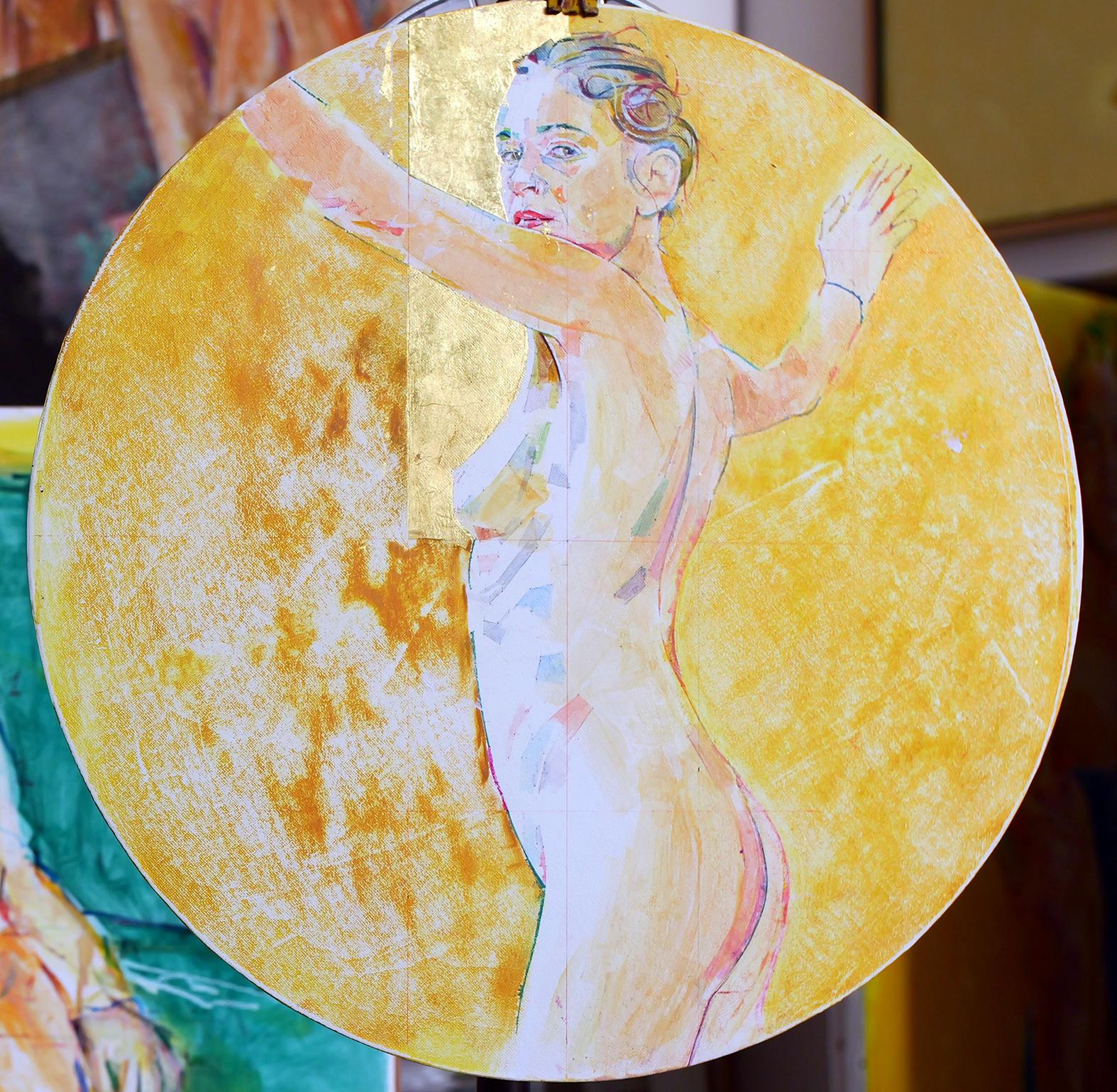 Cesca I, unfinished
Disrupting historical norms, because they are exact simulacrum of the body, these pieces do not objectify the female form.
While some body parts are displayed as stand-alone exhibits, others are included inside two box assemblages with belongings and found objects, as Buttigieg explores ideas of identity and otherness.
“In my work, I’m also very drawn to spiritual questions, especially that space where the feminine meets the transcendent, a concept considered by philosophers including the French feminist Luce Irigaray (1930-) who equates the female subject with the divine.
 SACRUM II, unfinished
“When I started constructing box assemblages around 15 years ago, I began housing female body parts, which represented the sacred, in a structure like a tabernacle or reliquary. Relics have always fascinated me – in the Catholic faith, it is believed that body part holds the spirit of the person in question.
"While the body parts in the show are made of plaster, during the making process they catch hairs, for example, so they contain tiny elements of the body. Placed in the boxes, it is as if they become a kind of relic. I then painted with skin-tone colours thus giving them a luminosity, a glow that hints at a higher purpose.”
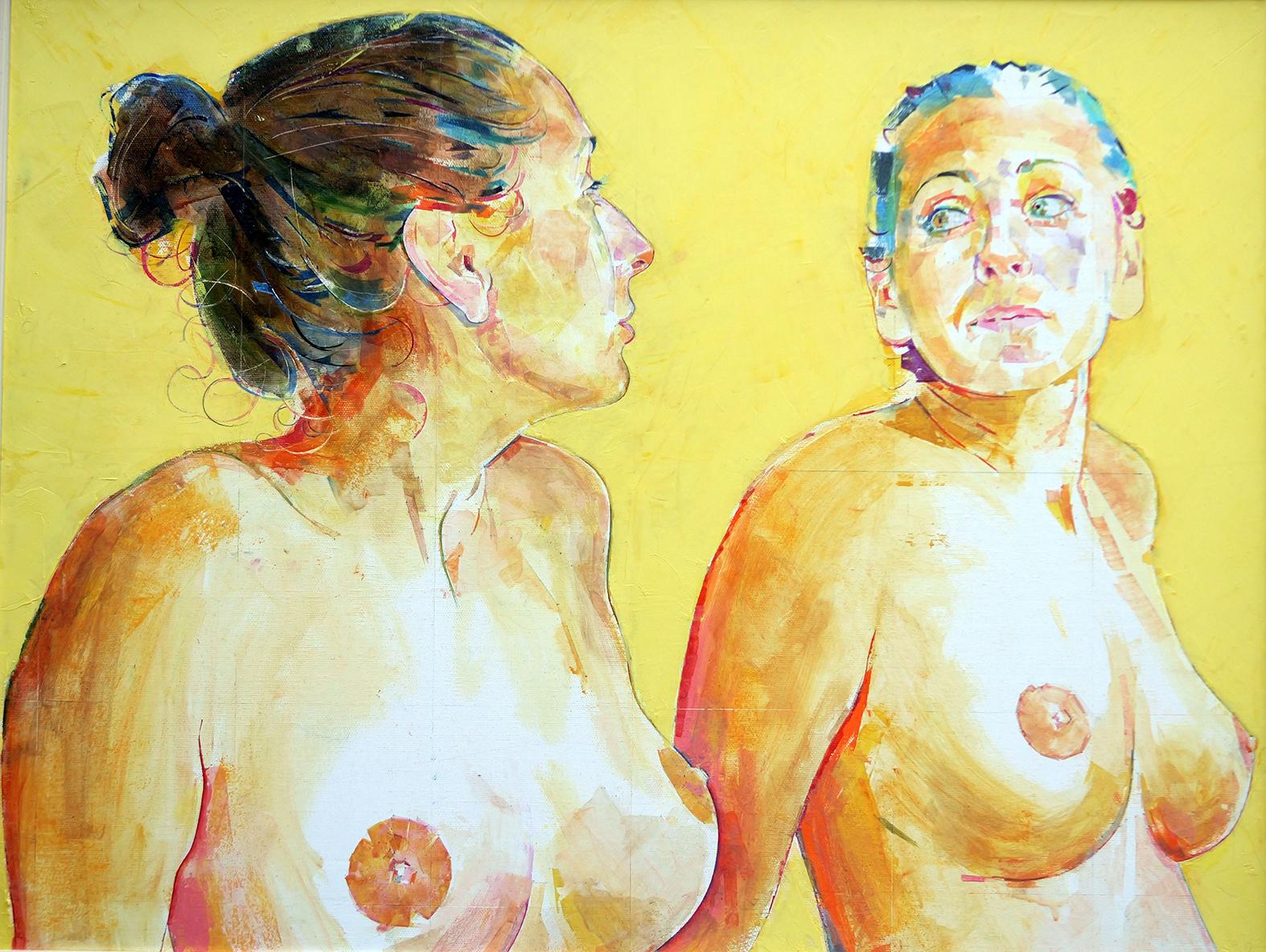 Me (Kelly), 2024
Buttigieg also began experimenting with film in recent years, finding himself fascinated by the techniques required and the close relationship between the composition of his shots and the rest of his artistic practice.
Desire and Its Excess is spread across four rooms, and it is in the final room on film that the various elements of the show are woven together with the philosophy that underpins Buttigieg’s research.
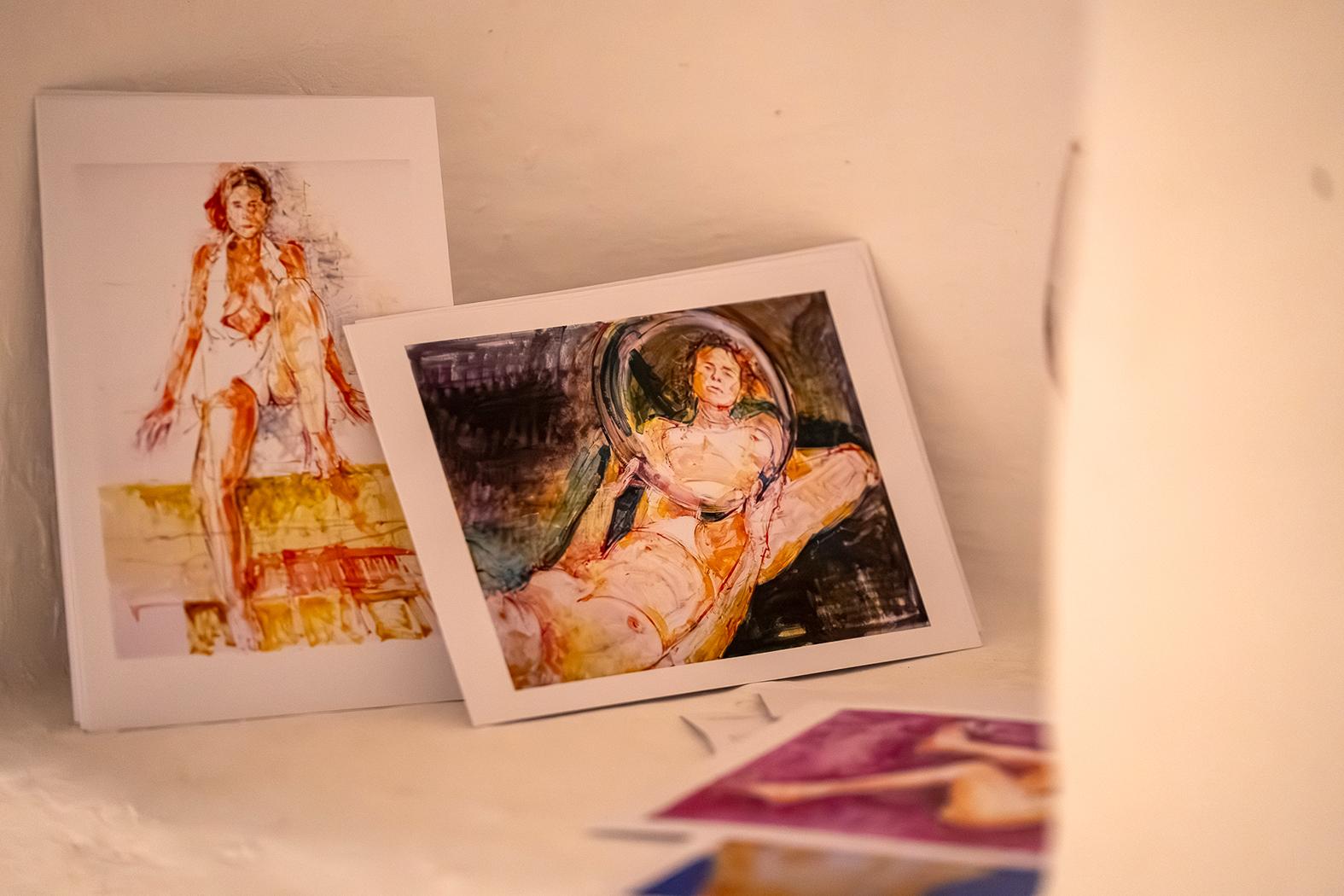 Installation view of the exhibition at Spazju Kreattiv.
First, set to quotes by Irigaray concerning the lips of the female body, Cesca walks on the timeless Maltese coastline, her physicality taking centre-stage. She is then transposed into the artist’s studio where she is seen casting her own representations of her body, without the intervention of a male artist, before opening one of the box assemblages as if unpacking and revealing her own desires.
“Desire is integral to human nature. It’s always tantalisingly present whether it is bodily or for material things. It’s a complex state of mind,” Buttigieg concludes.
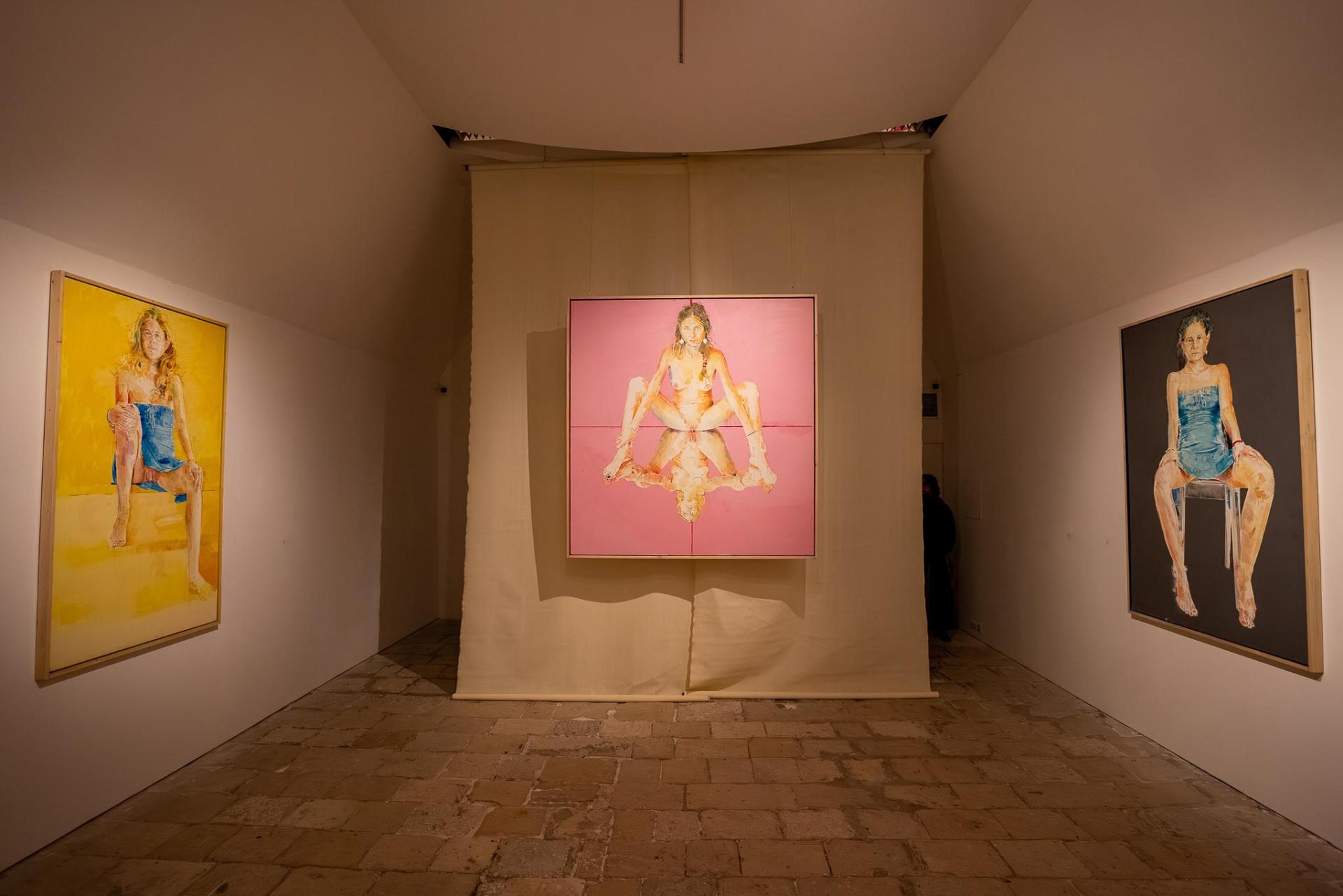 Another installation view of the exhibition.
“You try to satisfy your urges, but you never can fully grasp them. Desire lies in otherness. It can be unpredictable; sometimes it’s playful, sometimes it’s serious. Importantly, fantasy also plays a part – desire mixes imagination with reality and blurs the boundaries. My artwork embodies that tension and encourages us all to think about our own longings.”
Desire and Its Excess runs at Spazju Kreattiv, Valletta, until March 1.