Assessment must be formative
Malta’s assessment reforms will only succeed when assessment is used to support learning rather than continually measure it
The recent debate on Malta’s school-based assessment (SBA) system has brought to the surface an issue that goes beyond marks, examinations or statistics. It has exposed a deeper confusion in the way assessment reform is being understood and implemented: the assumption that continuous assessment is the same as formative assessment.
It is not.
Continuous assessment refers to how often students are assessed. Formative assessment refers to the purpose of assessment. The first is about frequency. The second is about learning. This distinction is not merely technical. It is central to understanding why so many educators, parents and students are expressing concern about the current system.
Many people would agree that a system based almost entirely on examinations was limited. It placed considerable pressure on students, rewarded certain types of performance and often failed to capture the full range of children’s abilities. In that sense, assessment reform was both necessary and overdue.
However, replacing one major examination with a series of smaller assessed tasks does not automatically make the system more supportive, fair or educationally sound. It may simply spread the pressure across the entire school year.
This is what many parents and teachers now appear to be experiencing. Students are constantly preparing for, completing or recovering from SBAs. Teachers are expected to design tasks, correct them, record marks, provide documentation and move quickly to the next requirement. Parents find themselves managing assessment schedules rather than supporting their children’s learning in a meaningful way.
Children who should be developing curiosity, confidence and independence are instead often tired, anxious and disengaged. Some have been described as moving through school like ‘zombies’, not because they lack ability or motivation but because they are being assessed almost continuously.
That should concern us.
The language used in official policy documents has not always helped. Terms such as formative assessment and continuous assessment are sometimes placed so close together that they appear interchangeable. Yet, they are not.
Continuous assessment can be formative but only if it is used to guide learning. If it mainly produces marks, deadlines and records, then it remains summative in nature, even if it takes place several times throughout the year.
This is the heart of the problem. What Malta currently has in many cases is not formative assessment. It is continuous summative assessment.
A genuinely formative approach would feel very different in the classroom. It would ask: What does this student understand? What is preventing this student from progressing? What kind of feedback will help? How can teaching be adjusted? How can the student become more aware of their own learning?
In such a system, assessment would not simply measure learning after the fact. It would support learning while it is taking place.
For this to happen, teachers need much more than policy statements. They need proper professional formation, time to plan, opportunities to collaborate and trust in their professional judgement.
Formative assessment is not created by adding more tasks to an already crowded school calendar. It is built through careful questioning, meaningful feedback, classroom dialogue, observation and opportunities for students to improve.
This also means that claims about improved outcomes must be treated carefully. If fewer students are leaving school without qualifications, this is certainly important. No one should dismiss the value of such progress. However, a reduction in the number of unqualified school-leavers does not, on its own, prove that the current assessment model is working well.
Qualification is important but it is not the same as education
We must also ask what kind of educational experience students are having and what cost is being paid by teachers, families and students themselves. Qualification is important but it is not the same as education. A student may leave school with certificates and still feel anxious, exhausted or alienated from learning. Another may pass through a system that assesses constantly but rarely helps them develop a real sense of competence.
As an educator and a mother, I believe that Malta needs assessment reform. I also believe that school-based assessment can have real value.
However, the choice should not be between the old model of half-yearly and annual examinations and the current model of continuous SBAs leading to annual examinations.
Both models risk placing excessive pressure on students if assessment is used mainly to measure, rank and record. The removal of half-yearly examinations should have created more space for learning. Instead, in many cases, that space seems to have been filled by frequent SBAs.
Calls to reintroduce half-yearly examinations are therefore understandable but they do not address the real problem. The real problem is not the absence of another examination. It is the failure to use assessment formatively, as a means of helping students understand where they are, what they need to improve and how they can move forward.
The question is not whether students should be assessed. Of course they should. The question is whether assessment is helping them learn.
At present, many educators and parents are telling us that the balance is wrong. Their concerns should not be dismissed as resistance to change. They are pointing out a serious problem with implementation.
School-based assessment can only work well if it is properly understood, properly supported and properly moderated. It should not become a bureaucratic exercise that increases stress for teachers, students and families.
The education department should, therefore, focus on three urgent priorities.
First, it must clarify the language. Continuous assessment and formative assessment are not the same thing. Schools need clear national guidance that distinguishes between assessment used mainly to generate marks and assessment used to support learning.
Second, it must examine the real assessment load experienced by students and teachers. A policy may appear balanced on paper but children experience it through deadlines, pressure and the daily rhythm of school life. If students are constantly preparing for the next assessed task, then the system is over-assessing them, regardless of what it is called.
Third, it must invest seriously in teacher training. Teachers cannot be expected to transform assessment culture without time, training and professional trust. Formative assessment requires skill, reflection and confidence. It cannot be created through templates alone.
The aim should not be to return uncritically to the old examination system. Nor should it be to defend the present system simply because it was introduced in the name of reform. The aim should be to build something better: an assessment culture that is rigorous without being punitive, informative without being overwhelming and genuinely centred on learning.
If Malta wants an education system that supports wellbeing, inclusion and achievement, then assessment must stop being treated mainly as proof that learning has happened. It must become part of how learning happens.
Until then, calling the current system ‘formative’ will not make it so.
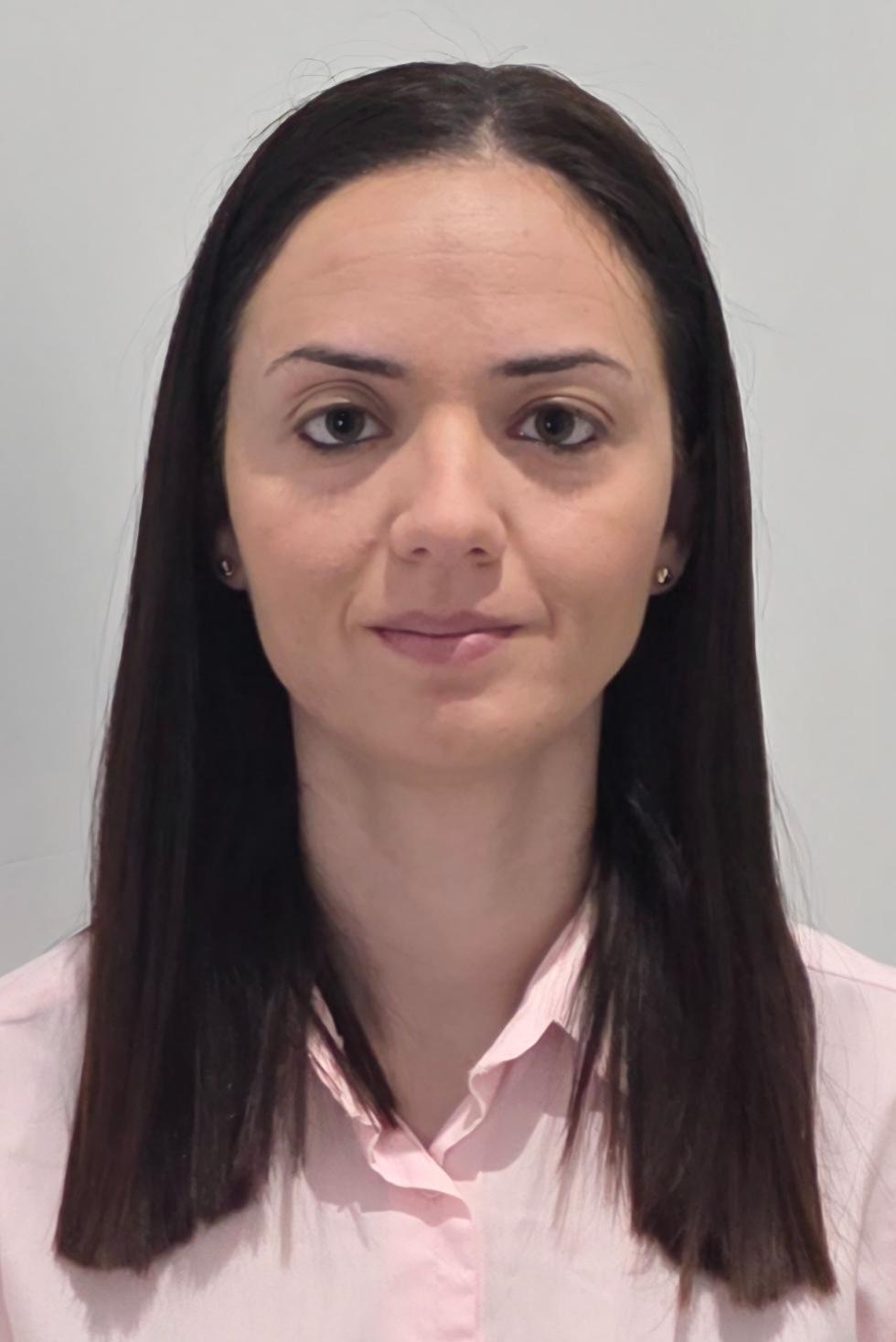
Anna Scicluna is an assistant lecturer within the Faculty of Education at the University of Malta.