Bad joke rising
Even if one disagrees with them, they should be protected under the law
Salman Rushdie, before being stabbed, once said: "What is freedom of expression? Without the freedom to offend, it ceases to exist." – or at least so thinks the internet.
I am sure he did say that it is under attack from “all sides” after he was stabbed – because I read the speech after he received the German peace prize.
I can’t stay silent on the Terry Muscat vs Bajd u Bejken saga because it’s the same old story.
Free speech, satire, and the dance between bad taste and artistic freedom.
A crude, tasteless joke, yes — but a joke made in a ticketed show, to a knowing audience.
Yet here we are, and no one’s talking about the person who recorded the clip and decided to share it, dragging it beyond that room.
I don’t like what Bajd u Bejken did.
I found it tasteless and mean-spirited. I’d quote Voltaire too here, but that’s just too predictable.
What they did to Terry was wrong, and I feel for her.
Terry didn’t deserve to be mocked in that way, especially with such a deeply offensive image targeting someone from a minority group, in an event where money is being made.
They could have chosen to discuss it with Terry - but they didn’t. Bad taste.
But I can’t stand by and watch people call for their heads.
Did Karol Aquilina deserve it? Did Ms Thake deserve it?
If no one deserves it, there is little comedy left. As Atkinson put it: the right to offend is far more important than any right not to be offended.
In this case, it might have been bad comedy, bad satire, but it’s still comedy, and some people find bad comedy funny. They bought a ticket for that.
I believe the best response is for people who are offended to unfollow them, let them feel the social backlash, block them. But fines? Jail time? Cancellation? I disagree.
Malta’s law on artistic expression, passed in 2023, protects artists, satirists and comedians from prosecution unless their work contains “credible and realistic” threats.
Even if I disagree with them, they should be protected under this law. And let’s not forget - Europe is moving in this direction too. The European Artistic Freedom Act is being discussed, a recognition that artists deserve specific protections for free speech.
Those who dismissed Malta’s Artistic Freedom Law as unnecessary or dangerous now see Europe embracing the same principles.
Even under that law, in Malta, we saw a man fined €10,000 for posting an offensive meme about people with Down syndrome in an online crass comedy group.
Offensive? Yes. Tasteless? Absolutely. But a punishment - and a dangerous precedent. Free speech shouldn’t be policed with fines that deter expression, even the bad kind - unless it is hate speech, harassment, or a credible threat of harm.
If someone posts a joke on a platform known for jokes, the context is clear.
Nihil sub sole novum.
Ricky Gervais sparked outrage with Armageddon, joking about terminally ill children, cruel to some, but protected. So protected, he won the Golden Globe.
Bill Burr’s entire career thrives on the edge of offense.
Matt Rife’s Netflix debut pushed boundaries with jokes on domestic violence and disabilities.
Jimmy Carr is practically a repeat offender. All offensive to many. Yet, free to all.
Closer to home, Phylisienne Brincat faced hate speech charges for suggesting disabilities are linked to sin - offensive to some, but the court ruled it wasn’t hate speech. It was theology, not a call for harm. And let’s be honest - outrage is subjective and often selective.
In politics, Manuel Delia called Franco Debono a “tumour”, and outrage followed.
In football, Aurelio De Laurentiis called agents "a cancer", and barely a ripple.
What makes one case explode and the other pass unnoticed? Timing, context, and the people involved. That’s why free speech cannot be subject to outrage alone.
The difference here is that Terry was personally named as a public figure and a content creator.
But when politicians are mocked by name (Crozza in Italy is a prime example), is that acceptable?
Ten years ago, I directed a satirical play featuring politicians with their real names. I don't want to live in a place where that's not allowed a priori.
Why are we picking and choosing? Is it because Terry is transgender? Yes – society needs to talk about that. Respecting minorities matters. But does any performer making fun of a public figure’s sexuality automatically amount to hate speech or harassment?
It can - and in this case, Terry has every right to prove that in court.
But in many cases, it is not, and performers have the right to demonstrate that it was simply comedy. And again, we also need to talk about why we focus solely on the performers, not the person who weaponised the clip.
Yes, the right to offend is not the same as the right to harm, but if we keep blurring the two, we’re in trouble - especially in comedy, satire and art.
When comedians were prosecuted for insulting Pastor Gordon Manché, I defended them - not because I liked the jokes (in that case, I did), but because I knew the cost of silencing them.
Eleven years ago, I directed a play written by an LGBTQI writer about their rights, performed at the Manoel Theatre, as a fairly peaceful protest by the Pastor’s group The River of Love Group took place outside.
I don’t want to live in a place where both voices can’t be heard either.
Free speech isn’t about protecting just the speech you like. It’s about holding the line, even when you hate what’s being said. I don’t defend Bajd u Bejken because I liked their joke. I don’t, at all. I defend their right to crude, crass, bad comedy - because I know the cost of letting this slide.
But I won’t pretend this is the comedy I want for my children. I hope we grow beyond this - that we learn to laugh without cruelty. I hope that as a society, we choose smarter, kinder humour.
And I hope that one day, my children's social media, and the comedy and theatre ecosystem will be places of creativity; vibrant public spaces where ideas are challenged, where arguments can spark, and where even offence can inspire thought or a good laugh - but not a battleground for the cheapest shots.
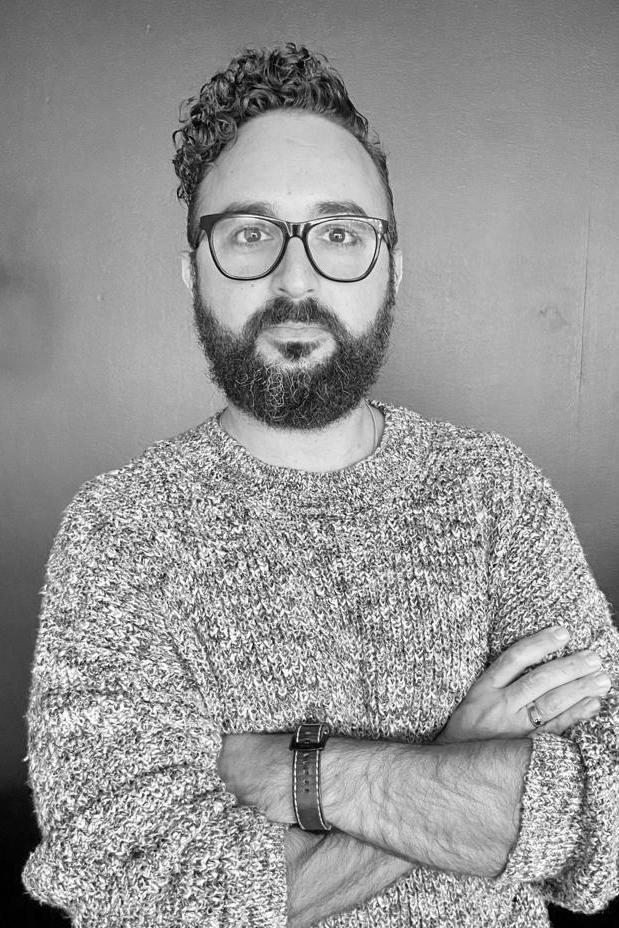 Sean Buhagiar
Sean Buhagiar is a professional artistic director, creative producer, and theatre-maker who tries to tell relevant stories across multiple media.