Beyond the bastions
The withdrawal of British forces in 1979 allowed Malta to exercise full self-determination. This event symbolised the nation’s complete autonomy, ensuring no foreign power controlled its affairs
Every March 31, Malta commemorates Freedom Day, a holiday that, though sometimes seen as minor, carries deep historical significance. It marks the final step towards complete autonomy when, in 1979, the last British military forces left, allowing Malta to shape its own future.
While Malta achieved independence on September 21, 1964, it was not until March 31, 1979 that it truly attained full freedom. Independence granted self-governance but did not immediately eliminate foreign influence. British forces continued to occupy military bases under defence agreements, maintaining a presence on the island. Independence is the formal recognition of self-rule but freedom that goes beyond sovereignty means the absence of external constraints, whether military, economic or political.
Malta’s transition from independence to full freedom was a pivotal moment. Although politically independent in 1964, the country still relied on Britain economically and militarily. The withdrawal of British forces in 1979 eliminated this dependency, allowing Malta to exercise full self-determination. This event symbolised the nation’s complete autonomy, ensuring no foreign power controlled its affairs.
For decades, Malta’s economy depended heavily on British military spending. Thousands of Maltese worked in dockyards and support services linked to the naval presence. The sudden loss of this economic foundation created uncertainty and posed significant challenges. In response, Malta embarked on economic restructuring, prioritising tourism, manufacturing and financial services. The government sought international partnerships to stabilise the economy, shifting towards self-sufficiency.
Initially, unemployment rose, and many families struggled financially. However, over time, Malta’s strategic repositioning led to significant growth. The island developed into a hub for tourism, shipbuilding and offshore banking. The departure of British forces ultimately allowed Malta to define its economic trajectory, leading to a thriving and modern economy today.
Beyond economic concerns, the departure of British forces also had profound socio-economic implications for the Maltese people. The shift from a military-based economy to a diversified one required not just structural changes but also cultural and social adaptation. Generations of Maltese who had relied on British military employment had to retrain and seek new opportunities.
The transition was not immediate and brought uncertainty and hardship for many. Women, in particular, found themselves having to adapt to new roles in a changing workforce, while families that had previously benefited from British military spending had to adjust to new economic realities.
The loss of a dominant foreign influence also encouraged a stronger national identity. Freed from external governance, Malta experienced a cultural renaissance, with greater emphasis placed on preserving its language, traditions and history. This newfound cultural confidence helped strengthen the country’s sense of identity and unity in the years following the British departure.
The withdrawal of the British Navy also reshaped Malta’s foreign policy. Without a foreign military presence, Malta could assert itself as a neutral, self-determining state. This neutrality became central to its diplomatic identity, positioning Malta as a bridge between Europe, Africa and the Middle East. Free from external control, Malta joined the Non-Aligned Movement and, later, the European Union in 2004, strengthening its global presence.
Malta’s Mediterranean location remains strategically significant. As a key player in migration policy, maritime security and trade, it must carefully balance its relationships with global powers. The European Union, the US and China all recognise Malta’s geopolitical importance, leading to increased diplomatic engagement and investment.
One of the most significant international partnerships Malta developed post-1979 was with China. Recognising Malta’s strategic position, China provided financial and technical support during Malta’s economic transformation.
The most notable example was the construction of the Red China Dock, a crucial infrastructure project for Malta’s shipbuilding industry. Over the years, Chinese investment expanded into energy and trade, including a major stake in Malta’s energy provider, Enemalta.
Freedom is not simply inherited – it must be actively safeguarded- Maria-Gabriele Doublesin
The US has also played a role in Malta’s economic development. Recent investments in the semiconductor industry, such as the $575 million investment by GlobalFoundries, aim to enhance semiconductor production, supporting industries like automotive, defence and artificial intelligence. Such partnerships highlight Malta’s growing role in global economic networks.
Malta’s journey from independence to full freedom illustrates the distinction between the two concepts. Independence in 1964 granted Malta legal sovereignty but true freedom came in 1979 when foreign military influence ended. This allowed Malta to take full control of its domestic, economic and international affairs, shaping its future on its own terms.
However, freedom is not simply inherited – it must be actively safeguarded. Global power dynamics are constantly shifting, requiring Malta to remain vigilant in protecting its sovereignty. Economic partnerships, trade agreements and diplomatic relations must prioritise the Maltese people’s interests to ensure external influences do not undermine the nation’s autonomy.
Today, the meaning of Freedom Day extends beyond political independence. Malta is experiencing rapid demographic shifts due to an influx of people from all over the world, bringing both economic growth and social tensions. The birth of children to non-Maltese mothers and the increased presence of foreign cultures have sparked debates about national identity. While cultural diversity enriches society, it has also led to concerns over integration, rising racism and fears of losing Maltese traditions and values.
Freedom Day now serves as a reminder of the balance between openness and preservation. As Malta navigates these challenges, it must redefine what freedom means in a globalised world. True freedom lies not only in political independence but also in fostering a society that remains true to its roots while embracing change.
The responsibility of the Maltese today is to ensure that national identity evolves without being eroded and that fear does not override the values of tolerance and unity that have shaped the nation for centuries.
Freedom Day is more than a historical milestone; it is a reminder of Malta’s responsibility to maintain its sovereignty.
Every Maltese citizen plays a role in ensuring the country remains self-determined, free from external pressures. Beyond the bastions of colonial rule, Malta now stands as a fully independent nation, responsible for charting its own course in an ever-changing world.
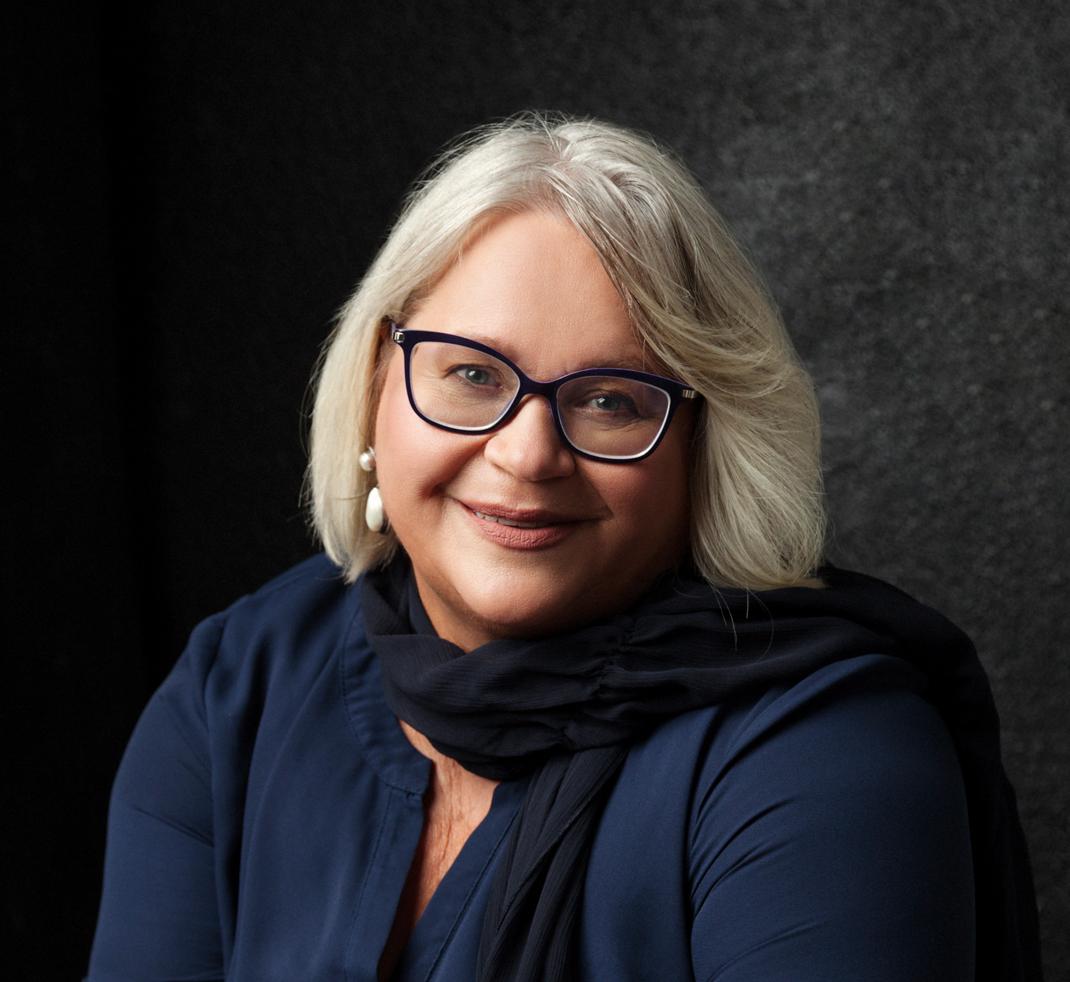
Maria-Gabriele Doublesin is president and chairperson projects and research of NWAMI International Malta, dedicated to promoting intercultural understanding, social cohesion and inclusive development.