In pictures: Bicycles through early Malta history
British servicemen stationed in Malta seem to have found them more attractive than the locals did
The role bicycles played in World War II, when fuel supplies in Malta had dried up, has been aptly researched and published. But not the origins and the spread of cycling through the islands.
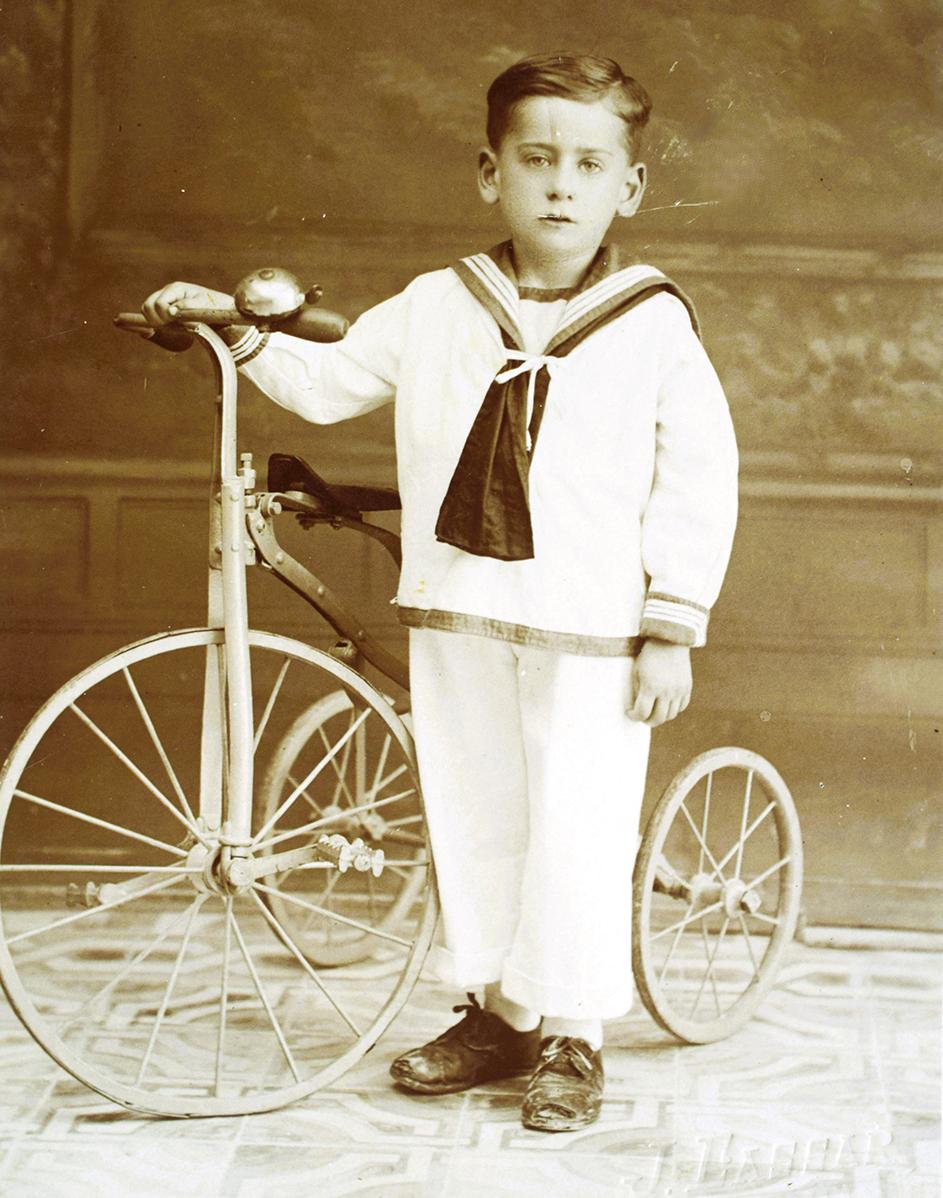 A child, S. Dingli, with a tricycle, photographed by Joseph Cassar of Ħamrun.
Tradition has the first bicycle stores in Malta being opened and run in the late 1880s by the Magri family (no relations of mine), but very faint traces of the growth of a bicycle fashion, either as a utilitarian imperative or as a leisure or sport activity, appear so far on record.
No photographs taken in Malta seem to exist of pioneer bicycles, the two-wheeled ‘penny-farthings’. Very likely, the earliest date was the turn of the century, and they did not really catch the attention of camera artists.
If surviving images are anything to go by, British servicemen stationed in Malta found them more attractive than the locals did. I have seen bicycles mostly associated with Maltese postmen and policemen. Not a single early photo I know of shows women on the saddle. None of cycling as a sport, like racing or endurance tests.
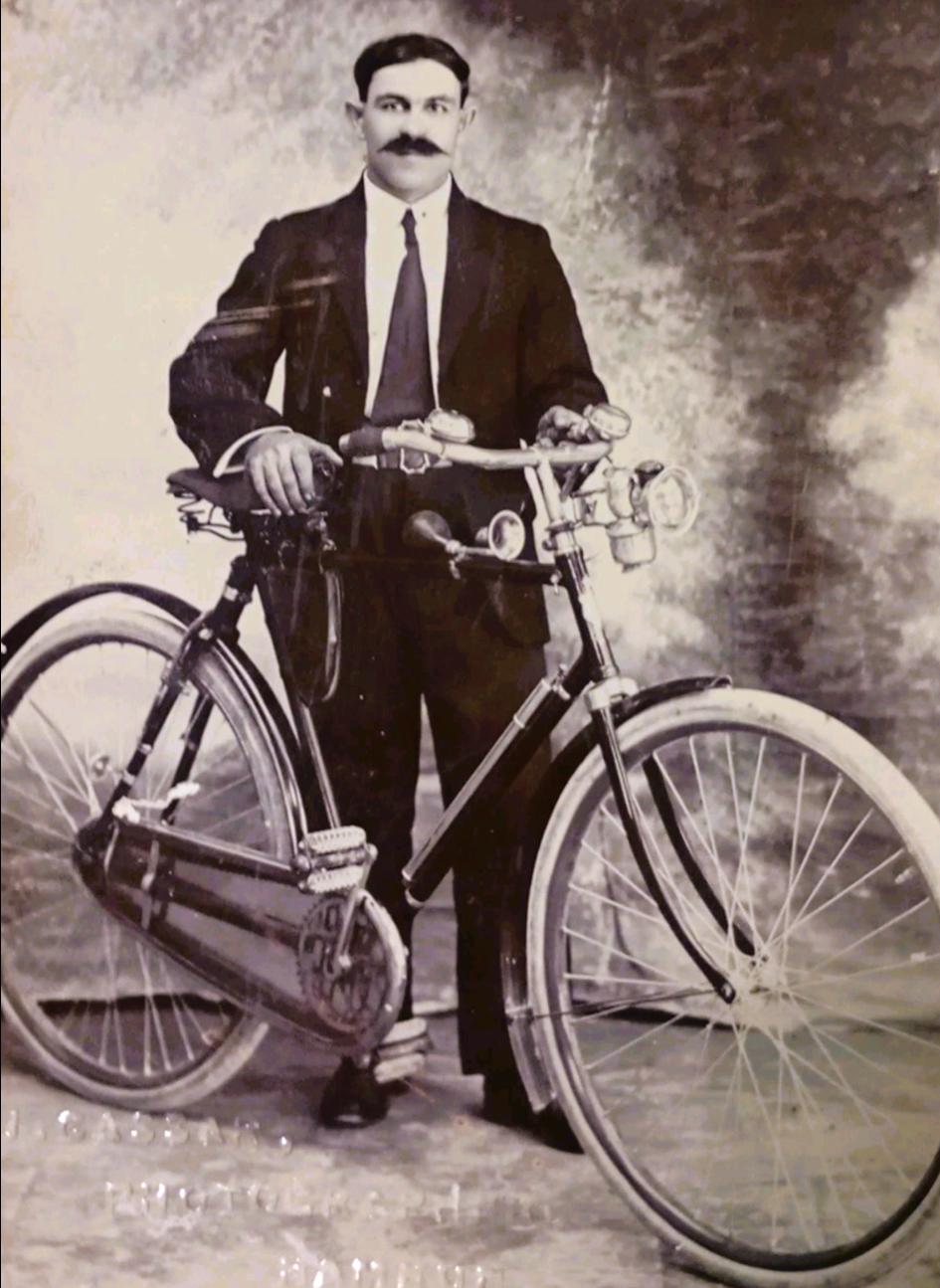 A Joseph Cassar portrait of a man with a bicycle, 1930s.
Probably, the bicycle reached the height of its popularity in Malta during the siege of WWII when fuel, from rationed, became unfindable, though its earlier use had also proved widespread in the Great War. Symbolic of that tragic period remains the iconic photograph of the Governor, Lord Gort, cycling through the bombed streets of Valletta at the height of the siege.
Professional photographic establishments kept some props to make available to clients. Two studios, Joseph Cassar of Ħamrun and Anthony Serracino of Senglea, in the inter-war years, stocked toy bicycles and tricycles for use by children. They add an undeniable touch of charm and wistfulness to any composition.
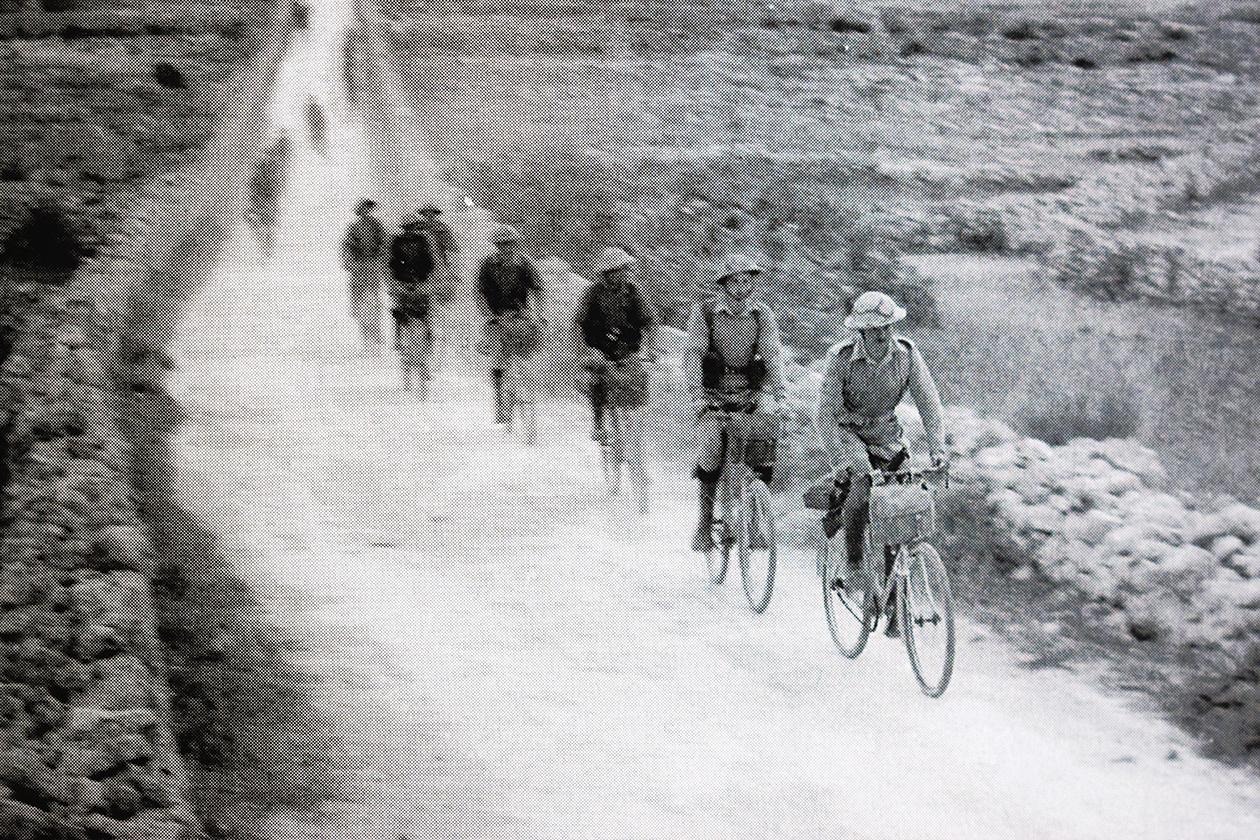
An army contingent on bicycles in Malta in WWII.
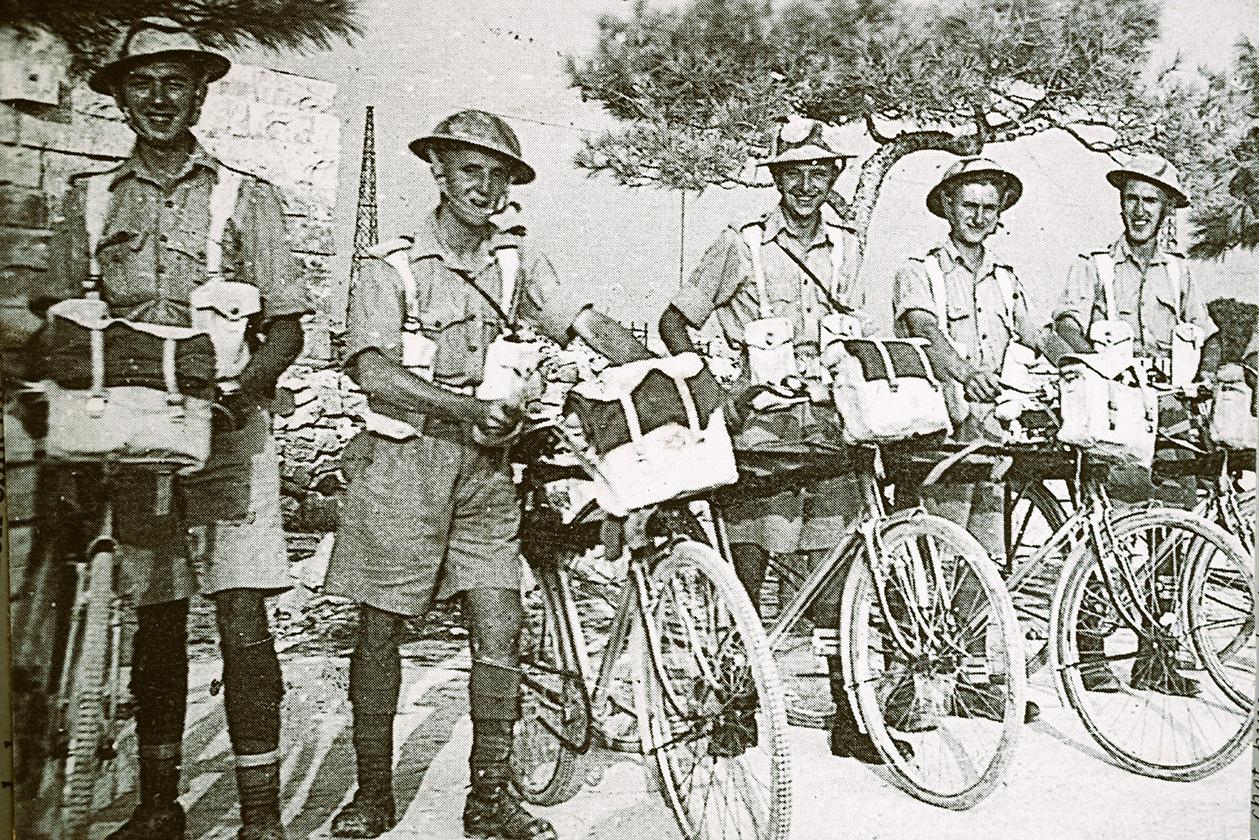
The signallers of Fort Salvatore, King's Own Regiment, in a 1942 postcard.
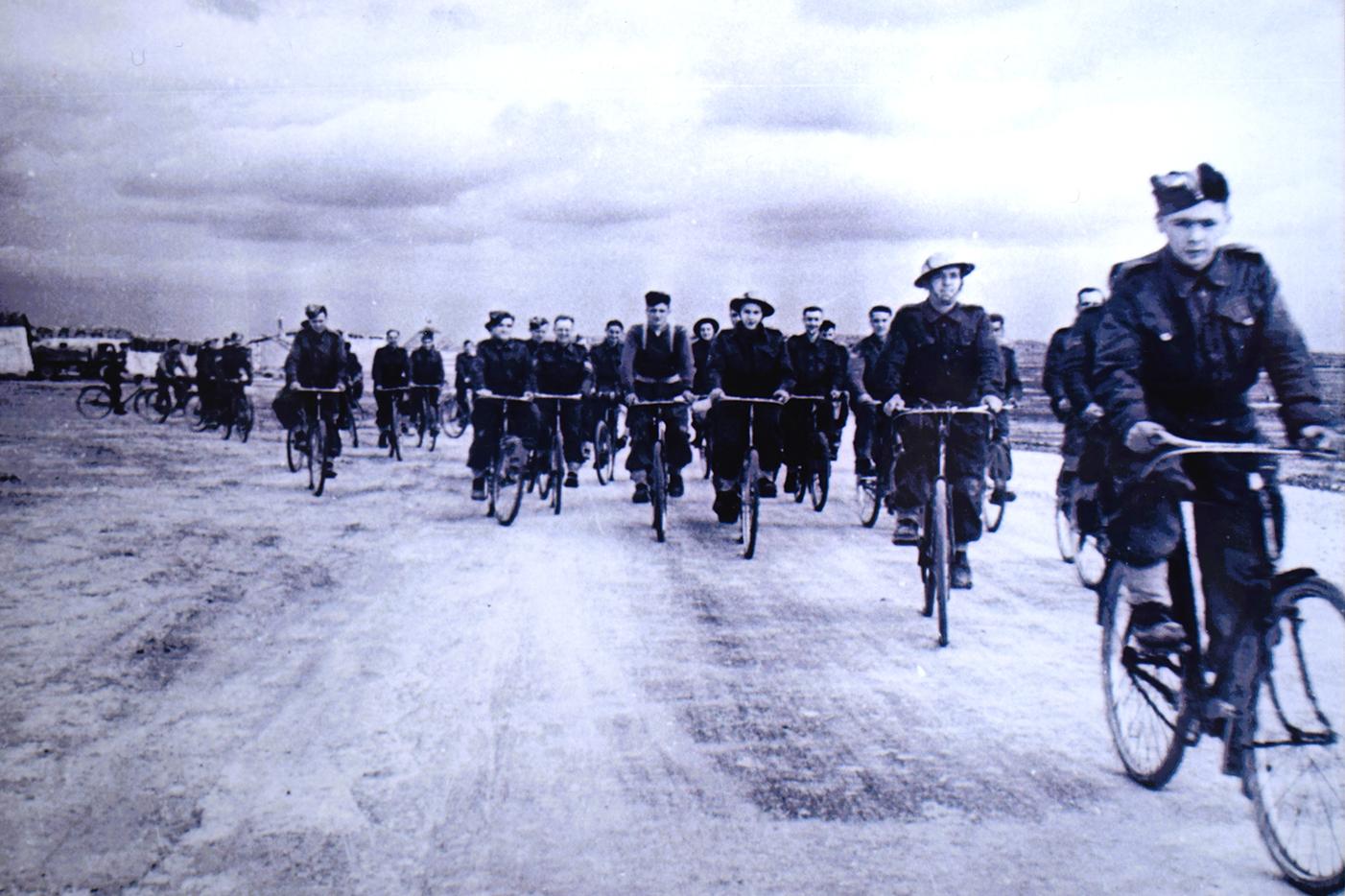
A group of military cyclists in Malta during WWII.
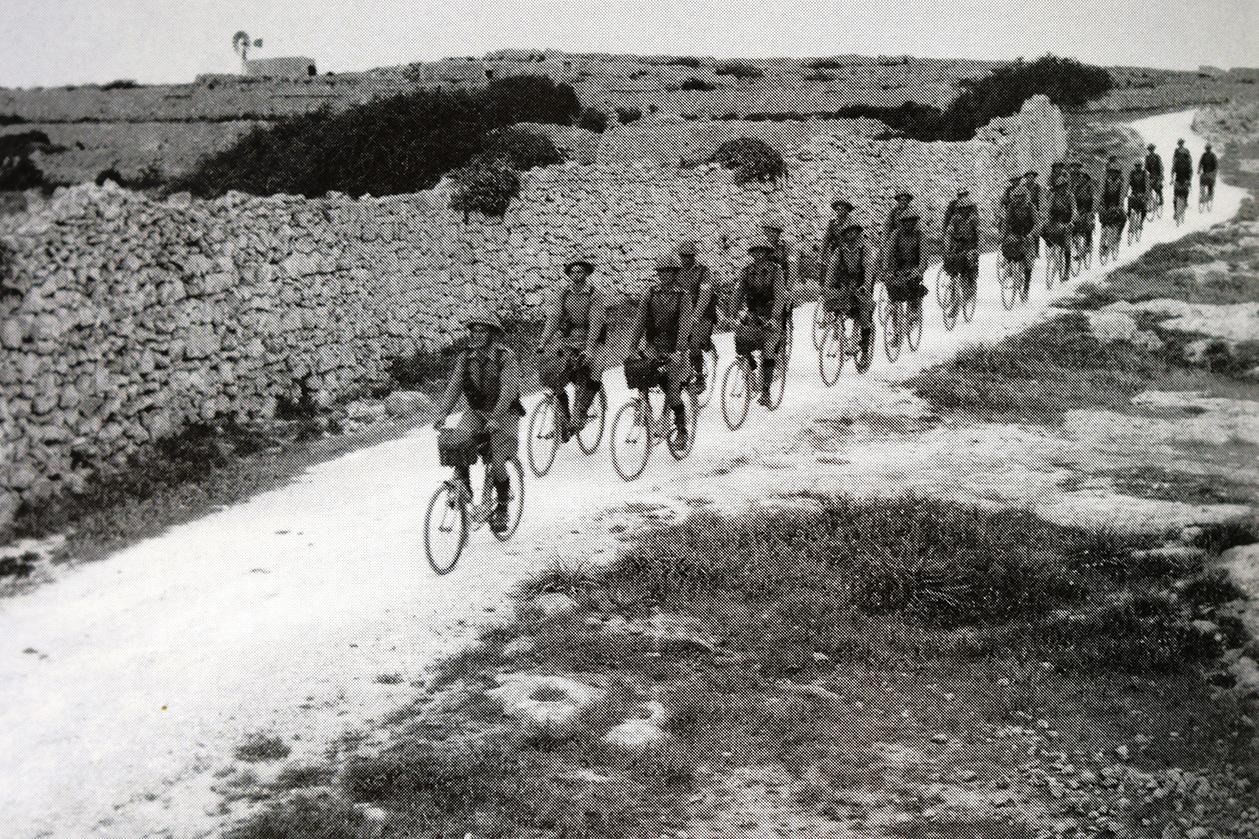
WWII army cyclists in the Maltese countryside.
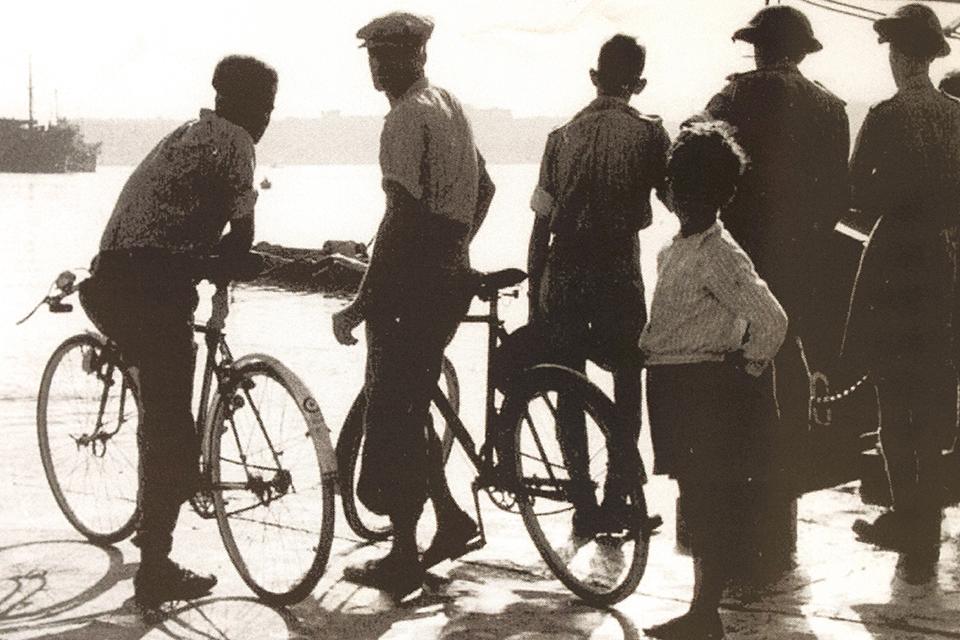
Spectators watching the Ohio berthing in Grand Harbour in WWII.
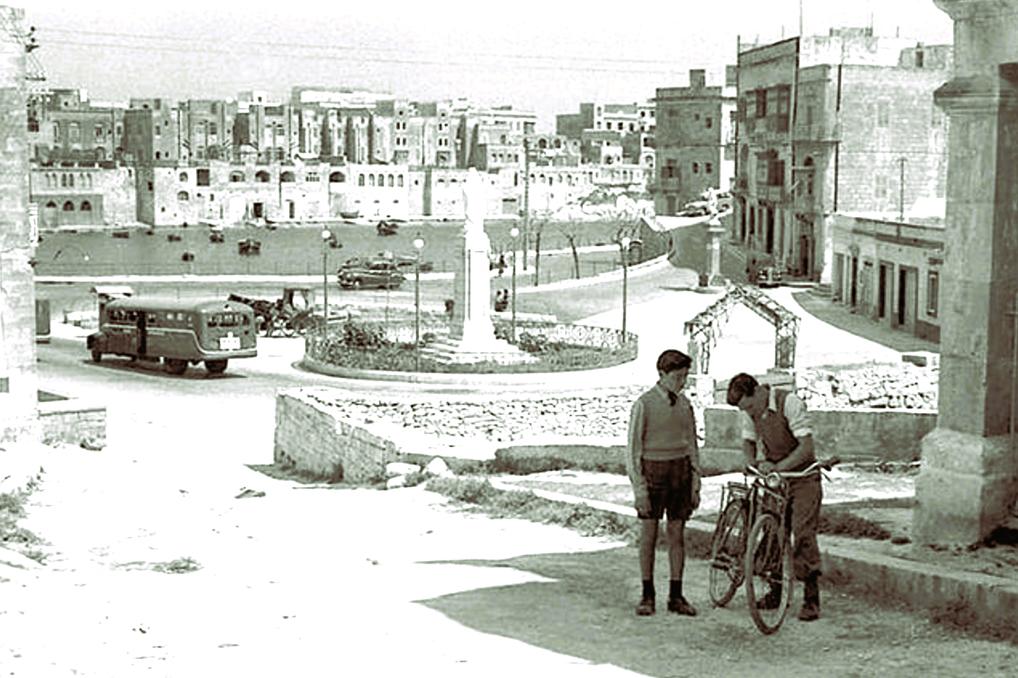
St Julian’s Bay, late 1930s.
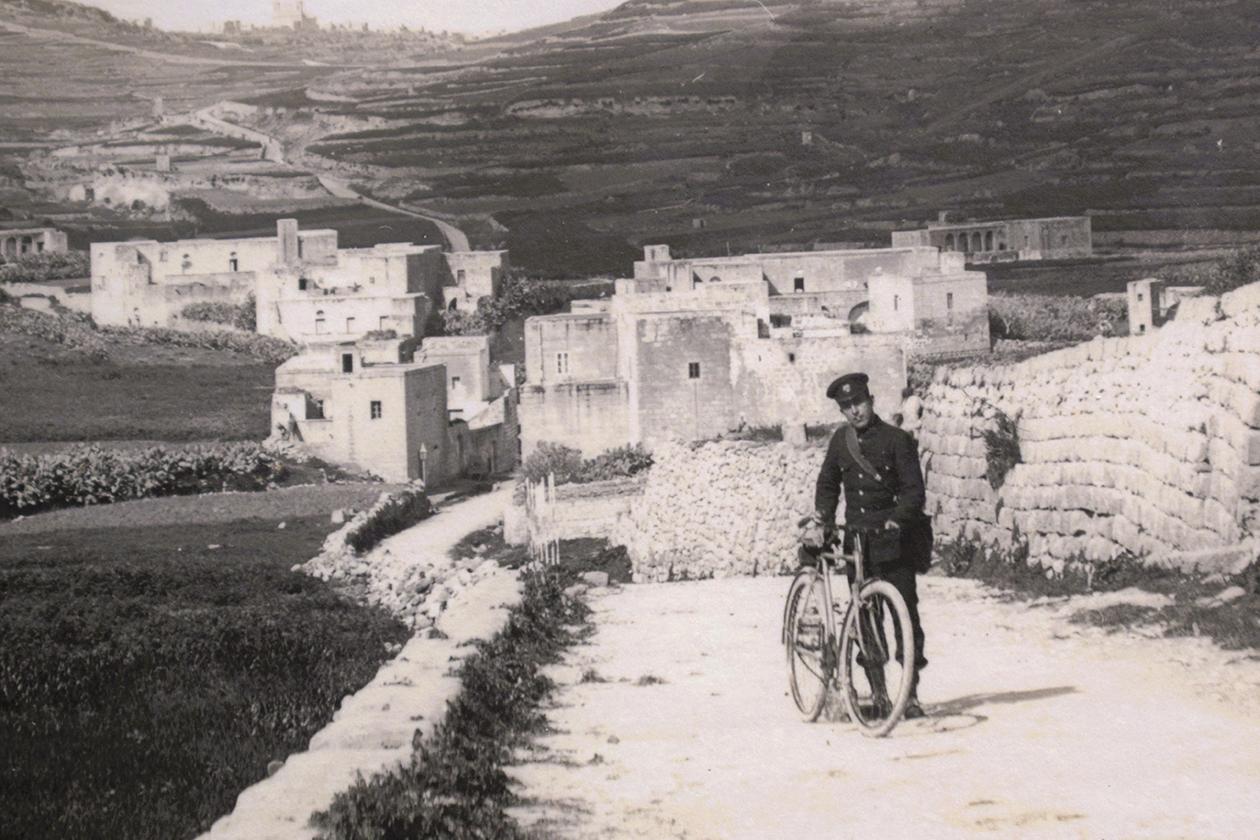
A postcard by Mikiel Farrugia of a policeman on a bicycle on Żebbuġ Road, Gozo.
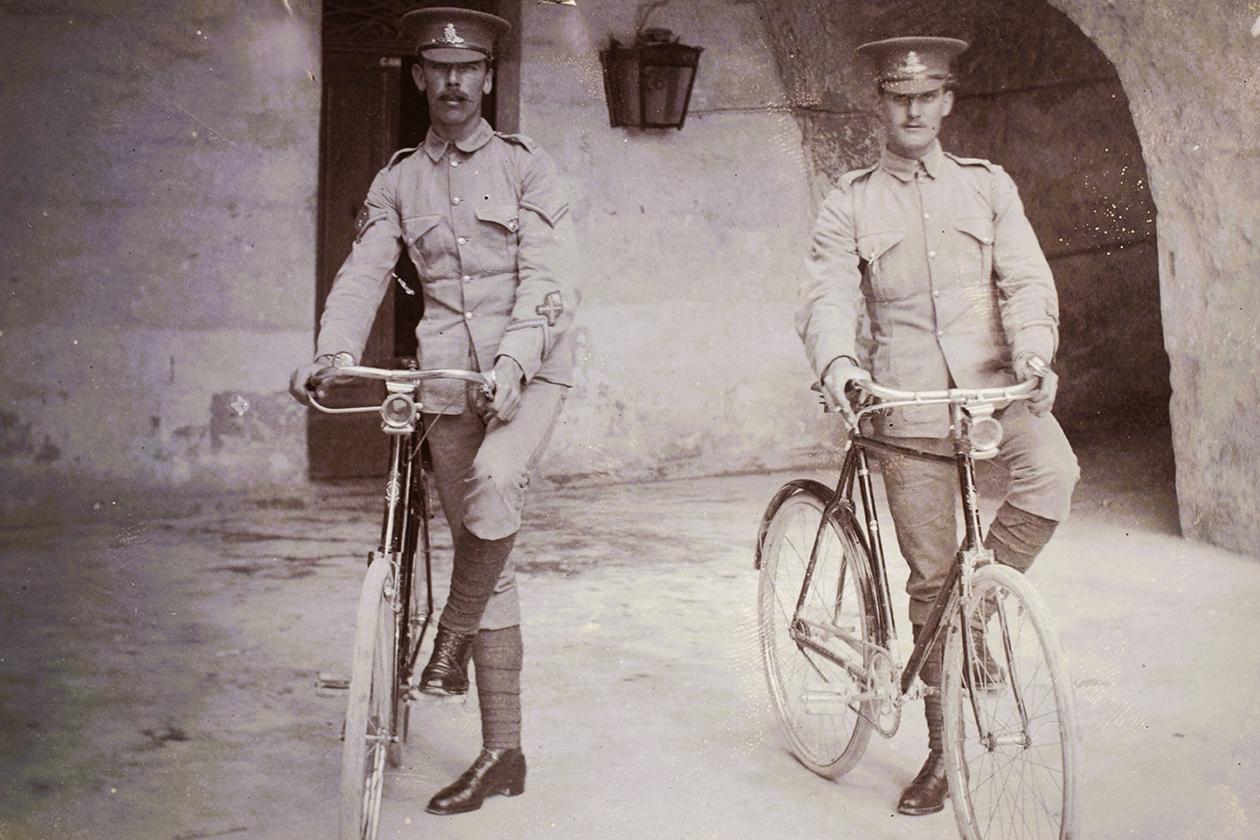
Malta servicemen on bicycles, 1910s.
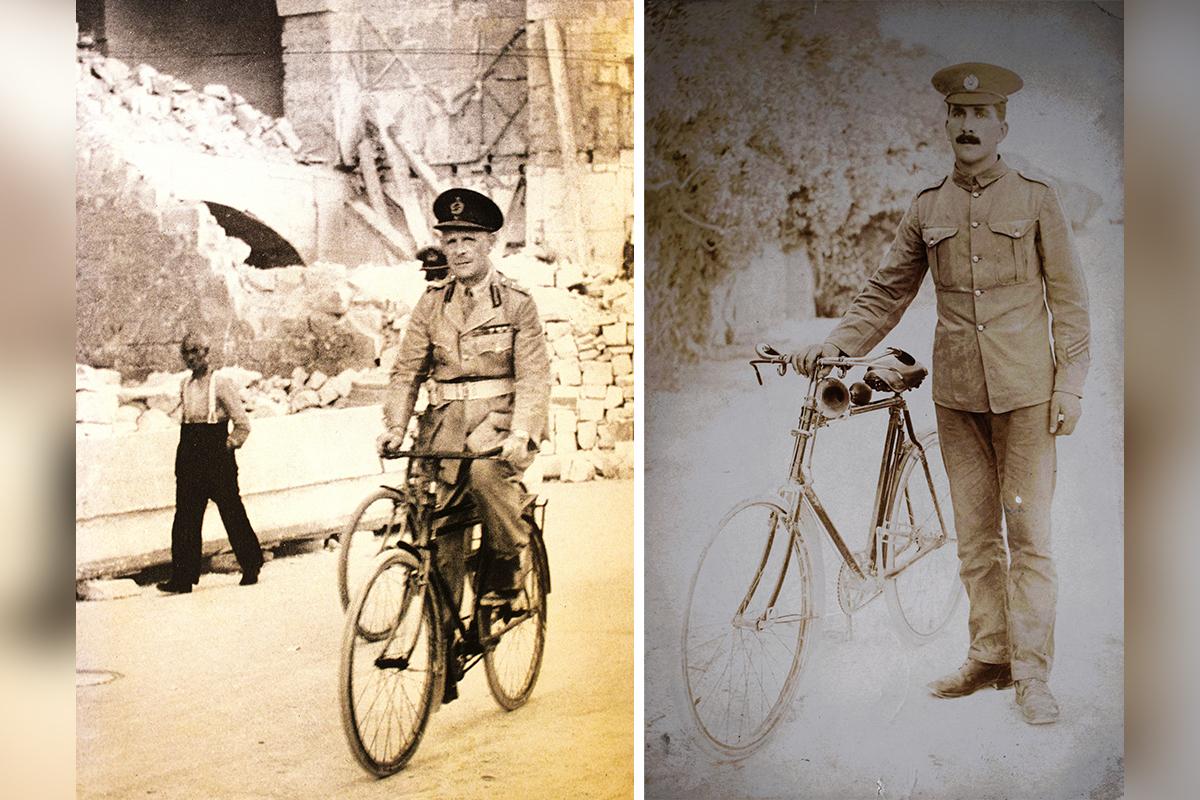
The Governor, Lord Gort, cycling through the streets of bombed Valletta. Right: A serviceman with a bicycle in Malta in WWI.
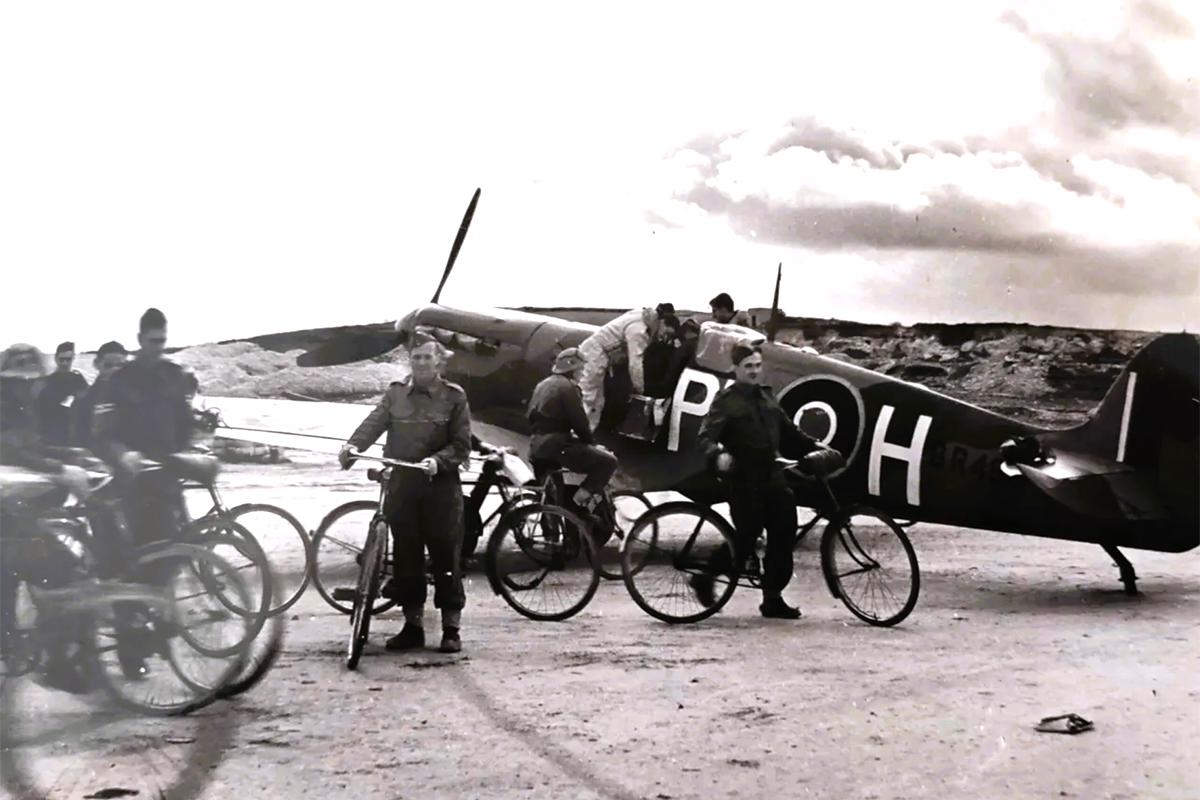
Servicemen with bicycles circling a plane in WWII.
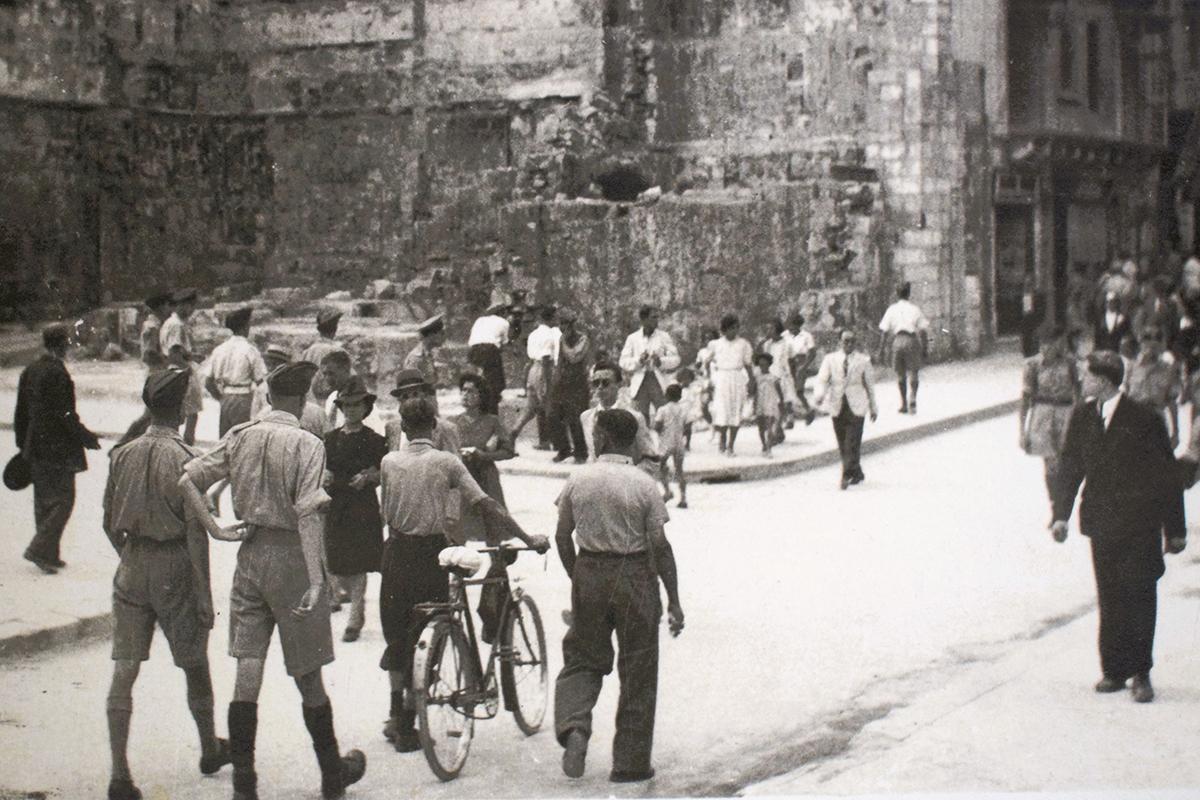
In bombed post-war Kingsway.
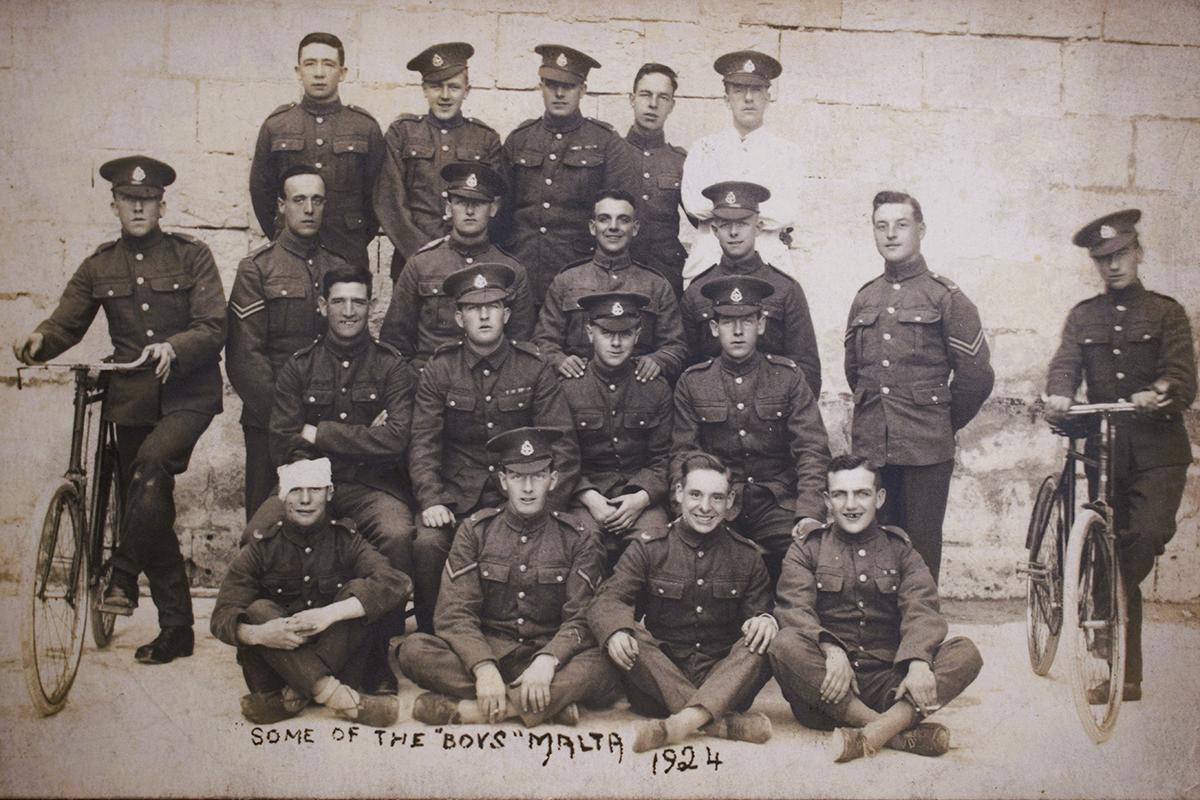
Group photo of soldiers in a WWI Malta postcard.
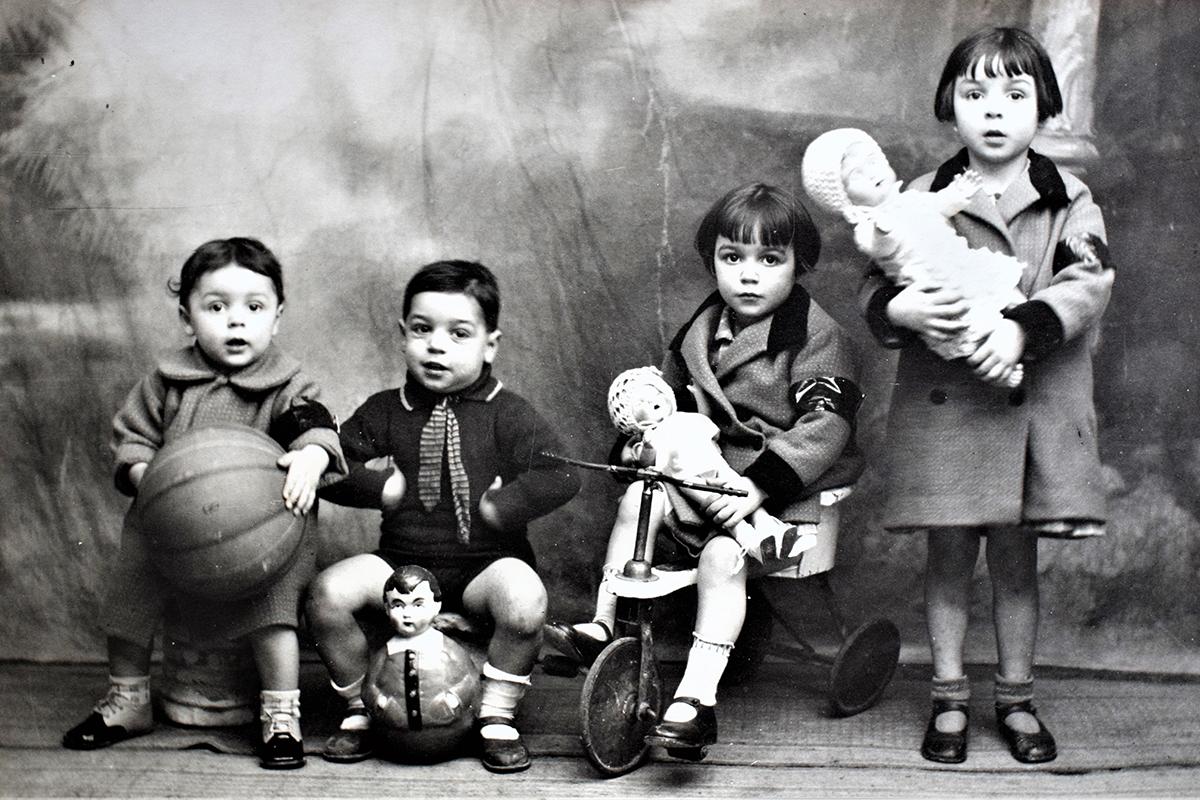
Studio photo of children, by Anthony Serracino, Senglea.