When biology meets silicon: how AI is cracking the code of life
Bioinformatics, which brings together biology and computer science, has become one of medicine’s most powerful tools
Imagine trying to understand why one person’s recipe for chocolate cake turns out perfectly while an almost identical recipe produces something inedible. Now imagine you have three billion factors to compare. That is the challenge scientists face when trying to understand why some genetic variations cause disease while others are harmless.
Bioinformatics, which brings together biology and computer science, has become one of medicine’s most powerful tools. Every cell in your body contains roughly three billion letters of genetic code, which is similar in volume to about one thousand novels.
Modern sequencing machines can read those letters in a day, but figuring out what the differences between your genome and mine actually mean for health and disease is another matter. That is where artificial intelligence begins to help.
Take cancer research. When a tumour grows, its cells accumulate hundreds of genetic changes. Doctors need to identify which of these changes drive the cancer and which are harmless passengers.
Artificial intelligence systems can learn from thousands of previous cases and highlight patterns worth investigating, although these tools work best for well-studied cancers. For rarer types or for people from underrepresented populations, the predictions are far less reliable because the relevant data is still missing.
Last year, researchers used such tools to identify a new antibiotic that can kill drug-resistant bacteria
The impact reaches beyond cancer. During the coronavirus pandemic, artificial intelligence helped scientists analyse the structure of the virus and anticipate likely mutations, although the eventual vaccine designs relied heavily on decades of earlier research on molecular biology and immunology.
In drug discovery, artificial intelligence can scan millions of molecules and point out promising candidates before any experiments begin.
Last year, researchers used such tools to identify a new antibiotic that can kill drug-resistant bacteria, though, even with this help, most compounds still fail once they reach human trials.
The limitations are significant. Biological systems depend strongly on context in ways that computers still struggle to capture. A genetic variant might be harmful in heart tissue but harmless in the liver.
Many artificial intelligence models function as black boxes that offer predictions without explaining why, which makes doctors cautious about using them for treatment decisions. And most training data comes from people of European ancestry, which creates serious gaps in accuracy and fairness.
For now, artificial intelligence in bioinformatics is a powerful assistant rather than a replacement for human expertise. It can surface patterns worth exploring but experienced scientists are still needed to separate genuine insights from misleading artefacts. As one researcher put it, artificial intelligence does not crack the code of life. It helps us ask better questions about which parts of the code to look at next.
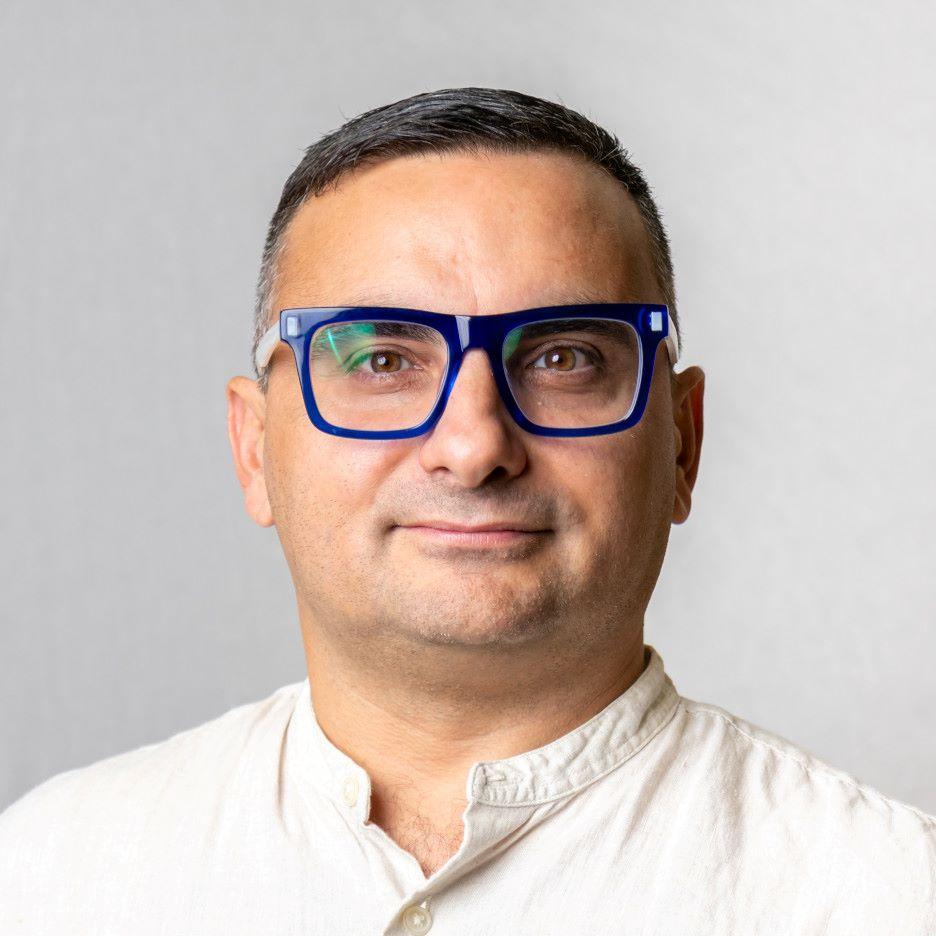
Jean-Paul Ebejer is an associate professor at the Centre for Molecular Medicine and Biobanking, and an associate member of the Department of Artificial Intelligence at the University of Malta. His work focuses on artificial intelligence and bioinformatics, and he coordinates the Master of Science in Bioinformatics at the university. He is also a leading member of the Bioinformatics Research Group.
Photo of the week
 Photo: Marco Grassi
High on the misty plateaus of Socotra, Yemen, the strange umbrella-shaped dragon’s blood tree stands like a relic from another world. Endemic to the island and famed for its crimson sap, this ancient species has evolved to harvest every drop of moisture in one of the driest places on Earth. Its otherworldly silhouette remains a striking reminder of how isolation can shape life into extraordinary forms. Photo: Marco Grassi
Sound Bites
• Regular consumption of polyphenol-rich foods like tea, coffee, berries, nuts and whole grains may significantly support long-term heart health. A decade-long study of more than 3,100 adults found that those who consistently ate polyphenol-packed diets had healthier blood pressure and cholesterol levels, as well as lower predicted cardiovascular risk.
• Vast amounts of valuable research data remain unused, trapped in labs or lost to time. The open-science publisher Frontiers aims to change that with FAIR² Data Management, a groundbreaking AI-driven system that makes datasets reusable, verifiable and citable. By uniting curation, compliance, peer review and interactive visualisation in one platform, FAIR² empowers scientists to share their work responsibly and gain recognition.
For more soundbites, listen to Radio Mocha every Saturday at 7.30pm on Radju Malta and the following Monday at 9pm on Radju Malta 2 https://www.fb.com/RadioMochaMalta/.
DID YOU KNOW?
• On IMDb, the late Rob Reiner film This Is Spinal Tap is rated out of 11, a fun nod to the movie’s famous line “these go to 11”.
• Word of the day: sockenschläfer (German) ‒ a wimp, literally “someone who sleeps with socks on”.
• After the urine collection device in his spacesuit broke, Buzz Aldrin walked on the moon with a boot full of pee.
• For £292,000, you can buy an immersive human washing machine that will clean, rinse and dry you while playing relaxing music.
For more trivia, see: www.um.edu.mt/think.