Bishop Nikol Ġ. Cauchi – 15 years from his demise
The late Gozitan bishop was a man of all seasons, a fatherly figure to his priests and to his flock
Erudite, intelligent, inspiring and witty; these are just a few adjectives I feel one can use to describe the late Nicholas Joseph Cauchi, who was bishop of Gozo between 1972 and 2005. No biographical sketch of his would be just without mentioning his sense of humour as well as his great sense of rhetoric; his homilies hardly ever exceeded 10 minutes and one would never tire of listening to him preaching.
Humble beginnings
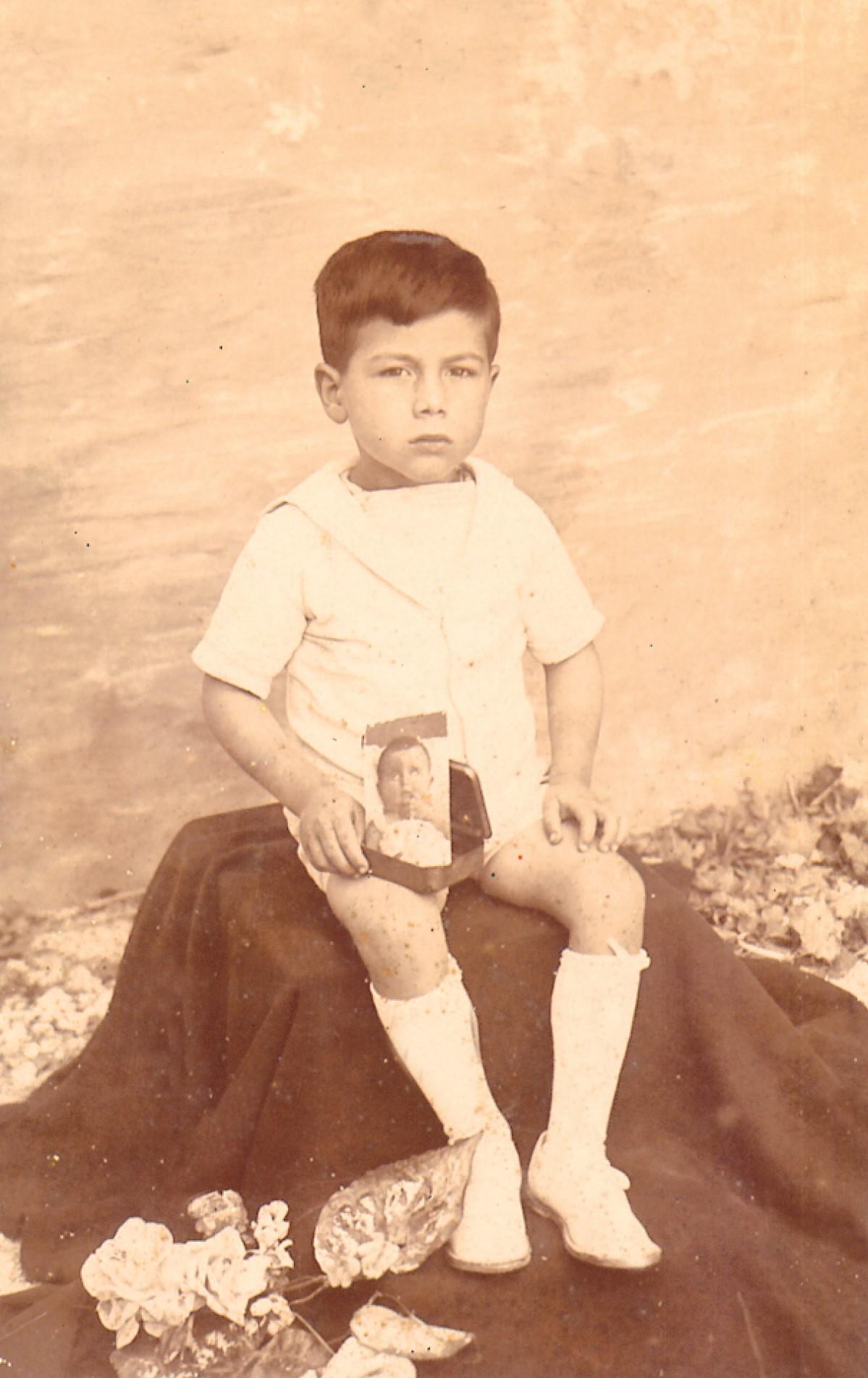 Nikol as a young boy in Għarb, holding a photo of his younger brother Giovanni, who died in his infancy.
Nikol Cauchi was born to a humble family from Għarb on March 2, 1929. It was a different era altogether; less than a month before his birth, on February 11, the Holy See had signed the Lateran Treaty with Benito Mussolini’s Fascist regime, thus creating the newly founded Vatican City State.
Achille Ratti, known as Pius XI, was at the helm of the Catholic Church, and, on December 16 of that same year, Eugenio Pacelli, the future Pope Pius XII – with whom Cauchi shared his birthday – would be made cardinal.
History was truly in the making: 1929 will also be remembered as ‘the year of the global slump’, with reference to the beginning of the Great Depression, a severe worldwide economic downturn affecting many countries around the world. In Malta, just 10 years before, the Sette Giugno riots had taken place.
Brilliant priest
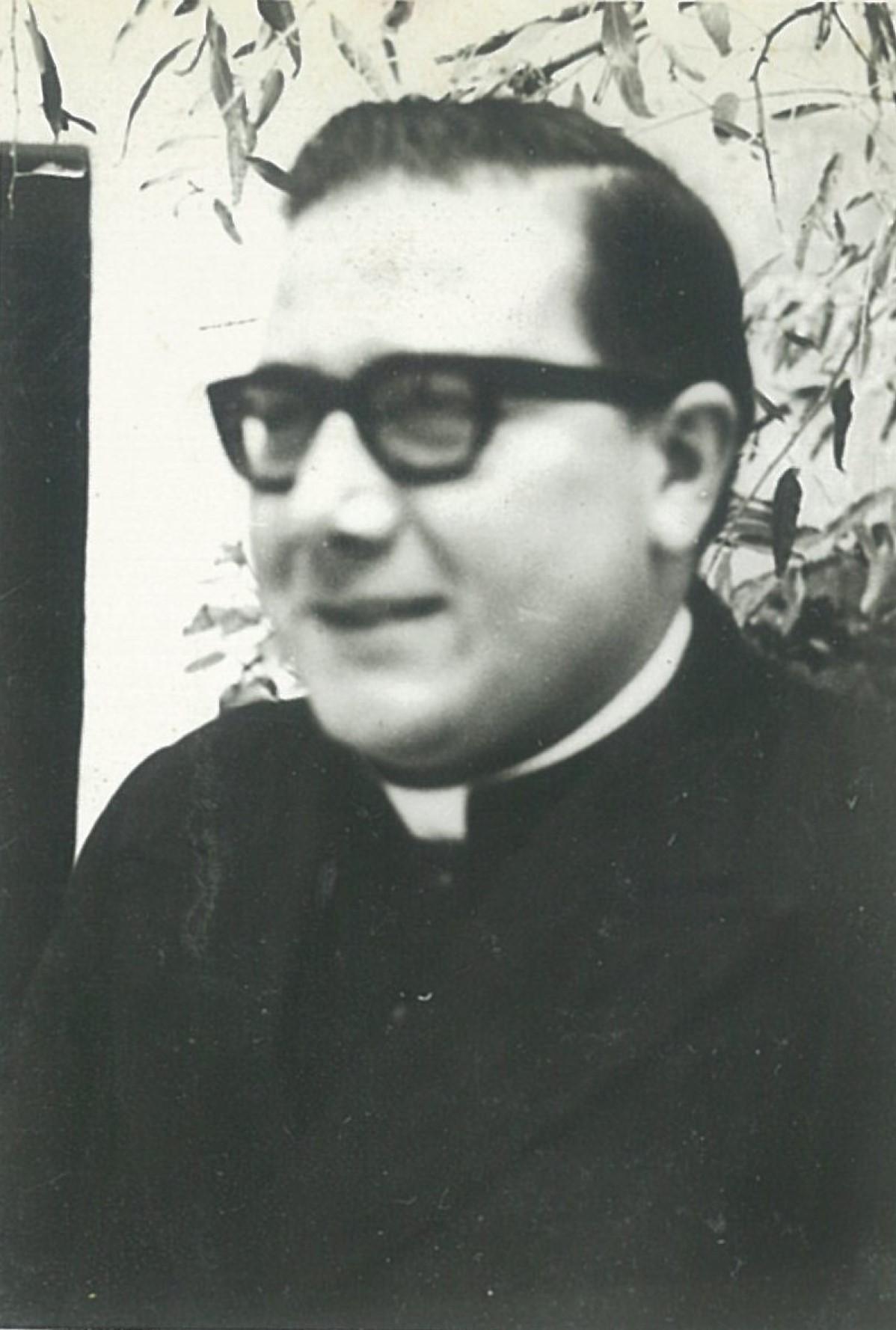 Nikol Cauchi was a brilliant student and was ordained to the priesthood on March 29, 1952.
Gozo had been a diocese since 1864 and, in 1929, the bishop was Mgr Michael Gonzi. Cauchi was a brilliant student who was ordained to the priesthood on March 29, 1952 and then continued his studies in Rome’s renowned Gregorian University, from where he obtained a licentiate in sociology and a doctorate in philosophy.
He focused his doctoral dissertation on the philosophical thought of Don Luigi Sturzo (1871-1959), an Italian priest who founded the Italian Popular Party.
Back in Gozo, he became involved in the social life of his native island and made a name for himself as an able writer and speaker.
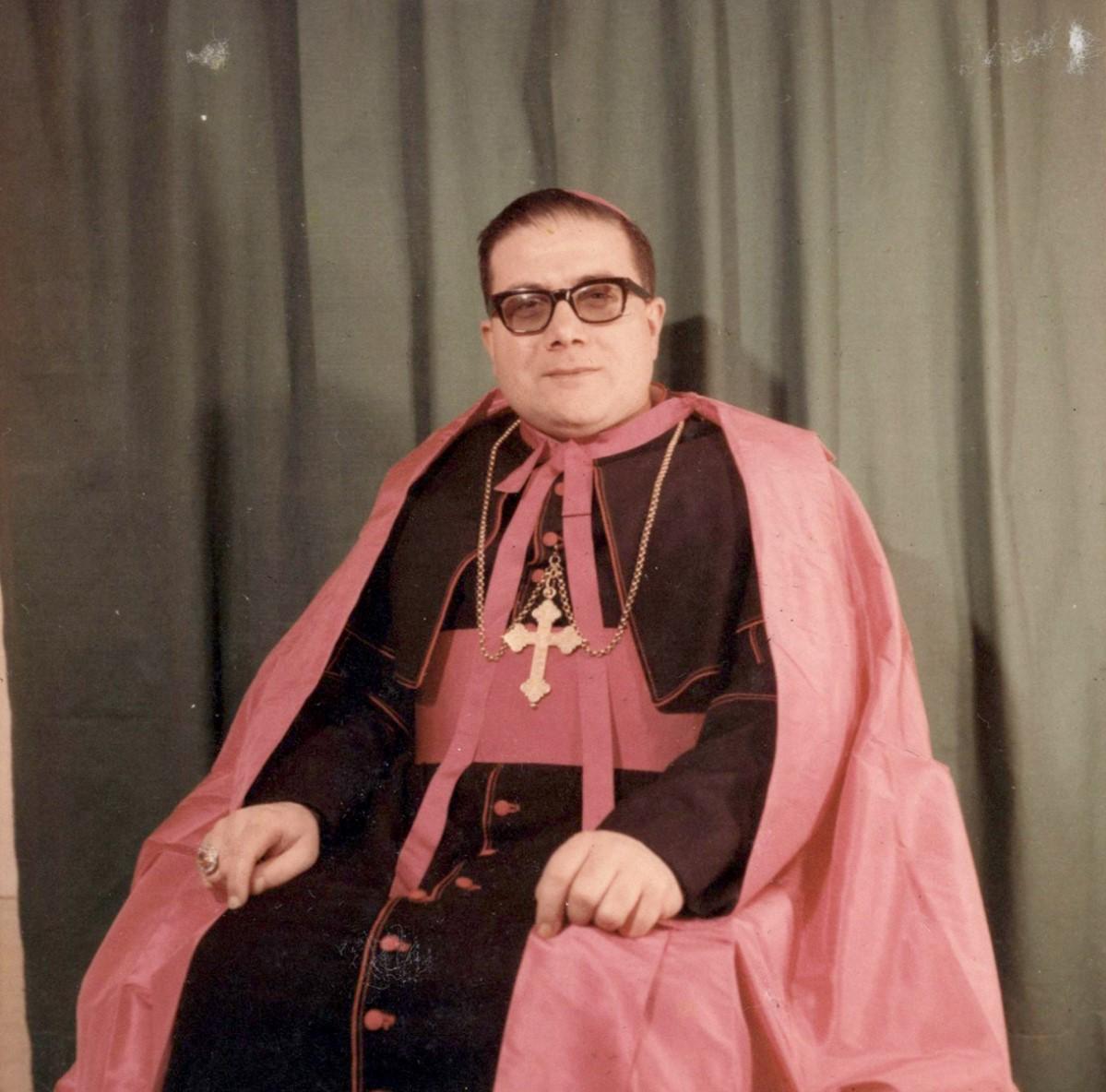 Nikol Cauchi shortly after his nomination as apostolic administrator of the Gozo diocese in 1967.
Zealous pastor
The newly ordained priest from Għarb was at home in the social milieu of his native island. Cauchi was a member of the Gozo Civic Committee as a representative of the bishop, a post he served from June 12, 1959, onwards.
His special abilities as a public speaker and his closeness to Gozitan society put him in a privileged position to address contemporary social issues from a pastoral perspective.
‘Dun Nikol’ also served as parish priest of Fontana from 1956 to 1963, and it was in 1967 that he was named auxiliary bishop of the Gozo diocese.
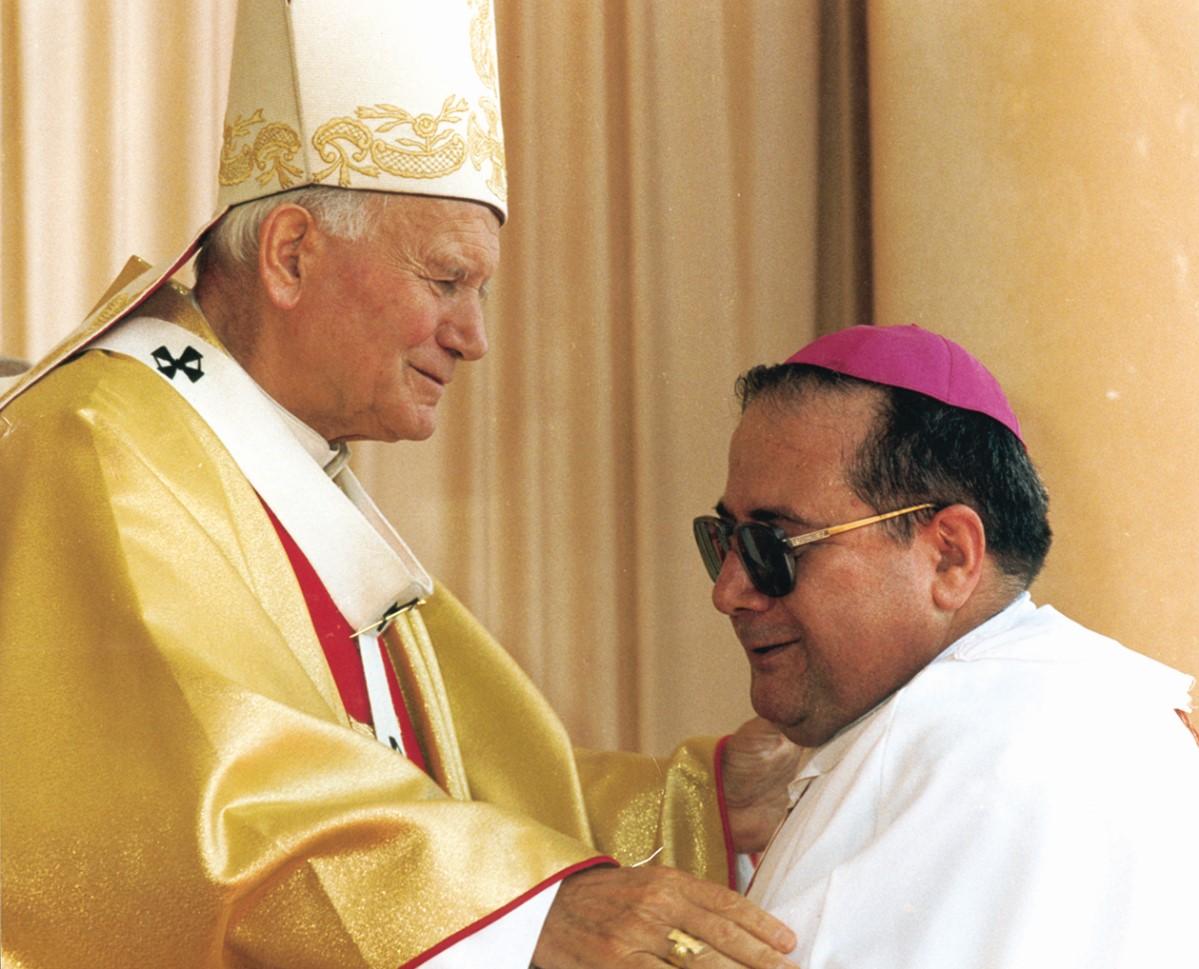 Nikol Cauchi being greeted by Pope John Paul II, who was the first pope to visit Gozo in 1990.
Avid reader and writer
Cauchi was an avid reader and writer; a visit to his private apartment at the Sacred Heart Seminary was enough to reveal the commanding knowledge he had of various areas of study. Although philosophy was his forte, he could be described as an expert in theology, Church history and other ecclesiastical sciences.
He spoke Italian and English well and had a command of Latin. Cauchi was also a man of letters and read literature in Maltese, Italian and English, and took interest in other foreign languages.
He also wrote a couple of oratorios, proving that he could be also a religious poet. He is the author of over 100 books, most of them published by the very publishing house he himself founded – Lumen Christi Publications – owned by the Gozo diocese.
His book X’għadek Tiftakar mill-Katekiżmu, which is now out of print, made a hit, and his Ejjew Nitolbu booklet, containing the most important prayers in the Catholic tradition, ran into dozens of editions and is still in print.
His pastoral letters were also a reflection of his wide reading and his familiarity with papal encyclicals and Church documents was renowned, not to mention his ability to quote at length from the main documents of Vatican Council II, especially the Lumen Gentium and the Gaudium et Spes.
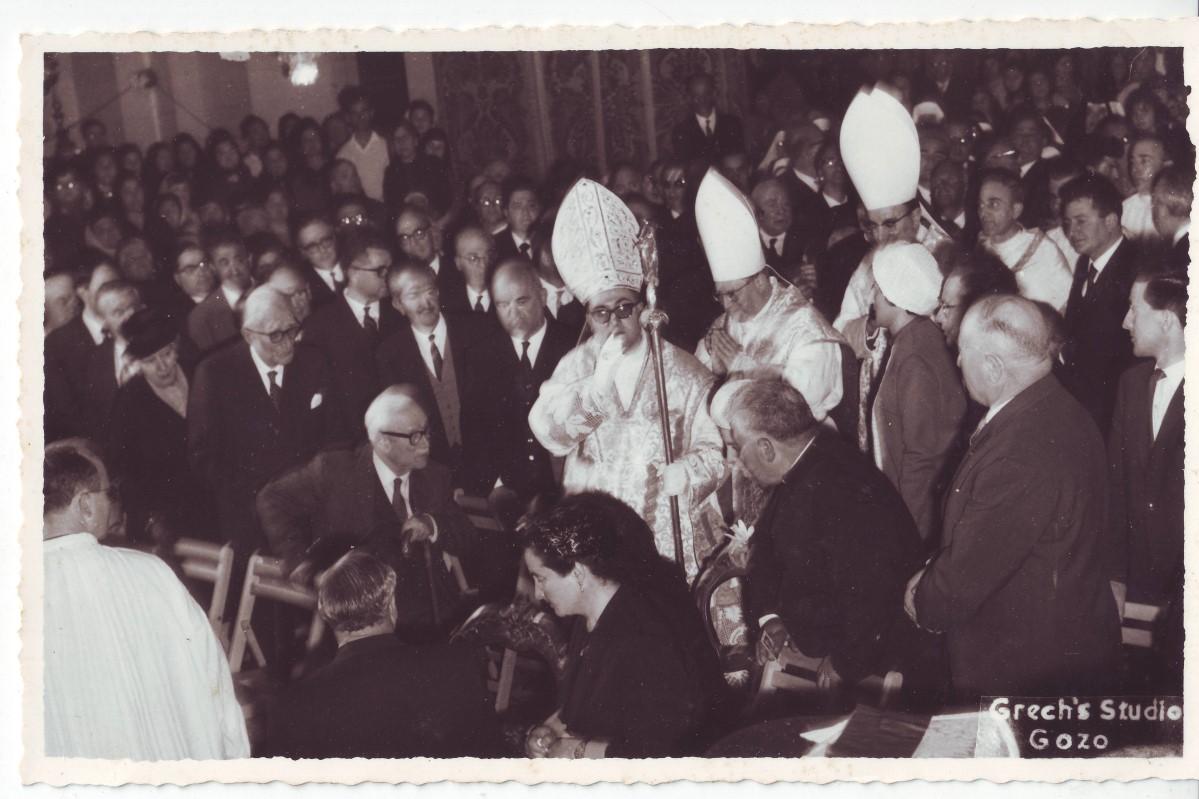 Nikol Cauchi pictured at the Gozo Cathedral during his episcopal consecration as bishop of Gozo in 1972.
Implementor of Vatican II
Having been ordained bishop in 1967, Dun Nikol was in best of positions to try to inject the Church in Gozo with the spirit of Vatican Council II, which had concluded in 1965. These were indeed times of change; when he became diocesan bishop in 1972, succeeding the ageing Mgr Ġużeppi Pace, Cauchi inherited a Christian community that was still embedded in a traditional and parochial social milieu.
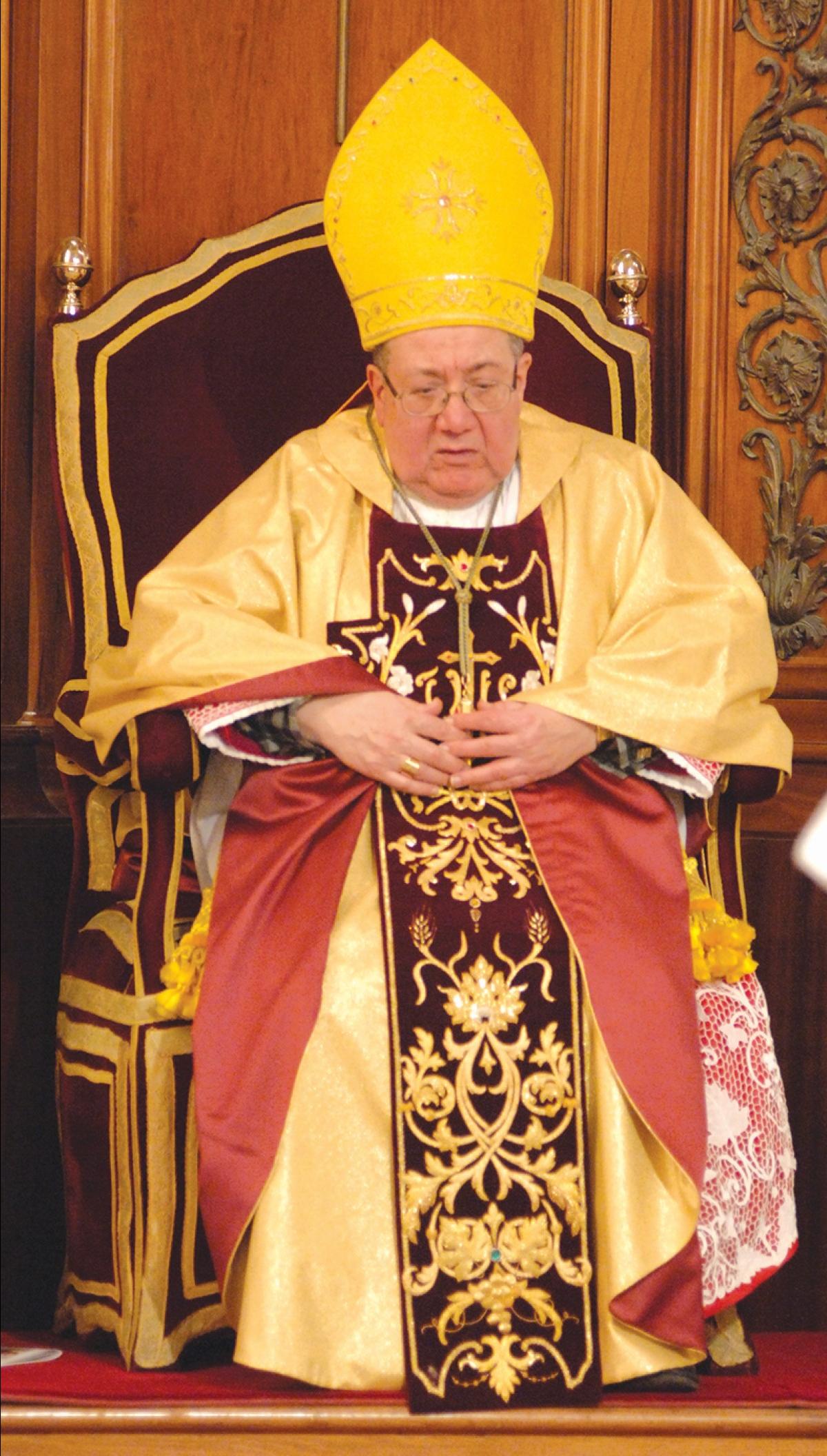 Nikol Cauchi served as bishop of Gozo from 1972 until his retirement in 2005.
As a new bishop he had to contend with controversial issues based on parochial rivalry, reflecting the island-mentality that had been rampant for decades. He did, however, manage to imbue his diocese with the new spirit of the Council, emphasising the need to perceive the Church as the People of God, centred around the Gospel as the Good News for the poor.
Cauchi was always sensitive to the needs of his flock. Even when his health was not at its best, he still carried on as best he could. It is admirable that he even continued to lead some of the titular processions that take place in the unsufferable summer heat to respect the sense of tradition, something his successors eventually moved away from.
The late Bishop Cauchi was a man of all seasons, a fatherly figure to his priests and to his flock, a warm and beloved prelate who lived authentically the motto he chose for his episcopate – Fortiter et Suaviter – strong at times but sweet in nature and personality always and everywhere. He still lives in the hearts of many.
May he rest in peace… and may his legacy live forever.
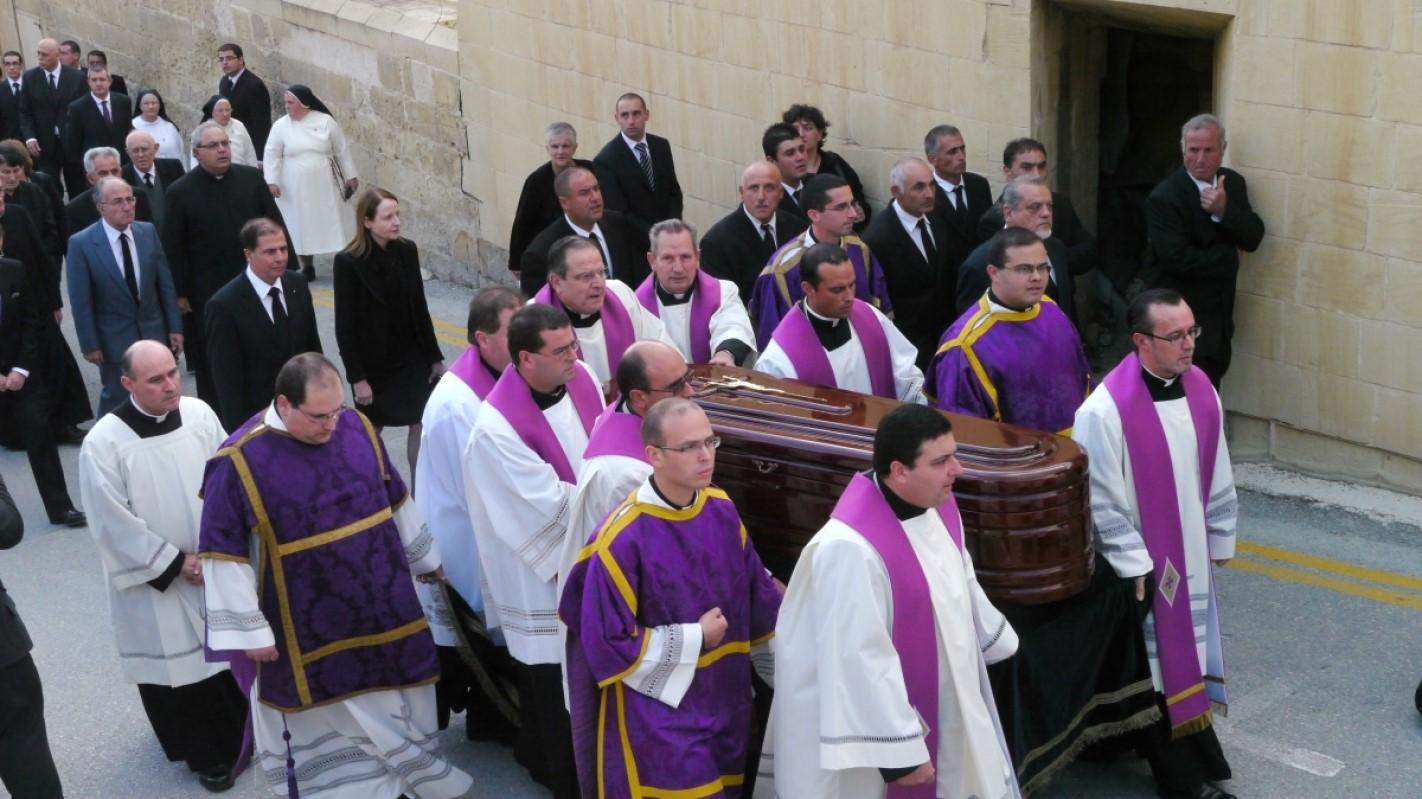 Nikol Cauchi's coffin pictured during his funeral cortège on November 17, 2010.
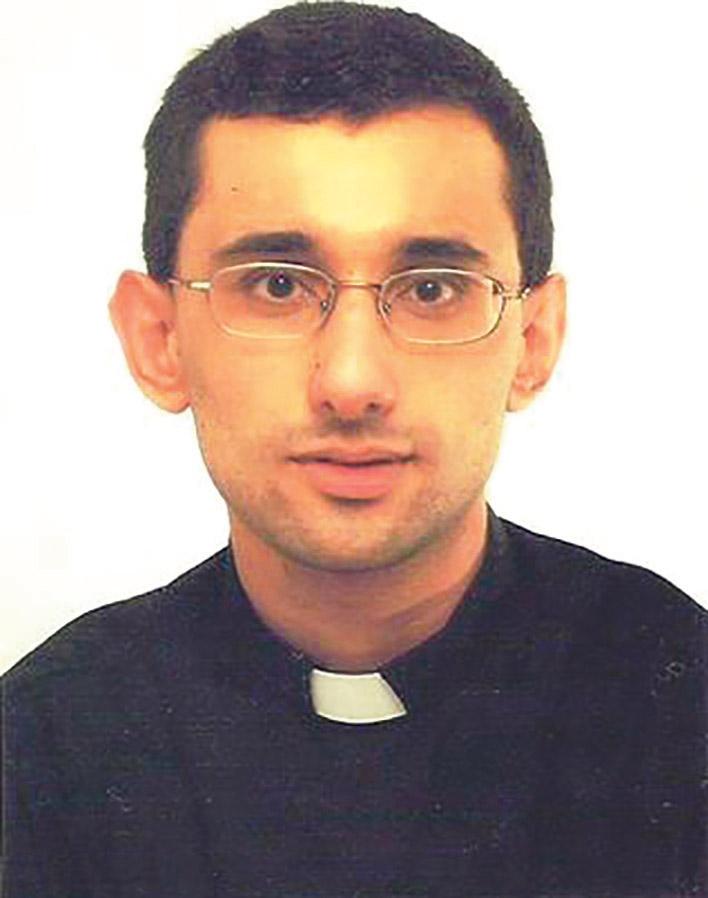
Fr Geoffrey G. Attard lectures Church history at the Gozo Major Seminary.