He was born blind. Now Max’s parents are fighting to save his hearing
Fundraiser launched for baby born with life-altering disease that affects 500 worldwide
When baby Max Privitera was a few months old, he was diagnosed with a life-altering disease that affects fewer than 500 people worldwide.
The 10-month-old has a rare genetic condition called Norrie Disease which causes blindness and progressive hearing loss.
Now his parents Clint and Rachel are fundraising to support research into the condition that robbed him of his sight, hoping it will not also lead to him becoming deaf.
“Max gives us strength,” Clint said. “He’s joyful, curious and outgoing. He loves music and learns very quickly. We want to do whatever we can to give him the best life possible,” he said.
“Being blind is not ideal, but you accept that this is his world and you start thinking about what he needs and what we need to do to help him.
“It’s one thing teaching him how to navigate the world as a blind person,” Clint said.
“But if he loses his hearing too, that would be another major challenge. This research is what we can do right now to help our son.”
Max was born on April 4 last year. “At birth, he looked like any healthy baby and passed all the hospital tests, which we later learned is normal with this condition,” Clint explained.
“But when he was about two months old, we noticed rapid eye movement. We asked friends if this was a normal developmental stage, and they told us it wasn’t.”
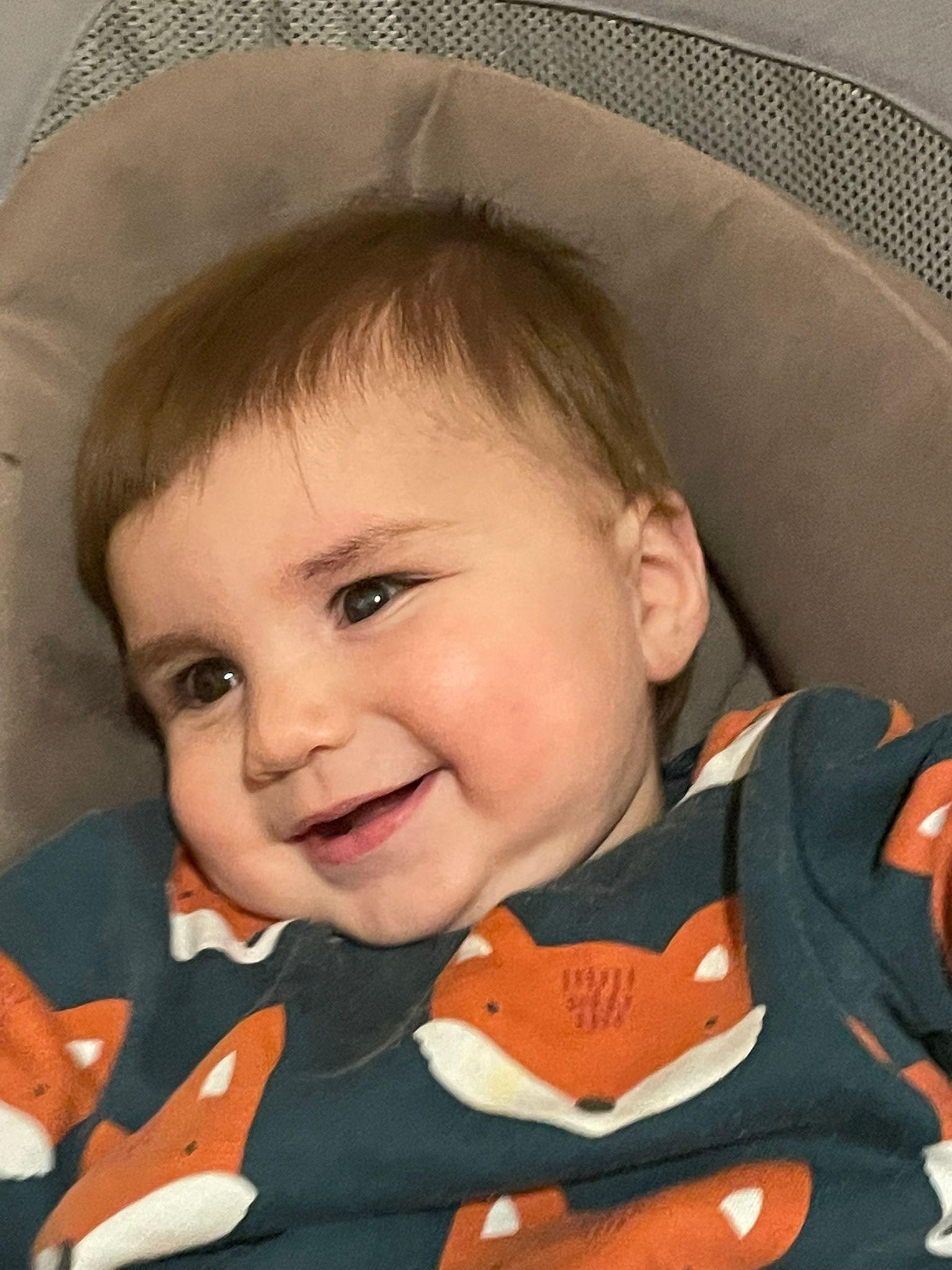 The 10-month-old has a rare genetic condition called Norrie Disease which causes blindness and progressive hearing loss.
The couple booked an appointment with a paediatric ophthalmologist who immediately identified a serious issue with Max’s eyes that required further investigation.
An ultrasound confirmed that the condition could not be treated in Malta and Max was referred to Great Ormond Street Hospital (GOSH) in London. In the meantime, blood tests were carried out to investigate a possible genetic cause.
While waiting for the results, his parents began researching and came across Norrie disease as a possibility.
“A month later, while we were in London for our first appointment, we received a call confirming it was Norrie Disease,” Clint said. “We were hoping it wasn’t.”
With no cure currently available, doctors at GOSH can only monitor Max’s condition. He has check-ups every six to nine months to assess his hearing.
The family was introduced to the Norrie Disease Foundation, which promotes vital research and supports families affected by the condition. The foundation has played a key role in advancing understanding of how hearing loss develops in people with the condition.
While vision loss is present at birth, hearing typically deteriorates later due to the death of cochlear hair cells ‒ specialised sensory cells in the inner ear that convert sound vibrations into electrical signals for the brain.
Recent research suggests that a lack of the norrin protein may cause both hair cell deterioration and blood vessel malfunction in the inner ear, leading to deafness from as early as eight years of age but more typically later in teenage years.
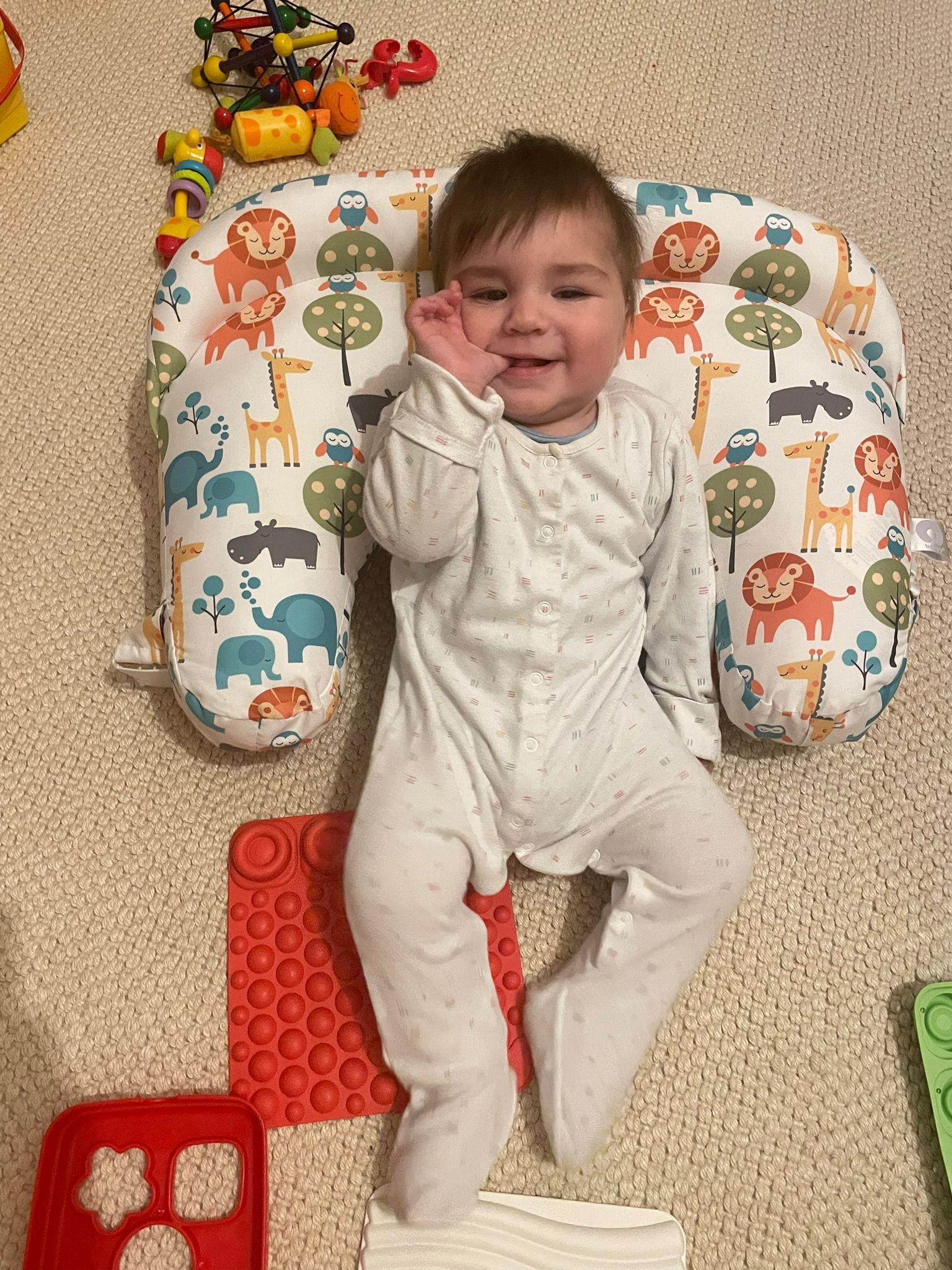 With no cure currently available, doctors at GOSH can only monitor Max’s condition.
An international team of doctors and scientists is developing a gene therapy aimed at slowing, preventing or significantly reducing hearing loss caused by Norrie Disease.
For children who are already blind, preserving hearing could dramatically improve communication, independence, education and overall quality of life. However, this research requires significant funding, and Max’s parents are doing what they can to support this research. They have launched a fundraiser to support the work.
If these treatments become available in the coming years, Max could still be young enough to benefit.
You can support the research here.