British era aqueducts granted heritage protection
The structures are at Fawwara, Xemxija and Victoria, Gozo
Three historic aqueducts from the British era have been granted protection by the Planning Authority, "as rare testaments to Malta’s evolving relationship with water and public health."
The structures are the Fawwara aqueduct in Siġġiewi and the Xemxija aqueduct along Triq Għajn Tuffieħa, which been given a Grade 2 designation, and the aqueduct in Victoria, Gozo, which has been granted the highest level of protection, Grade 1.
Constructed in the 19th century during a time of rapid demographic and infrastructural change under British rule, these aqueducts reflect a period when Malta was adapting to the needs of a growing population, increased military presence, and new understandings of public hygiene, the PA said.
"In an era when cholera and other diseases loomed large, access to clean water became not just a matter of convenience, but of survival. Governor General Sir Henry Frederick Bouverie played a pivotal role in addressing this challenge, commissioning major waterworks including the now-protected aqueduct that brought water from Għar Ilma into the heart of Victoria, where it was stored in a specially constructed reservoir—already scheduled for protection since 1998," it added.
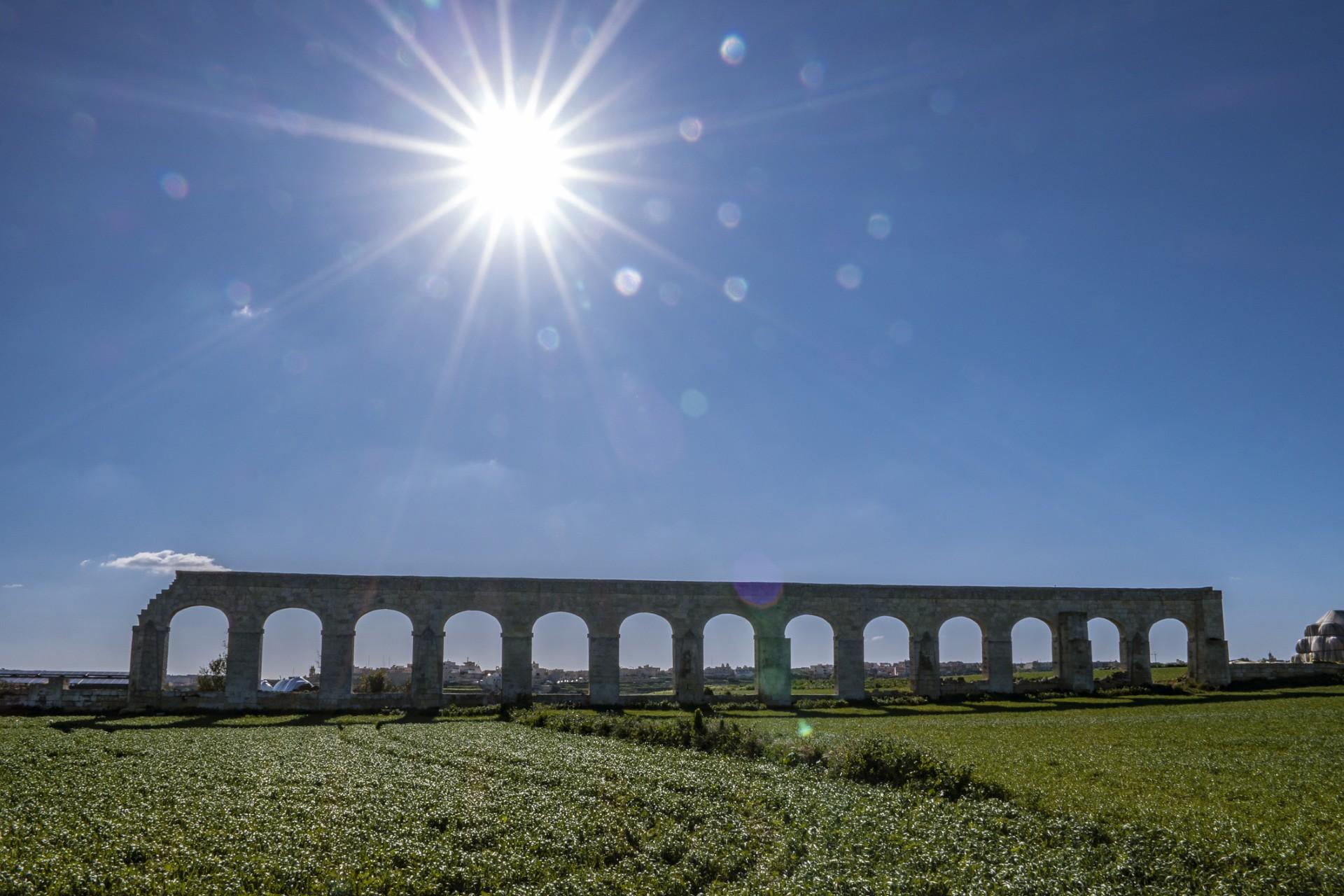 The remains of the aqueduct in Victoria, Gozo.
The Fawwara aqueduct, completed in 1845, supplied water to Cospicua and most of the Southern towns of Malta along its way and remains an engineering feat carved into the Siġġiewi hillside.
In Xemxija, remnants of an older irrigation network still run parallel to Triq Għajn Tuffieħa. This system, likely developed in the 1830s, once served the agricultural community and may have later integrated additional sources from Għajn Astas and San Martin.
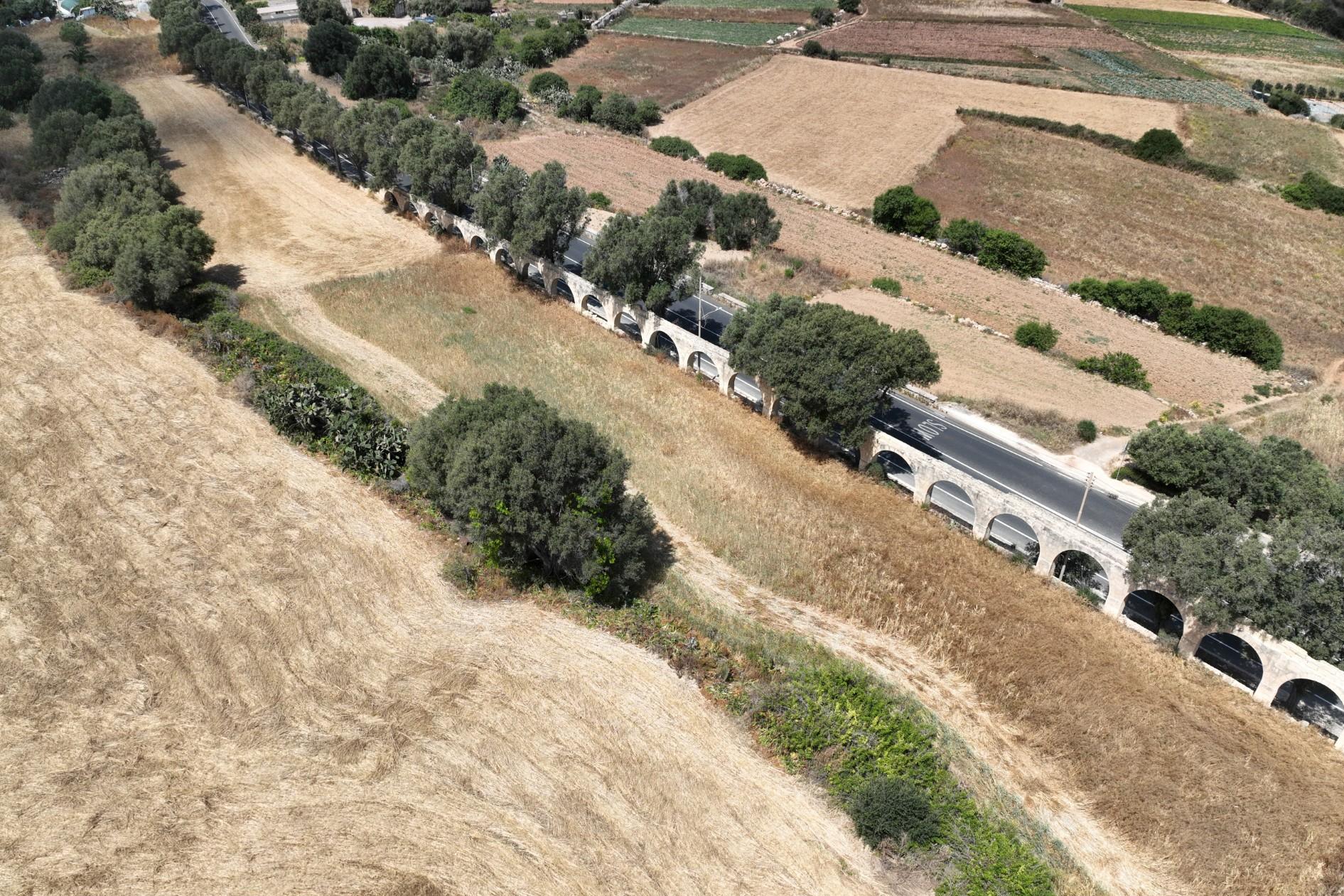 The Xemxija aqueduct.
Johann Buttigieg Chairperson of the Planning Authority said that by scheduling these aqueducts, the Planning Authority in collaboration with the Superintendence of Cultural Heritage was not only preserving architectural heritage, but protecting the collective memory of how Malta's communities once lived, struggled, and innovated.
”Though no longer in use, these aqueducts stand as physical reminders of Malta’s ingenuity and resilience. They are emblematic of a time when water was gathered, stored, and transported with great effort—an era very different from today’s digital meters and pipelines. The preservation of these rare engineering landmarks ensures that future generations will continue to learn from—and be inspired by—the legacy of water in Malta," he said.