Building communities, not institutions
From disability services to offender rehabilitation, decentralisation offers a more humane and effective path to social inclusion, says Dominic Garcia
Social justice is in the air and decentralisation has fundamentally become the philosophy of our everyday lives. Today, more than ever before, the idea of deinstitutionalisation is transforming into a core mentality embraced by those whose genuine intention is to enhance communities where people with different abilities can thrive.
Individuals are successfully adopting a lifestyle that is community-based rather than institutionally confined. If this is truly the case, then the Maltese community should feel immensely proud to have cultivated a collective mindset in which social justice, rooted in human dignity and profound respect, thrives.
Let us recall and make a quick, critical reflection on the past of this tiny island. I refer readers to the specific times and historical events that brought about a deeply positive impact upon our society. Such a positive impact is undoubtedly the proud result of a political system, working alongside the Church, that has long been ingrained in the mentality of prioritising the social well-being of the collective.
I vividly remember times when people with different abilities were hidden away and completely segregated from the community. Then, there was an evolution and large institutions were built to host people who were strictly labelled according to one single disability, completely ignoring the many other rich abilities that they possessed. I am thinking specifically here of Id-Dar tal-Providenza, which was originally built afar and away from sight.
Thankfully, the present administration is actively seeking a welcome devolution of this institutional mentality, giving the vital possibility to persons to lead an independent life within the community. As with the legacy of Id-Dar tal-Providenza, other small homes were and are still being built today to host a modern philosophy of true integration.
Thankfully, the Maltese community has also become ever more embracing of difference, to the extent that pets are now becoming an integral part of our family or our community.
I say this in recollection of the past, where one could commonly see a pack of strays desperately trying to find their lunch from the rubbish bins before they were collected from in front of our homes. I clearly remember dogs being openly mistreated and beaten back then; furthermore, corporal punishments in schools and in homes were simply the accepted order of the day.
This violence was a commonality, an okay thing. Not only was this widely accepted but it was even actively encouraged and paradoxically formed part of what people considered social justice. This public spectacle of punishment was supported and celebrated. Now, those times are happily gone and we all welcome and embrace this brave new world. But is it really like this everywhere and for everyone? Are we truly embracing difference and, when we speak of difference, are we being honest and authentic as to the actual meaningfulness of that difference? To be meaningful, difference has to include not only what is visible but it must also include that which is visible to our collective rationality.
Restorative justice will trigger a mentality of respect, hope and true social responsibility- Dominic Garcia
To rehabilitate is to bring back. Rehabilitating what is visible is easy, yet it is only a single aspect of the vast totality that urgently needs rehabilitation today. Social justice cannot become exhaustive if we are only ready to deconstruct the barriers for the visible few who are in need of an integrative lifestyle. Those who have into the gutter also have the urgency and the absolute civic right to be integrated into society.
Decentralisation also works beautifully within our foundation. It is not only something we hanker for; it is also something that has become the lived everydayness of RISe. We pride ourselves on the fact that, in collaboration with the Correctional Services Agency, those ending their prison sentences successfully become our residents in Valletta.
More homes that are community-based are, hopefully, underway. Contrary to shying away from this massive leap forward, and thanks to the constant resilience of our chairperson, Charles Mifsud, we can comfortably say that this decentralisation is working. We pride ourselves on a neighbourhood that is fully aware of our residential home and is constantly ready to help.
The RISe Foundation is also a proud member of the Rescaled Movement based in Europe, which offers a far more humane and effective alternative to traditional, large-scale prisons. Its effectiveness lies in its ability to respond to the individual needs of each person, helping them understand and address the behaviours and circumstances that may have led them into trouble in the first place.
These small, decentralised centres should rightfully become an incubator for a continuous change in mentality to eradicate stigma and the stereotypical perspectives held by the public.
From June 15 to 18, the RISe Foundation will be hosting the prestigious annual general meeting organised by the Rescaled Movement. Its core intention is to seek forward the possibility to embrace more of such small, specialised centres.
The foundation, as a victim-oriented NGO that is constantly working to eradicate the toxic culture of crime and recidivism, knows from experience that the rationality of punitive justice will trigger a mentality of hostility, generating anger and resulting in further recidivism. The rationality of restorative justice, on the other hand, will trigger a mentality of respect, of hope and of true social responsibility.
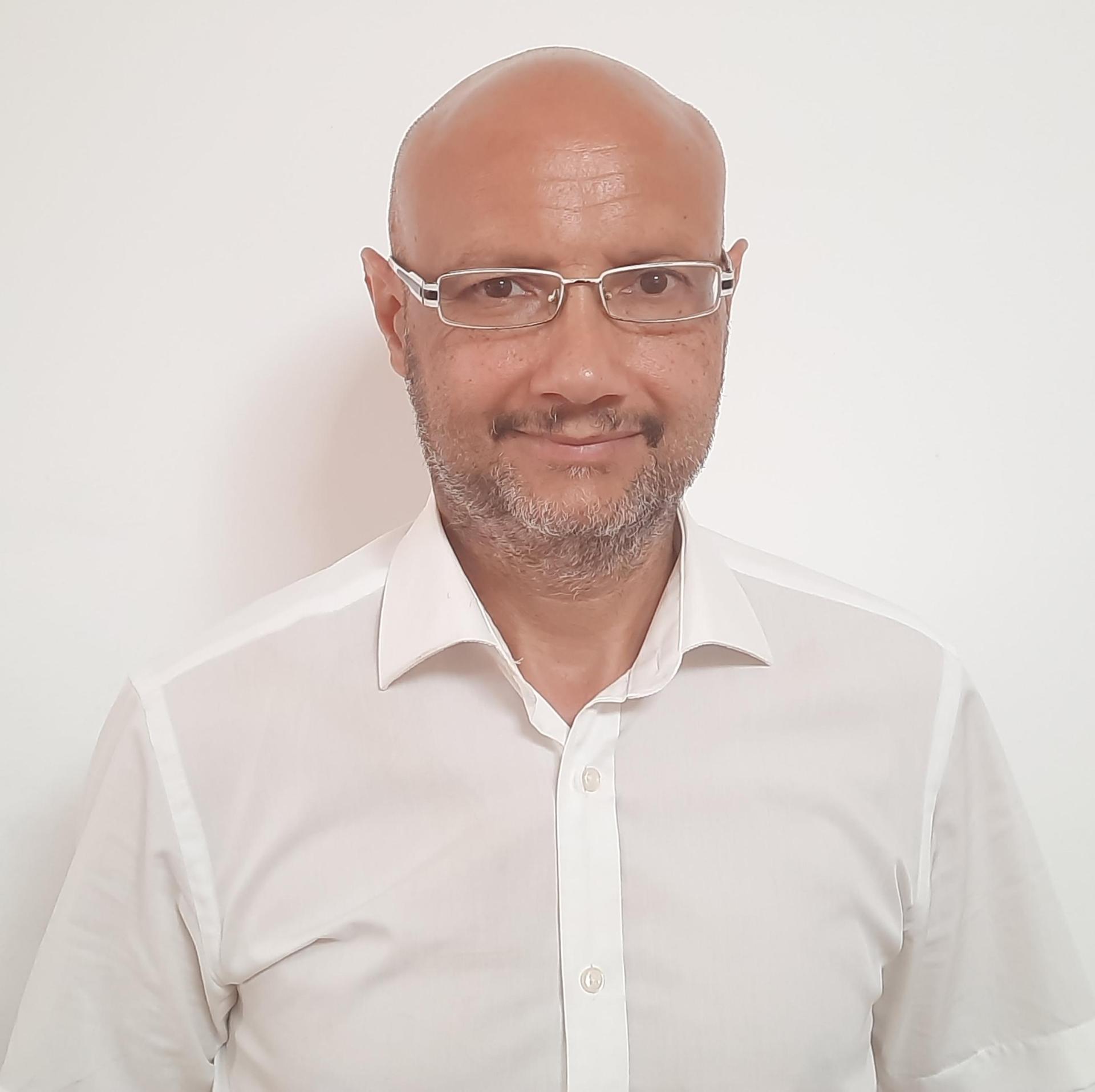
Dominic Garcia works with the RISe Foundation, which offers community-based rehabilitation and reintegration programmes for prison inmates and ex-offenders.