The court cases that left their mark on Malta
A look back at the most significant criminal cases in Malta’s history
Against the context of the trial of Yorgen Fenech over the murder of Daphne Caruana Galizia, CHRISTOPHER SCICLUNA reviews the landmark trials of the past century, remembered for their political impact, legal significance or the shocking brutality of the crimes.
The shooting of Lord Strickland
On May 23, 1930, Prime Minister Gerald Strickland was entering the Court of Appeal at the Auberge d’Auvergne, Valletta, when a man, Gianni Miller, fired three shots at him. He missed and was arrested.
Following the subsequent trial, Miller was convicted and sentenced to 15 years in prison with hard labour. He was later controversially granted a partial remission on his sentence following a royal visit to the island.
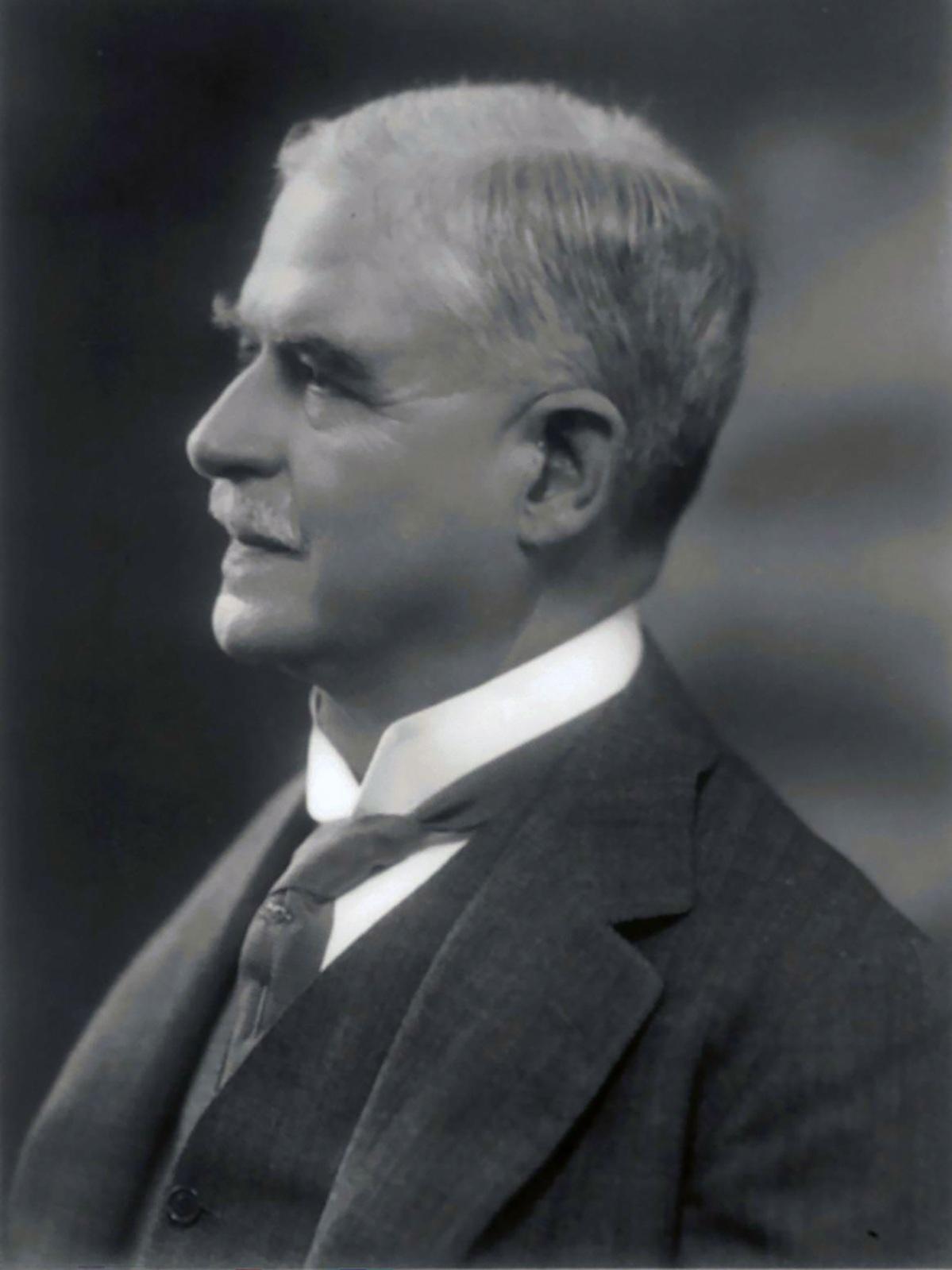 Lord Strickland
Terrinu, a word stuck in Maltese lore
Another case, also involving Lord Strickland, became known as the Terrinu Affair.
It refers to Ettore Bono (known as ‘Terrinu’), who swore that while working as a waiter, he had witnessed Lord Strickland dressed in masonic regalia at a masonic lodge in Valletta.
This was a time when Strickland was locked in a bitter dispute with the Church, which strictly forbade freemasonry. The slur was used by the clergy and political opponents in an attempt to undermine Strickland’s reputation.
Bono was put on trial for perjury after his claims were proven to be a fabrication. He was sentenced to a month imprisonment with hard labour, a sentence that was reduced slightly on appeal.
To this day, in Maltese language, calling someone Terrinu is synonymous with political perjury and scandal.
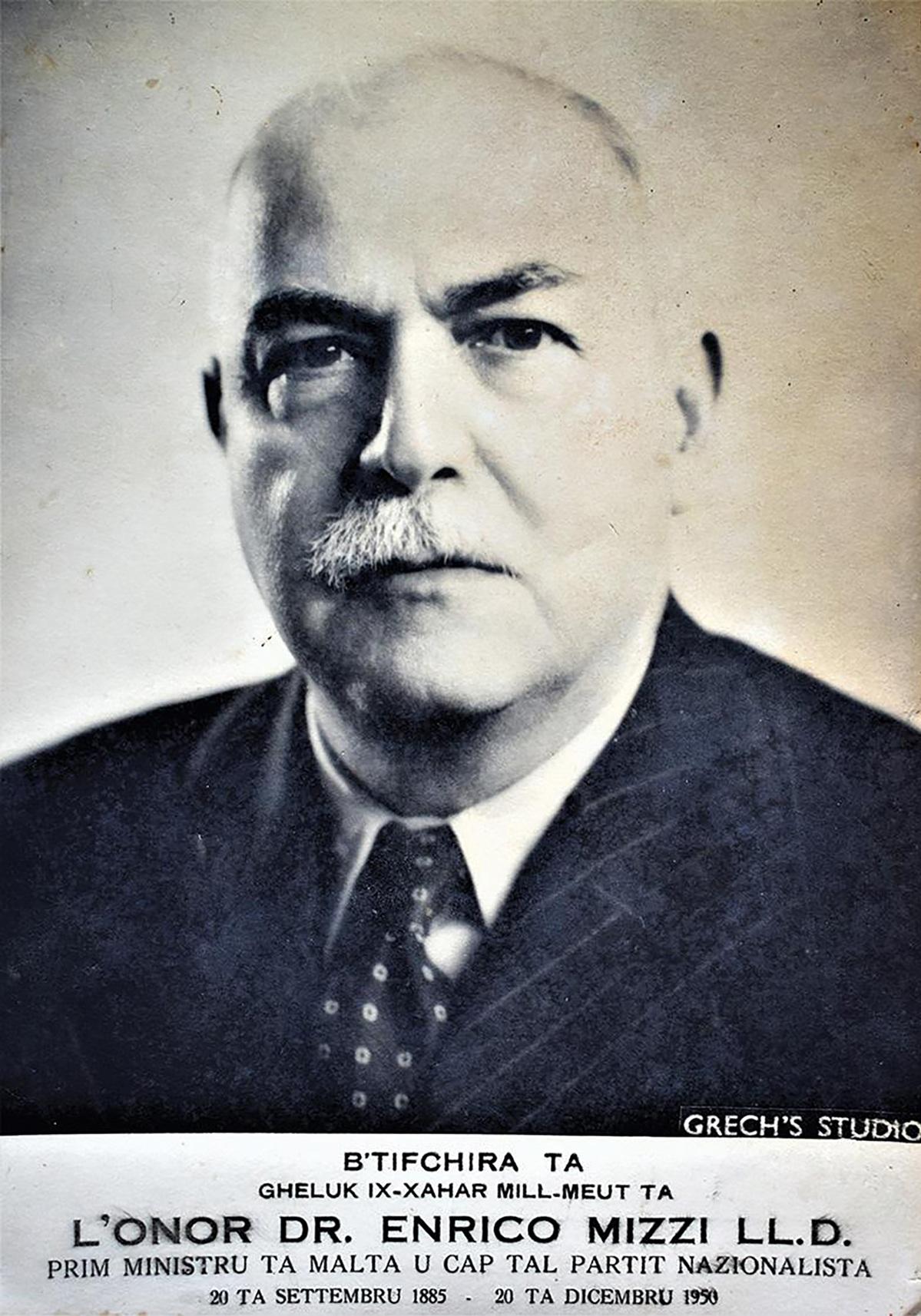 Enrico Mizzi. Photo: Giovanni Bonello collection
The painful trial of the wartime internees
Between May and June 1940, at the start of World War II, the British colonial authorities arrested over 40 Maltese people, including prominent Nationalist Party figures and professionals, such as PN leader Enrico Mizzi and former Chief Justice Arturo Mercieca – suspected of harbouring pro-Italian, Fascist sympathies.
In early 1942, as the British decided to forcibly exile the detainees, they challenged their deportation in the Civil Court.
On February 7, 1942, the court ruled that the Governor could legally intern British subjects within Maltese territory but could not deport them. Nevertheless, on February 13, 1942, the internees were deported to Uganda.
The Court of Appeal officially declared this deportation illegal on May 4, 1942, but the internees were only returned to Malta years after the war ended. Some died in exile.
Remarkably, Enrico Mizzi became prime minister in 1950. He died after just three months in office, and the British authorities who had ignored the law to exile him, gave him a state funeral.
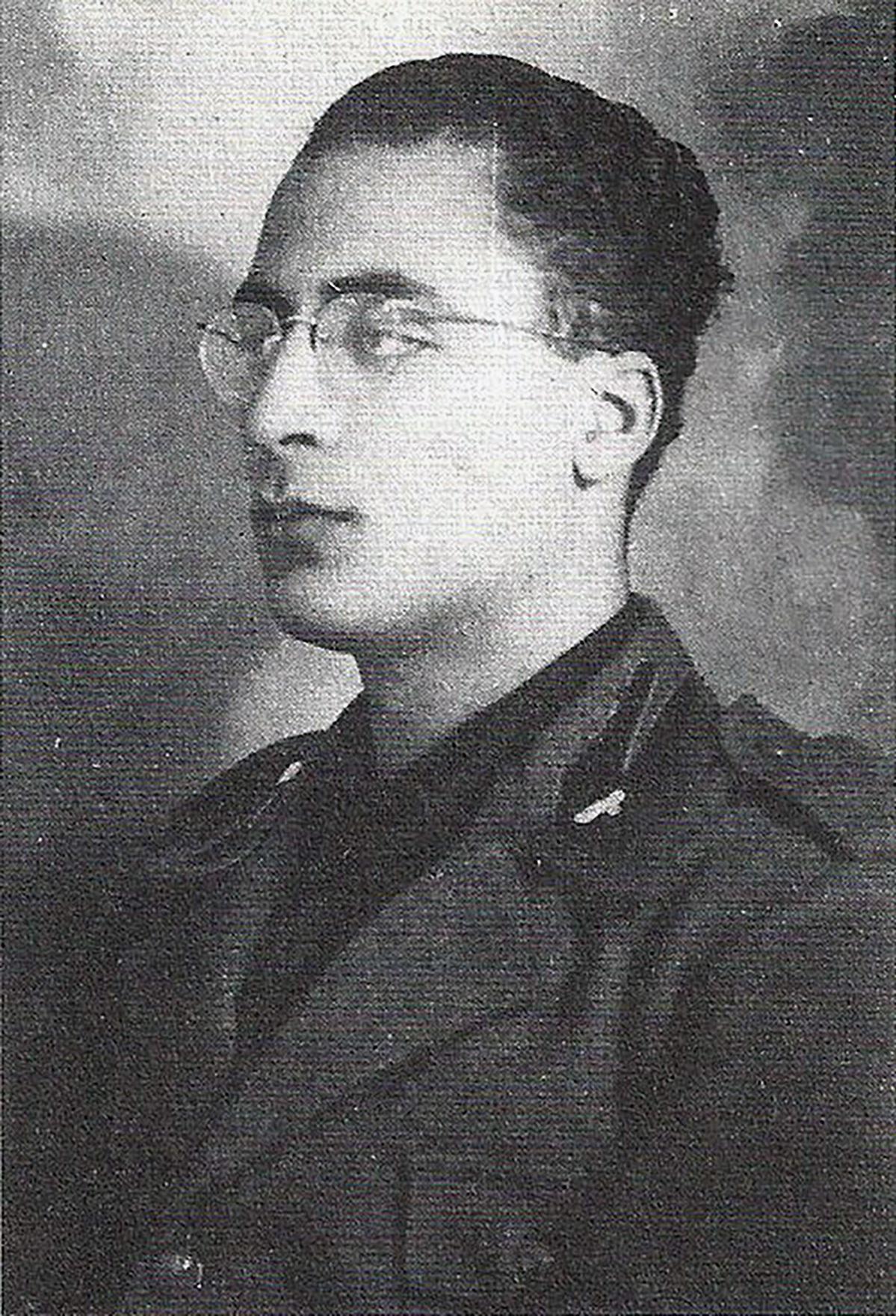 Carmelo Borg Pisani. Photo: Wikipedia
The treason trial of Carmelo Borg Pisani
Another major wartime trial that continues to be talked about was that of Carmelo Borg Pisani.
Borg Pisani was a young Maltese artist studying in Rome when the war broke out. He joined the Italian Fascist Party and volunteered for a 1942 spying mission in Malta to pave the way for an Axis invasion.
His landing in Malta was botched and he was stranded on coastal rocks in rough seas until he was rescued and taken to Mtarfa hospital where he was immediately recognised by a childhood friend. His trial for high treason was held behind closed doors in Corradino Prison in November 1942 without a jury. He was sentenced to death and hanged on November 28, 1942.
Till this day many still argue over whether Borg Pisani should be considered as a traitor of his country, or not.
The conspiracy trials
Following the end of World War II, 17 Maltese people were tried for treason and conspiracy due to their pro-Italian and Fascist sympathies. The highly charged trials were held at Corradino Prison, and all the accused were acquitted by the juries.
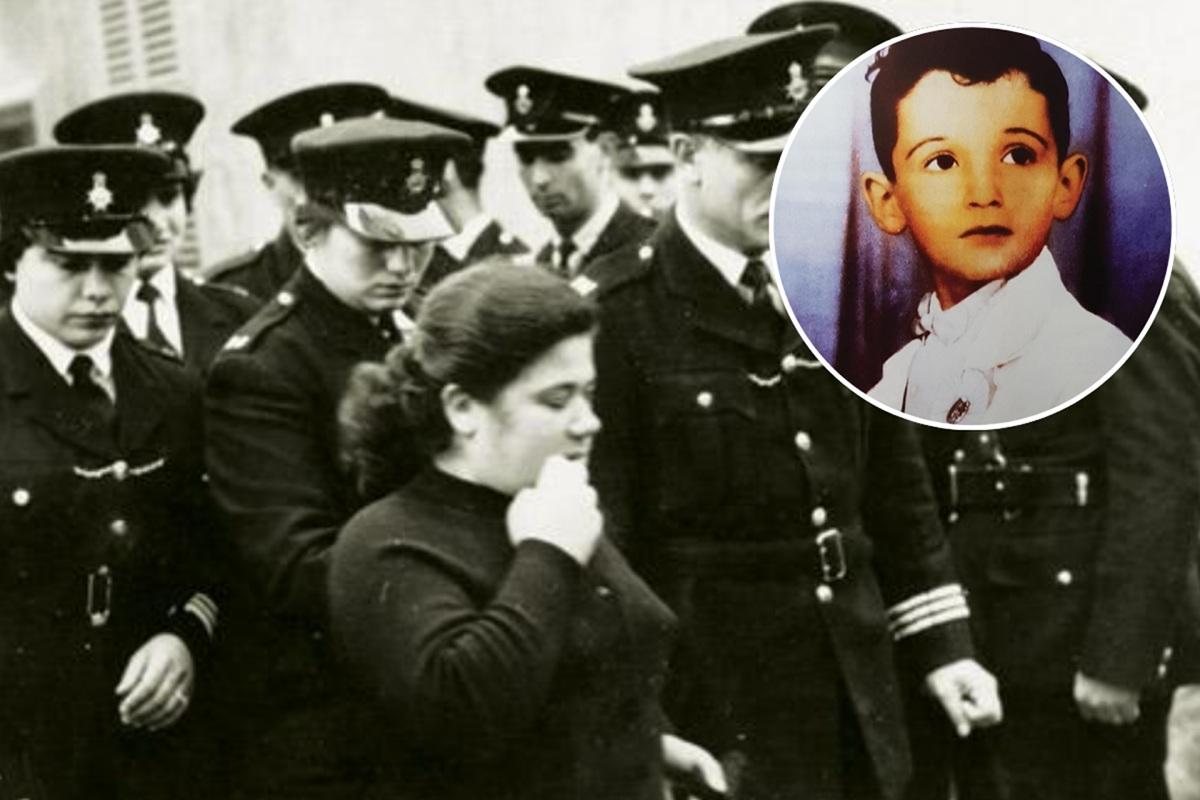 Ġiġa Camilleri. Photo: Frank Attard. Inset: Twannie Aquilina
The controversial Ġiġa trial
Fast forward to 1960 and one of the most controversial cases in Maltese criminal history was the brutal murder of eight-year-old Twannie Aquilina and the subsequent trial of his mother Ġiġa Camilleri and her husband, Leli.
The case was heavily built on the testimony of Ġiġa’s young daughter, who was seven at the time and whose accounts were often inconsistent.
The 1961 jury trial lasted 17 days and the jurors were so convinced Ġiġa had killed her son that it took them just over two hours of deliberation to return a guilty verdict.
Ġiġa was the first woman in over a decade to be sentenced to death by hanging. The death sentence was commuted to life imprisonment after an outcry from almost 100 lawyers. To this day, many argue that it was the biggest miscarriage of justice in Malta’s courts.
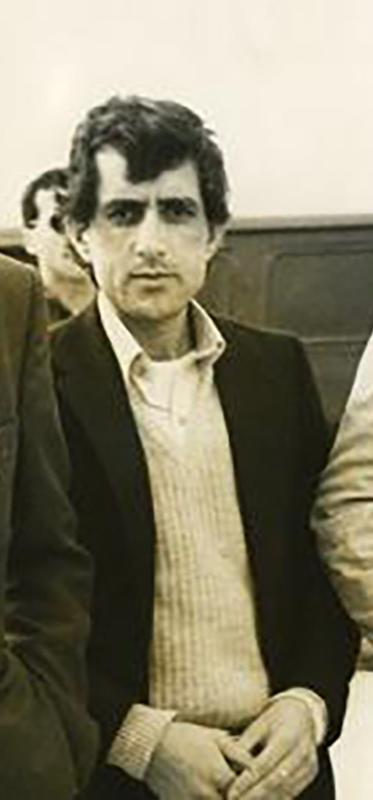 Omar Mohammed Ali Rezaq
The trial of hijacker Ali Rezaq and his controversial release
The biggest trial of a mass murderer in Malta was that of Palestinian terrorist Omar Mohammed Ali Rezaq in 1988. The case followed the death of 58 passengers on board a hijacked Egyptair aircraft that was flown to Malta in November 1985. Most of the passengers died in a botched assault by Egyptian commandos.
Due to fears of terrorism, the trial was held under strict security in Fort St Elmo. The legal proceedings were mired by controversy, with Maltese law failing to adequately cover terrorism and hijacking cases. Ultimately, Rezaq admitted to killing seven people and jailed for 25 years.
But the controversy did not stop there. Rezaq served only seven years of his sentence. His early release in February 1993, under a general amnesty, caused a major outcry, including a formal resolution passed by the US House of Representatives.
The United States acted swiftly, intercepting and apprehending Ali Rezaq in Nigeria. He was tried in a US federal court in Washington, DC, in 1996, convicted of air piracy and sentenced to life in prison.
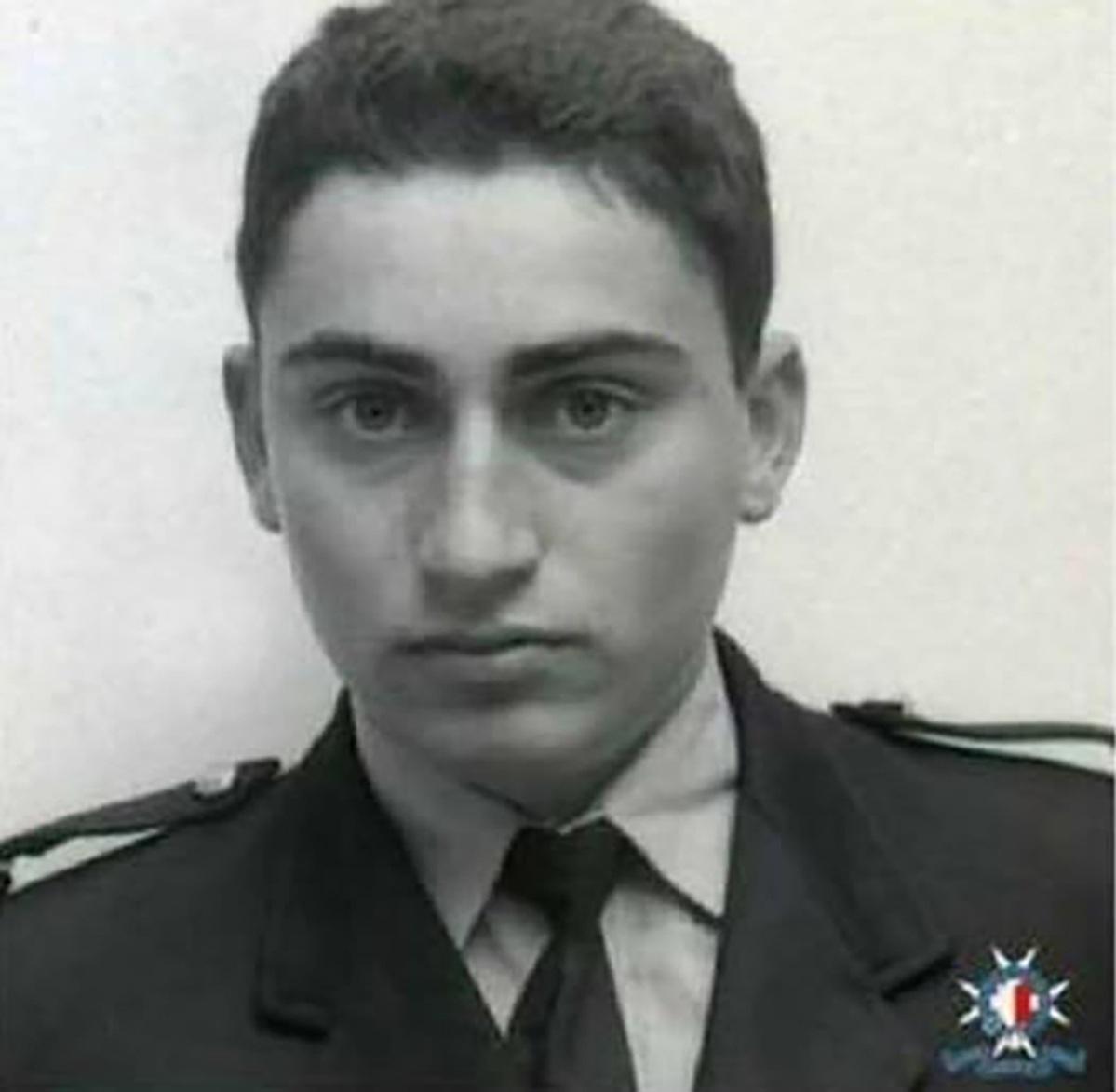 Mark Farrugia. Photo: Police Union
Policeman killed by a colleague for filing a report
While the Daphne Caruana Galizia murder is viewed as an assault on the fourth estate, the media, many also remember trials related to the murders of officials of law and order.
On March, 20, 1999, Constable Mark Farrugia was gunned down by another policeman, Constable Etienne Carter, who was incensed after the victim reported him for driving a car without insurance. On December 12, 2001, Carter was jailed for 22 years after jurors returned an 8-1 guilty verdict.
In July 2004, a court sentenced Andy Calleja to life imprisonment for the fatal shooting of constable Roger Debattista during a bank hold-up in Qormi on November 12, 2001. The court heard that Calleja shot Debattista with a rifle, injuring him, and then stood over him and shot him a second time, killing him. Calleja admitted the charges in court.
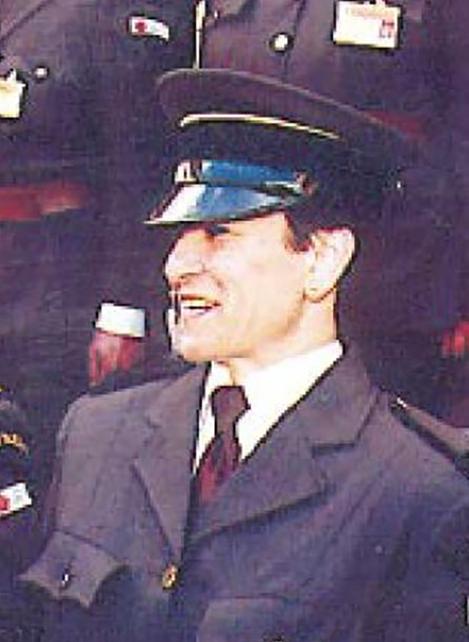 Fortunata Spiteri
Warden killed ‘for issuing too many tickets’
Two men were also handed long prison sentences for the fatal knifing of local warden Fortunata Spiteri while on duty in Gozo on August 10, 2001. Benny Attard was jailed for 30 years after admitting his involvement in the crime in 2009.
A year later, bus driver Ġanni Attard was sentenced to life imprisonment after he was found guilty of being an accomplice. Attard commissioned the murder after being booked on a number of occasions by the victim, the court was told. She was stabbed five times.
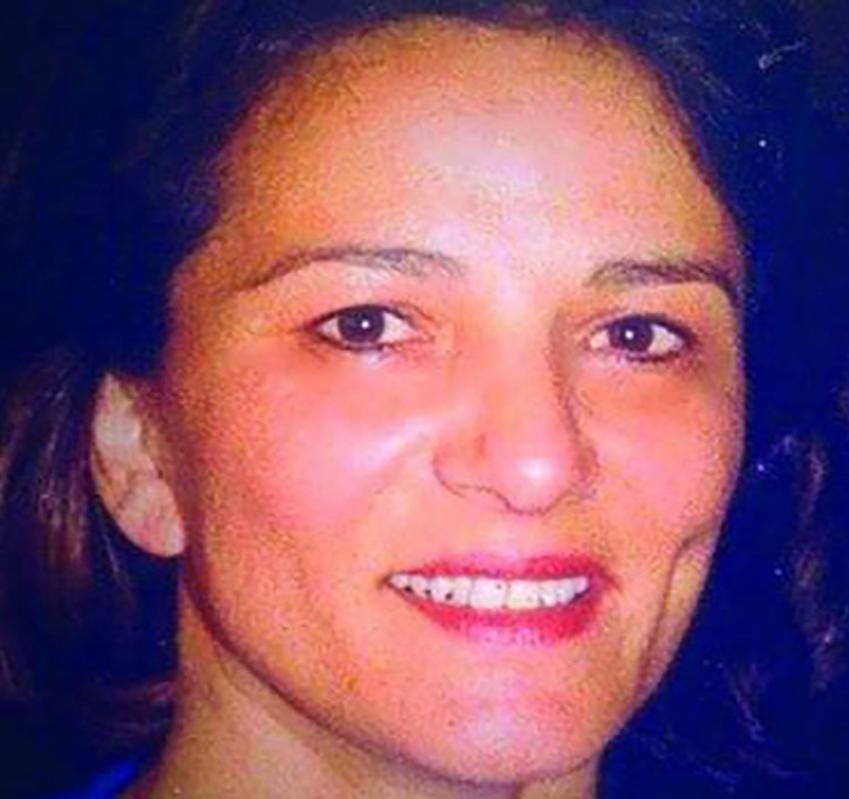 Sylvia King
The gruesome murder of Sylvia King
The Maltese courts over the years saw the trial of many people for gruesome murders. One of the most remembered is that of 36-year-old bowling champion Sylvia King, who was burnt alive in the trunk of a car in Kunċizzjoni, near Rabat.
She was stopped, pulled out of her car and abducted in Marsascala on April 3, 1993. She was driven to Kunċizzjoni, where she was struck on the head and left to burn alive in a car.
Two men were subsequently arrested and arraigned, Joseph Harrington and Tony Baldacchino. Harrington had abducted King because he wanted her to tell him the location of his estranged wife.
Harrington was sentenced to life in prison and died in 2014. Baldacchino received a long prison sentence. He was released in 2002 and was found dead a year later.
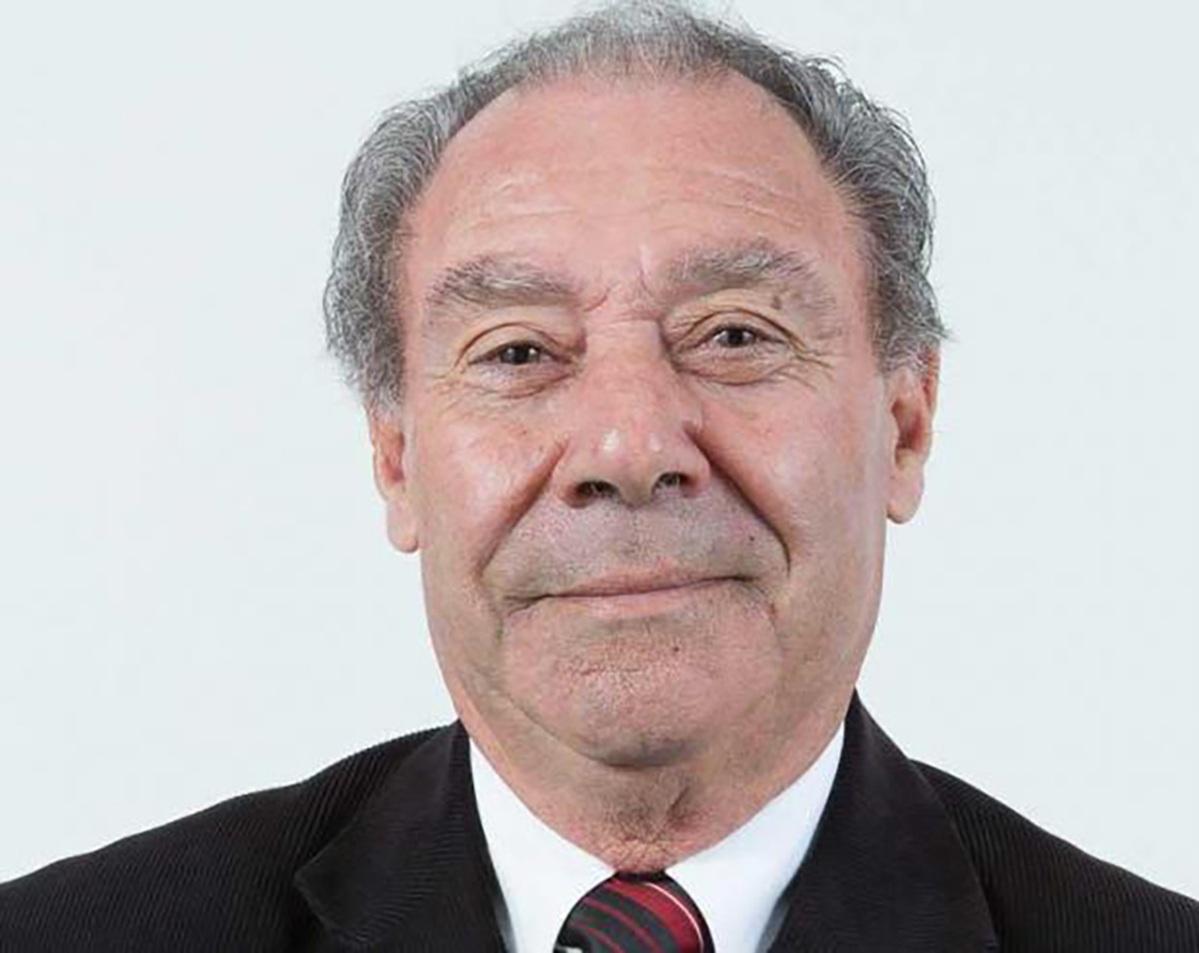 Pietru-Pawl Busuttil
The Pietru-Pawl Busuttil frame-up
Almost a century after the Terrinu case, Malta also had another celebrated political case in court, the frame-up of Pietru-Pawl Busuttil.
He was arrested by the police on December 11, 1986, after it was claimed that a machine gun used in the fatal shooting of Raymond Caruana at the Gudja PN club a month earlier was found in his farm. Busuttil denied any knowledge of the gun and passed out as he was taken to court. Then PN leader Eddie Fenech Adami immediately declared this was a frame-up.
The case against Busuttil collapsed and the courts soon
established that Busuttil had indeed been framed, by police. He was exonerated and awarded €93,000 in damages.
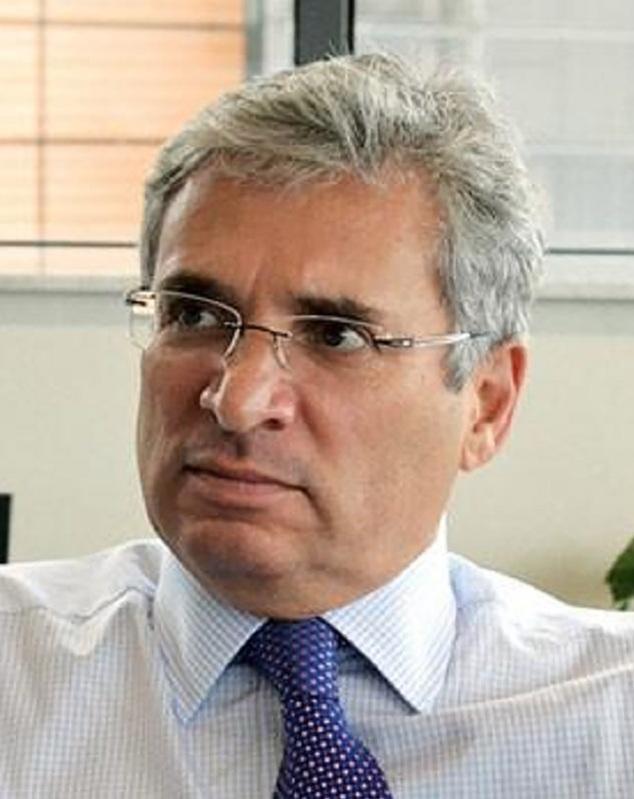 Richard Cachia Caruana
The stabbing of Richard Cachia Caruana
Richard Cachia Caruana, then the chief aide to Prime Minister Eddie Fenech Adami, was the victim of a high-profile attempted assassination on December 18, 1994. He was ambushed outside his home in Mdina and stabbed in the back but survived the attack.
The attack became a major criminal case in Malta, with prosecutors alleging a contract killing involving intermediaries, including Joseph Fenech, known as Żeppi l-Ħafi, and businessman Meinrad Calleja as the alleged commissioner.
The legal proceedings were controversial. Carmel Attard, known as iż-Żambi, pleaded guilty to the attempted murder and was sentenced to 14 years in prison, but later sought to withdraw his admission, claiming he had confessed under pressure. Co-accused Ian Farrugia was acquitted, while Meinrad Calleja was ultimately found not guilty by a jury of commissioning the attack after prosecutors failed to secure sufficient corroborating evidence.