A royal collection outgrew his bedroom. So he opened a museum
Young Żurrieq man opens museum to exhibit his 1,600 British monarchy-related souvenirs, antiques and collectables
What to do when your British royal memorabilia collection outgrows your bedroom… open a museum to share it with the public.
That is what 22-year-old criminology-student-cum-curator, Jerome Farrugia, did – “much to my mother’s pleasure”.
Over the last six years, the self-professed royalist from Żurrieq collected about 1,600 commemorative souvenirs, antiques and collectables associated with the British monarchy, celebrating coronations, jubilees, state occasions and weddings, from the reign of Queen Victoria in the 1800s to that of King Charles III today.
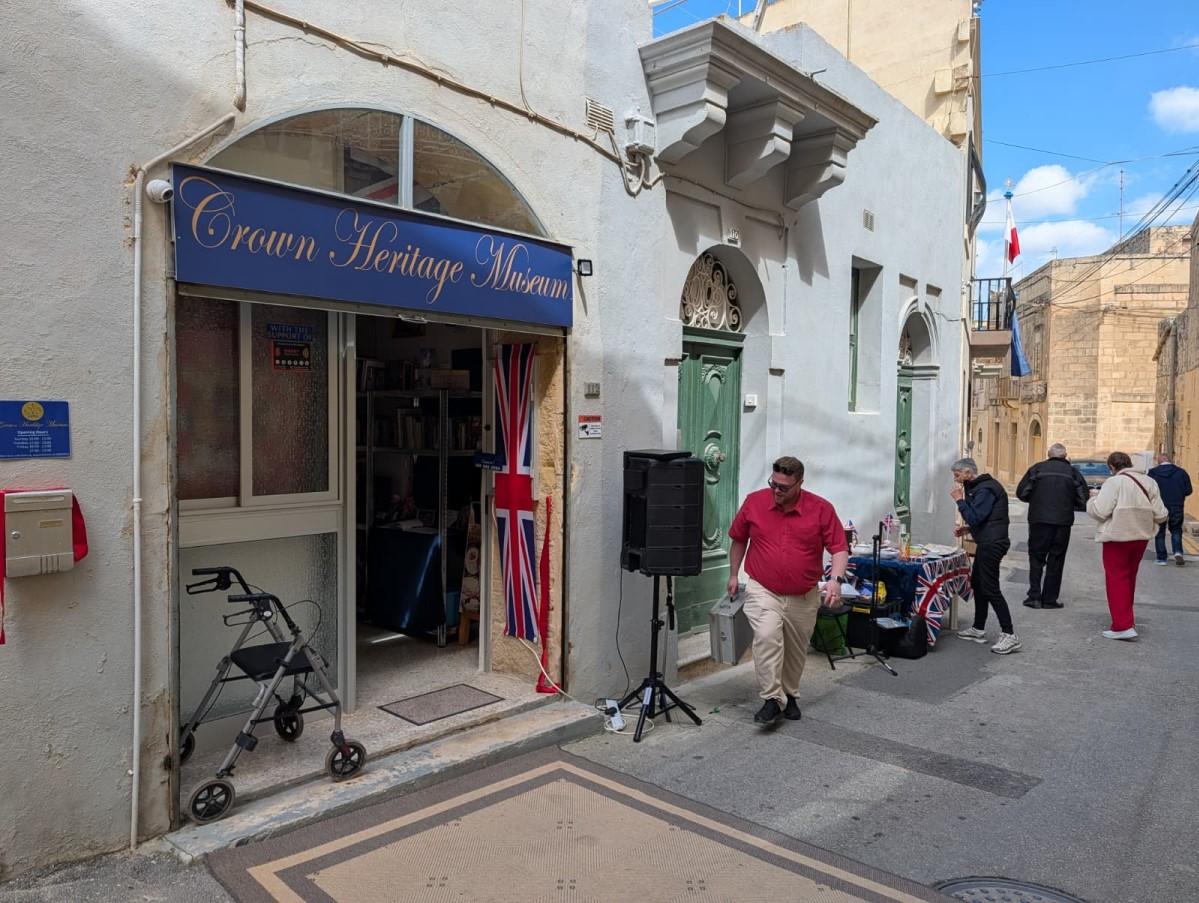
The Crown Heritage Museum in Triq il-Kbira, Zurrieq
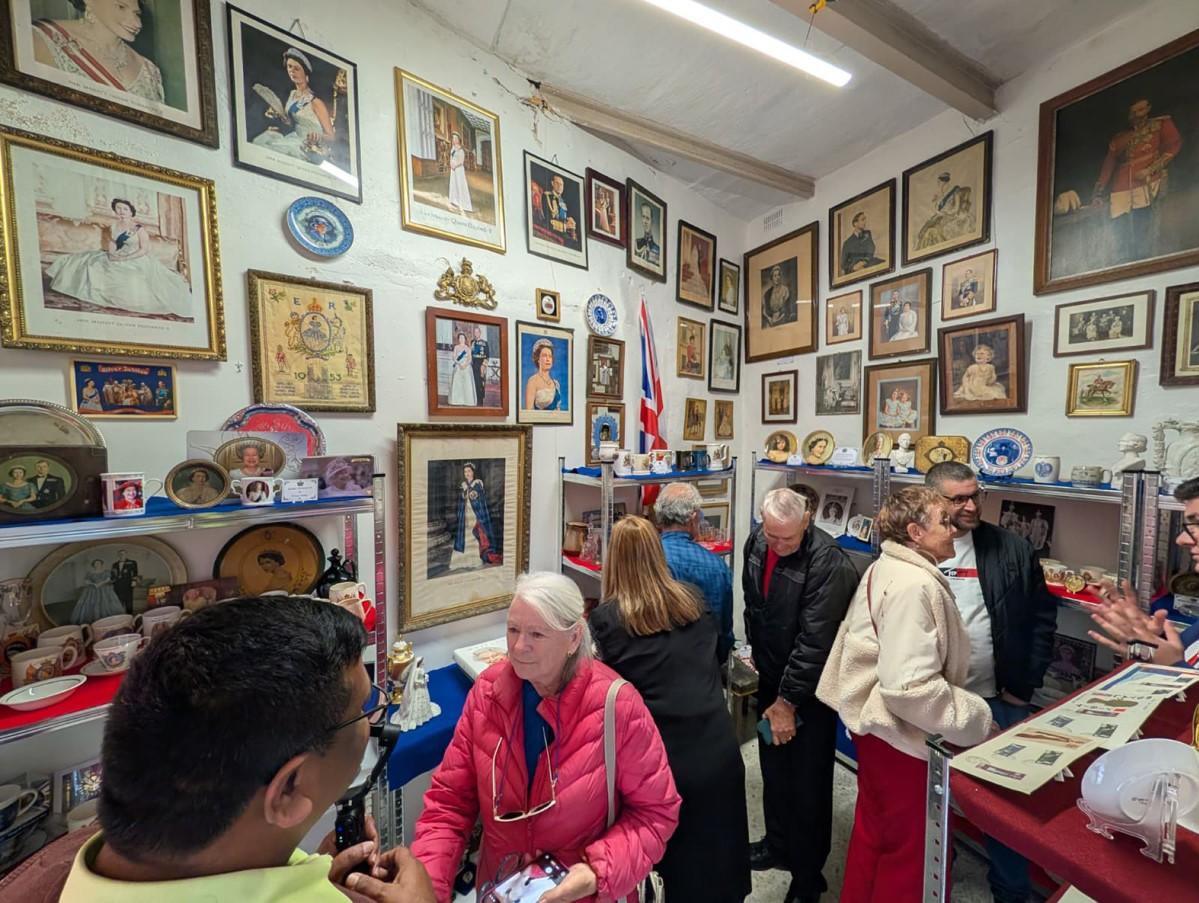
Visitors squeeze into the 15-square-metre miniature museum.
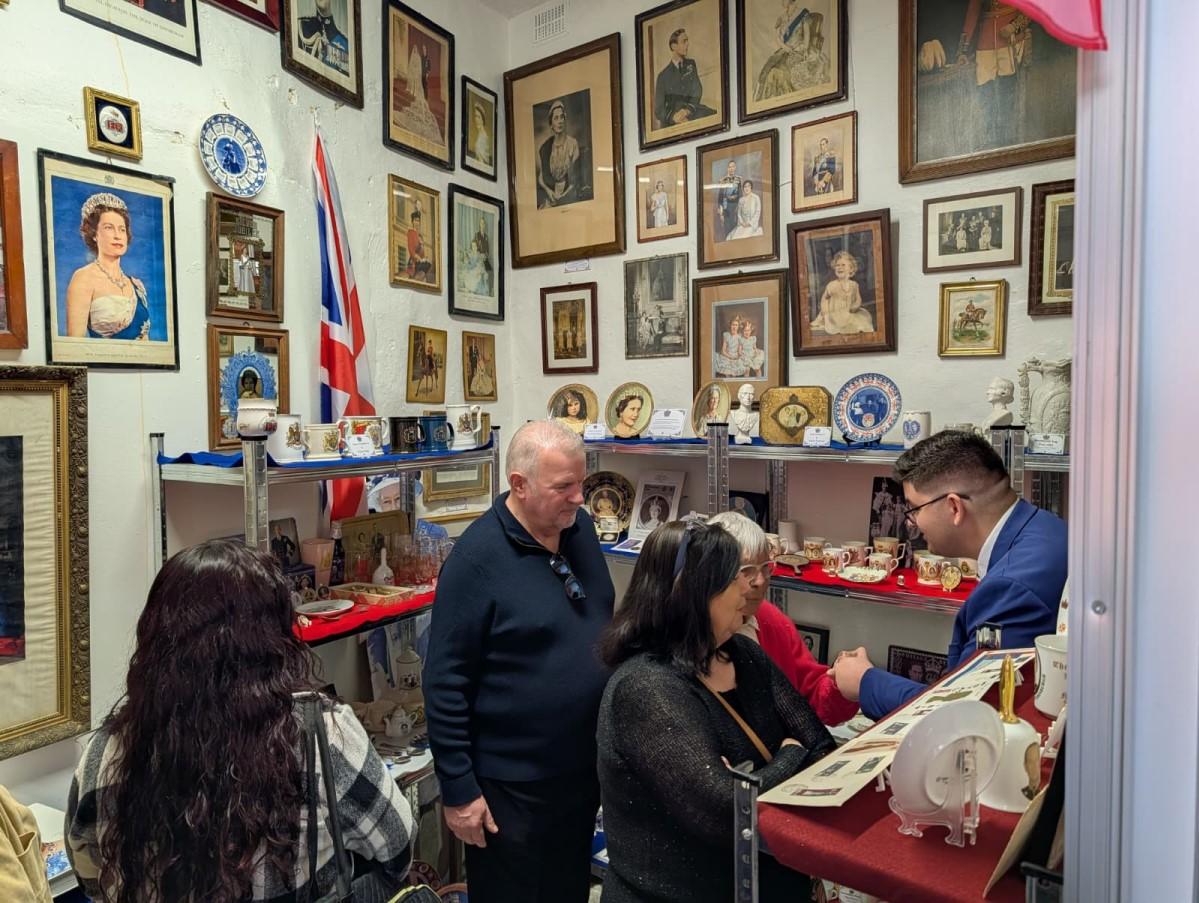
The small Crown Heritage Museum is packed tight
Now, tucked away in a narrow street in Żurrieq and wedged into two tiny rooms is probably the last thing you would expect to stumble upon in one of the island’s oldest towns – the Crown Heritage Museum, housing Farrugia’s collection of British royal memorabilia that spans over a century of history.
It all started way back, during his frequent trips to the UK with his family. As a boy, Farrugia would buy the odd mass-produced mug, progressing to a portrait plate, and on and on, until his collection grew, and begged the question: “Who is the queen to Malta?”
“She was the queen of Malta too and spent her happiest times here,” replied the museum’s founder and curator.
With a “keen eye for authenticity and historical context”, Farrugia spent years sourcing, preserving and cataloguing pieces that reflect the traditions, ceremonies and personal stories of the royal family, with one goal: to make this heritage accessible to other enthusiasts, researchers and curious minds.
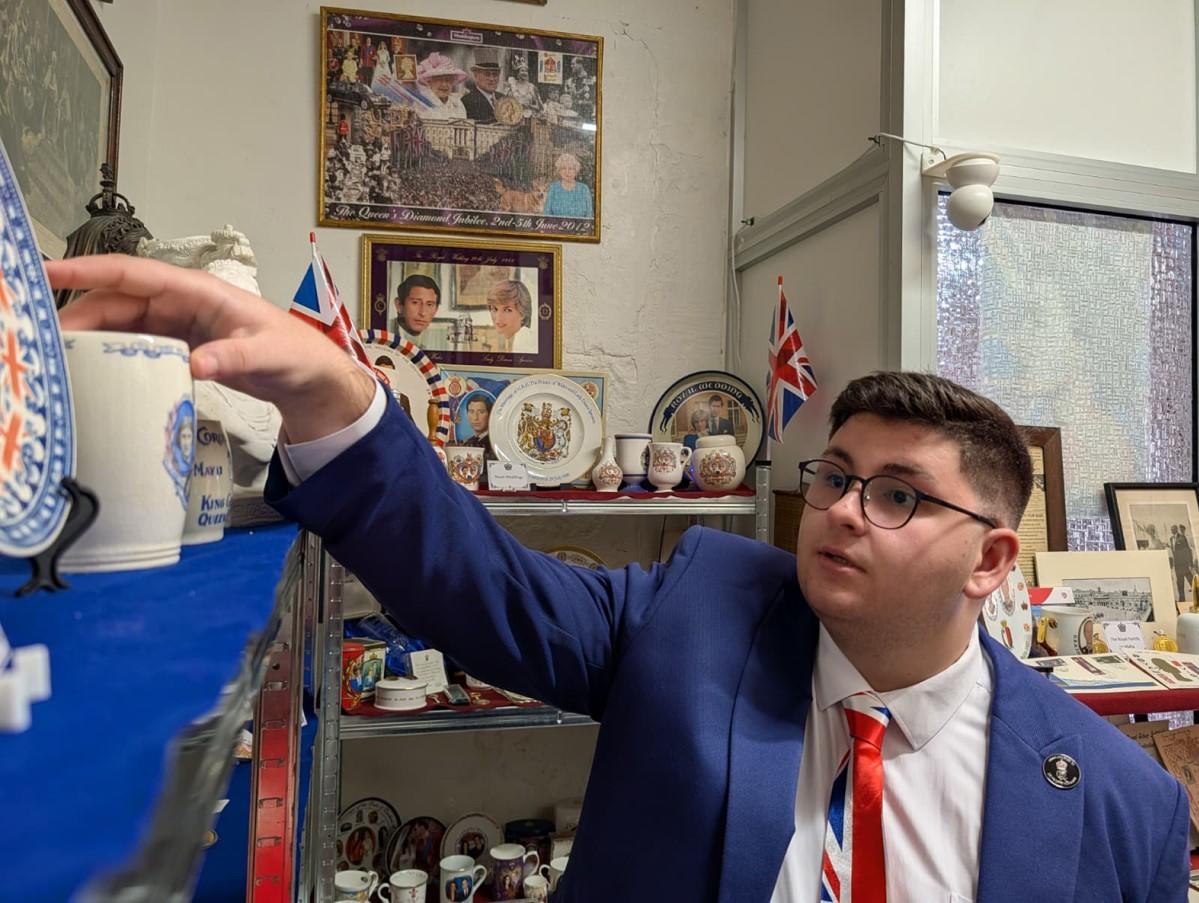
Farrugia started his collection as a boy during his frequent trips to the UK with his family.
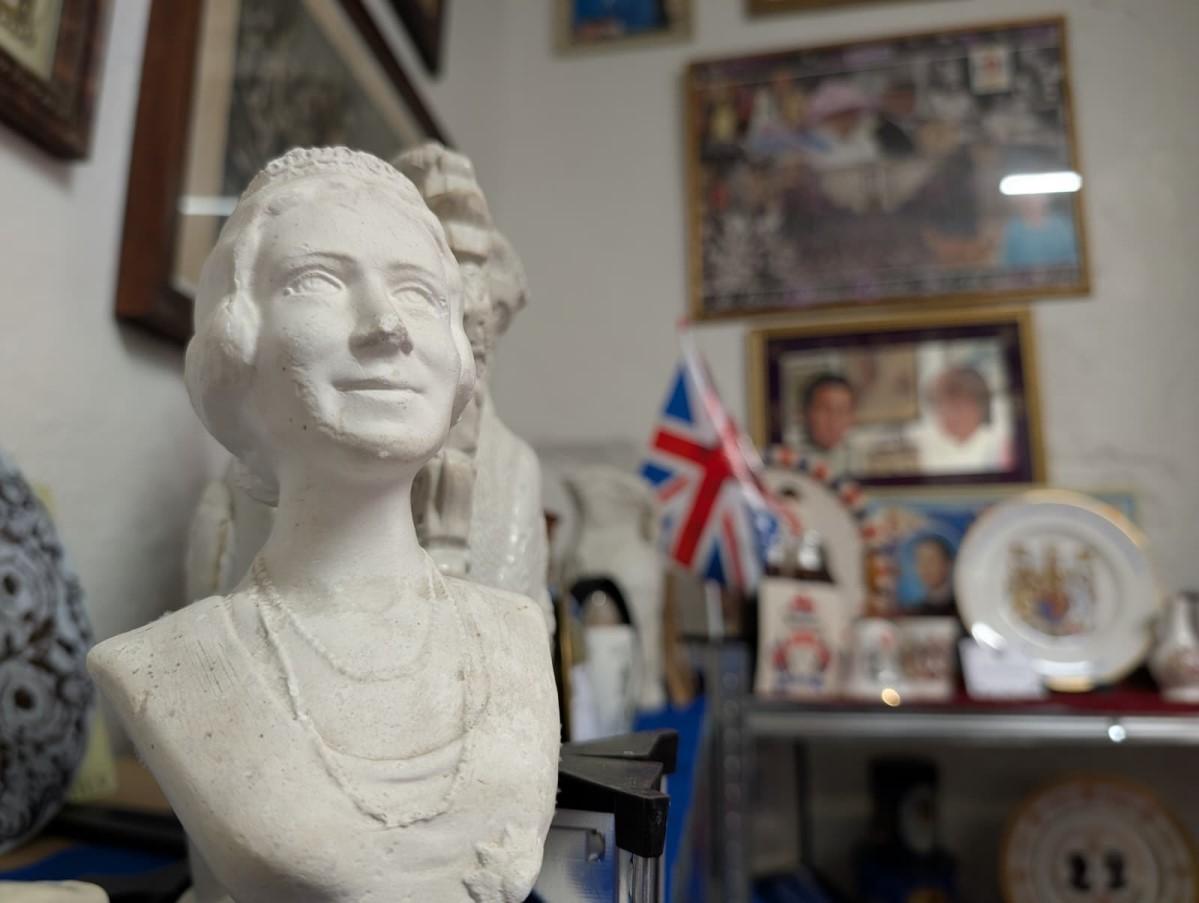
Exhibits at the Crown Heritage Museum
'Collection should be historic landmark'
Farrugia’s collection includes common memorabilia from souvenir shops to ceramics and rarer pieces that are increasingly difficult to find today; from flags to scarves, as well as official programmes from when members of the royal family visited Malta, such as in 1954, when Queen Elizabeth II came over with the Duke of Edinburgh, and also of a parade in honour of her birthday at the Independence Arena in Floriana in June 1969.
There are newspaper cuttings, medals, jugs, mugs… and more teacups.
When space got tight, the student felt he should share his collection with the public and sought to identify and rent a property within his budget, finding a hole in the wall he could afford.
He got his hands on around 15 square metres – “in a bad state with a semi-collapsed ceiling” – on Żurrieq’s equally narrow Triq il-Kbira, to display all his possessions with the aim of “sending a message” to the public.
The collection should serve as a “historical landmark when Malta was part of a greater empire”.
It was not about being stuck on British colonialism: “This is part of our history and heritage, and we should be proud of it,” said the young man.
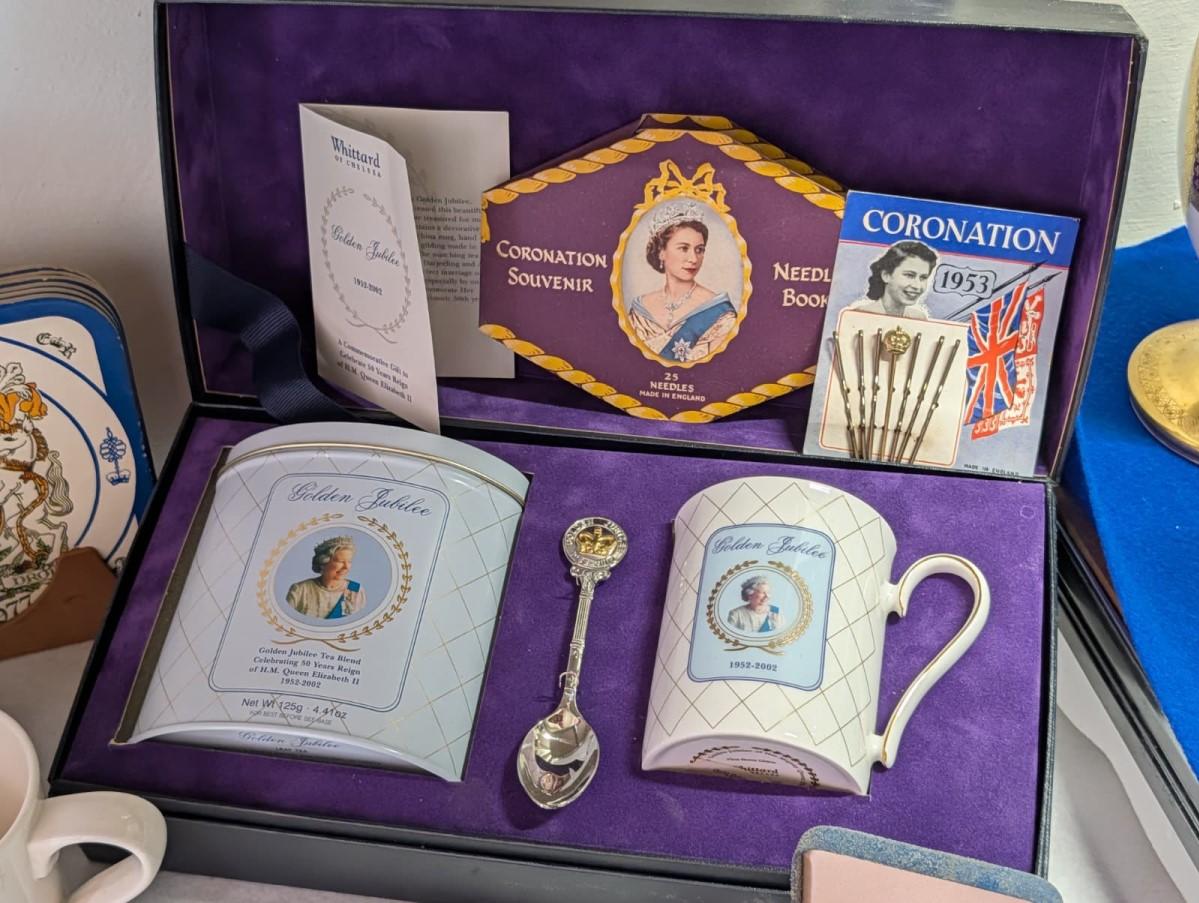
More memorabilia
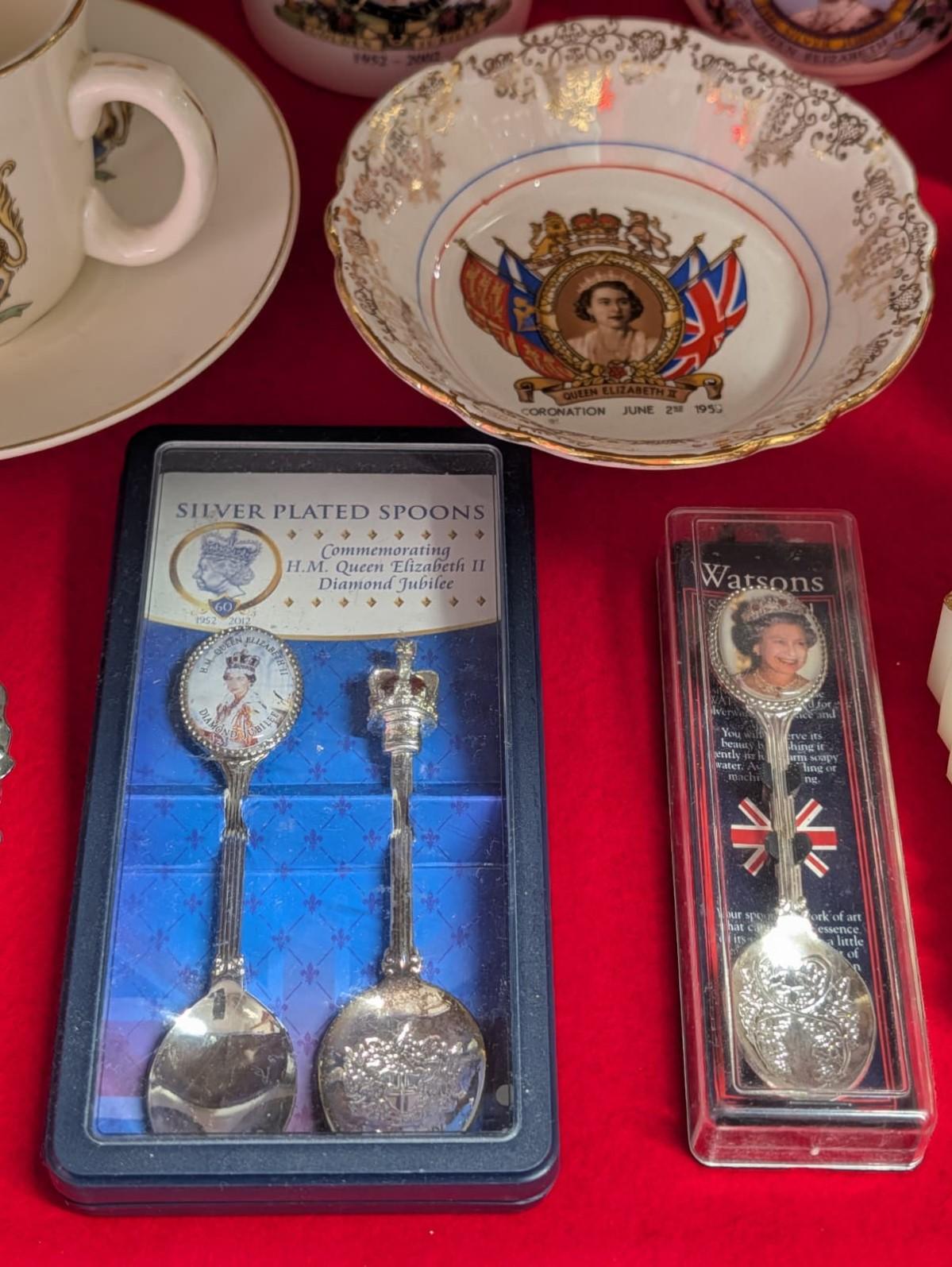
More memorabilia
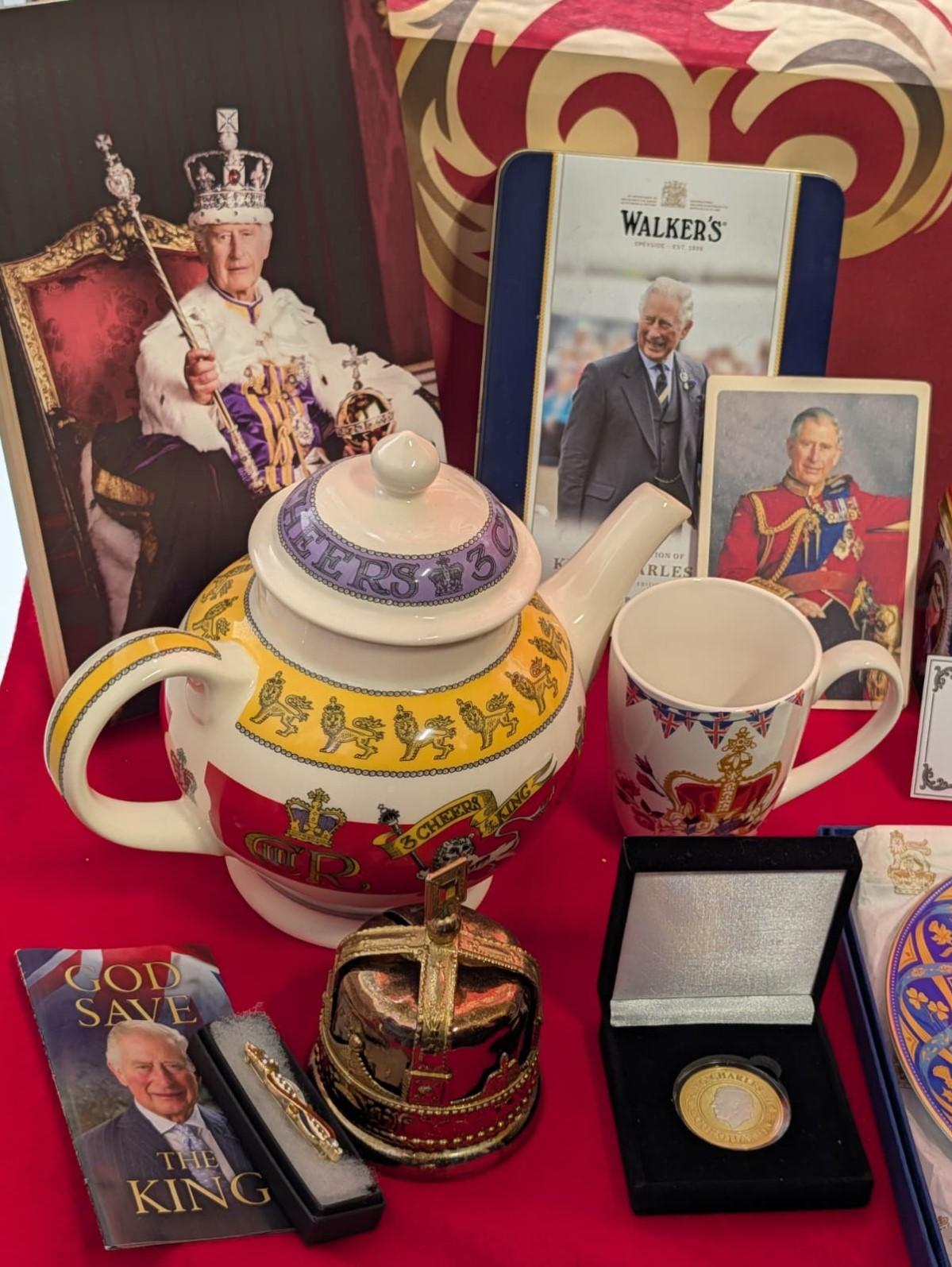
More memorabilia
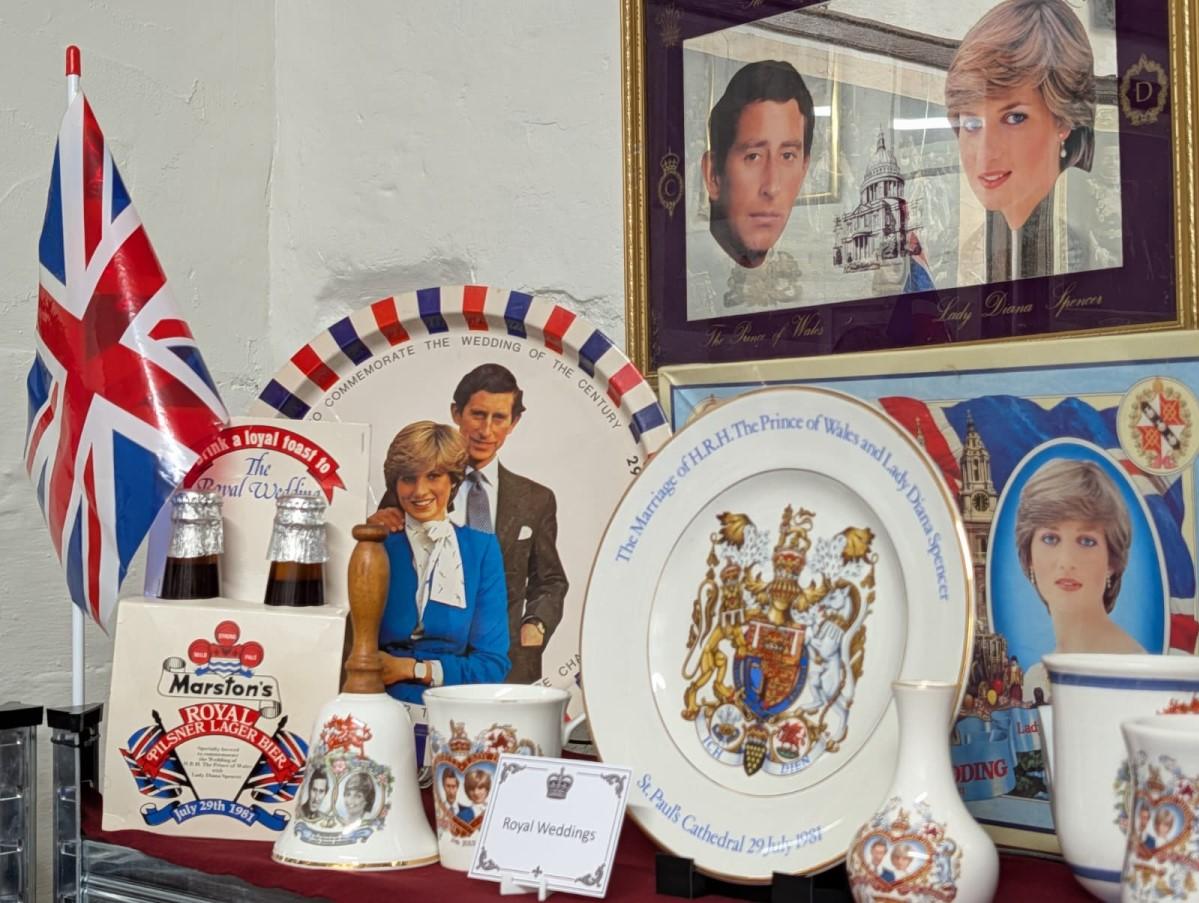
More memorabilia
Operated by the Crown Heritage Foundation, the museum, small as it may be, has a website that gives details on its mission: to preserve, present and promote appreciation of British royal heritage through public access, education and curated displays.
The initiative seeks to contribute to a wider understanding of Malta’s historical and diplomatic relationship with the UK.
'The only one who has made my collection public'
Despite the limited space, the items are displayed as a “chronological journey” through British royal history, told through the memorabilia and commemorative pieces, according to the website.
Visitors can follow the story from the Victorian era, through the Edwardian period, two world wars, the post-war years and into the modern reigns of Elizabeth II and King Charles III.
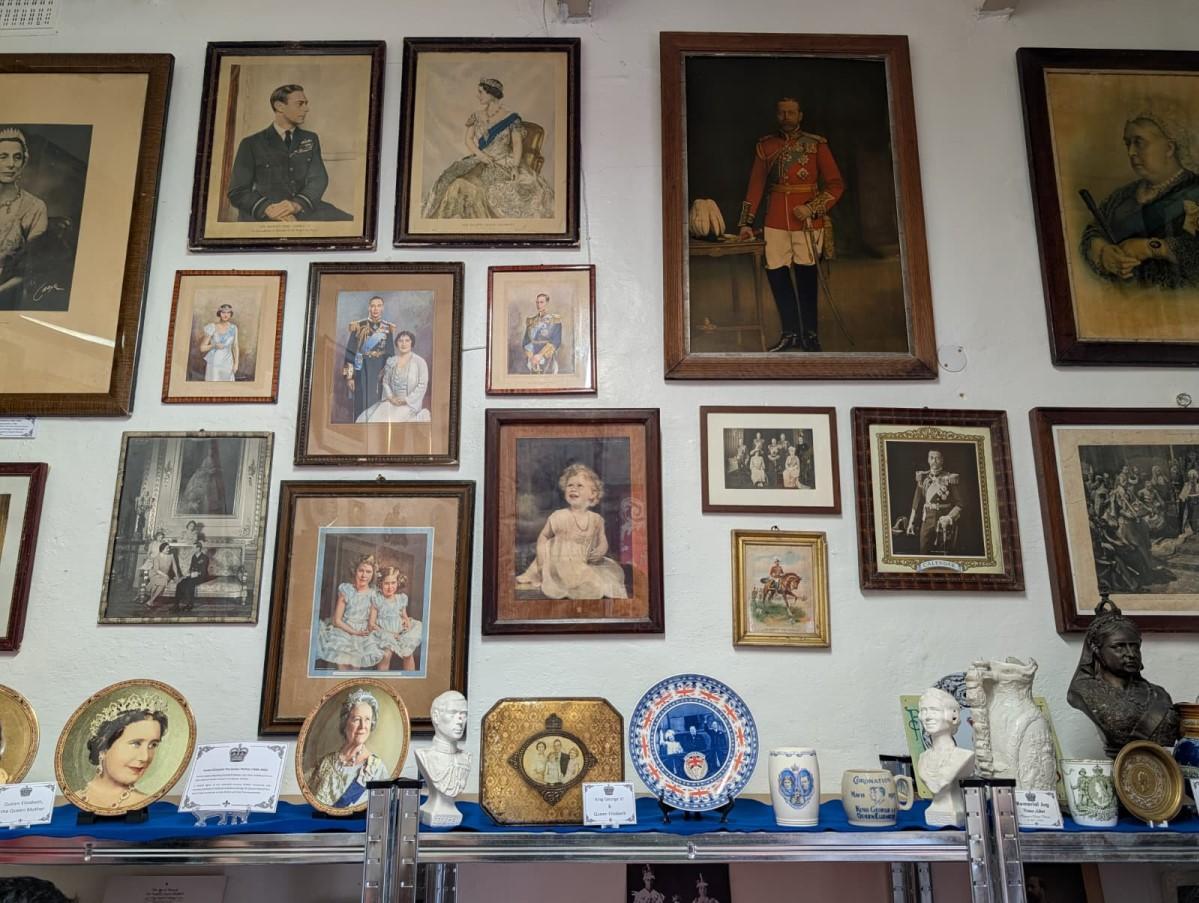
The small Crown Heritage Museum is packed tight.
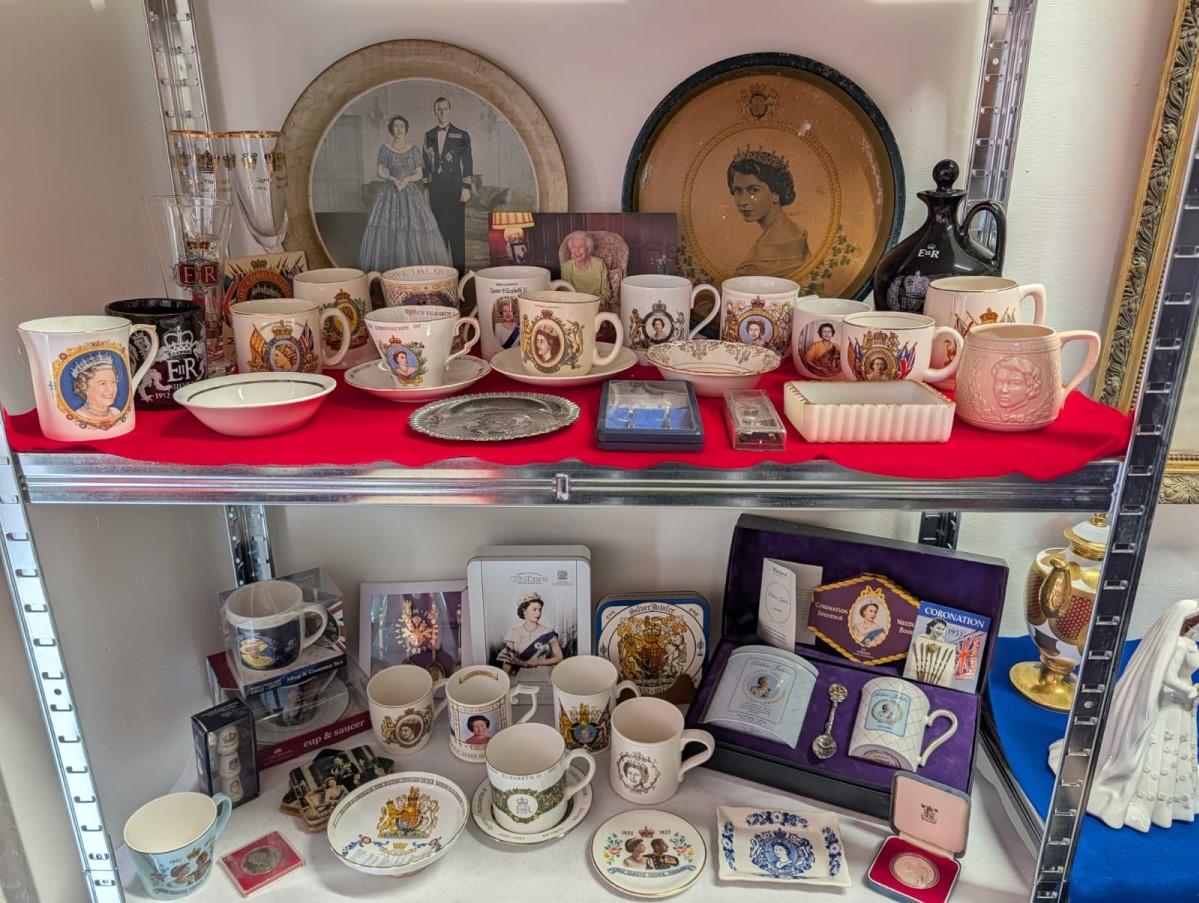
More memorabilia
Asked about his views on the royal family in 2026, Farrugia said that “at the end of the day, they are still a family, and, despite their ups and downs, King Charles is holding up quite well and doing a marvellous job, considering all he has been through”.
Farrugia pointed out he was not the only one who collected British royal memorabilia, “but I am the only one who has made my collection public”.
About 70 per cent of the items on display were sourced locally, from car-boot sales to antique shops, and some have been donated.
But Farrugia has also travelled specifically to get his hands on some of the memorabilia, including two jugs bearing the image of Queen Victoria.
“Some are common but unique at the same time,” he said, pointing to a glass paperweight.
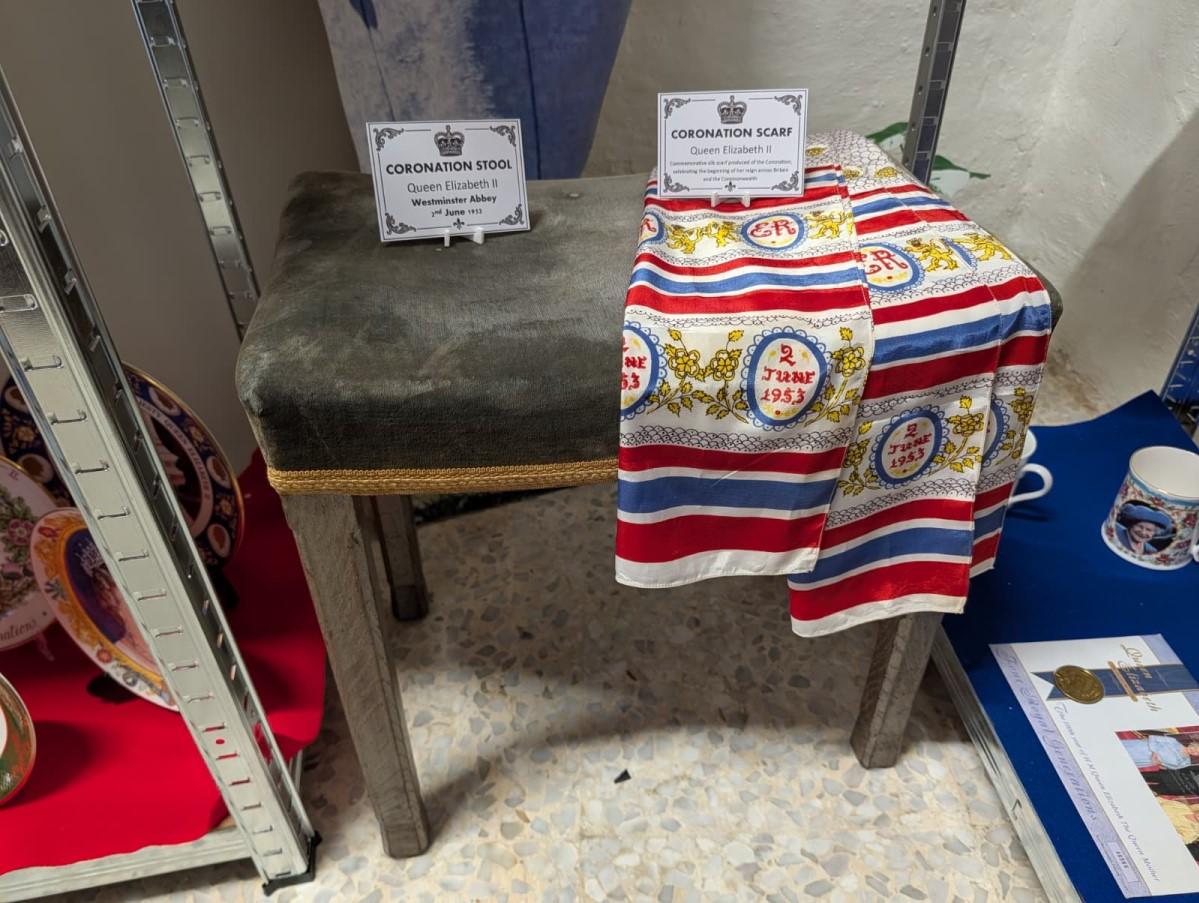 The stool from the 1953 coronation
Asked to pinpoint his favourite piece, Farrugia said: “I do not have children, but it is like asking parents who they prefer".
Having said that, it would have to be a stool “from the 1953 coronation” at Westminster Abbey, a “strange” item that he said he sourced from a shop in Malta.
Offers for funding to expand
As to whether he had his eye on anything in particular, the answer was no: “I do not rest until I get hold of what I want!”
Farrugia’s collection may one day outgrow the miniature museum, but offers for funding to expand were already on the table.
During the opening, more donations were made by guests whose own collections were “doing nothing at home”.
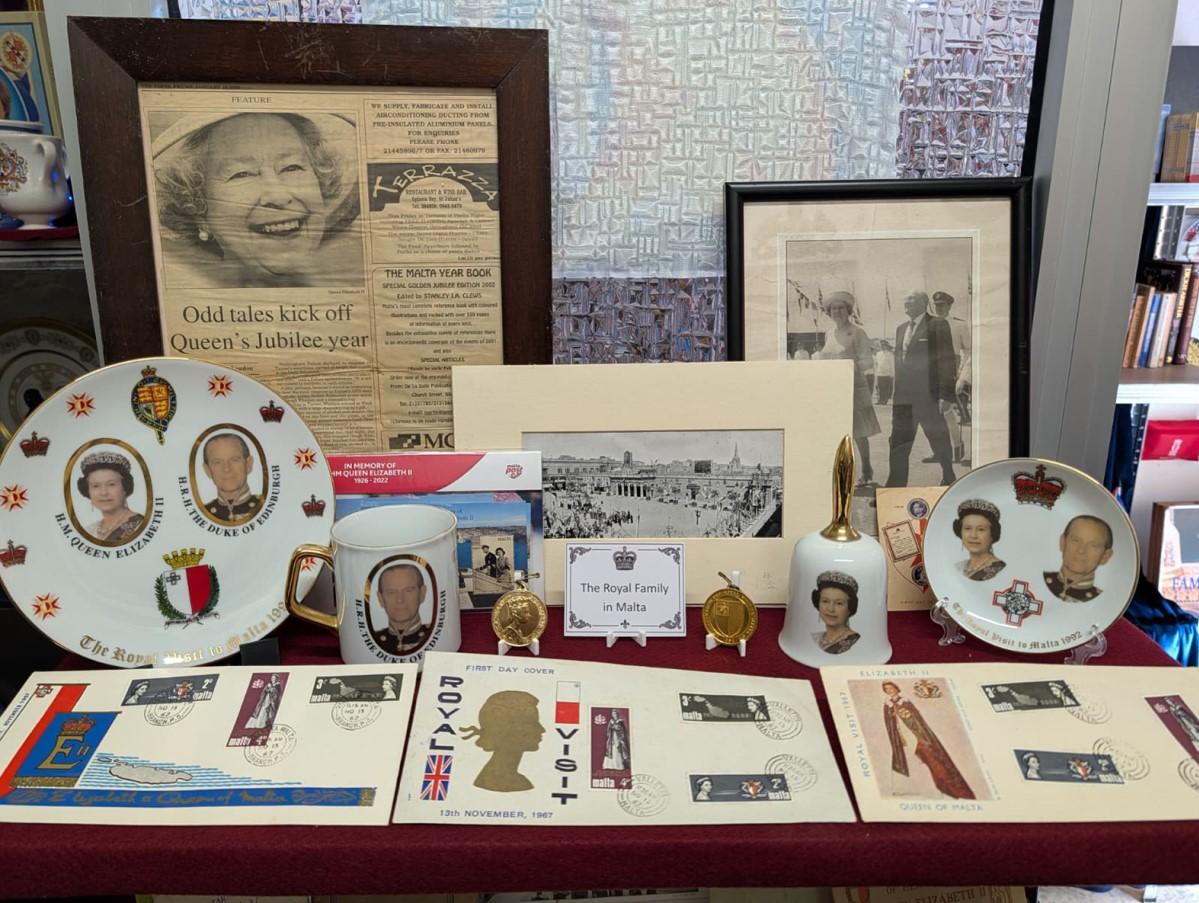 More memorabilia
At the official inauguration of the museum on Friday, Farrugia was off to a good start.
The British High Commissioner to Malta, Victoria Busby, was the guest of honour, and Culture Minister Owen Bonnici, Voluntary Sector Minister Julia Farrugia Portelli and European Funds Minister Stefan Zrinzo Azzopardi also attended the ribbon-cutting ceremony.
Shadow ministers Toni Bezzina, Charles Azzopardi and Julie Zahra, as well as representatives from the diplomatic community, cultural institutions, academia, local councils and the Malta Tourism Authority squeezed into the museum space, spilling onto the street.
The Crown Heritage Museum is open three times a week and will be manned by Farrugia, who can continue studying criminology while welcoming drop-ins – “British or not” – and group visits outside opening hours by appointment.
“Whether you are a lifelong royal enthusiast or simply curious, it is a space to explore heritage, symbolism and tradition,” he said.
Entry is free, and any donations would help support the initiative and the “ongoing care of the collection”.