Choosing a new PN leader
The new PN leader must be capable of uniting the party and promoting inclusivity, writes Malcolm Mifsud
Here we go again. One of my first thoughts upon hearing of Bernard Grech’s resignation was this: a new leader offers an excellent opportunity to reboot and refresh the party.
A political party like the PN, which has endured significant challenges over the past 12 years, needs a chance to move forward with renewed vigour. However, we all recognise the risk – that this transition could be characterised by turmoil. I agree with those who say that the PN currently stands at a crossroads, with two possible paths: it could thrive, or it could falter.
There exists a consensus that Malta needs a strong opposition – not merely to keep the government in check but because the country requires a different direction. I strongly believe that Malta needed a new government in 2017. It was clear that corruption was infiltrating many aspects of public life, and the PN’s criticism was not about being negative, it was a serious crusade against corruption that all patriotic politicians should have joined.
Yet, let’s be honest: the PN seemed to think that exposing corruption alone was enough. The electorate wanted more – they wanted to see tangible improvements in their lives.
What followed was a downward spiral. The PN was punished for its inability to come up with ideas to meet the country’s immediate needs. It was taken up with so many other issues that it was unable to give the country its undivided attention.
Grech’s greatest achievement was healing internal divisions within PN. This took time and, at times, he had to tread carefully. His top priority was – and still is – not the party’s finances, not the organisation, not media reform but unity within the party. I believe he largely succeeded in this, often at a personal sacrifice and sometimes being misunderstood. Ironically, with his resignation, there is a risk that all his efforts could be lost.
Fortunately, the PN now has experience and, to my mind, awareness of the pitfalls. After three leaders and as many leadership elections, the party should know what to avoid and what to embrace.
My first advice to fellow members choosing the new PN leader is to stay focused and block out external noise. The Labour Party is inherently mischievous and, during the PN’s leadership elections, it has influenced many – including loyal PN supporters.
Following the 2017 general election, the Labour Party pointed its fingers towards its fiercest critics as being the cause of the Nationalist defeat. Labour told us that, if these people remain in the ranks of the Nationalist Party, the PN will suffer greater defeats and, therefore, they should be expelled. There may be many within the PN who find it difficult to admit that they took on board Labour’s narrative. However, this is a fact. There were those within the PN who were pushed to do Labour’s dirty work.
The PN was punished for its inability to come up with ideas to meet the country’s immediate needs- Malcolm Mifsud
The same is happening today with Repubblika; who are often labelled as extremists within the PN and considered as obstacles to unity. It is obvious that these are two separate organisations, however, on certain issues they share a common ground. Some are advocating for the party to distance itself from the NGO on all matters, even the fight against corruption. Once again, Labour wants the PN to do what it cannot do.
Have you heard of the establishment? Labour often labels anyone critical of the government as being part of the PN’s ‘establishment’. We’ve heard in our circles that the PN should expel those who have been loyal to it for decades – sometimes even suggesting their public rejection. Yet, many experienced members have contributed significantly to the party. Excluding such individuals would be a grave mistake.
I firmly believe that the PN cannot afford to exclude anyone who can contribute to the party. Whether they are fresh faces with potential or seasoned politicians who have dedicated years to the party, the focus should be on merit and integrity. The PN should not allow Labour to pick and choose who should form part of PN’s organisation.
I am writing this before the PN officially announces its expression of interest for the next leader. Several people have already informally shown an interest.
In the upcoming leadership campaign, I will be looking for a candidate capable of uniting the party and promoting inclusivity. That will be my priority. I know I am not alone in this. I seek a leader who not only unites the PN internally but can also foster national unity and inclusiveness. The next leader should be a potential prime minister – or even the probable prime minister. To achieve this, the new leadership and team must craft an inspiring story – one that excites and engages the electorate.
Leadership isn’t a solo endeavour. The ideal PN leader must surround himself or herself with a capable team – one that can advise on the media, finances and strategy. While these are crucial issues demanding immediate attention, they cannot be addressed effectively if the leader does not first build internal unity.
Trust must be earned; no one will give their unconditional support unless they believe in the party leader. The new leader will have limited time and must confront these challenges without the luxury of a honeymoon period.
Therefore, in this leadership race, I will dispense with the advice that Labour obsessively perpetuates. I trust the general council and the party membership to make informed choices – without unnecessary external interference, especially from those who want the PN to be in a chaotic state, for obvious reasons.
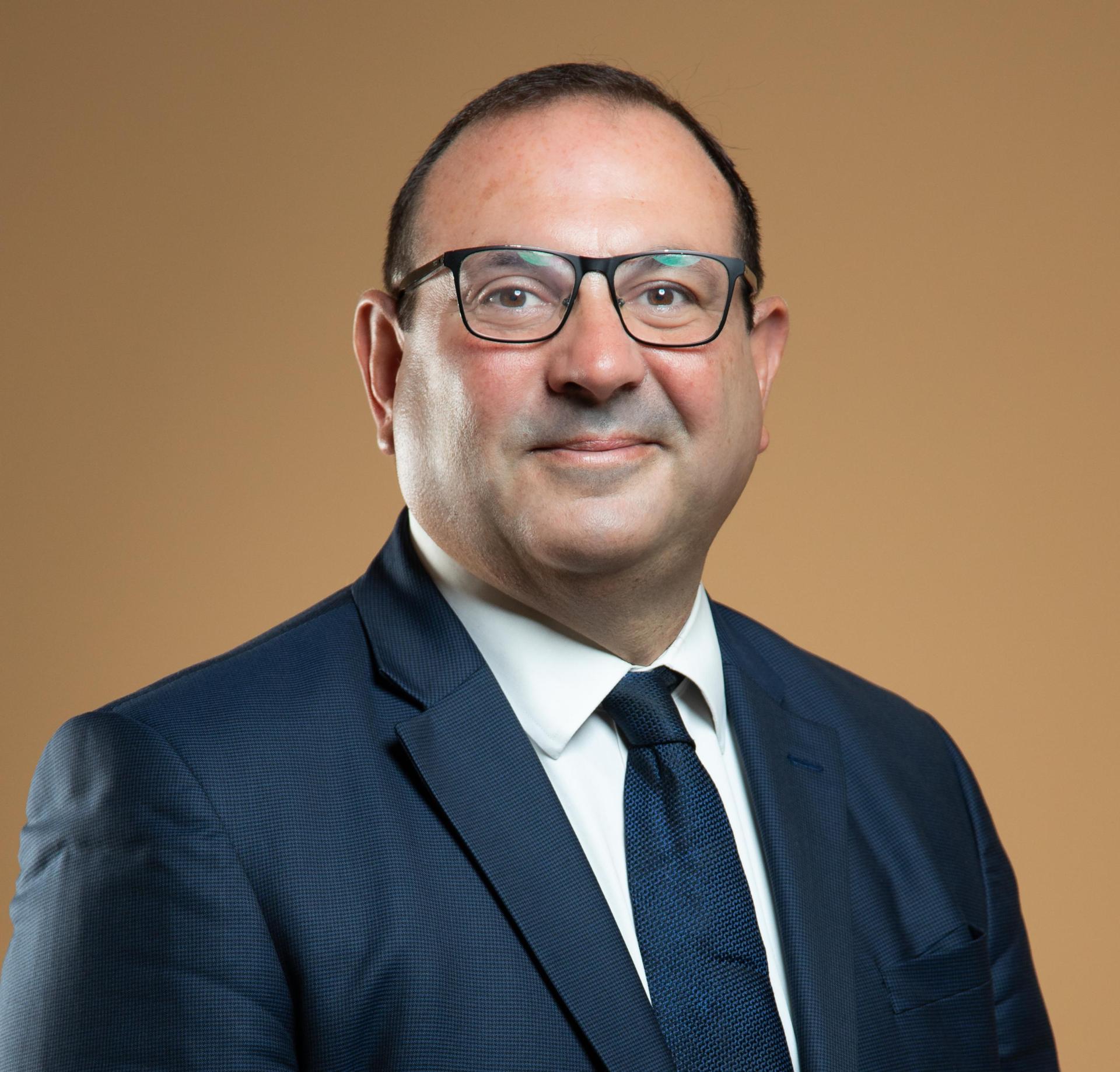
Malcolm Mifsud is a former PN mayor of Pietà.