Christian spirituality: A child reborn
To be reborn a child is to learn to love fearlessly. Only then is life’s joy complete
The week before Christmas, excitement is brewing but exhaustion has already descended as thick as fog. The most diligent have put up the decorations and wrapped all their gifts weeks ago. Those more overwhelmed by life are still scrambling with the season’s duties of reciprocity and cheer.
Perhaps it is the rhythm of the scholastic calendar that rules my world; perhaps it is the winter solstice itself… but September to December is when my energy levels drop to zero. I look forward to the “holiday season”, desperate for a breather before the long January-to-August haul. I give my due to Santa and his elves, too embarrassed to snub capitalist societal expectations. I still manage to steal mere moments of silence in my soul.
There I discover an eternal child. My Christian upbringing identifies him as Jesus, born of the “Virgin” Mary, a term to stress his suprahuman status. Notwithstanding the child’s presumed glory, he entered the world in a dirty stable, warmed by beasts, welcomed by shepherds who, in those pre-Enlightenment days, were also treated with as much respect as beasts.
I stay with that smelly image, quite unlike picture-perfect cribs. Another figure emerges: an upright man coming in the night to meet Jesus, now a grown-up prophet, teacher and miracle-worker. In my imagination, that “night” is the long winter past midlife, when the contemplation of personal finitude and purpose takes centre stage. The man is facing that universal predicament: his life is busy and full; he has hard-earned economic stability even while raising a family; all gods and (wo)men envy his success … and still his heart is a dark cold “night”.
As one is reborn, a subtle transformation happens: peace overflows from one’s heart to all. Like an eternal dawn, it brings an unshakeable trust that all dark nights come to an end
“Rabbi…” he reaches out. Jesus reads the torment in his soul like an open book but does not mince his words: no one can find peace unless they are born again.
The man, experienced in worldly affairs, laughs off Jesus’s quip. Can anyone afford to be childlike while surviving sharks in a mad race to power? We protect our children’s illusions about Santa and his elves, but can anyone remain innocent after life and people reveal their true colours?
The divine child flashes in my mind’s eye again, the two images fusing into one. Christmas is not just the memory of the birth of the Messiah who saves all from sin. Rather, the dark winter night invites me to become a divine child: not naïve, but accepting of my lot of suffering; merciful toward any vulnerable other, since we are all swimming in the same rough seas.
My divine child is born in filth because only in need can I know a love so pure as to cut through our worldly delusions. To become a divine child is to choose powerlessness; to let go of control; to give in to exhaustion and embrace the stark reality of poverty of soul. But as one is reborn, a subtle transformation happens: peace overflows from one’s heart to all. Like an eternal dawn, it brings an unshakeable trust that all dark nights come to an end. Like a warm blanket, it reassures that with enough goodwill, no man, woman or child need to be a stranger, enemy – or alone.
I wake up to a new truth: to be reborn a child is to learn to love fearlessly. Only then is life’s joy complete.
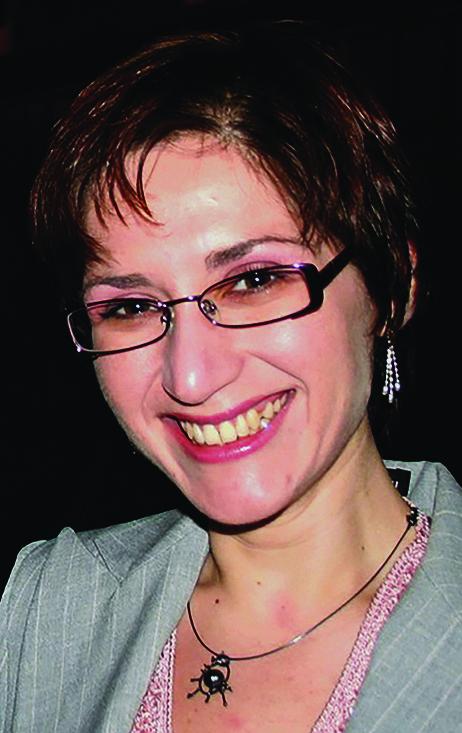
Nadia Delicata is an associate professor at the University of Malta’s Department of Moral and Spiritual Theology.