Christian spirituality: Mother of the faithful People of God
New Church document clarifies, recommends or discourages certain titles attributed to the Virgin Mary, particularly those related to her cooperation in salvation
Mater Populi Fidelis – Mother of the Faithful People of God – is the title of a recently published note by the Dicastery for the Doctrine of the Faith. It expresses with depth and pastoral resonance the Church’s understanding of Mary’s maternal role toward the People of God.
The document’s purpose is to clarify, in a doctrinal theological way, how certain titles attributed to the Virgin Mary, particularly those related to her cooperation in salvation, should be understood, and which titles the Church recommends or discourages, in order to avoid confusion.
The note encourages the expression “Mother of the Faithful People of God”. This title emphasises Mary’s maternal role vis-à-vis the Church and all believers, grounded in her cooperation with Christ’s salvific mission. Marian devotion, including pilgrimages to shrines and venerations, is affirmed as an important spiritual practice. They are a “treasure of the Church”, offering believers consolation, hope, and spiritual strength.
The note explains why the term co-redemptrix (co-redeemer) can be problematic. This title “carries the risk of eclipsing the exclusive role of Jesus Christ” in the work of redemption. Even the use of “Mediatrix of all Graces” is discouraged when it suggests Mary mediates grace in a way that competes with or parallels Christ’s unique mediation.
The note says that while Mary intercedes for and accompanies the faithful, the communication of sanctifying grace remains exclusively Christ’s work, exercised through his humanity.
While Mary does intercede and accompany the faithful, the communication of sanctifying grace remains exclusively Christ’s work, exercised through his humanity
The publication of Mater Populi Fidelis responds to decades of pastoral and theological debate. Some Marian titles, though popular in piety and devotional literature, have often led to confusion about Mary’s role in salvation, even among the faithful. This note aims to provide clarity, ensuring that Marian devotion remains Christ-centred, not slip into theological exaggeration.
By grounding its reflections in Scripture, Patristic tradition, and the doctrinal heritage of the Church (East and West), the note reaffirms that Marian devotion can be both deeply traditional and doctrinally sound.
For believers and pastors alike, this guidance is important: it supports an authentic spirituality – one that honours Mary as Mother of believers, encourages devotion and intercession, but always in harmonious subordination to Christ. The expression ‘Mother of the Faithful People of God’ is deeply coherent with the Church’s longstanding Marian doctrine. From the earliest centuries, Christians have recognised Mary as both Mother of Christ and Mother of the Church.
This understanding was clearly articulated by Vatican Council II in the dogmatic constitution Lumen Gentium, that describes Mary as “our mother in the order of grace”. As the new Eve, she stands at the origin of Christian life, welcoming God’s Word in faith and offering her maternal intercession to all believers.
The note underscores not only Mary’s role in salvation history, but her ongoing presence within the journey of the Christian people – guiding, protecting, and inspiring them to fidelity. It emphasises relationship, care, and continuity: Mary is the mother who accompanies the pilgrim Church through the ages.
For Catholics seeking to deepen their Marian devotion, or for pastors guiding the faithful, this document offers a road map: love Mary, venerate her, draw from her maternal affection, but always walk in humility, with eyes fixed on Christ, the one Redeemer and Mediator.
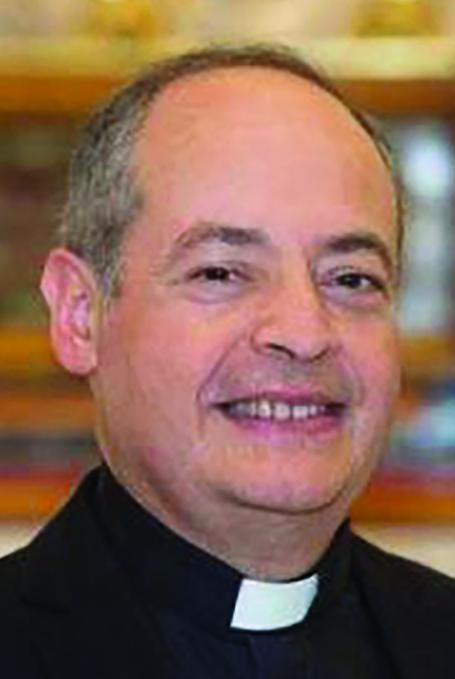
Mgr Joseph Galea Curmi is Auxiliary Bishop of the Malta Archdiocese.
j.galea.curmi@maltadiocese.org