Christian spirituality: Who wants to live forever?
Our desire is that, like Christ – but also through him and with him – death will lead to new life, and victory will come as a result of self-surrender
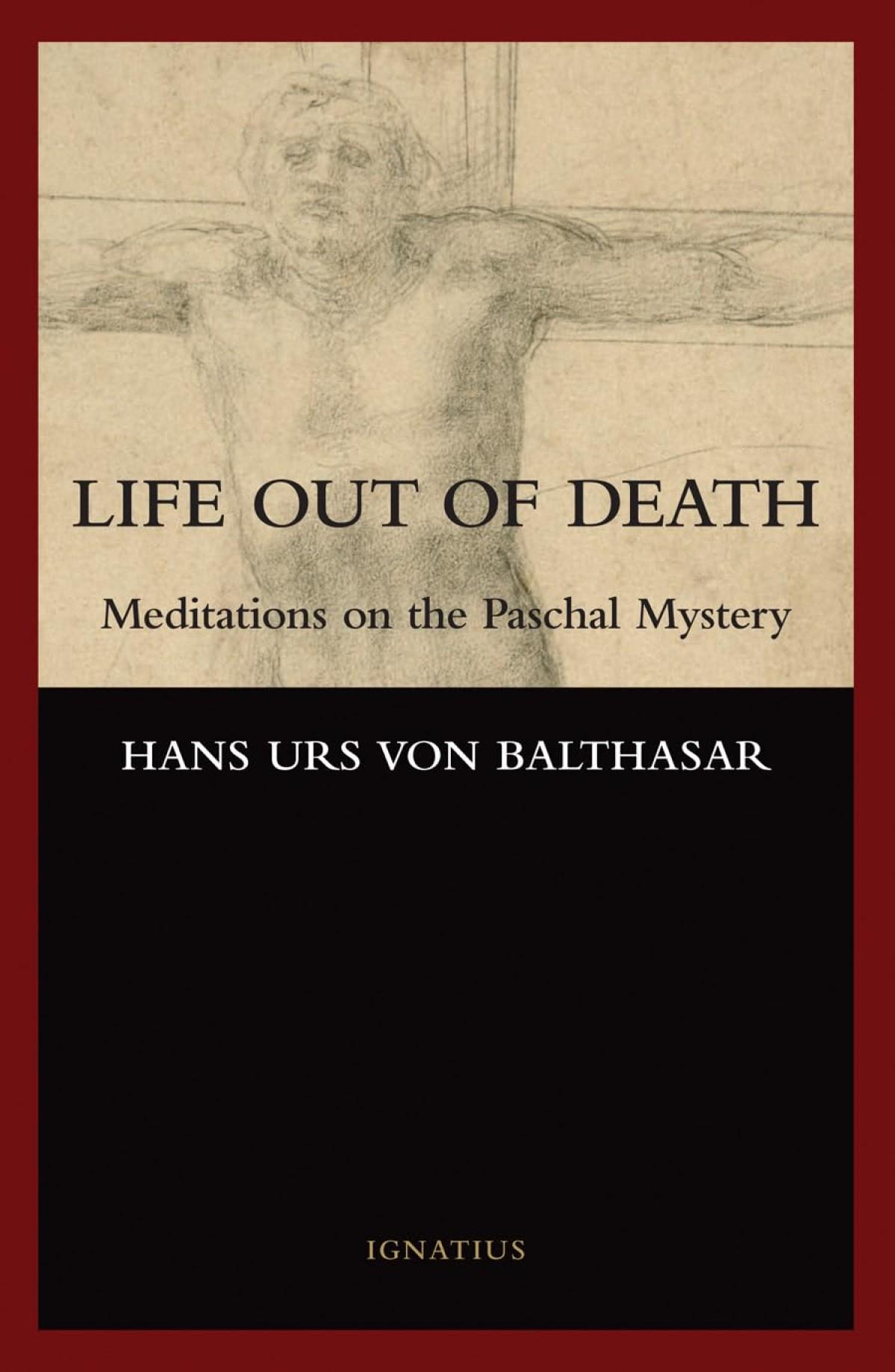 Life out of Death, by Hans Urs von Balthasar
“Dying is the most ordinary thing.” This is how Swiss theologian Hans Urs von Balthasar begins Life out of Death – a series of reflections on the paschal mystery. Beyond the evolutionary impulse for self-preservation, he observes, humanity across cultures and ages has expressed a desire for something more. Despite knowing our lives are finite, we seem to yearn for the infinite. We know we must die, yet we crave to live forever.
Immortality, in fact, was the topic of discussion caught on a hot mic between the Russian, Chinese and Noth Korean premiers gathered in Beijing last month. As they walked, Putin’s translator was overheard saying “Human organs can be continuously transplanted… and (you can) even achieve immortality”.
They are not alone in this belief. A sizeable number of technologists and futurists subscribe to transhumanism – the belief that technology and scientific progress will enhance human genetics and cognition, as well as enabling us to eradicate natural death. Suffice to mention Bryan Johnson (about whom a Netflix documentary has been made) and his endeavours to reverse ageing.
Something here makes me feel uncomfortable. It’s not just the fact that the overwhelming majority of proponents of this sort of immortality happen to be individuals of great financial or political power. Neither is it the related apparent lack of concern at more pressing crises facing sizeable populations in less affluent parts of the globe.
The root of my discomfort rather relates to the version of ‘immortality’ transhumanism purports to strive for. The ‘immortality’ transhumanism advertised is an extension, a prolongation of what we already experience – a ‘more of the same’. Is this, however, the immortality we so deeply desire and yearn for?
The price of such a transformation is not measured in dollars and euros, but in actions of love
Ask anyone whether they’d be happy to spend eternity waking up early, going to work, brushing their teeth, and wondering how to spend their weekend, and I doubt you’ll get many takers. And even if we did manage to do away with all these other tedious and repetitive tasks that mark our life and achieve a state of utopia, what then?!
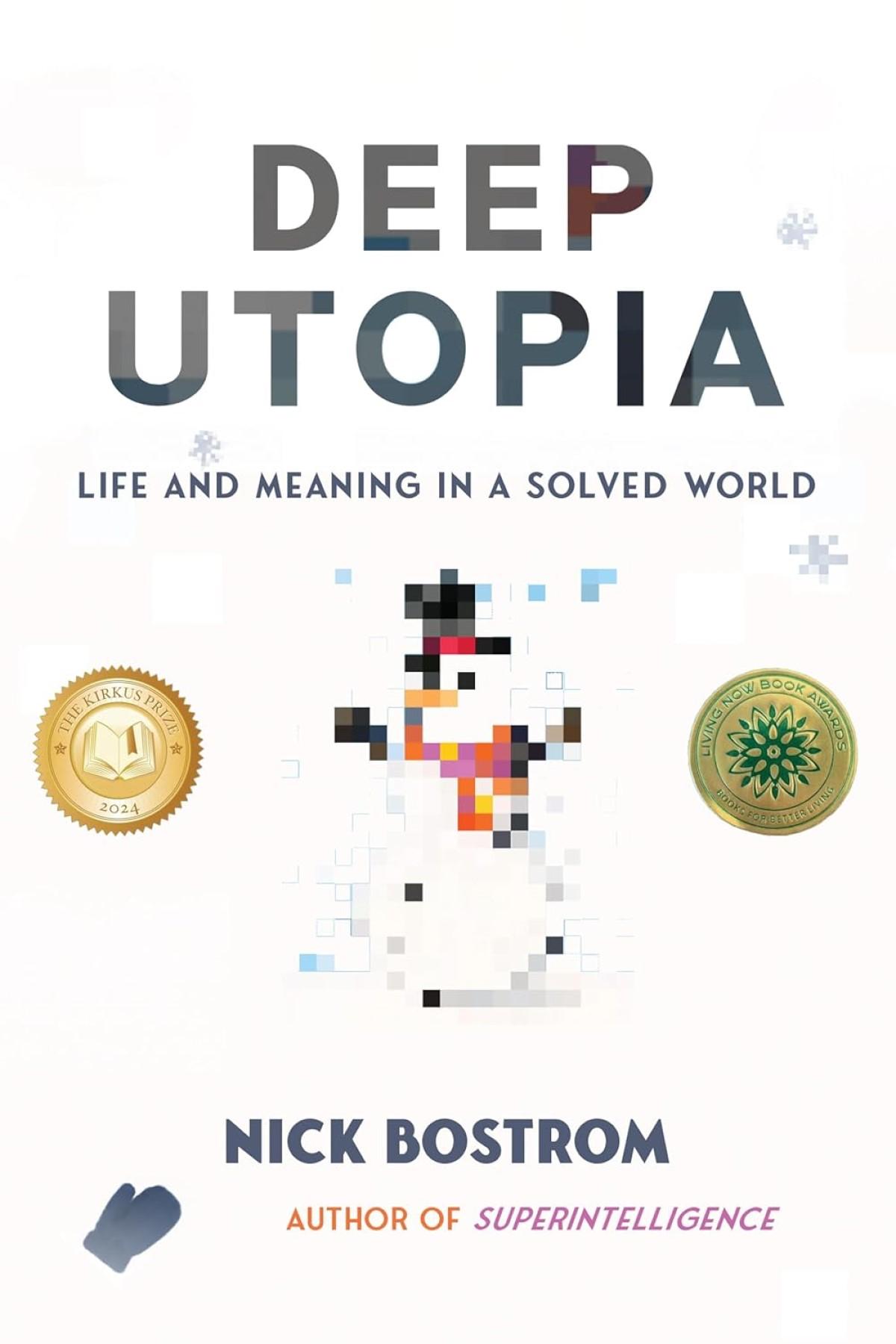 Deep Utopia, by Nick Bostrom
This is precisely the question Oxford professor Nick Bostrom, a devout transhumanist himself, grapples with (without fully resolving) in his book Deep Utopia. Ambrose of Milan, speaking after the death of his brother Satyrus, shows himself in agreement with Bostrom, stating: “For immortality, unless grace breathed upon it, would be rather a burden than an advantage.”
Maybe we’ve been looking at this the wrong way. Maybe death is actually an extraordinary thing. Death firstly gives us a sense of limit, a finite amount of resources of time and energy, which in turn means that where, how, and with whom I spend those resources, is where I hope to find meaning in life.
Yet death also seems to indicate that the ‘more’ we desire is not just ‘more of the same’ but rather something totally different – a transformation, an elevation beyond the earthly and ephemeral to the divine and the eternal.
Our desire is that, like Christ – but also through him and with him – death will lead to new life, and victory will come as a result of self-surrender. The price of such a transformation is not measured in dollars and euros, but in actions of love.