Citizenship is not a commodity. It’s a commitment.
Citizenship must be reclaimed as a moral and civic bond, not reduced to a transaction, writes Edward Warrington
What does it mean to be Maltese? Is it a passport? A tax contribution? A surname that sounds right? A vote in an election?
Or is it something more profound – a commitment to a shared project, a republic that belongs to all of us and none of us?
In Democratic Vision 2050, Repubblika argues that citizenship must be reclaimed as a moral and civic bond, not reduced to a transaction. It is a ‘universal bond’, transcending every other bond, of gender, race, ethnicity, locality or shared interest. When citizenship becomes something that can be bought, traded, or weaponised, it can no longer constitute the foundation of democracy.
And that is exactly what we’ve allowed to happen.
In recent years, Malta has made headlines around the world – not for the strength of our democratic institutions, but for auctioning citizenship to the highest bidder. We’ve watched as passports have been handed out not as a mark of belonging, but as a commodity – exchanged for cash, secrecy, and influence. We’ve allowed the very idea of Maltese identity to be hollowed out, and with that, we have fatally weakened that which makes us a free people.
Citizenship isn’t just about passport schemes. It’s first of all about how we think of ourselves and our responsibilities to one another and towards the nation.
Too often, we treat citizenship as a status – something you either have or don’t. In a democracy, however, citizenship is not a prize. It is a way of life. It is practised, claimed, and exercised every day – by voting, by participating, by holding institutions accountable, by standing up for one another.
The idea of the republic – res publica – is that we are all co-owners of the common good and co-responsible for the prospects for our common future. However, that idea only works if we all understand our responsibilities as well as our rights. That sense of mutual obligation has eroded.
We’ve become a society that celebrates power and success but often forgets the importance of solidarity. We’ve become suspicious of outsiders, unless they bring money. We’ve created a two-tier system: one citizenship for investors and elites, and another for everyone else.
Democratic Vision 2050 proposes a different path.
First, we call for the abolition of the Individual Investor Programme and any future schemes that treat citizenship as a financial transaction. Our nationality must not be for sale.
Second, we urge a comprehensive review of our citizenship laws to ensure they reflect democratic values, transparency, and equality. This includes clearer pathways to citizenship for those who live and work here, and make meaningful contributions to Maltese society.
We urge a comprehensive review of our citizenship laws- Edward Warrington
Third, we advocate for citizenship education that begins in schools and extends into public life. From an early age, people must understand what it means to be citizens of Malta and of the European Union – what rights they hold, what responsibilities they bear, and how, thanks to these rights and responsibilities, they can shape the world around them.
Fourth, we must rethink our approach to integration and inclusion. Malta is changing. Our communities are more diverse. Our challenges are more complex. But diversity is not a threat; it is a reality holding great potential for good. Citizenship must be the framework through which we negotiate that reality.
Citizenship will help build bridges between communities. Citizenship will facilitate access to public services for all residents. It means recognising that newcomers, migrants, and minorities are not guests, but members of society who deserve a voice and dignity and who aspire to be incorporated into the nation.
All of this means confronting the myth that Maltese identity is something fixed, pure or closed. The truth is, our identity has always been malleable and plural. We are a crossroads, not a fortress; our best traditions – hospitality, resilience, creativity – are the ones we share.
Finally, we must seriously consider the European aspect of our citizenship. Malta is not an island unto itself. We are part of a union that guarantees rights and freedoms but also expects standards. The European Court of Justice has already ruled that Malta’s passport scheme undermines the trust that EU citizenship is based on. If we ignore that, we not only damage our reputation; we betray the promise of a democratic Europe.
Repubblika believes that citizenship is not about where you were born, what you look like, or how much money you have. It is about whether you show up, whether you care about the common good, whether you engage with the institutions that govern us, whether you uphold the values that bind us together, whether you practice the civic virtues.
Citizenship is not a piece of paper. It is a daily choice to participate in the life of a republic.
Read the full vision at www.repubblika.org/democracy2050. And ask yourself – not just what rights you claim, but what responsibilities you accept: because in a true democracy, belonging means more than status. It means commitment.
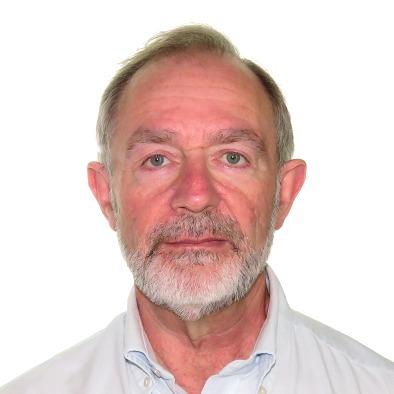
Edward Warrington is a committee member of Repubblika.