Cold wars: grand masters and inquisitors, 1669
There were three top wielders of authority – the Order, the Church and the Inquisition
Throughout the last two centuries of Hospitaller rule, a persistent cold war simmered between the three top wielders of authority in the island – the Order, the Church and the Inquisition. Few other European states came so close to being absolute theocracies as Malta did, a small island where three ecclesiastical entities shared the entirety of political and civil power between them, and all three ultimately competed for the nod from the pontiff in Rome.
This uncomfortable distribution of authority inevitably gave rise to outright conflicts or to smouldering tensions, sometimes erupting into outright confrontations, but generally constrained by polite and understated hostility. Often a three-cornered fight, but sometimes two joined forces against one, in shifting coalitions. One of the principal causes of conflict was that each of the three authorities had its own court, prison and areas of jurisdiction.
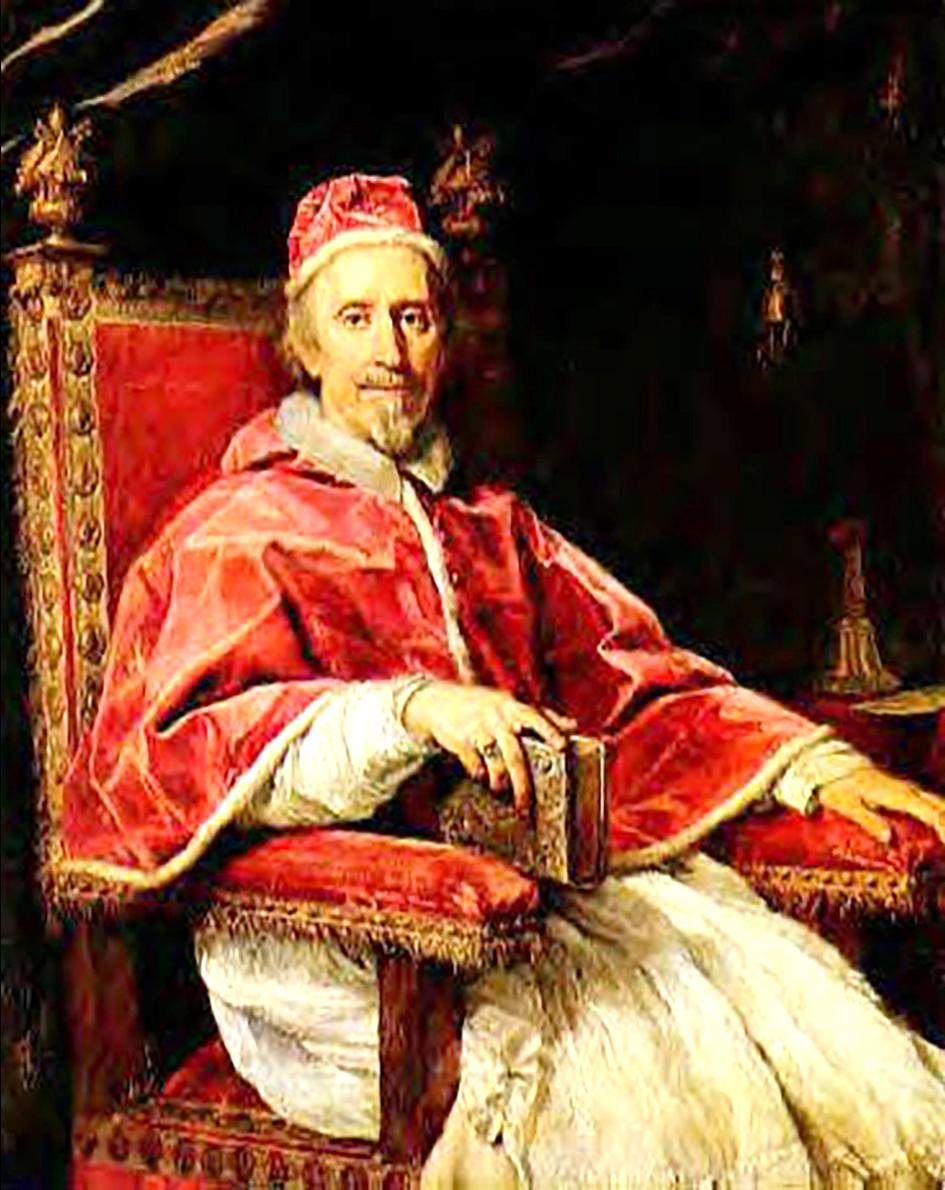 Portrait of Pope Clement IX
The Order exercised judicial power through two separate systems: its internal one, which determined all civil litigation in which the Order or its members were involved and claimed competence in all criminal proceedings regarding offences committed by or against members of the Order. That was the ‘internal’ jurisdiction. But the grand master also wore a separate hat – that of Prince of Malta, where general civil and criminal jurisdiction was exercised by the courts of the Castellania, generally presided over by Maltese judges.
But other special courts competed with these ‘standard’ jurisdictions. The Bishop’s Court jealously guarded its right to judge all offences committed by or against Church entities, ecclesiastics, their agents and affiliates. Similarly, the Inquisition affirmed its exclusive authority over all offences committed by or against its officers, employees and ‘patentees’. Conflicts waiting to happen. They did, with boring regularity.
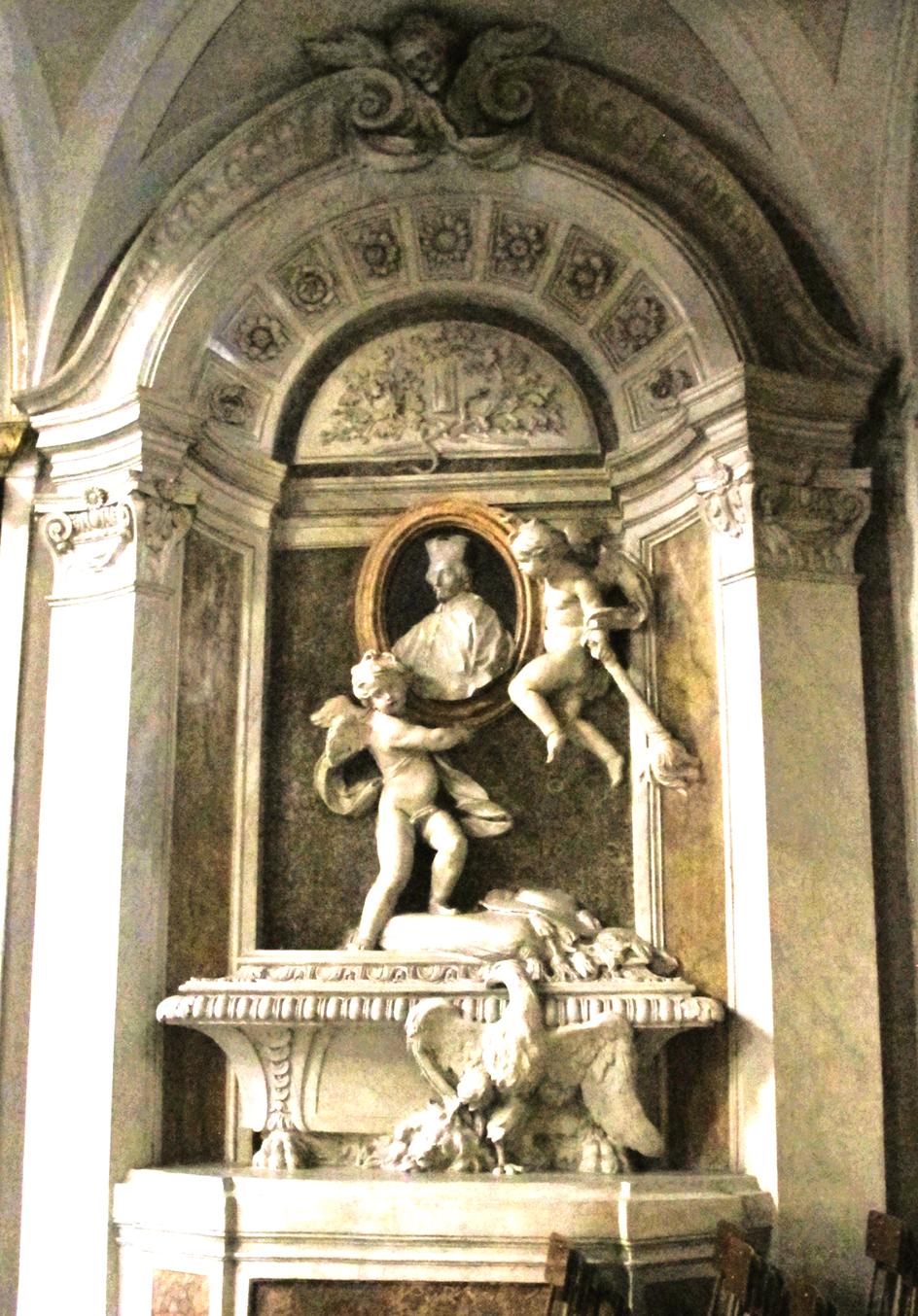 Monumental tomb of Cardinal Carlo Bichi
To illustrate these tensions, I will today focus on just one incident, emblematic of a recurrent pattern. It happened in 1669, when Grand Master Nicholas Cotoner headed the Order of St John and at the same time governed the principality of Malta, and the Inquisition answered to Mgr Carlo Bichi. Malta had no bishop in the interval between the death of Mgr Luca Bueno in 1668 and the appointment of Mgr Lorenzo Astiria two years later, a sort of sede vacante limbo with Canon Giovanni Antonio Cauchi cast as uncomfortable stop-gap.
Mgr Bichi (1638 – 1718) hardly counted as Mr Nobody. The Bichi (who in Malta somehow became Bighi), an ancient and creditable family from Siena, contributed at least nine knights to the Order, some of whom achieved high office. One, Fra Galgano, broke his vow of celibacy by getting married. Inquisitor Bichi was the son of a Gagliano Bichi – the defrocked knight? Rome chose Mgr Carlo to be Inquisitor of Malta when only 31 years old. His unpopularity in Malta did not stand in the way of his appointment as cardinal in 1690.
Sometime at the beginning of May 1669, a priest, Don Lorenzo Borg, found himself involved in an altercation with a courier of the Inquisition known as a ‘familiar’, which sadly ended in violence. The name of the beaten courier results neither in the Order’s records nor in the Inquisition’s. Dun Lawrenz apparently pounded the inquisitor’s dependant within an inch of his life.
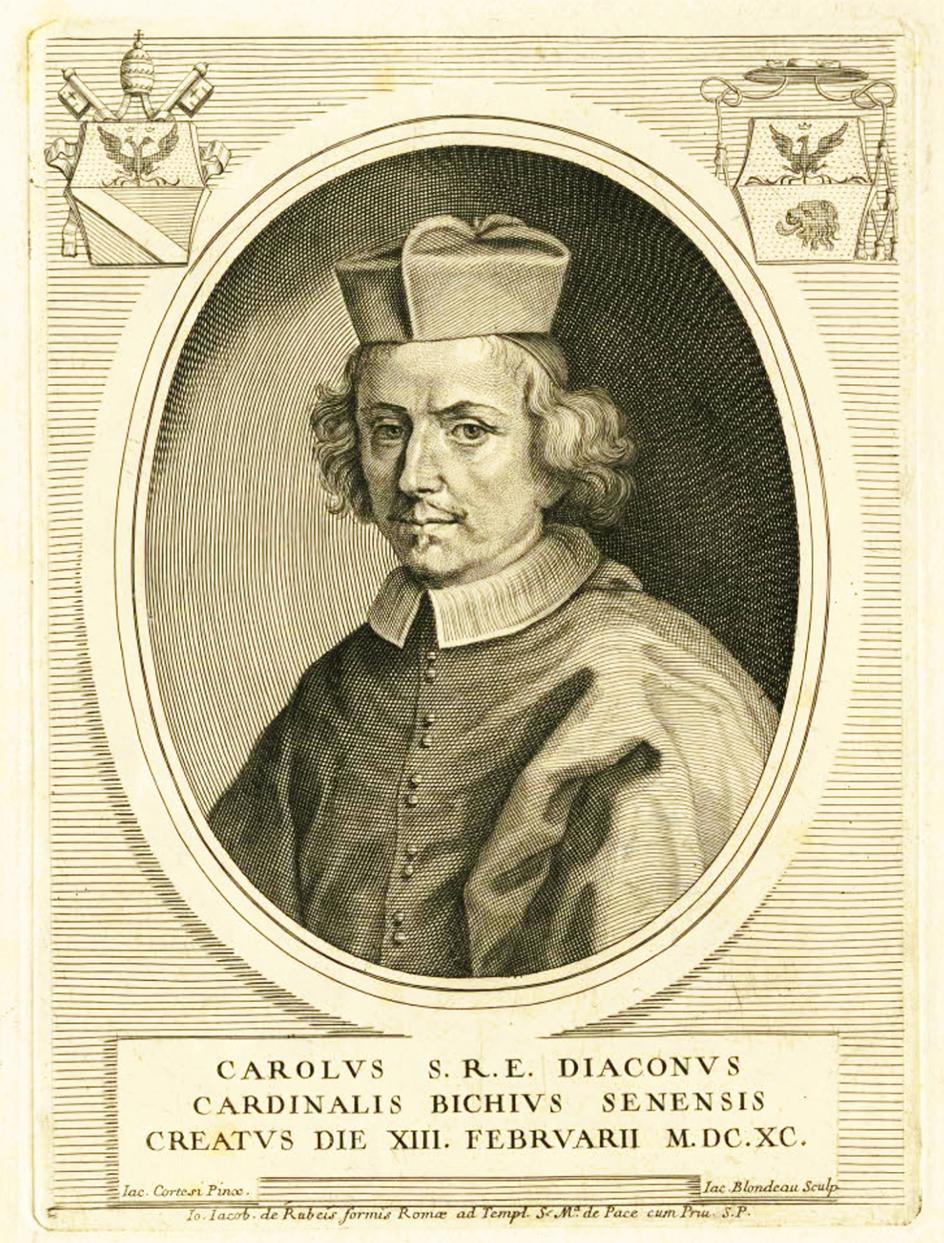 Portrait of Inquisitor Carlo Bichi
Not that the reverend Borg was an ordinary ecclesiastic. Though a priest in Holy Orders, he had joined the special clergy of the Order of St John, known as conventual chaplains or cappellani d’ obbidienza. That gave him special privileges and protection – only the Order had jurisdiction over him. Neither the bishop nor the Inquisition could lay a finger on him. The Order claimed its entitlement to this historic privilege “by virtue of so much blood shed in defence of Christianity”.
Borg’s cocky confidence in his impunity did not impress Inquisitor Bichi, a rather irascible specimen who had already had brushes with the grand master and seems to have been spoiling for a fight.
Few other European states came so close to being absolute theocracies as Malta did
Bichi argued that the crime fell under the jurisdiction of the Inquisition, as Borg had assaulted and wounded an agent of the inquisitor. He ordered the arrest of the conventual chaplain, and after a summary hearing, condemned him to detention – but, in lieu of imprisonment in the Inquisition jail in Vittoriosa, imposed on the fist-happy cleric a sentence of house arrest for one year, guaranteed by a security of 1000 scudi in case of breach.
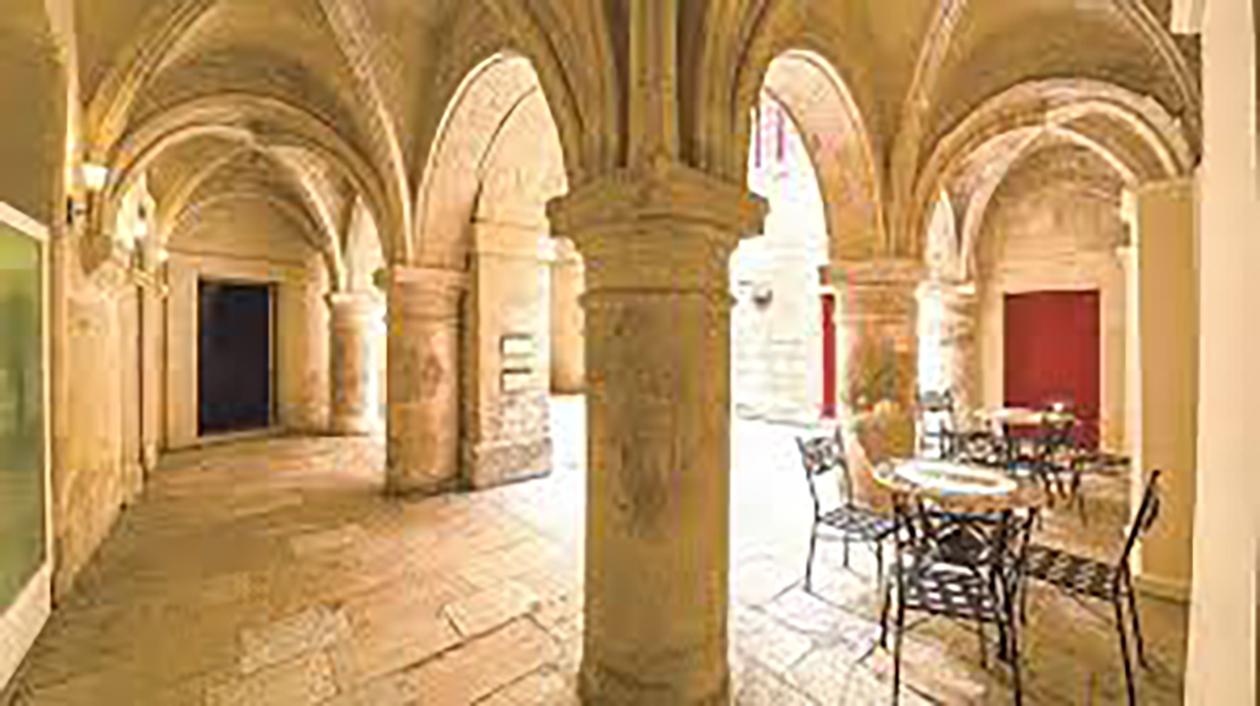 Courtyard of the Inquisition building in Vittoriosa.
If the victim of the bodily harm enjoyed the protection of the inquisitor’s justice, the status of the accused made the crime fall squarely under the jurisdiction of the grand master of the Order – a classic case of clear conflict of jurisdiction between entities which considered prestige and exercise of privilege vital to their survival. As a veteran lawyer taught me in the early days of my career, there are no conflicts more intractable as those fejn it-tnejn għandhom raġun.
Faced with this unbearable outrage to his authority, Grand Master Cotoner leapt into action. He placed the abusive arrest of Padre Borg by the inquisitor as the third item on the agenda of the meeting of the Council of May 17. The appalled Council appointed high ranking knights to establish the facts and report back with proposals on the best course of action.
The elderly commissioners did not waste any time. They compiled the evidence and read out their report in the very next Council meeting held on May 22. The Council deliberated on the way forward. In the same assembly, the supreme Council agreed to allow the Hospitallers of the seven langues of the Order to meet to pass resolutions to condemn what they considered Inquisitor Bichi’s scandalous abuse of power and disregard of their immunity.
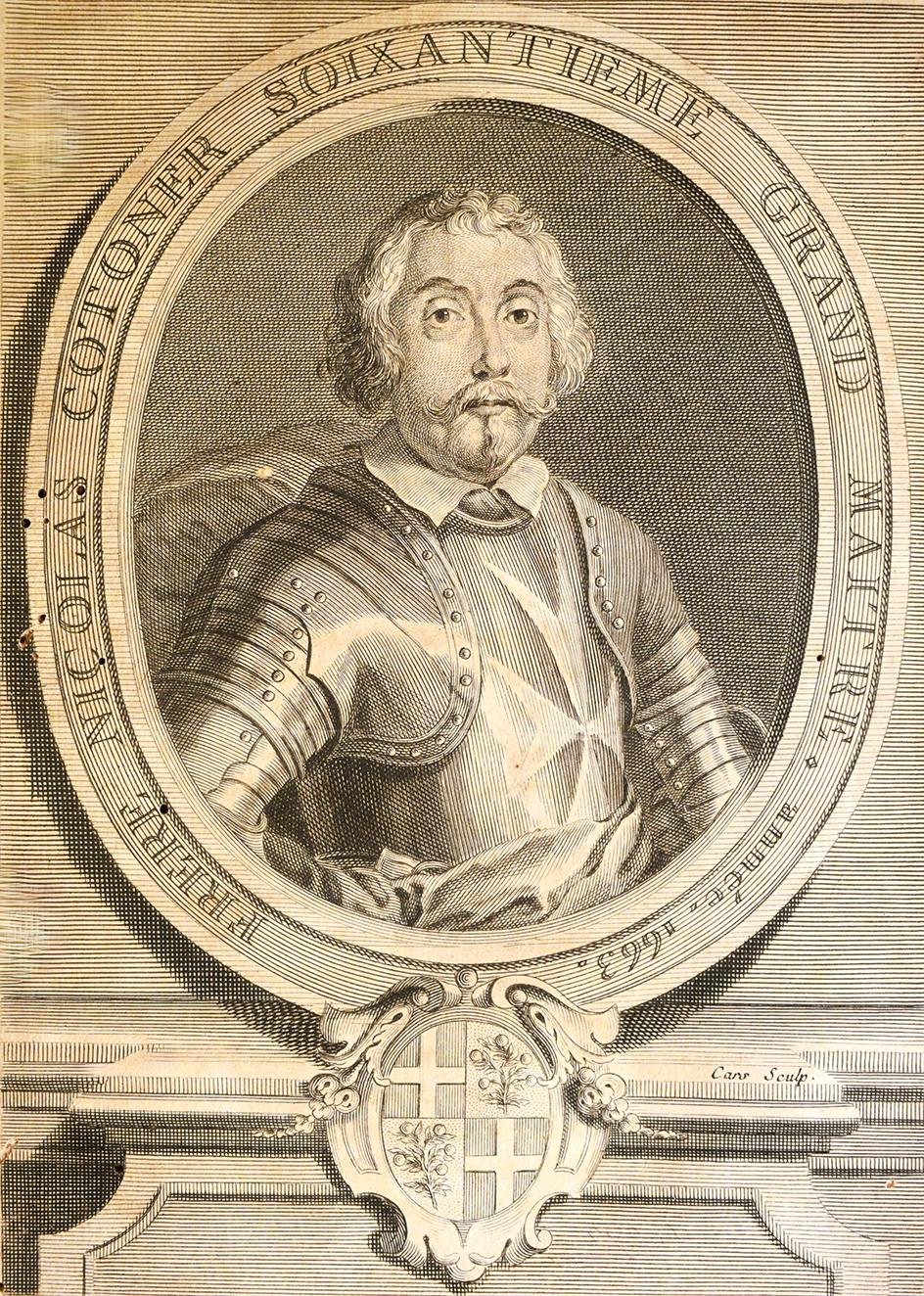 Portrait of Grand Master Nicholas Cotoner
The following day, the Council met again to approve the contents of the formal protest to be sent to the inquisitor and to write to Bali Vincenzo Rospigliosi, a prominent member of the Order, who also happened to be a close blood relative of the pope placed in command of the papal fleet, to update him with details of the controversy. Obviously the Order factored in the consideration that a little familial cronyism would not damage its cause. The same Council also discussed various grudges held by the langues against the inquisitor.
Towards the end of May, the Council gave detailed instructions to its ambassador in Rome about how to plead the Order’s case with the pope. The Order, rather than blame Bichi directly, shifted the blame to his Maltese assessor, a worthy though colourful priest, Canon Alessandro Bologna (1614 – 1698). As assessor of the bishop, he claimed precedence over the other canons of the Cathedral Chapter and some of them opposed. Bologna “made even use of physical violence by imprisoning all those who resisted his installation”.
Grand Master Cotoner thought of a cunning move: to charge Borg with other crimes against the Order and forcibly transfer the cleric from the Inquisition’s house arrest to the Order’s prison in St Elmo.
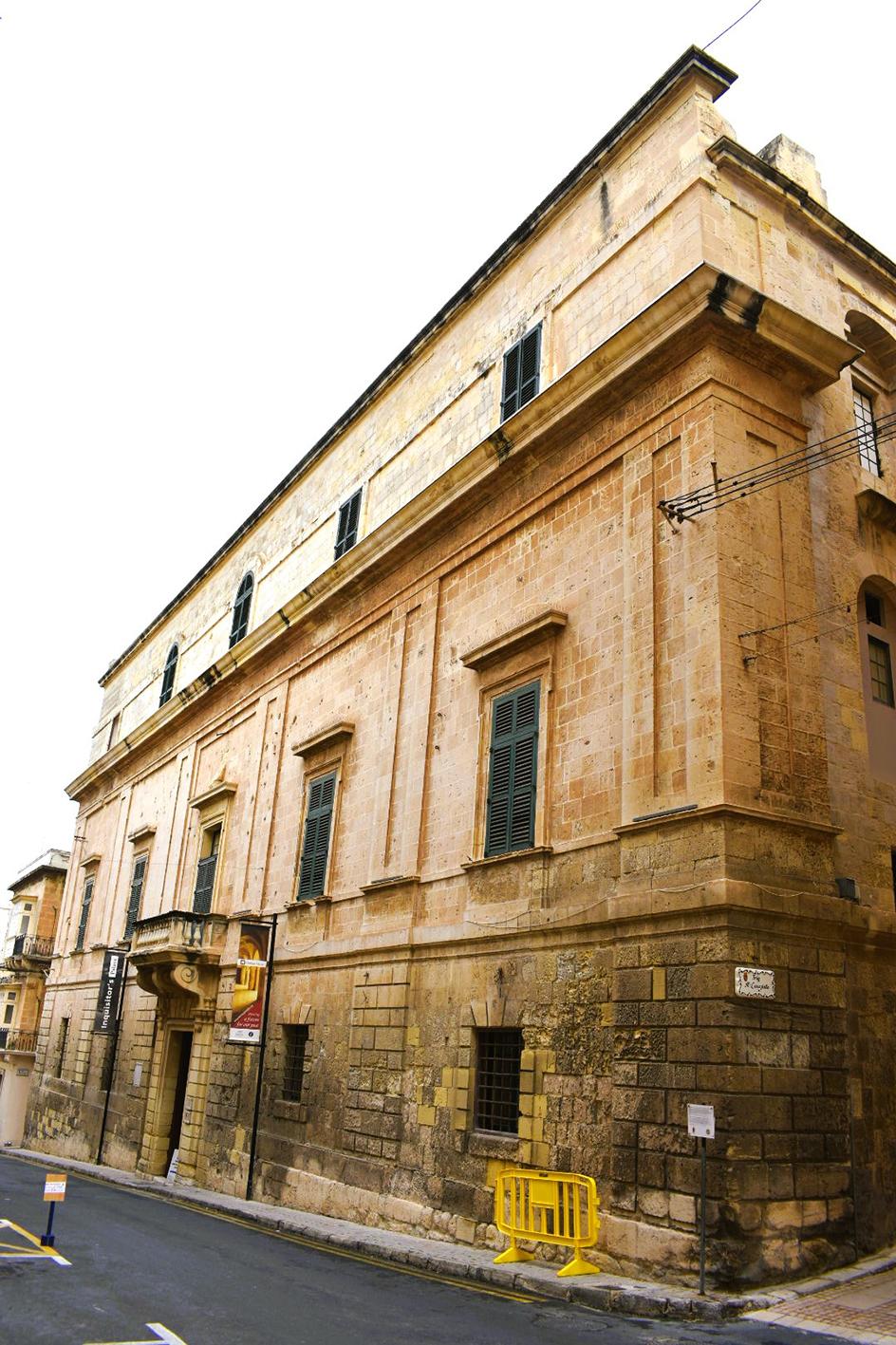 Palace of the Inquisition in Vittoriosa
In July, the Council of the Order convened to be updated on the progress of the conflict. The pope in Rome had meanwhile been roped in to intervene again between the Maltese belligerents. I can just visualise the poor Rospigliosi pope Clement IX tearing out his hair in exasperation “O no, not Malta again!”
By July 18, the final verdict issued by Rome condemned the Order’s claims as unfounded and ruled the inquisitor had acted within his powers. Cotoner convened the Council to announce the Order’s defeat and, no doubt reluctantly and munching humble pie, to abide by the pontiff’s ruling. The Order released the prisoner back to the inquisitor.
This was not to be the end of the story. Padre Borg, (the Inquisition records wrongly call him Don Francesco Borg) whose Inquisition house arrest had now been approved by Rome, did not take too kindly to being cooped up at home. His squalid saga, which started in legalisms, finally skids into humanity. After five months’ house detention, Inquisitor Bichi noted that lack of exercise and fresh air had undermined Fr Borg’s health, “seeing him so bloated” (nel sentirlo già tutto gonfio). Suffering a fit of clemency, he ordered the prisoner’s release.
And Pope Clement IX passed away immediately after. It would be unfair to blame his Maltese nightmares for his death.
Acknowledgements
Thanks to Danica Abela, Jeremy Debono. Mario Gauci, Joseph Scerri and Theresa Vella for their support.