Comfort and greed are our weakness, resilience our blind spot
Investing in resilience does not mean militarising Malta or abandoning neutrality. National resilience is not about aggression. It is about survival, says David Attard
Malta likes to think of itself as safe. A neutral island. Far from war. Untouchable. It is such a convenient and comforting political narrative. For years, we have convinced ourselves that geography and neutrality fully protect us.
That distance from conflict somehow shields us from its consequences. Meanwhile, national resilience has been quietly neglected. We have chosen comfort. And, increasingly, we have chosen greed.
Security and defence today are about whether a country can function when things go wrong. Can we keep the lights on? Can our hospitals continue to operate? Can we protect our data, our economy, our institutions? Can we manage panic, disruption and pressure?
Right now, the honest answer is no; definitely not well enough. Malta is today far more fragile than we are willing to admit.
Start with the obvious. We are an island that produces very little of what it consumes. Fuel, food, medicine, raw materials; almost everything arrives by sea. Disrupt those supply lines, even briefly, and the country feels it immediately.
We are limited. No depth. No serious margin for error. This is not resilience. It is dependency.
This dependency is not theoretical. It is visible and measurable. We hold limited strategic reserves. We lack depth in logistics. We rely on just-in-time delivery for essentials.
In a prolonged disruption, we would not be dealing with inconvenience, but with scarcity. And scarcity changes human behaviour. It creates pressure, uncertainty and ultimately instability within society itself.
Then there is the digital layer. The backbone of our economy, namely financial services, gaming, banking, public administration and healthcare.
All depend on information systems that can be targeted from anywhere in the world. Cyberattacks are not hypothetical. They are constant. Quiet. Probing. Waiting.
Energy is no better. We rely on imported fuels and the inter-connector with minimal redundancy. One disruption be it technical, geo-political or deliberate and the consequences would be immediate and widespread.
Still, we reassure ourselves. Still, we delay. And we continue to behave as if this is all someone else’s problem.
The question is not whether Malta is exposed. The question is whether we are prepared- David Attard
Because investing in resilience is politically inconvenient. It does not win votes. It does not produce ribbon-cutting ceremonies. It requires long-term thinking in a system addicted to short-term political gains. So, we postpone. We under-invest. We hope. We trust. We push our luck.
But luck is not a strategy.
And the question is not whether Malta is exposed. The question is whether we are prepared.
Civil preparedness remains shallow. Coordination across all sectors is inconsistent. Strategic reserves are limited. Contingency planning is often reactive rather than proactive. And when weaknesses are exposed, it will already be too late to fix them.
Let’s be clear. Investing in resilience does not mean militarising Malta or abandoning neutrality. That is the excuse often used by politicians to justify inaction or underinvesting.
National resilience is not about aggression. It is about survival. It is about maintaining our way of life. It is about ensuring the country can absorb shocks without collapsing into crisis. It means making difficult, often unpopular choices. Strengthening infrastructure. Taking cybersecurity seriously. Building real contingency plans. Investing in intelligence, coordination and resilience.
It also means that politicians should be telling the truth. Because the truth is this. We have prioritised comfort and greed over security, visibility over preparedness and short-term gain over resilience.
There is a cost to fixing this. We have been lucky so far. Exceptionally lucky. But luck does eventually run out.
The world is becoming more unstable, more competitive and less forgiving. Risks are no longer distant. They move faster, hit harder and exploit exactly the kind of complacency we have allowed to take root.
Security, defence and resilience are not abstract concepts. They are the difference between a country that bends and one that eventually breaks.
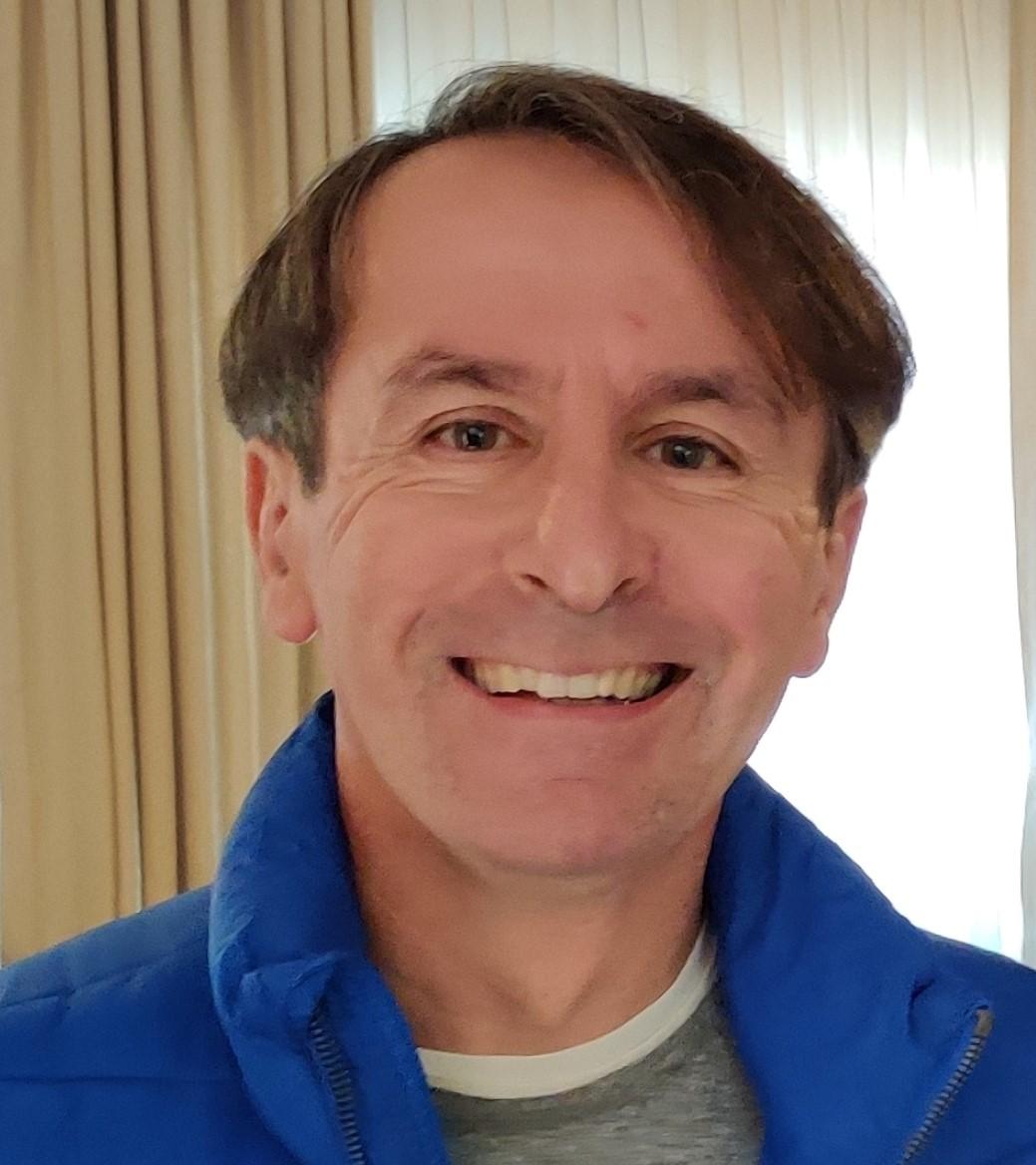
Colonel David P Attard is the former Deputy Commander of the Armed Forces of Malta.