Controversial 50-apartment Qormi block approved, despite protests
Concerns raised over encroachment on ODZ land
The Planning Authority has approved a 50-apartment block partly outside the development zone in Qormi, sparking concerns over its impact on the neighbourhood and residents’ quality of life.
The permit went ahead despite objectors highlighting that a significant portion of the proposed development encroached on ODZ land, consisting of agricultural fields and serving as an essential green buffer zone.
The permission was granted for the “vacant plot and adjacent store” on Triq il-Kummerċ, Triq is-Snajja and the Mrieħel bypass to be turned into a five-storey building, including four large commercial spaces at ground floor, 13 apartments on each of three overlying levels and 11 penthouses above.
The original application for a supermarket was revised and PA/07787/24 on the ODZ site was recently approved, despite residents’ fears about the scale of the development and its impact on agricultural land.
“The issue is that most of it is ODZ, and unfortunately, no one seems to care,” said one resident, whose efforts, together with others, to present arguments against the proposal that “failed to meet key planning objectives and community needs”, fell on deaf ears.
The residents noted that the site was classified as a vacant plot, based on an assessment that it was not actively cultivated agricultural land, and they questioned whether the basis for granting this permit was incorrect or misleading and whether, therefore, the permit could be considered null.
“Contrary to what was stated during the hearing, a substantial part of the site earmarked for development is, in fact, cultivated ODZ agricultural land – among the last areas left in a zone that is already heavily impacted by surrounding industry and the bypass,” they said.
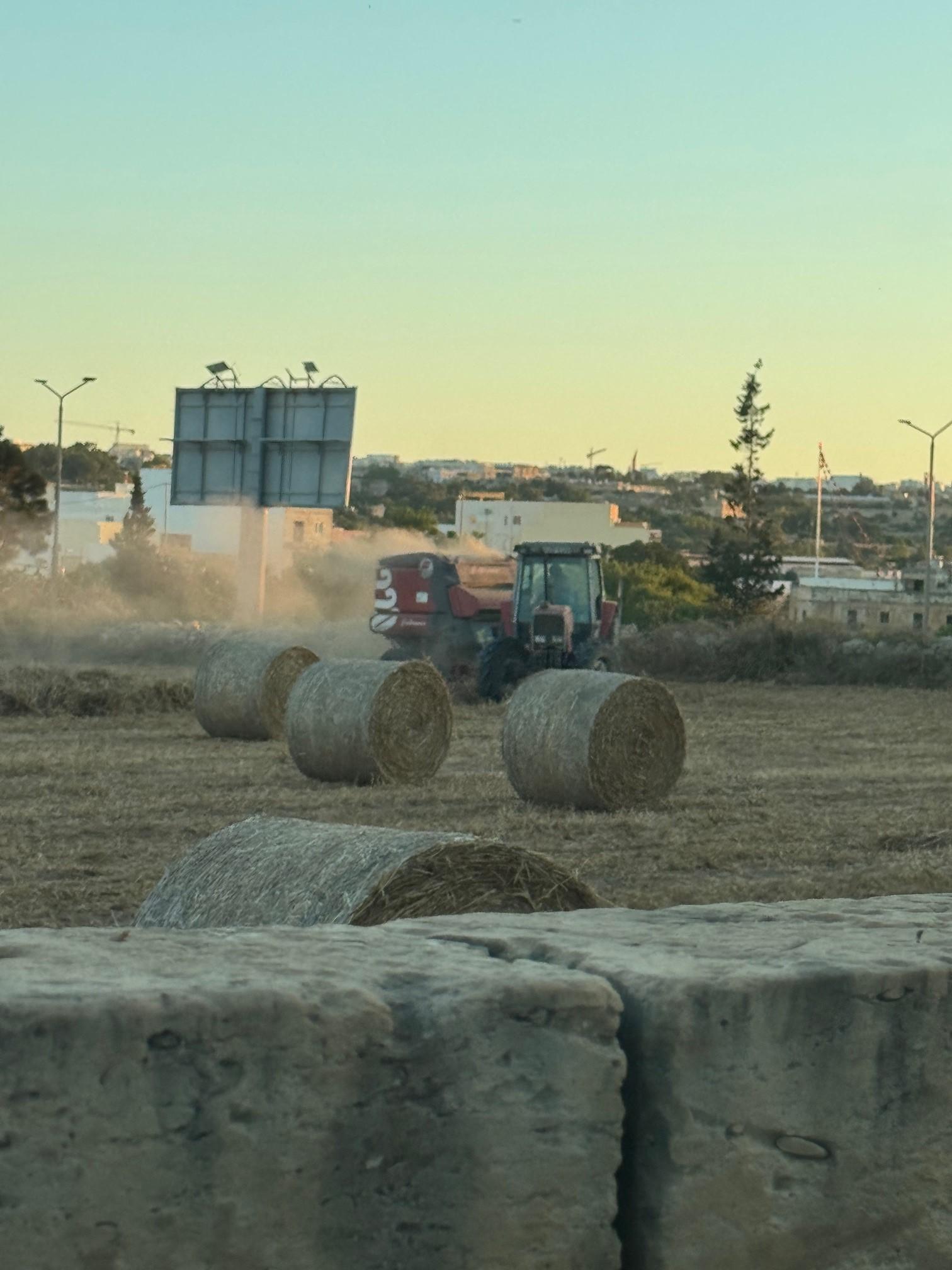 Fields being used for agricultural purposes.
Those living directly adjacent to the site of the development in Triq il-Kummerċ had strongly objected due to the significant adverse impacts of the project.
They listed loss of natural light, sunshine, ventilation and privacy, “compromising the liveability of our home and also diminishing its value”.
About 15 parking spaces currently used by residents and workers in the nearby industrial estate would also be removed.
Incompatibility with the surrounding urban character due to the “excessive” scale and density of the development was also listed as a reason for the project not to be greenlighted.
The height of the building did not respect the predominantly low-rise profile of the neighbourhood, creating visual disharmony, while the local infrastructure that was already struggling to cope would be further strained.
Environmental and noise concerns were also raised, stemming from the excavation required for the basement level.
The residents were dreading the vibration, dust and noise pollution during construction, claiming it would disrupt their peaceful enjoyment of the property.
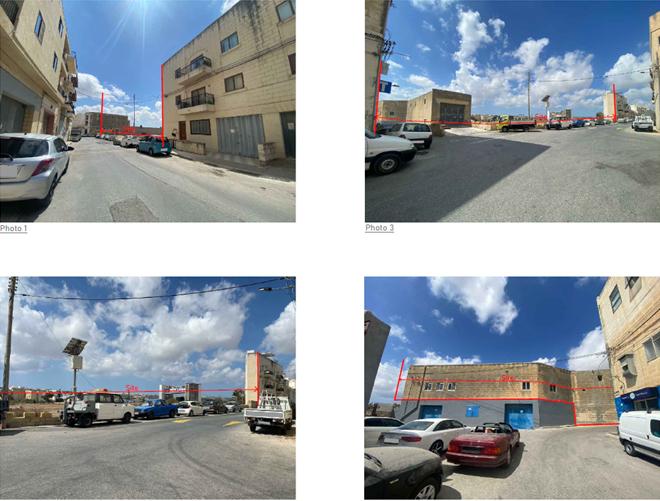 Photos show different angles of the site which will be developed.
Citing non-compliance with planning policies, the residents, in their representations, said the proposal had contradicted Strategic Plan for the Environment and Development (SPED) principles, with the height, density and mixed-use nature of the project failing to align with the need to respect the character of existing urban areas and have a balanced development that considered residential amenities and environmental sustainability.
They feared the permit would not only destroy the fields but also “set a dangerous precedent for future urban sprawl into protected zones of the area”.
The project would also result in soil-sealing, tree-felling and the destruction of the aesthetic and agricultural value of the site.
The Qormi council had also objected to the proposal to protect the only bit of “green lung” left in the locality and the rubble walls in the area.
It was joined in its opposition by environment NGO Flimkien għal Ambjent Aħjar and activist group Moviment Graffitti.
Graffitti had warned that if the “huge complex” was approved, it would destroy fields and have a negative impact on residents, who were constantly being sacrificed for such developments.
The original plan for the site involved a supermarket, but that proposal was later withdrawn, and the new version approved.