De La Rue extends its factory, calling Malta 'first-class country to invest in'
Prime Minister says project shows Malta can deliver major investment despite challenges
A €60m expansion of De La Rue’s factory in Bulebel was inaugurated on Tuesday, five years after the project was first announced.
The security printing company said the project has created 100 new jobs and is expected to strengthen Malta’s role as a manufacturing hub.
Prime Minister Robert Abela attended the inauguration and was shown around by CEO Clive Vacher, who said the company’s confidence in Malta had grown since it first established a presence on the island in the 1970s.
He said the Bulebel expansion was one of the company’s largest investments in decades and reflected its belief in Malta as a place to do business.
He said the government and its agencies Malta Enterprise and INDIS had created and continue to create one of the most business-friendly and business supportive nations in the world.
“Malta is a first-class country to invest in.”
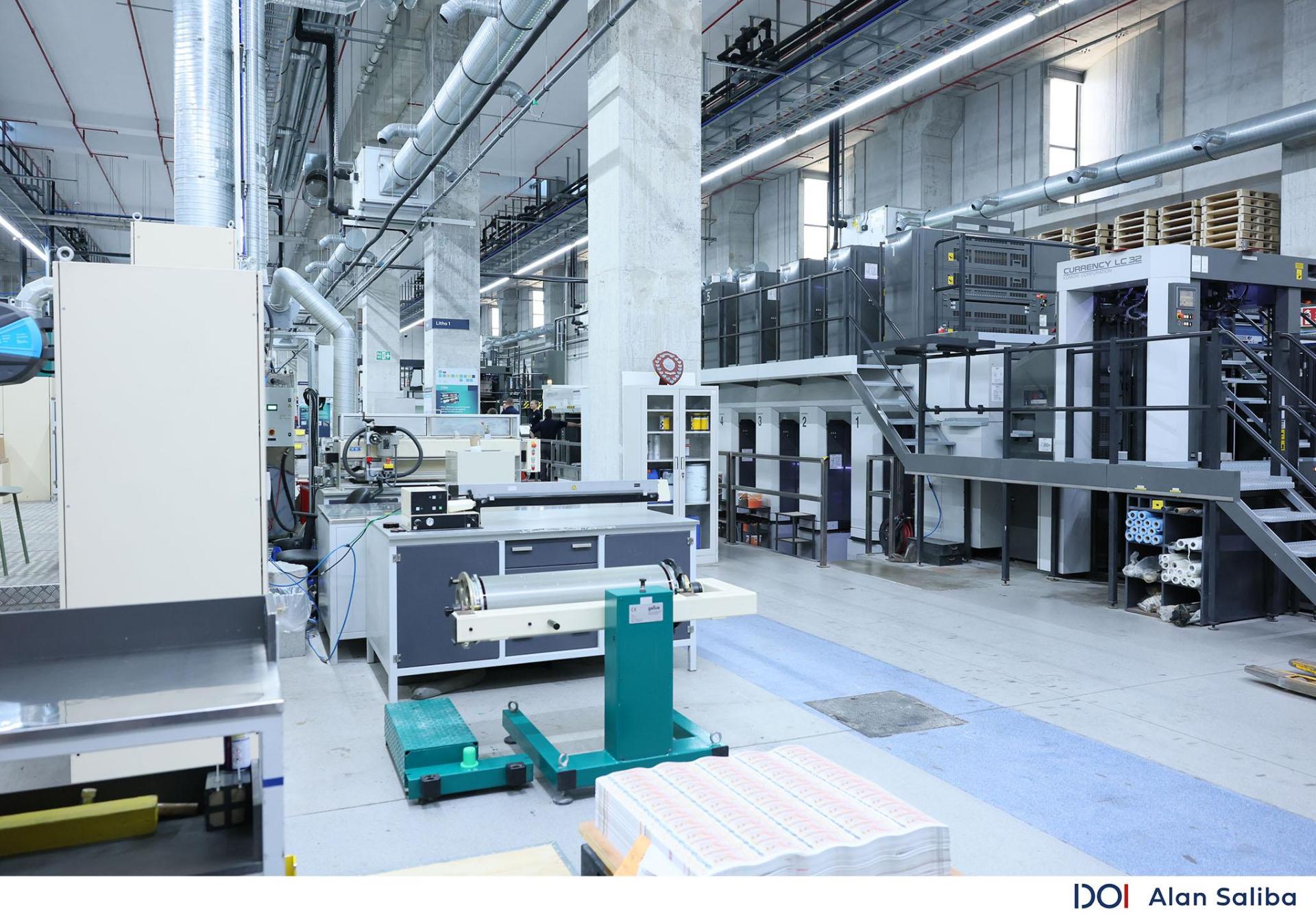 A section of the newly-extended De la Rue factory. (DOI)
Abela welcomed the comments, describing them as the “best certificate our country can ever have.”
He said the project showed that Malta was able to attract and deliver major investment even during difficult periods, including the COVID-19 pandemic.
“We gave our word that we would manage and now we have seen it being completed. Project delivered. Mission accomplished.”
He said it was not easy to secure foreign investment from a company of De La Rue’s stature, but the government had shown the political and financial stability needed to give companies confidence to invest locally.
He also referred to the European Commission’s spring forecast, saying it was further proof of Malta’s economic growth.
Economy Minister Silvio Schembri said the investment was a clear sign of the confidence businesses had in Malta and in the pro-business environment created by the government.
Malta’s lack of natural resources meant the country had to be creative in attracting investment and developing new economic sectors.
Schembri also pointed to the expansion of STMicroelectronics and the growth of medical technology in Malta as other examples of this approach.
“This investment will continue to create quality employment, strengthen our country’s competitiveness, and contribute to sustainable economic growth,” he said.
The expansion includes investment in advanced visual systems and more productive manufacturing processes.