Deepfakes: Malta’s hidden threat to justice
We must confront the threat posed by deepfakes in order to safeguard truth and trust in our justice system, writes Alec Sladden
Artificial intelligence has given us miracles. But it has also given us monsters. One of the most dangerous is the deepfake – a fake video or audio so real it can make anyone appear to say or do anything.
This is no longer science fiction. Deepfakes are cheap, convincing and almost impossible to spot with the naked eye.
Most people think of them in politics or celebrity scandals. But the real danger is in the justice system. Courts depend on evidence. If that evidence can be forged, justice itself is at risk.
Picture it: a video shows an innocent man committing a crime. An audio file ‘records’ a confession that never happened. If the court accepts it, the wrong person is punished or the guilty person walks free.
So far, no Maltese court has faced a deepfake case. But, elsewhere, it’s already happening. In the UK, a parent in a custody battle submitted an audio deepfake to paint the other as abusive. That forgery was eventually discovered but, as technology improves, we cannot assume courts will always spot the fake.
Malta cannot afford to be complacent. Three threats stand out.
Authentication: How do judges know what is real and what is not? Today, Maltese law has tools: experts, cross-examinations, penalties for lying under oath. These measures, in principle, could be applied to deepfakes.
But here lies the problem: Maltese law has no specialised standards or procedures for detecting deepfakes. The system relies heavily on lawyers, judges and experts recognising when something looks wrong. That is a risky assumption because deepfakes are designed to deceive even trained eyes and ears.
The ‘liar’s dividend’: the danger is not just fake evidence being believed. It is real evidence being dismissed.
Once people know deepfakes exist, anyone caught on video can claim: “It’s fake.” This is the liar’s dividend – guilty parties may dismiss genuine footage as fake, exploiting doubt to escape liability.
As one Maltese judge I interviewed explained, his fear is not just that a deepfake could mislead the court but that all digital evidence may eventually be doubted. This creeping uncertainty could paralyse proceedings and weaken the authority of judicial decisions.
The deepfake threat is already here. And deepfakes are getting better every day- Alec Sladden
Trust: the third danger is bigger than any single case. It is about trust.
If citizens believe courts cannot tell truth from lies, then faith in justice collapses. Every verdict is open to suspicion. Every judgment is doubted. And when trust in the justice system dies, respect for the law dies with it.
What Malta must do
So, what can be done? Among the various solutions available, some stand out as particularly urgent.
Investment in deepfake detection technology is essential, as detection methods still lag behind the pace of deepfake generation. The ultimate goal must be to develop a system capable of reliably identifying such forgeries.
Lawyers and judges must receive proper training to understand the risks and recognise manipulated material.
Various changes could also be made to the law to ensure that the justice system is better prepared to address the challenges posed by deepfakes.
Malta needs to act now, before these forgeries grow so sophisticated that they bypass existing safeguards.
The bottom line
Deepfakes are not coming. The deepfake threat is not science fiction. It is already here. And deepfakes are getting better every day.
If Malta waits, our courts will be blindsided. And when truth itself becomes uncertain, justice is weakened.
We must protect our justice system now. Protecting the truth in our justice system is fundamental because, without truth, there can be no justice.
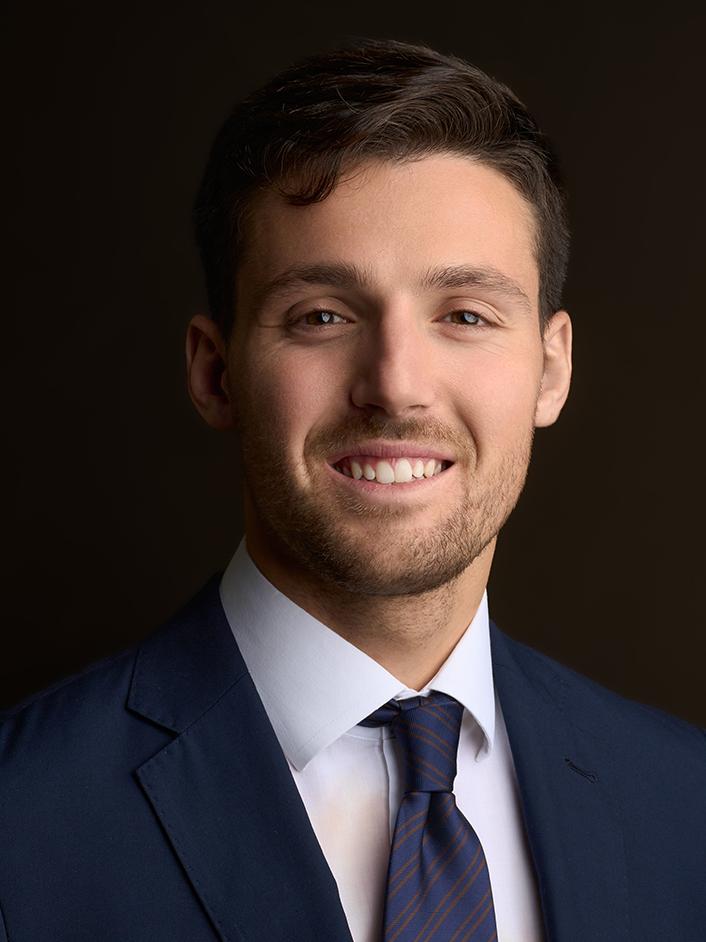
Alec Sladden is a lawyer by profession with a specialisation in Law & Technology from King’s College London.