Who will defend the defenders of children?
Silencing those who protect children undermines the United Nations itself, writes Samir Abou-Hussein
The United Nations was established on the fundamental belief that even in times of profound disagreement, dialogue must prevail over hostility, and respect must triumph over intimidation. The institution’s legitimacy and credibility depend not only on its ability to address global crises but also on its capacity to provide a safe and honourable forum for those entrusted with defending the most vulnerable among us.
It is therefore deeply troubling when a senior United Nations official carrying out an important humanitarian mandate becomes the target of verbal abuse while presenting her findings. The recent verbal assault directed at Vanessa Frazier, the United Nations Special Representative of the Secretary-General for Children and Armed Conflict is highly alarming and warrants unequivocal global condemnation.
The incident transcends political disagreement and raises fundamental questions about the obligatory respect for international institutions and for those who are working tirelessly and dedicate their lives to protecting children from atrocities and horrors of wars, including documented sexual abuse.
As the UN Special Representative for Children and Armed Conflict, Frazier holds one of the most demanding and morally significant positions within the United Nations system. As the UN’s leading advocate for children in situations of armed conflict, her mandate is to document grave atrocities and violations against children in wars worldwide as well as to promote their protection, rights and rehabilitation.
Given the devastating reality of children being maimed, killed, displaced, orphaned, deprived of education, sexually abused and subjected to unimaginable suffering, speaking on their behalf transcends the institutional professional responsibility; it is a profound and a critical humanitarian duty.
For undeniable reason, what makes this incident particularly troubling is that Frazier was not expressing a personal or political opinion.
She was presenting incontrovertible findings derived from documented evidence gathered through established official United Nations monitoring and reporting mechanisms.
Her explicit, legal mandate requires her to report and expose the most horrific atrocities and grave violations committed against children in situations of armed conflict, including killing and maiming, recruitment and use of children by armed forces or groups, attacks on schools and hospitals, abduction, denial of humanitarian access, the weaponisation of humanitarian aids as well as sexual violence against children.
To stand with Frazier is to stand with the principles of humanity, the rule of law and UN commitment to protect children- Samir Abou-Hussein
Because her role demands absolute neutrality, when such findings implicate any party to a conflict, including states, such documented evidence-based findings must be reported impartially, objectively, holding powerful state actors accountable without fear or favour.
The credibility of the United Nations relies upon its officials being able to present evidence-based assessments without fear of intimidation or harassment. Attempts to attack or discredit those who convey uncomfortable truths neither alter the documented facts nor diminish the suffering of children whose experiences have been meticulously recorded by the well-established international mechanisms.
Indeed, when the messenger is attacked for fulfilling a humanitarian mandate, it is not merely an individual that is targeted, but the very core principles of accountability, truth and the protection of children upon which the international community claims to stand for and upholds.
International law and diplomatic practice are founded upon principles of civility, mutual respect and good faith. Core frameworks like the UN Charter presupposes a secure environment in which representatives and officials can perform their functions entirely free from intimidation or harassment.
Moreover, the Convention on the Privileges and Immunities of the United Nations seeks to guarantee the independence, impartiality and integrity of UN officials in the exercise of their official duties. While the United Nations does not possess criminal jurisdiction over delegates who engage in misconduct, it maintains established procedures to preserve order and decorum.
These mechanisms help address disruptive behaviour, while member states bear a collective responsibility to reject conduct that undermines respectful dialogue and effective multilateral engagement.
States whose delegates engage in abuse, intimidation or hostility directed at UN professionals in the course of their duties should be subject to formal disciplinary action and face UN procedures for misconduct. Such behaviour strikes at the integrity and independence as well as the neutrality of the institution itself.
In the face of such intense pressure and personal hostility, Frazier showcased remarkable professionalism, composure and bravery. Rather than allowing intimidation to distract from the plight of children trapped in conflicts and wars worldwide, she remained steadfast in her commitment to her mandate and to the principles of the United Nations.
Such conduct exemplifies the highest standards of and the finest in international public civil service and merits widespread global admiration as well as our highest respect, support and solidarity.
History will judge not only those who commit atrocities against children, but also how the international community responds when those who defend these children are intimidated.
To stand with Frazier is to stand with the principles of humanity, the rule of law and the United Nations’ enduring commitment to protect the world’s most vulnerable children, whose desperation and suffering cry out for protection, dignity and justice.
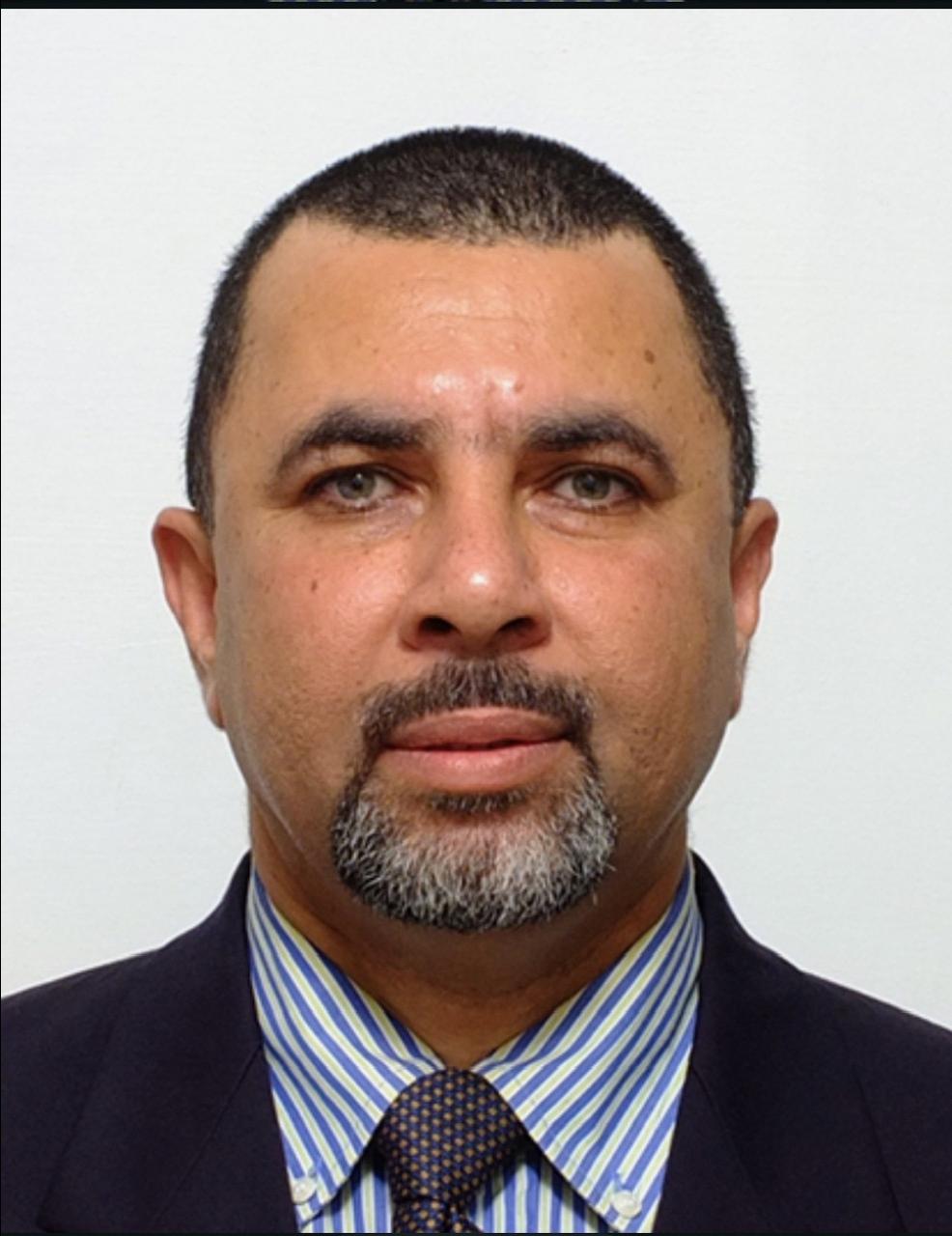
Samir Abou-Hussein is a medical consultant.