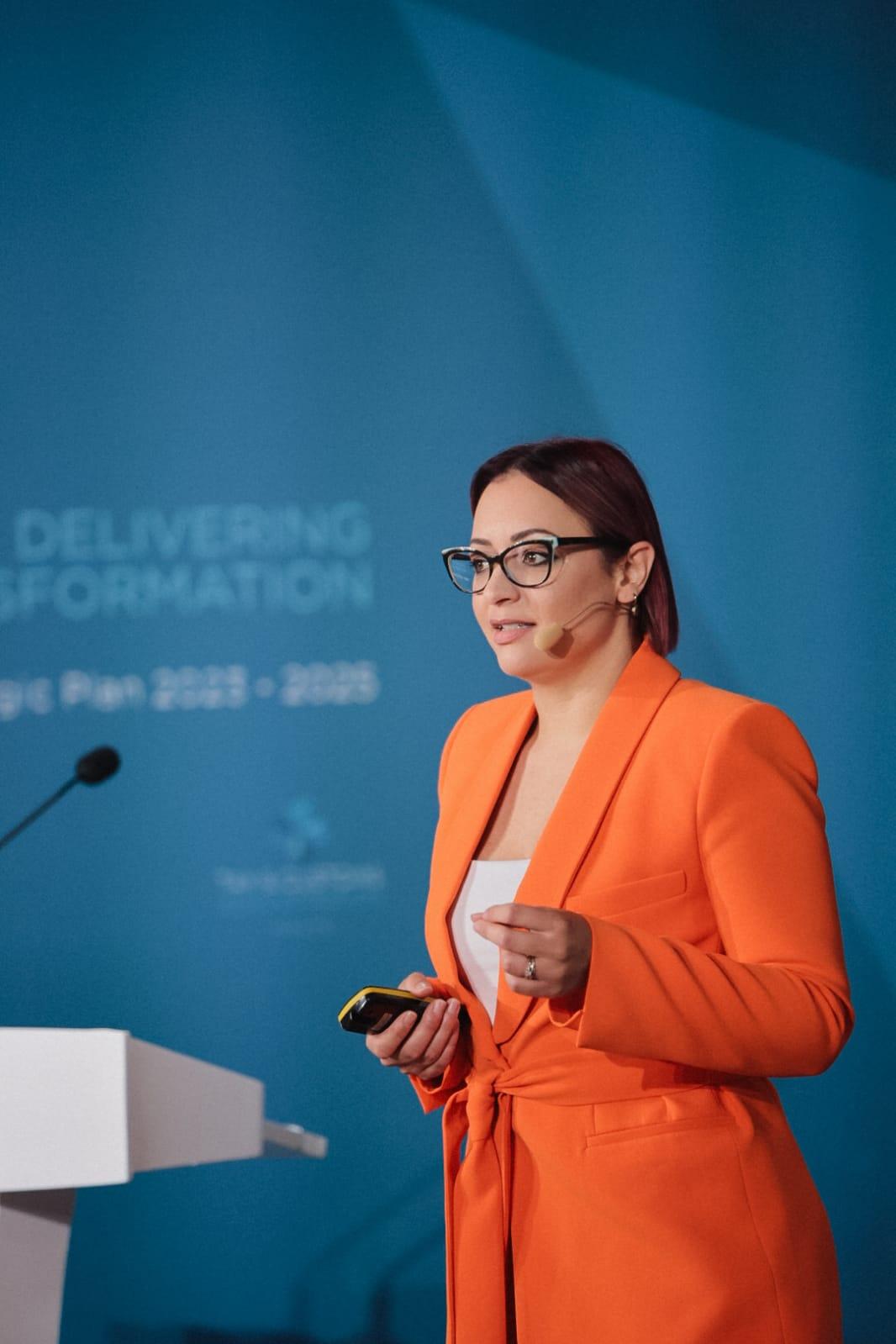
Delivering public value through strategic reform
Malta Tax and Customs Administration creating a more accessible, efficient and user-friendly system
The Malta Tax and Customs Administration (MTCA) is transforming how citizens and businesses interact with tax and customs services through one of the most ambitious reform programmes in Malta’s public sector.
With its 2023-2025 reform strategy now showing impressive results, the MTCA is creating a more accessible, efficient and user-friendly system that benefits all Maltese residents and businesses.
As of last April, the reform has achieved remarkable progress, with 62% of initiatives completed and 66% of milestones reached. These achievements translate directly into tangible benefits for taxpayers and the broader public.
Unifying previously separate tax and customs administrations means the public now has a single point of contact for all matters. This integration eliminates the confusion and frustration of dealing with multiple government departments, saving time and reducing paperwork for citizens and businesses.
The newly established Large Taxpayers Office (LTO) provides specialised support for businesses contributing significantly to Malta’s economy, ensuring they receive tailored guidance that helps maintain compliance while supporting economic growth. Meanwhile, improved functions for addressing non-filers have strengthened the tax system’s fairness, ensuring everyone contributes their share to public services.
At the heart of the reform is a digital transformation that puts convenience at citizens’ fingertips. The ongoing implementation of a core tax administration platform (ITCAS) will soon deliver a seamless digital experience for all tax-related matters. This modern system will reduce processing times and minimise errors, making tax compliance simpler and less time-consuming.
The public is already benefitting from initial automation successes, with streamlined processes for VAT deregistration and compliance certificates. Real-time reporting systems for VAT and the Final Settlement System (FSS) are being implemented with a phased approach, starting with a pilot on government payroll. This will eventually lead to more accurate and timely processing of tax matters for all citizens.
For businesses engaged in international trade, modernising customs IT systems aligned with the Union Customs Code (UCC) simplifies import and export procedures, reduces delays and supports Malta’s position in global commerce.
The MTCA has completed several initiatives designed to improve how it listens and responds to public needs. Comprehensive client feedback mechanisms, including surveys and focus groups, ensure that the voices of citizens and businesses directly shape service improvements.
A new focus on financial literacy empowers the public to understand their tax obligations and benefits better. This educational approach, coupled with a Voluntary Compliance Action Plan, is creating a more cooperative relationship between the administration and taxpayers, moving away from enforcement and towards partnership.
Working groups have produced a financial literacy action plan and established an Internal Process Simplification working group, both of which aim to make tax matters more accessible and understandable for the average citizen.
Public trust in the tax system is being reinforced through improved compliance risk management and a more equitable approach to enforcement. Implementing a compliance risk management structure and framework ensures that enforcement efforts focus on actual risks rather than burdening compliant taxpayers with unnecessary scrutiny.
The development of a risk-based taxpayer compliance framework means resources are directed where they are most needed, creating a fairer system for everyone. This targeted approach helps ensure everyone pays their fair share while minimising disruption to compliant taxpayers.
New SMART KPIs for the MTCA and its departments focus on revenue collection, customer service and public satisfaction, creating accountability measures that align with public expectations.
While significant progress has been made, the MTCA continues working on critical initiatives to enhance public service. The full implementation of the core tax administration platform, ongoing legislative review and continued strengthening of compliance management will deliver even greater benefits in the coming years.
The reform is not viewed as a one-time project but a journey of continuous improvement. Regular monitoring, periodic reviews and adaptation to new developments ensure that the MTCA remains responsive to changing public needs and expectations.
As Malta moves towards the 2025-2030 vision, citizens and businesses can expect an increasingly responsive, efficient and user-friendly tax and customs administration that supports individual compliance and national prosperity.
Kirsten Cutajar Miller is an economist and a non-executive member of the executive committee at the Malta Tax and Customs Administration.