By design, not accident
The tourism results for 2025 did not happen by accident. The government worked on boosting connectivity and pursued policies to attract tourism niches of all shapes and shades, says Ian Borg
In the first 10 months of 2025, we welcomed three and a half million visitors to the Maltese islands. They spent €3.47 billion, up 19% over the previous year. During the first three quarters of the year, circa 700,000 cruise liner passengers disembarked on our shores – a 3% increase.
If we just stick to these few figures, it is clear that our policies are working. Certainly, there’s still room for improvement. And, even more certainly, we won’t be resting on our laurels any time soon. We must keep working – not necessarily to increase volumes but to boost resilience, promote diversification and create more added value.
Our results in 2025 did not happen by accident. We assiduously worked on boosting connectivity. We relentlessly pursued policies to attract tourism niches of all shapes and shades – from culture to diving, from religion to sports, to destination weddings and more.
We have chipped away at the shoulder months to spread arrivals throughout the year, as we gradually turn Malta and Gozo into all-year destinations.
This is reducing seasonal pressures on our communities and national infrastructure, while making our operators more financially resilient. Hospitality is becoming a year-round business.
We invested in, and incentivised, activities across the board. Historical sites were restored, help was given to sustain local traditions like fireworks and gastronomy, while more village and town cores were rehabilitated, major international conferences were attracted, as we also invested in outdoor activities and artistic talent.
Unifying our strategy is the embrace of a key and galloping global trend. Today’s tourists don’t just want to ‘do’ things. They crave to live them as authentic experiences. A restaurant, a historic site, a museum, a swim or a concert need to be places or activities which are unique and memorable local and global experiences. In this sense, we are fortunate to have the right ingredients to create them – our history, culture, weather, the crystalline blue waters that surround us, among others. All we need are creative recipes.
Clearly, past and present results acquit us. As a country, we did well. Now we are eagerly looking ahead.
Halfway through the 2021-2030 Tourism Strategy, it bears remembering its three key pillars – to protect our land and seas, to improve the quality of life of both residents and visitors and to continue building a sound economy with a default pivot to added value.
Today’s tourists don’t just want to ‘do’ things. They crave to live them as authentic experiences- Ian Borg
Looking forward, we will be upping our game to re-engineer a win-win relationship between our communities and our visitors. Our path is to see the communities in our towns and villages across the country thrive and benefit from the tourism industry. Simultaneously, we will be assisting them to better manage its impacts. We are working to ensure that our communities remain protagonists where they live.
Widening the scope, in our sights is the striking of the right balance between environmentally sustainable initiatives and investments, with the constant search for added value in every sense, not just the financial one.
We shall fund, and give more pride of place to, initiatives which are authentically local across the board. Concretely, we shall be shifting more funds which used to go to summer events, to creative activities revolving around the arts, our history and our culture. To continue eroding seasonality, we will incentivise calendar slotting which spreads the visitor numbers across as many months as possible.
In parallel, we are launching policies, or changing existing ones, that focus on the accommodation demands and preferences of today’s traveller, not yesterday’s. What we are aiming at is a balanced range of accommodation offers which is intrinsically better, not just higher, or more expensive.
Finally, globally and locally, the knot tying the future of tourism with digital transformation and AI is getting tighter by the day. We are determined to make the most of it. From marketing to human resources and operations, from the digital heightening of experiences to the birth of new ways of delivering services, tourism is and will continue to undergo a massive paradigm shift at the hands of digital and AI.
Tourism is undergoing profound changes and shifts right before our eyes. We promised to be at the forefront of this adventure and we’re resolved to remain there.
Because nothing in the future of Maltese tourism will happen by accident. As always, it will happen by design.
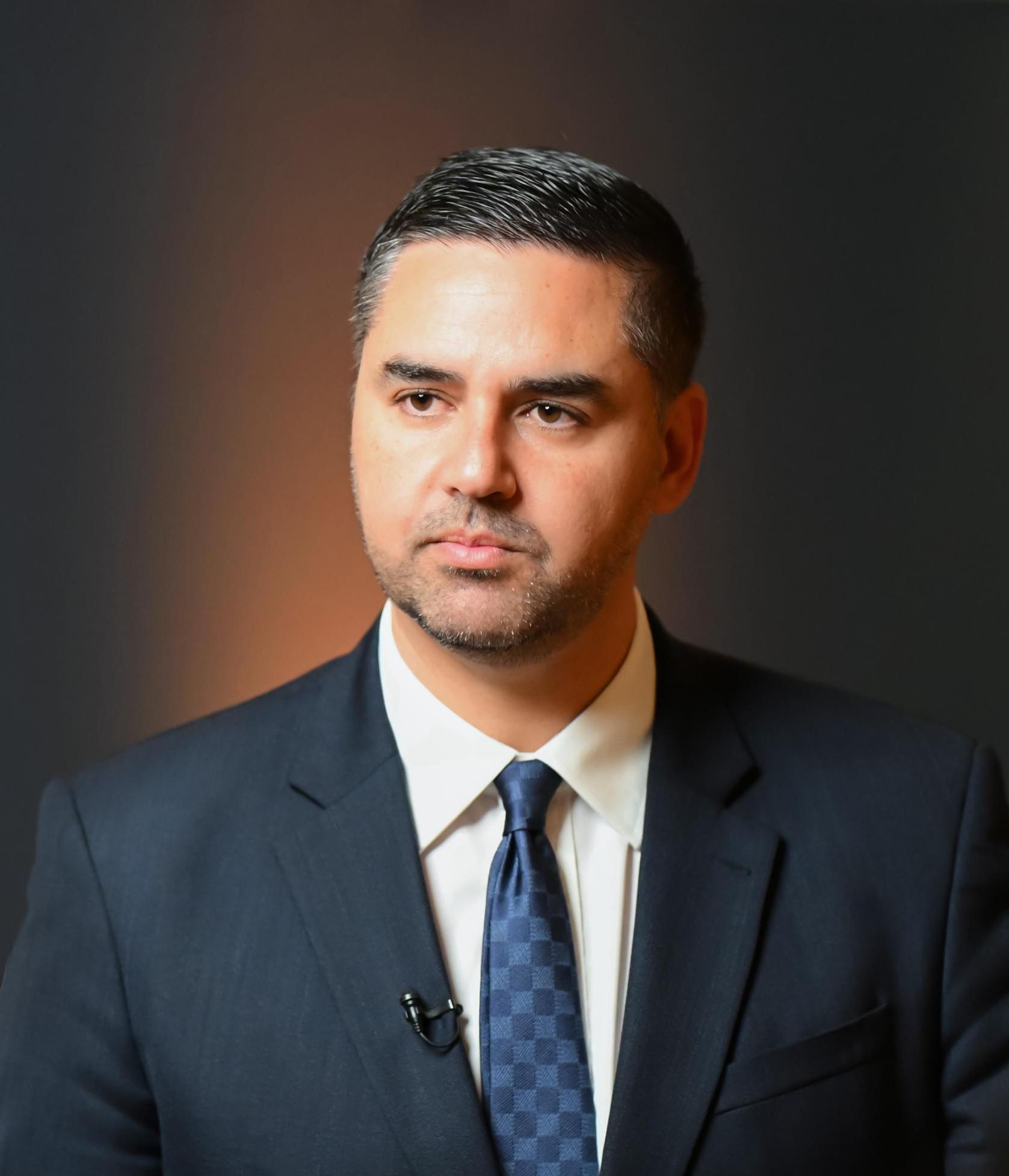
Ian Borg is the Deputy Prime Minister and Minister for Foreign Affairs and Tourism.