Digitalisation: backbone of modern planning
Embracing technology and investing in digitalisation is not simply an upgrade, but it is the backbone of modern administration, says Johann Buttigieg
As Malta’s planning system changed over the years, oftentimes without people really noticing, technology and digitalisation were always at the forefront. What started off in 2002 with the Planning Authority’s MapServer, went on to evolve into a fully digital system that touches every part of how the authority operates nowadays, going fully paperless in 2016, thus effectively changing how we work, how we deal with stakeholder engagement and ultimately, how we serve the public.
However, for the PA, this was never just about chasing the latest technologies, but it was, and still is, all about good governance, making the planning process more efficient, transparent, and most importantly, accessible for everyone.
I strongly believe that embracing technology and investing in digitalisation is not simply an upgrade, but it is the backbone of modern administration. By harnessing these changes, we are not only aligning with Malta’s digital decade road map, but we are also ensuring that our planning system and its related processes can adapt to the needs of a society which, in and of itself, is constantly fast-changing.
This journey in technological advancement of the PA has been more than 20 years in the making. In 2002, our first MapServer gave people a new way to see planning data on a map. By 2007, the eApps portal was launched, giving the facility for anyone to submit applications online, for the first time ever.
In 2010, Artemis was developed and built in-house, thus creating a central and online comprehensive database to securely store all files and documents relating to all kinds of planning applications. This led to the real turning point, which was in 2016 when the authority switched to processing everything through Artemis, making physical files a thing of the past.
Today, every single application, from Development Notification Orders to Planning Control applications, Regularisation applications, Dangerous Structure applications, Compliance applications, and even grant schemes, such as the Development Planning Fund, are handled digitally from start to finish through the eApps portal and Artemis.
Over the years, the role of the PA as the national mapping agency of Malta has been strengthened with projects such as SIntegraM, creating a single, updated basemap where everyone can access planning and environmental data.
Moreover, by linking the PA’s MapServer to the eApps system, we are also making it possible for anyone to look up the plans, drawing, and relevant documentation for any site, with just a few clicks.
It is with all this in mind, as well as our plans for the future, that last month we organised a national conference with the theme ‘Digitalisation in Spatial Planning: The Next Generation’, a conference which brought together local and international experts to share ideas and best practices.
Nick Land, lead for National Mapping and Cadastre at ESRI, kicked things off by sharing an insight into how digital mapping is evolving globally. Martin Gauk from ESPON then showed how Malta’s endeavours fit into the bigger European picture, where data is becoming more connected across all member states.
We want to make Malta a leader in digital planning- Johann Buttigieg
The local perspective was just as inspiring. Dylan Seychell from the University of Malta showcased the incredible potential of AI in environmental analysis, giving those present a peek at how AI can help predict trends and make our work smarter. Architect Jonathan Mizzi introduced the concept of ‘digital twins’, virtual models of our towns and landscapes that allow us to see the impact of a new development before a single brick is laid. This tool, together with other digital tools, are set to completely change how we plan and how we protect our environment.
The conference was also a great opportunity for the PA itself to showcase some of its new projects and share them with the audience. Unveiling the newly upgraded GeoMaps platform, Omar Hili explained how this will now make it easier for architects, as well as the public, to get the mapping information they need.
Andrea Filiberto Lucas and Elaine Sciberras introduced EMBAT, a project which the PA is undergoing with the University of Malta, which uses satellite data for environmental monitoring.
Mariela Dobreva gave an update as to how the PA is improving its digital workflows, while Mariano Debono touched on the National Spatial Data Infrastructure, which will help government departments share data seamlessly.
The last part of the conference was dedicated to a panel discussion which saw the participation of the key speakers of the day as well as architect Julian Thompson from the Chamber of Architects. The overarching message of this panel discussion was that while technology is a great tool, it’s the collaboration between government, academia and industry that will truly drive progress and lead to better decisions for everyone.
This was also reflected in the closing remarks by Clint Camilleri, Minister for Gozo and Planning, who reaffirmed the government’s commitment to supporting a smart, data-driven and forward-looking planning system for Malta built on transparency, technology and collaboration.
Looking ahead, our ambition is clear: we want to make Malta a leader in digital planning. Digital twins, 3D models, and forecasting tools will give policymakers the insights they need to make better-informed decisions and bring the government’s Vision 2050 to life.
These are genuinely exciting times. By sharing ideas and technology, we have an amazing opportunity to build a smarter, more sustainable Malta for the future.
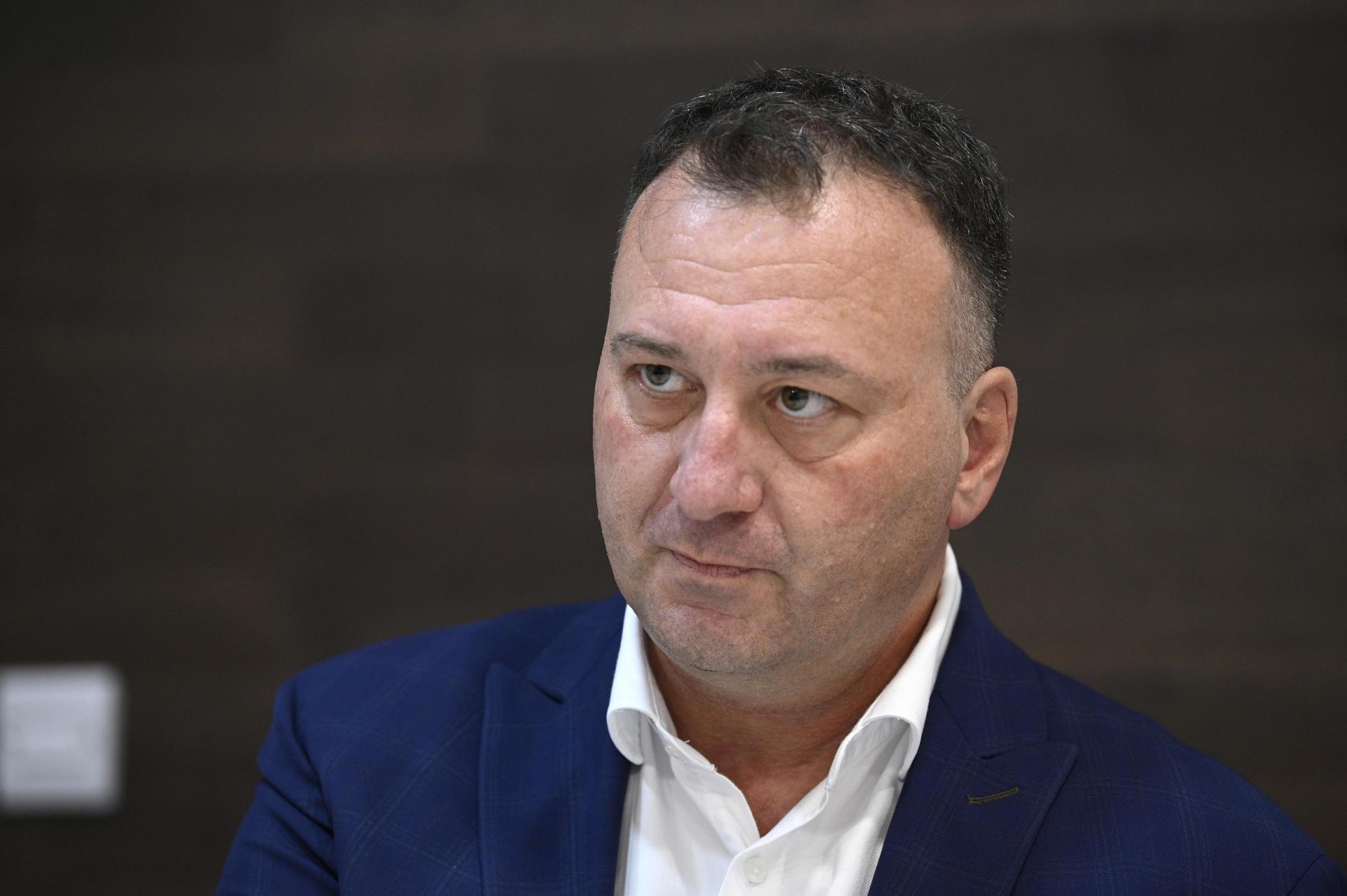
Johann Buttigieg is the executive chairperson of the Planning Authority.