Dignity is not a fundraising tool
Charity collection boxes that rely on public pity are dehumanising and belong to another era, says Andrew Azzopardi
Malta prides itself on being an affluent, growing country with record-breaking budgets and a robust welfare system.
Yet, year after year, we tune in to telethons where people disclose the most painful details of their lives to secure help. This contradiction should trouble us far more than it currently does.
Telethons that generate funds such as L-Istrina, Puttinu Cares, Id-Dar tal-Providenza, Caritas Malta, Missio Malta, Dar Bjorn and others are deeply embedded in our national calendar.
They mobilise generosity on a massive scale and fund work that is, without question, indispensable. The compassion they inspire is real, and much of the money raised is responsibly used. None of this is in dispute.
The problem lies elsewhere.
These events institutionalise a charity model that depends on exposure, emotional leverage and the public recycling of personal trauma. In doing so, they normalise the idea that access to care, support and inclusion is conditional on visibility and public sympathy. In an allegedly affluent state, that should alarm us.
When people are expected to perform their suffering to qualify for assistance, we are not witnessing solidarity. What we are witnessing is a failure of systems that should protect dignity as a matter of right. Televised suffering is not social policy. It is a workaround that quietly shifts responsibility away from the state and places the emotional burden on those least able to carry it.
Malta spends approximately €2.6 billion annually on social services and benefits, aside from significant investments in health, education, housing, inclusion and local government. We are repeatedly told that the economy is booming and that national budgets are historic. If this is true, then the question beckons: Why do people still need to appear on television, collect in the street or front public campaigns to access essential support?
You cannot celebrate economic success with one hand and broadcast human distress with the other. That contradiction is not accidental. It is the result of a system that tolerates charity stepping-in where rights-based provision should exist and that allows political leaders to bask in public sympathy while structural shortcomings remain unaddressed.
Charity was never meant to replace the state, nor to function as a parallel welfare system funded through guilt, spectacle and annual emergencies. Yet, this is increasingly what it has become. Worse still, this model creates fertile ground for reputational laundering and political opportunism, particularly as elections approach. Those with lived experiences of hardship are rendered vulnerable once again, not empowered.
Importantly, NGOs themselves are not the villains of this story. Many are trapped in an outdated funding ecosystem where survival depends on telethons and public appeals. When exposure becomes the only viable route to sustainability, the problem is structural, not organisational. NGOs deserve better systems that do not force them to compromise the dignity of the people they serve.
If dignity truly matters, then Malta’s charity models must change- Andrew Azzopardi
This is why a national reset is urgently needed. I am calling for a public debate leading to a national convention on fundraising, convened with the involvement of the Malta Council for the Voluntary Sector and the Commissioner for Voluntary Organisations. Avoiding this conversation is no longer neutral; silence protects the status quo.
Such a debate must confront the ethical cost of exposure-based fundraising and explore dignity-first alternatives.
Across Europe, NGOs are funded through automatic micro-donations, payroll giving, participatory public funds, social impact bonds, community foundations and transparent digital platforms. These mechanisms generate reliable funding without placing individuals in the spotlight or demanding personal disclosure.
Malta can adopt similar approaches. Small opt-in salary donations matched by employers, participatory budgeting for community projects, results-based financing, charity lotteries, organised product-donation platforms, regulated crowdfunding, cause-related marketing and strengthened cooperatives are all viable options. So, too, is a more ambitious promotion of social enterprises under existing legislation.
At the same time, some practices should be phased out. Charity collection boxes that rely on public pity are dehumanising and belong to another era. Leadership in social policy and service provision must also be strengthened; the current vacuum only entrenches reliance on spectacle.
Finally, this issue should be placed urgently on the agenda of the Malta Council for Economic and Social Development and parliament’s Social Affairs Committee. A national conversation involving beneficiaries, volunteers, social operators, professionals, NGOs, policymakers, academics, media and the public is long overdue.
No one should be forced to parade their hardship to survive. Nor should public spectacles of generosity, oversized cheques, televised compassion and annual fundraising marathons be allowed to mask systemic failure or provide cover for reputational or other forms of laundering. These events should also no longer serve as stages on which politicians manufacture popularity at the expense of people’s lived realities.
If dignity truly matters, then Malta’s charity models must change.
And, if social leadership exists, now is the moment for it to show itself.
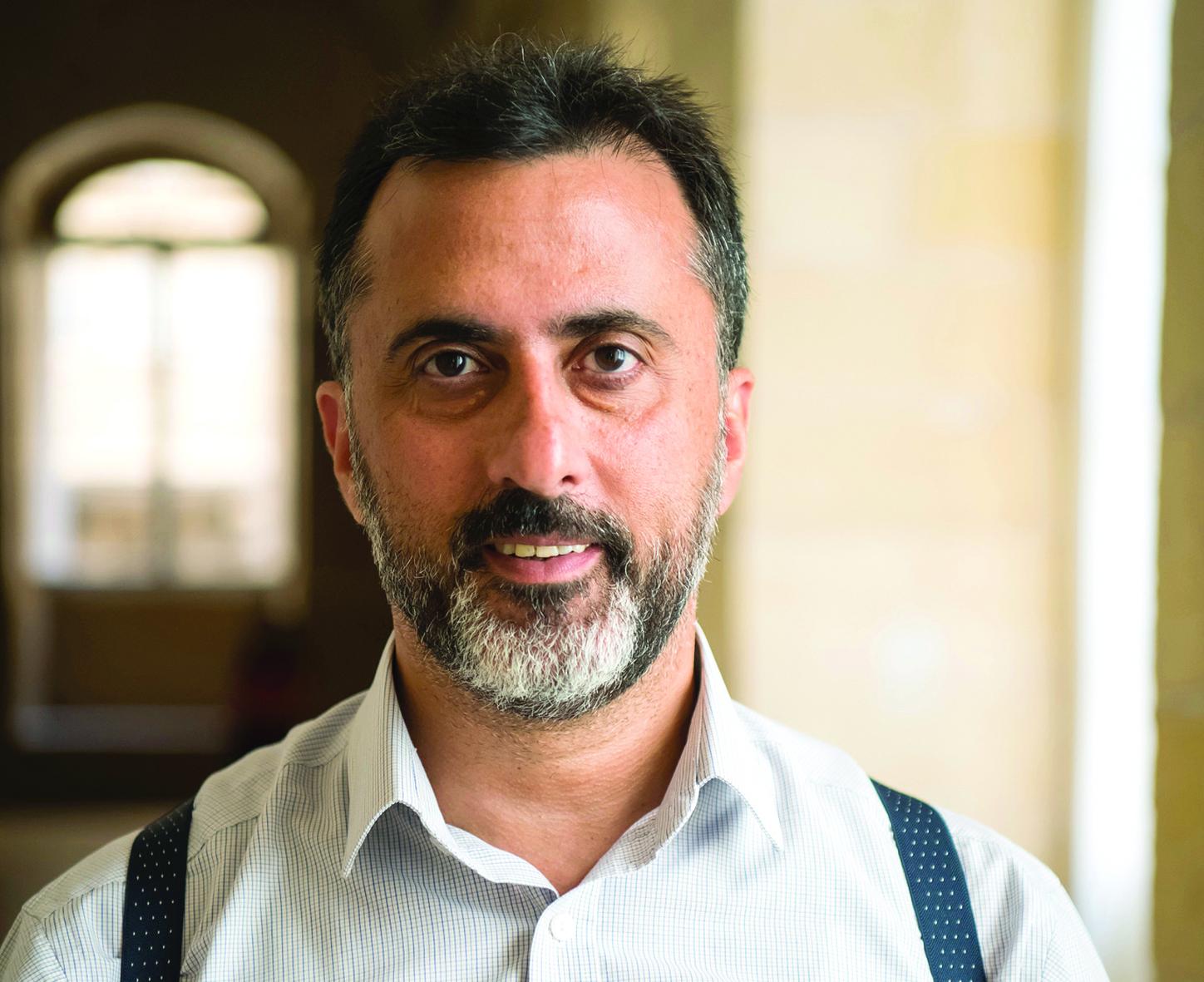
Andrew Azzopardi is the former dean of the Faculty for Social Well-being.