Survey of 173 doctors find strong support for abortion when foetus can't survive
Conference brings researchers and stakeholders together to discuss reproductive justice
A survey of 173 doctors has found that 77 per cent believe abortion should be allowed at 'all stages' of pregnancy if the woman’s life is at risk or if the foetus cannot survive.
The survey revealed that 66% agreed it should be permitted in cases of non-viable foetal anomalies. The percentages rose to over 80% when including doctors who replied that abortion in such circumstances should be allowed at any stage or within restricted time frames of up to 24 weeks of gestation.
There are just over 2,100 registered doctors in Malta.
Until 2023, Malta had a blanket ban on abortion. That year, the law was amended to allow the termination of a pregnancy if the woman’s life is at risk. Termination is not allowed in the case of non-viable foetal anomalies, which means the baby will die in the womb or soon after birth.
This was a topic that emerged strongly throughout the second Research Conference on Reproductive Justice, dedicated to research and dialogue on abortion rights in Malta, Europe, and Latin America. It brought together ambassadors, policymakers, professionals, and students, alongside representatives from academia, the medical community, and the Church.
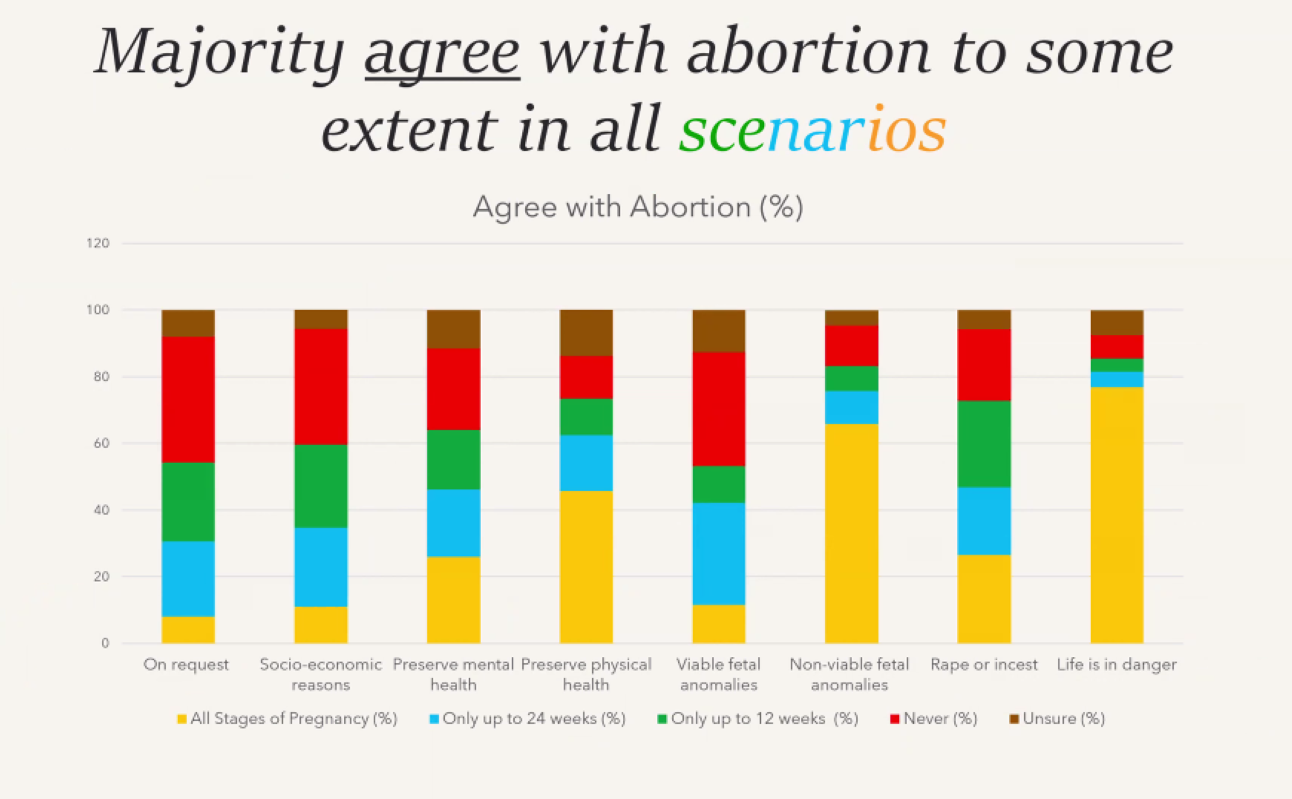 Screenshot from the survey results presented during the conference.
Introducing the conference, gynaecologist Isabel Stabile, a professor at the University of Malta, set the tone by noting that “this is a sensitive issue… touched by faith and culture, which is why this dialogue is difficult and necessary.” Stabile, who is also an activist with Doctors for Choice, stressed that the conference was not about taking sides but about creating space for thoughtful engagement.
She was one of the academics from the University of Malta involved in the study that examined doctors’ knowledge and personal beliefs about abortion in Malta - together with Andreana Dibben, a senior lecturer with the Department of Social Policy and Social Work at the University of Malta, and medical doctor Natalie Psaila Stabile, who is currently pursuing a PhD on abortion stigma. The full paper will be published in December, while preliminary findings were shared during the conference.
The researchers noted that an online questionnaire was distributed to all hospital doctors and family medicine specialists. Of the total, 173 responded, representing 8% of all registered doctors. They acknowledged the number was low but said it was comparable to response rates in other studies involving doctors.
Among those surveyed, 97% were Maltese, 59% were women, and 62% identified as Catholic, with 31% saying religion is important in their lives. 91% of doctors (61% strongly agreed and 30% agreed) said that professionals and students should receive more training on abortion.
70% of doctors agree with abortion following rape or incest
Results showed that some 45% believe abortion should be allowed at any stage to preserve physical health, dropping to about 26% to preserve mental health.
The strongest opposition came in cases of abortion 'on request', in cases of viable foetal anomalies (where the baby would survive and may have a disability), and for socio-economic reasons, with around 35% saying “never” to abortion in such cases.
When asked whether abortion should be allowed at various stages of pregnancy - such as up to 12 or 24 weeks, or at any stage - the level of agreement increased.
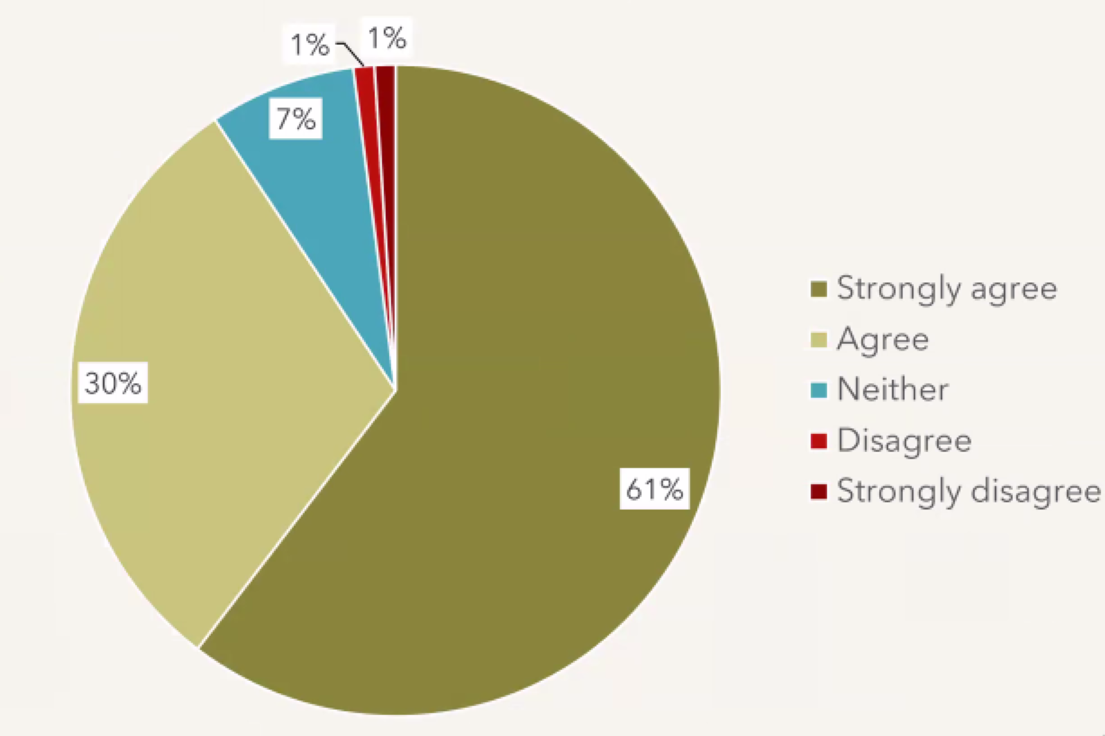 Should professionals and students receive more training on abortion?. Screenshot from survey.
In cases where the woman’s life was in danger or where there was a non-viable foetal anomaly, over 80% agreed it should be allowed at some stage. About 70% agreed with abortion in cases of rape or incest.
The researchers called for further debate on the need to factor in real-life circumstances in the abortion debate. Since the 2023 amendment, at least five women have had a legal abortion in Malta.
Despite abortion being illegal, women in Malta continue to terminate pregnancies. Last year, 590 women ordered abortion pills online, and more travelled abroad to access the procedure.
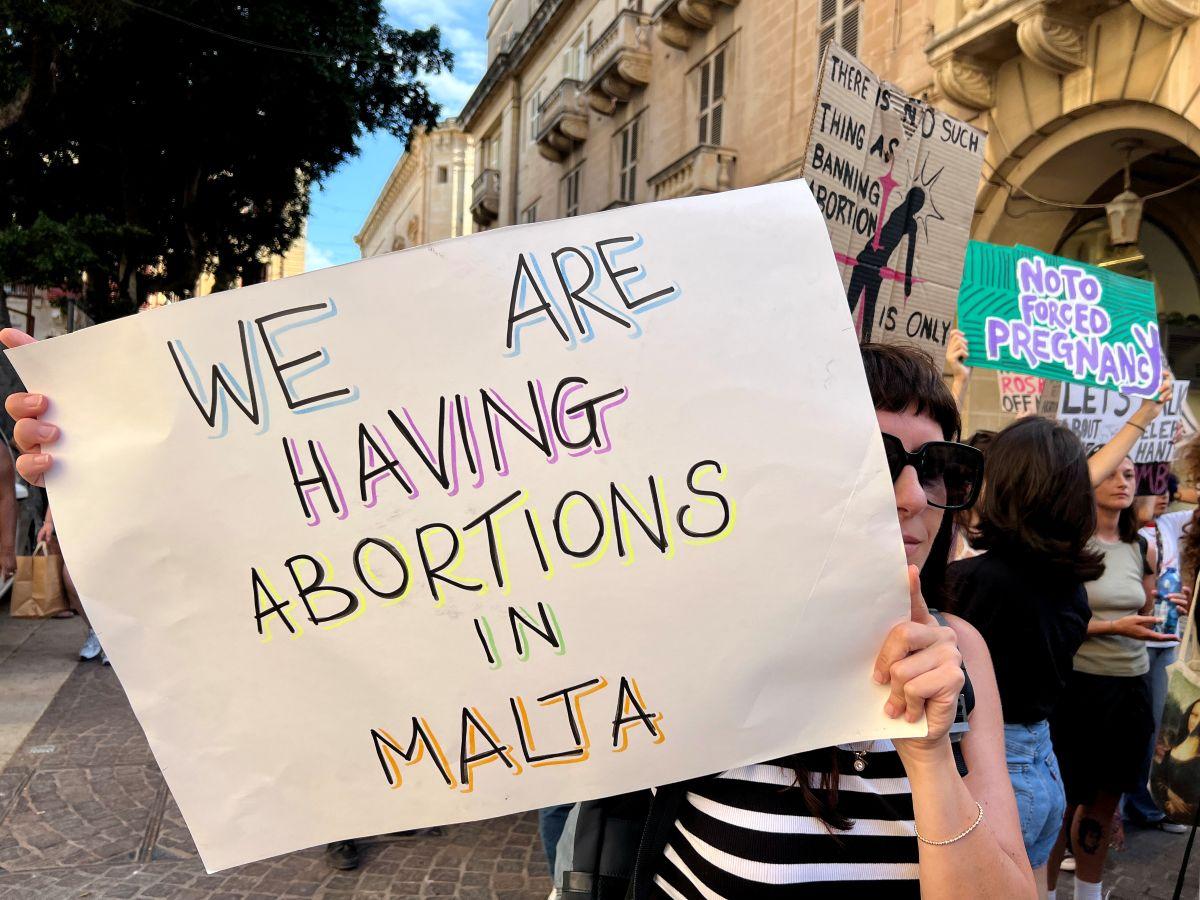 Women in Malta keep having abortions despite it being illegal. File photo of 2024 pro-choice protest.
Correction November 10, 2025: A previous version did not make it clear that the 173 doctors surveyed make up roughly 8 per cent of all registered doctors in Malta.