In pictures: More early passenger ships in Malta
Travelling by sea has morphed from a purely utilitarian function into a leisure activity. These images illustrate this evolution
Postcards and passenger ships started flirting early. Thousands of cards record this mutual attraction. I dedicated a previous pictorial to shippers that commissioned painted artwork for their promotion postcards. Many of these Malta-centred liner images resulted in visually stunning compositions. Another former feature introduced the photographic postcard.
Today’s cruise liners started as passenger ships. Before airplanes took over long distance, only ships made overseas destinations accessible. Special vessels designed primarily to transport travellers (often migrants) started coming ever more in demand – a purely utilitarian function.
When travelling morphed into a leisure activity, passenger ships changed their function to become cruise liners. The former took you from A to B; cruise liners took you from A back to A, via B, C and D.
Private maritime ventures ran civilian transport by sea. The two world wars gave an unexpected twist to that. Countries at war requisitioned privately-owned liners and turned them into troopships and, occasionally, hospital ships. A number of these repurposed vessels visited Malta in World War I, fewer in WWII. The British ones generally kept their original names, only changing their prefix from MV or SS to HMS.
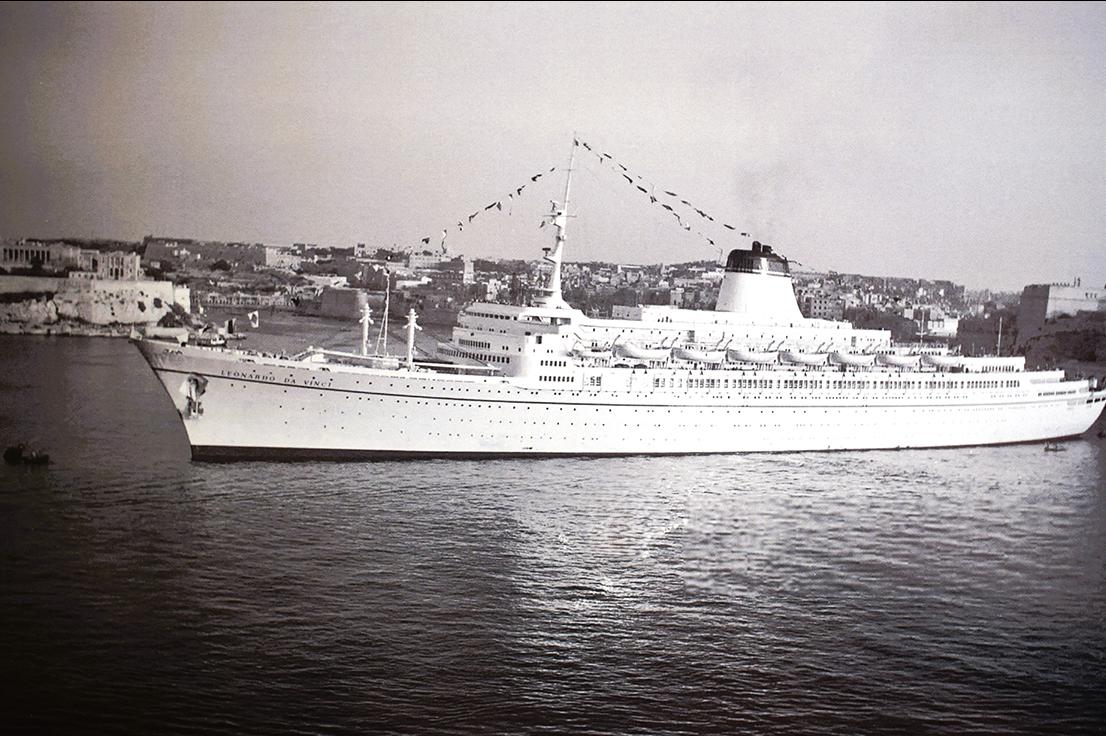
The Leonardo da Vinci in Malta after the Independence tourist boom.
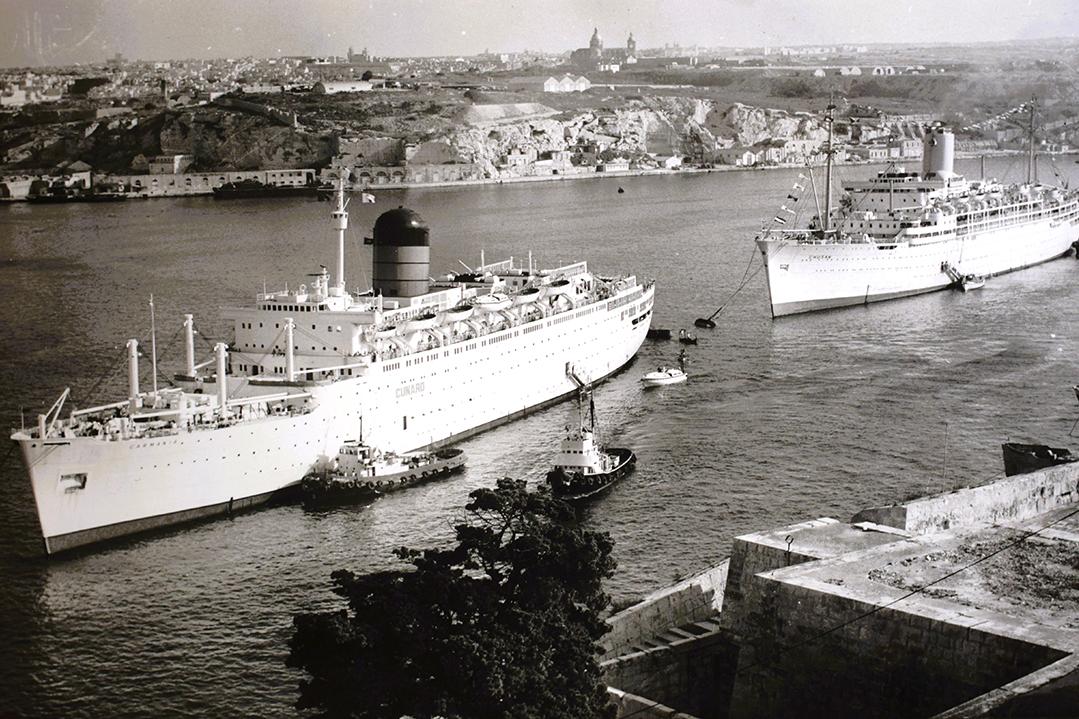
Two passenger ships – the Cunard Carmania and the P & O Chusan in Grand Harbour, 1971.
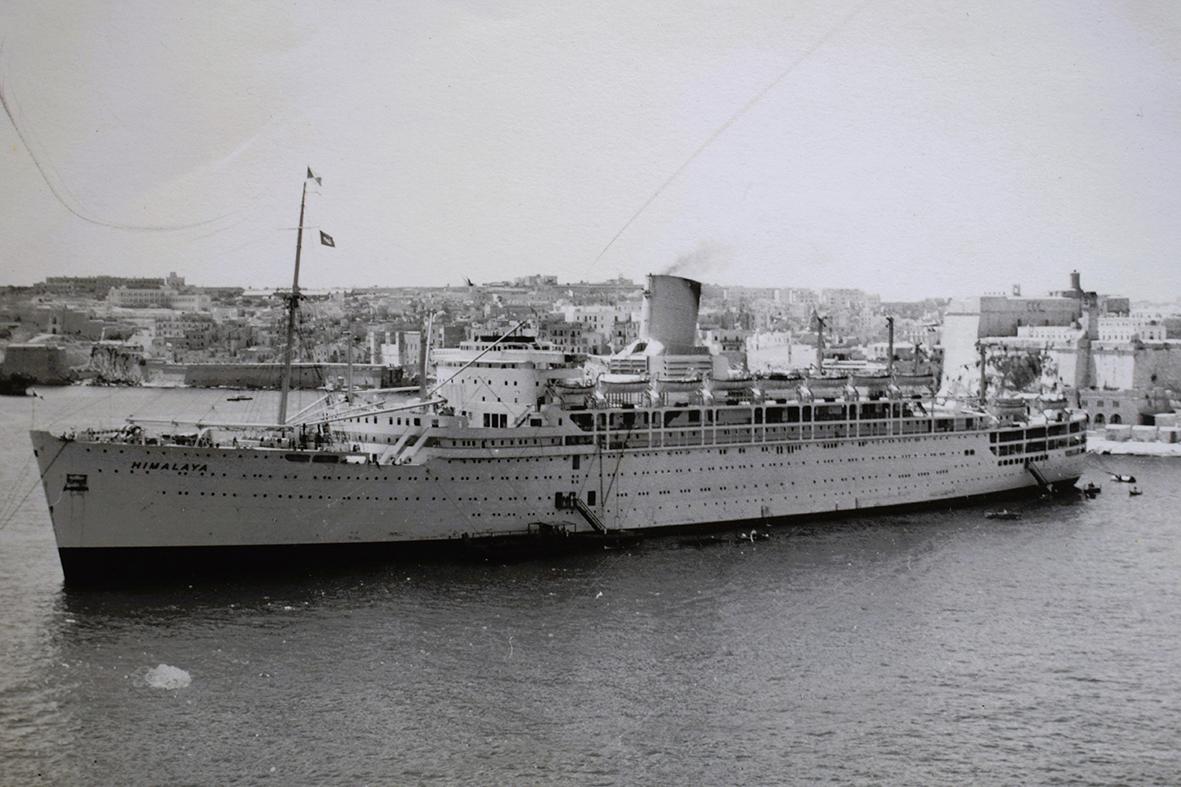
Postcard of the Himalaya in Grand Harbour.
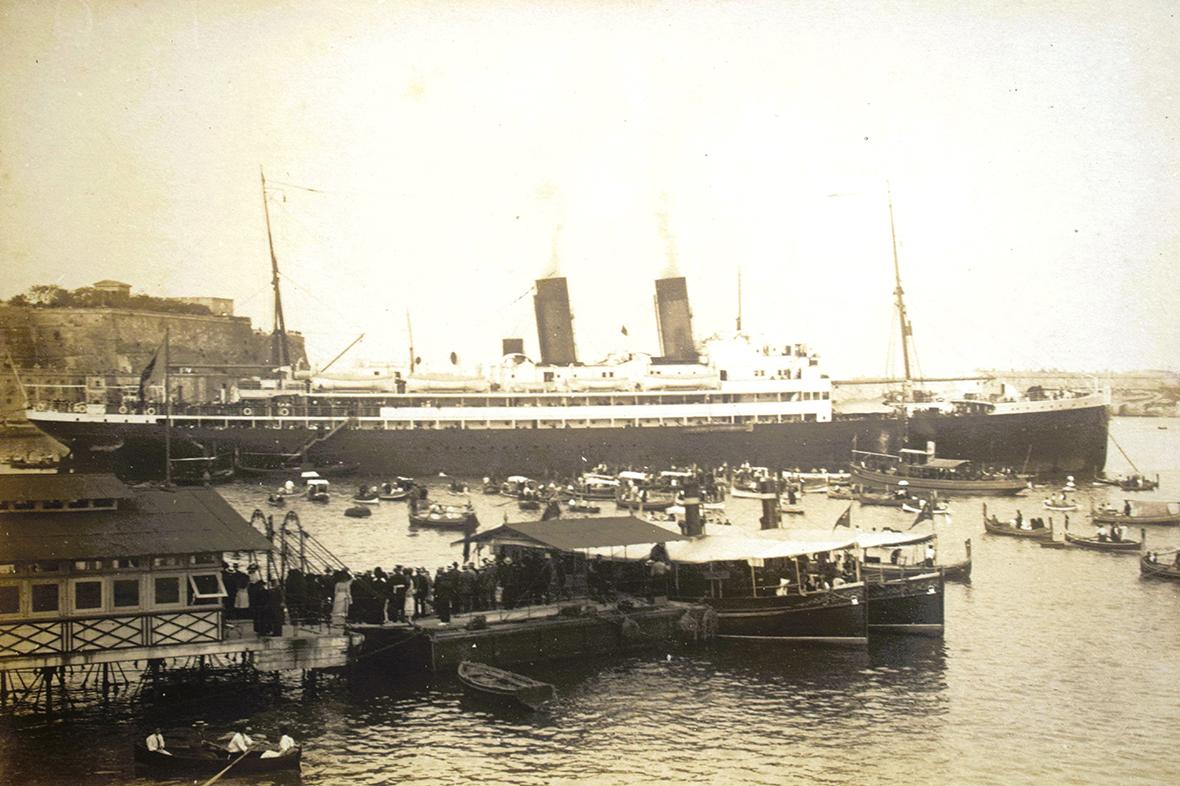
SS Orontes berthed next to the Grand Harbour landing place.
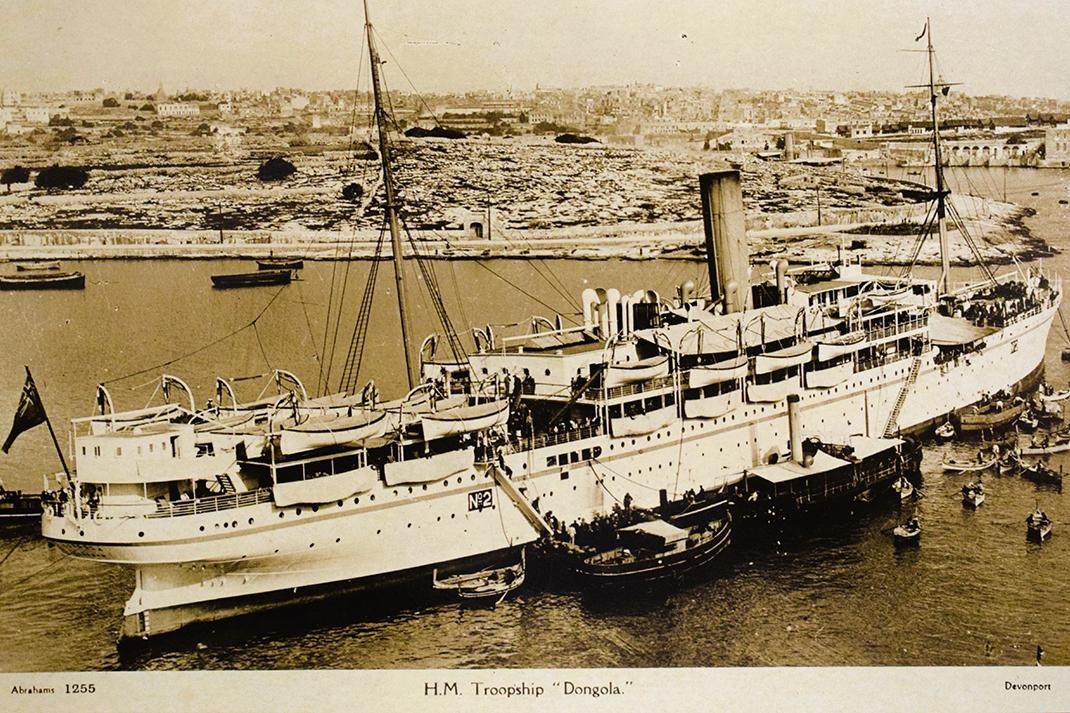
SS Dongola serving as a troopship in WWI.
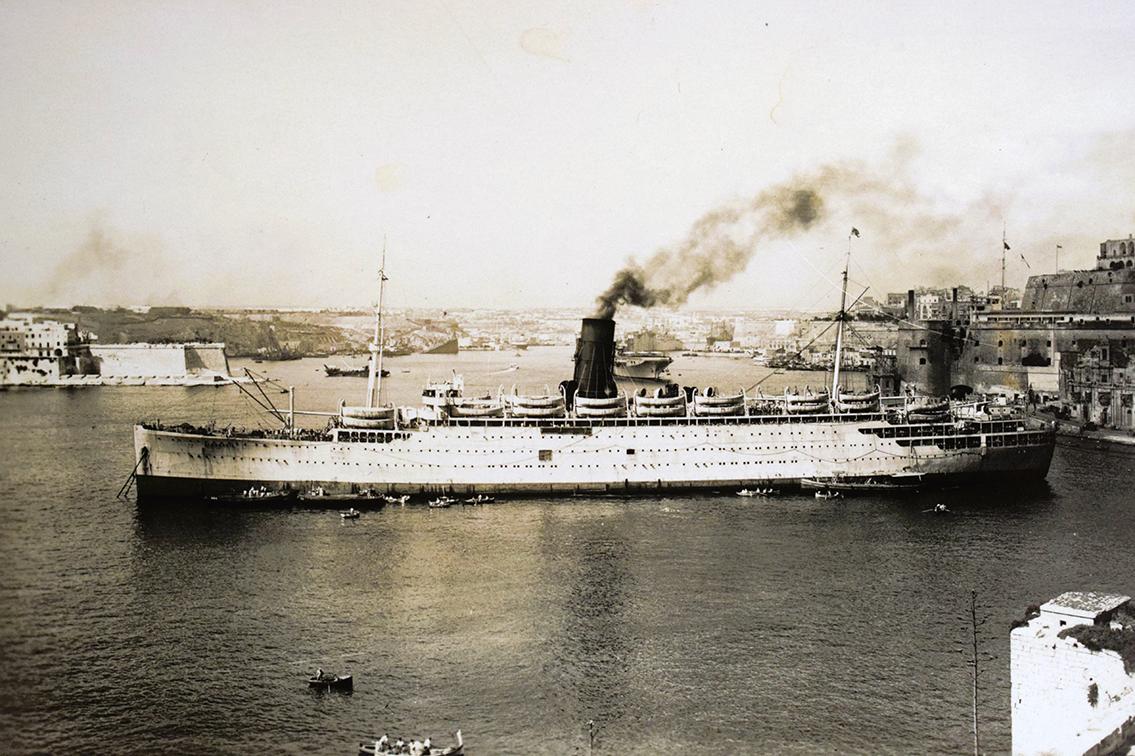
The Cameronia in Grand Harbour, by Joseph Pavia, The London Studio.
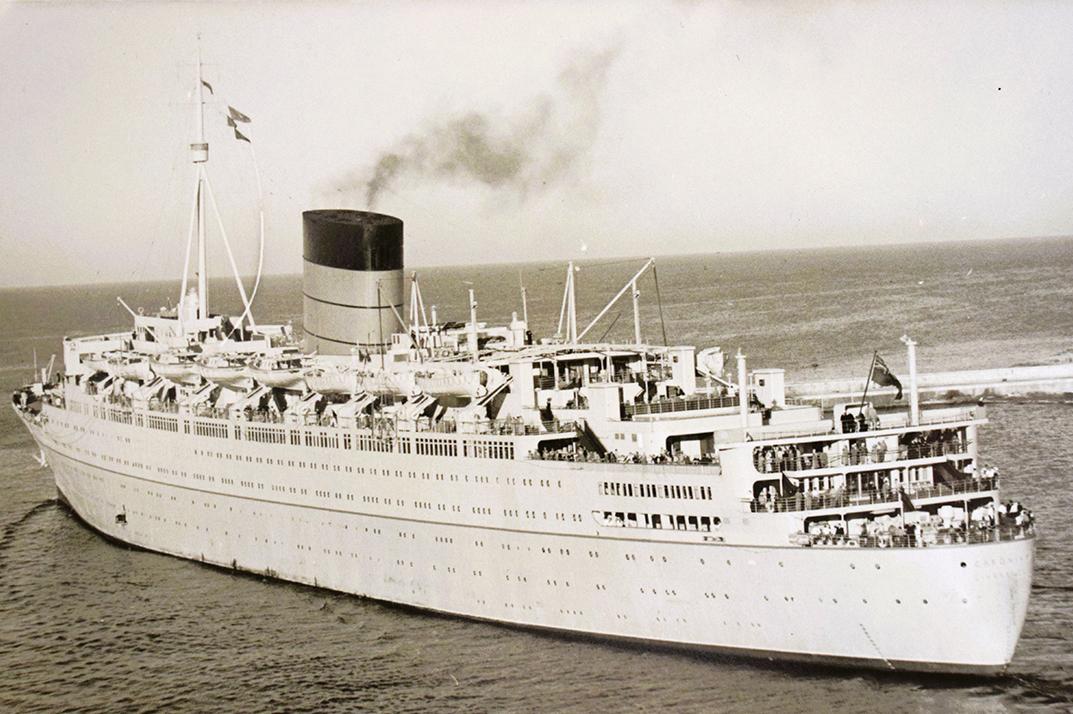
The Cunard Caronia, by Joseph Pavia.
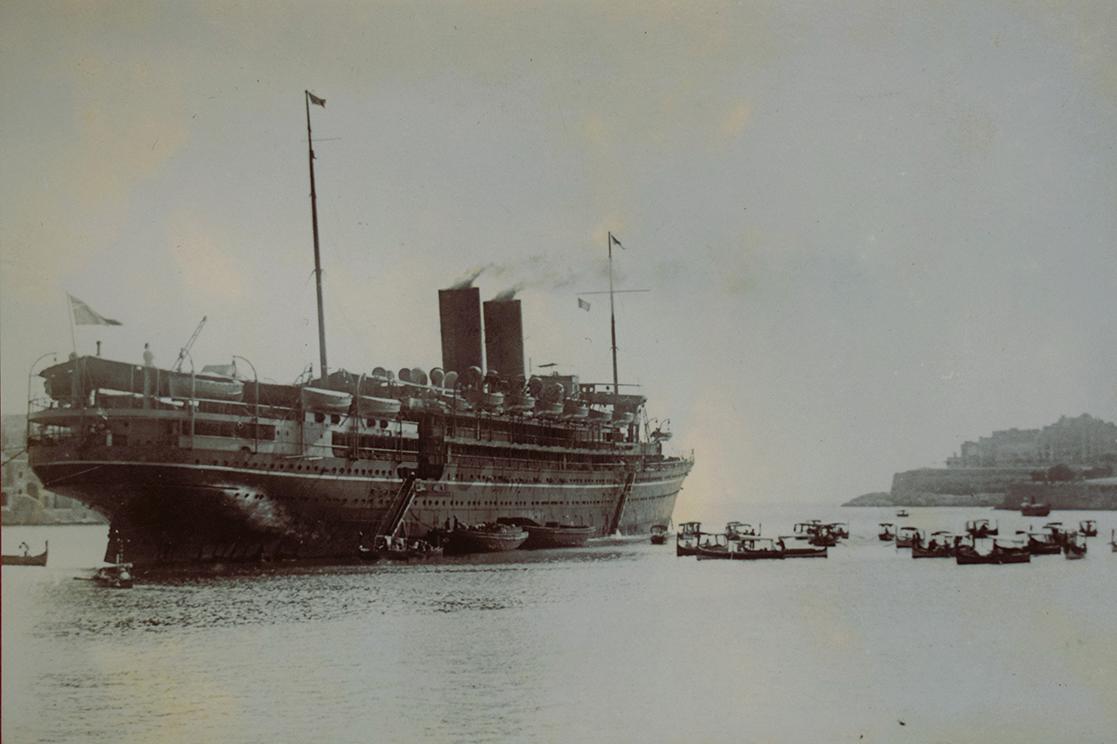
A passenger ship in Marsamxett Harbour – the Teutonic or the Medina?
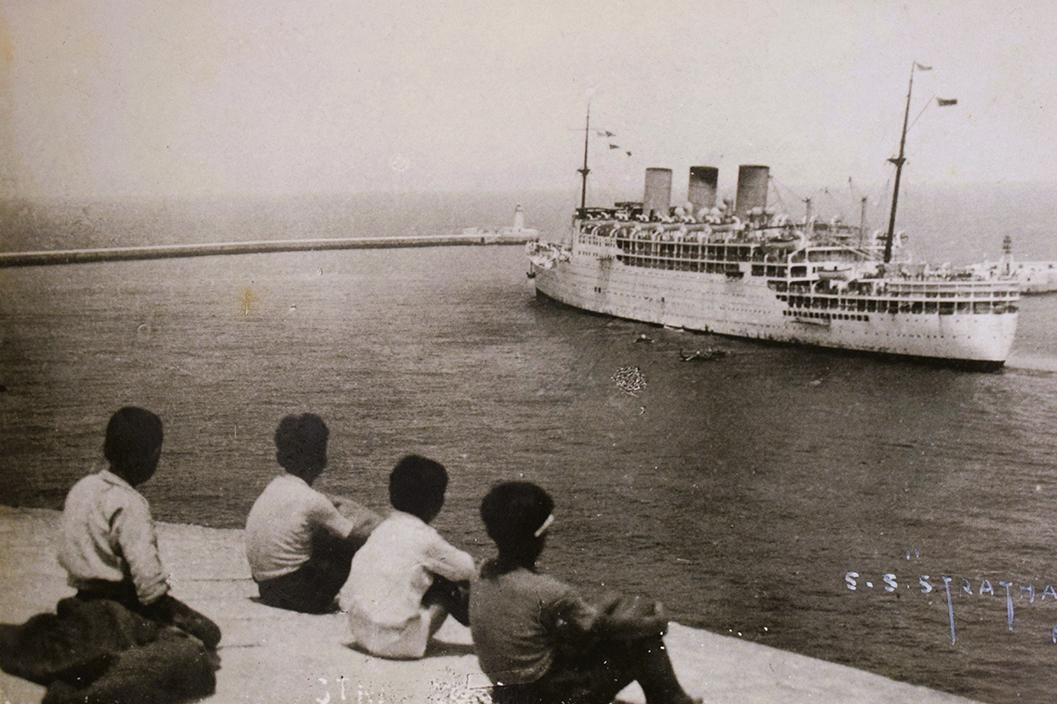
1934 postcard of the Stathaird in Grand Harbour.
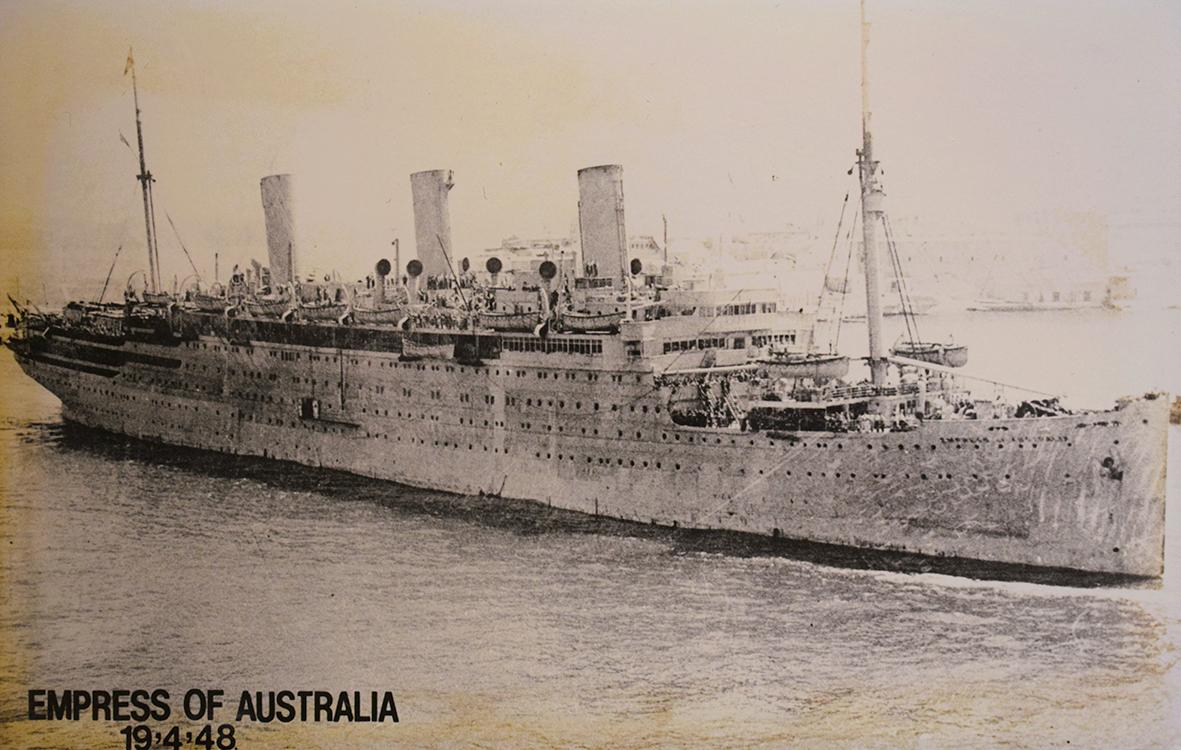
The Empress of Australia in Malta in 1948.
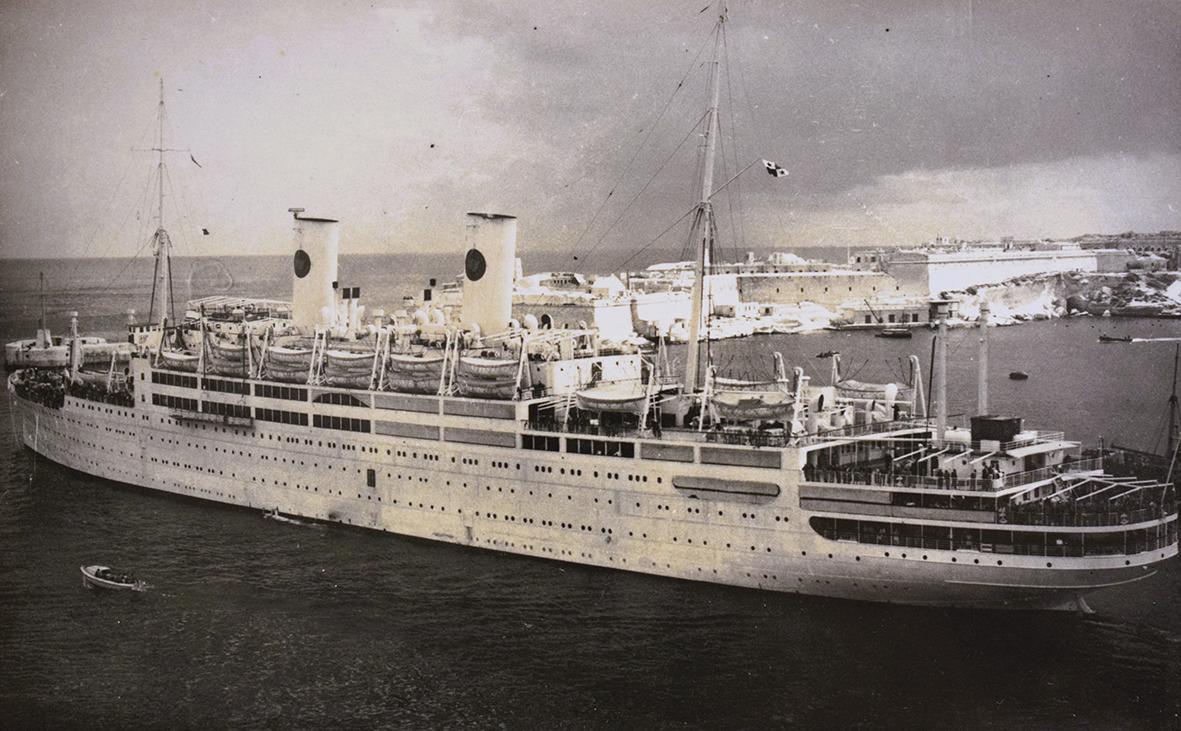
The liner Italia carrying migrants from Malta in 1950.
Next to the behemoths that today crowd Grand Harbour, the vessels of the earlier 20th century look modest and unassuming. Here are some that illustrate the evolution from the purely functional towards overwhelming streamlined elegance.
The designer of our iconic parliament building, Renzo Piano, contributed massively to the revolution of cruise-liner design with his 1990s Crown Princess, Regal Princess and MS Ambience.
Since the dawn of tourism, passenger vessels that graced our harbours proved too photogenic for our postcard publishers to ignore; inter-wars, the Grand Studio and others; post-war, Joseph Pavia of the London Studio took the lion’s share.