Europe’s laughing gas problem has a Malta connection
Company says products are fake and wants them banned
Europe’s growing laughing gas problem has a Malta connection – but the Malta-based company whose branding appears on discarded nitrous oxide cylinders across the continent says many of the products are fake and wants recreational use banned.
Across Europe, nitrous oxide canisters litter parks, gutters and pavements as authorities struggle to contain the substance’s growing popularity as a cheap recreational high.
Many of the cylinders bear brands linked to Ramdon Ltd, a company headquartered in Birkirkara. But Ramdon insists a significant share of the products circulating on Europe’s black market are counterfeit or illegally resold and says it supports Malta’s recent ban on recreational laughing gas.
The company says it has spent heavily on legal action and private investigations targeting rogue distributors and fake products.
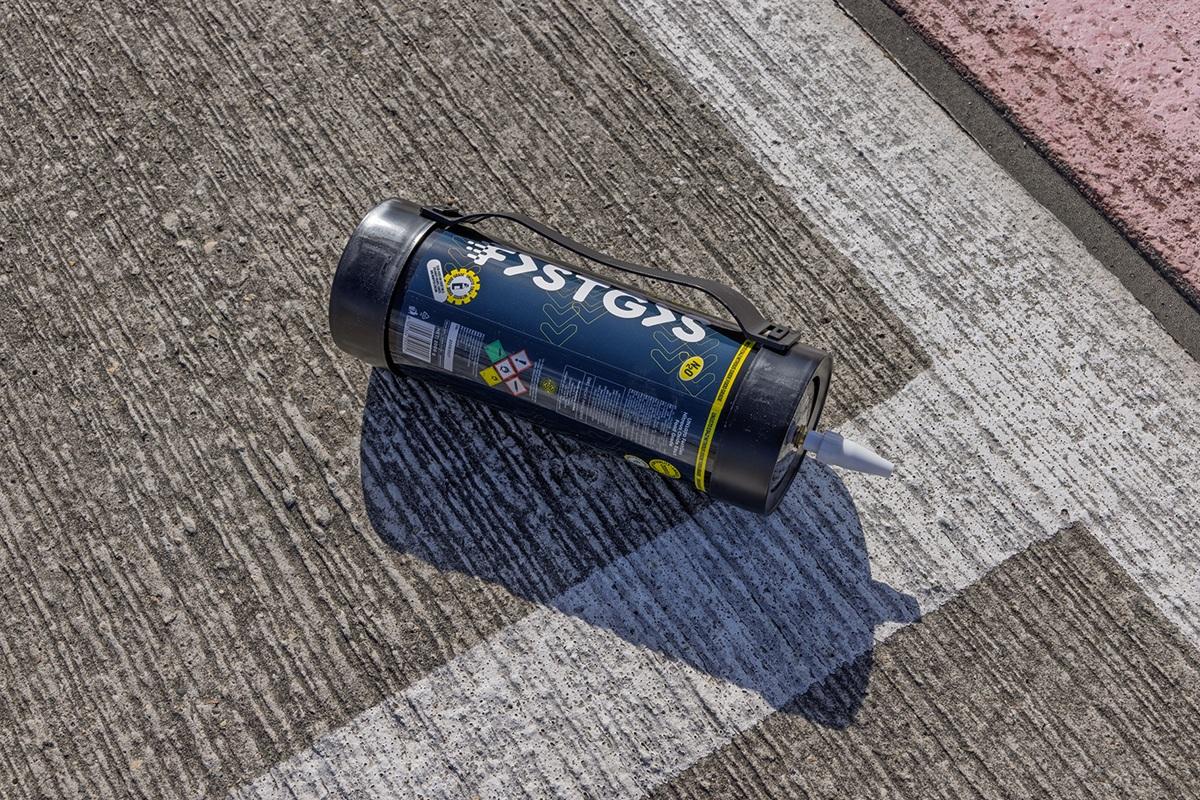
Many of the cylinders carry the branding of Ramdon’s nitrous oxide products, including Exotic Whip and FastGas. According to its website, the company specialises in disposable nitrous oxide, carbon dioxide and helium cylinders for the business-to-business market.
However, the company says the recreational market has become flooded with counterfeit products and illegally redistributed stock that falls outside its authorised supply chain.
A spokesperson for Ramdon told Times of Malta the company is aware its products are being misused across Europe and is taking steps to prevent counterfeit sales and recreational consumption.
“Ramdon sells exclusively to VAT-registered businesses in the distribution of food service products, requiring documented proof of commercial activity at onboarding, and applies commercial-grade KYC monitoring to all accounts. All wholesalers sign statements to abide by conditions prohibiting the retail sale of such products. It does not sell and has never sold directly to consumers, nor does it hold stock in Malta or export to the island.”
The company said it has spent €250,000 annually over the last few years on legal action and private investigation of illegal resellers.
“A case in point is our repeated attempts to take down rogue websites that sell counterfeit Ramdon products online.”
The company said its due diligence has led to some companies being off-boarded. Some prospective companies have also been rejected for failing the onboarding process.
 Piles of empty nitrous oxide canisters in Għajnsielem. Photo: Facebook
The Maltese laughing gas problem
Parts of Malta have experienced the same problem felt in European streets. In Għajnsielem, the mayor has repeatedly warned that young people are increasingly resorting to laughing gas. Meanwhile, residents of St Paul’s Bay often upload photos to Facebook showing empty cylinders strewn across the pavement.
The branded canisters that appear in Malta do not seem to be linked to Ramdon’s own brands of nitrous oxide. Among the brands that have made their way to Malta are Miami Magic, Baking Bad, Instant Gas and Luxgas.
“While headquartered in Malta, the country remains in our restricted list of export markets, which means no Ramdon products can be imported into or be sold in Malta; and no stock is ever held in Malta,” the spokesperson said.
In Malta, the authorities have since banned recreational use of laughing gas altogether. The legal notice was published in April, and since then, six Britons have been arrested and charged with using laughing gas.
Ramdon has long called for a distinction that prohibits recreational misuse while protecting the rights of traders and professions for legitimate use.
The company said the new legislation that prohibits recreational laughing gas is “not only proportionate, but necessary” as it draws a distinction between responsible operators in the sector and misuse of the substance.
“The Maltese regulations place the burden of proof on those in possession of nitrous oxide to demonstrate legitimate intent. This is a meaningful enforcement mechanism, and Ramdon supports it,” the company’s managing director, Ryan Buttigieg, said, in a separate statement reacting to the legislation.
From the Netherlands to Malta
Ramdon’s origins lie in the Netherlands with a group of Dutch friends, who spent the early years of the 2010s working as party promoters.
One day, one of the men realised they could make good money selling cheap nitrous oxide to partygoers. From there, the group of friends started to build a nitrous oxide empire, with customers ranging from catering establishments to late-night shops.
When the Netherlands started mulling a ban on recreational nitrous oxide, the company’s operations moved to Malta. According to the company, the original investors are no longer involved in the day-to-day operations and hold no decision-making power.
The Malta-based company is one piece of a wider network of companies used to sell their products. In 2024, three new subsidiaries were set up alongside Ramdon to support its operations.
The Malta office is where the company’s compliance architecture, distributor management and executive functions are headquartered. The manufacturing operations are based in Poland, while the Mauritius companies were set up for intellectual property reasons.