Euthanasia realities
Pope Francis had said that euthanasia is a failure of love and a reflection of a ‘throwaway culture’, something the Maltese bishops recalled in their May Pastoral Letter
The Netherlands has one of the world’s broadest euthanasia laws, allowing doctors to end a person’s life if they are “suffering unbearably, with no prospect of improvement”. They must be diagnosed with a medical condition but this can include a mental illness or dementia.
In 2024, the Regional Euthanasia Review Committees (RTE) of the Netherlands received 9,958 reports of euthanasia. This was 10% more than in 2023. The number of euthanasia reports compared to the total mortality rate rose from 5.4% to 5.8%.
Figures released last March by the RTE showed that the number of euthanasia deaths rose from 9,068 in 2023 to 9,958 in 2024. While the vast majority of people – 86% – had an advanced physical disease such as cancer, 219 people died for psychiatric reasons, compared with 138 in 2023. In 2010, there were only two such cases.
In most of the reports of euthanasia (86.29%), common physical conditions such as cancer, nervous system disorders, lung disorders and/or cardiovascular disorders were involved. In 427 reports, euthanasia was granted to a patient with a form of dementia. In 219 reports, the suffering was (largely) the result of one or more psychological disorders, compared with 138 in 2023. In 2010, there were only two such cases.
An RTE statement urged doctors to employ “great caution” with psychiatric conditions and to consult a psychiatric specialist as well as an independent doctor who is part of a network of physicians providing information to colleagues on euthanasia.
Six deaths by euthanasia in 2024 were judged by the RTE to have lacked due care, including a doctor who failed to consult a psychiatrist but granted euthanasia to a woman in her 70s who wanted to die because, after a spinal fracture, she could no longer fulfil her obsessive-compulsive need to clean.
In 2004, the RTE also received 397 reports about people with a combination of age-related conditions.
Finally, there were 232 reports in the residual category ‘other conditions’.
In six cases, the RTE concluded that the physician had not complied with the due care requirements when providing euthanasia. Two of these reports concerned the failure to consult a consultant (correctly). One report concerned the great caution that a physician must exercise if the euthanasia request (largely) results from suffering that is the result of a mental disorder. In the three other reports, the guideline for performing euthanasia had not been followed in a complicated procedure.
The Belgian Federal Commission for the Control and Evaluation of Euthanasia reported that, in 2024, 3,991 euthanasia registration documents were received and reviewed by the commission, marking a 16.6% increase compared with 2023. Euthanasia accounted for 3.6% of all deaths recorded in Belgium in 2024, compared to 3.1% in 2023.
Most of the patients concerned were over 70 (72.6%), of whom 43.2% were over 80. Euthanasia in patients under the age of 40 remained rare (1.3%).
With regard to locations, 50.4% of euthanasia cases were carried out at home, confirming patients’ tendency to wish to remain in a familiar environment. The proportion of euthanasia cases carried out in retirement homes remained stable (17.6%), while there was a slight decrease in those carried out in a hospital environment (30.2%, of which 6.3% were in palliative care units compared to 32% [and 6.1%] in 2023).
The main pathologies that prompted requests for euthanasia remained as follows: cancers (54% of cases), polypathologies (26.8%), serious neurological disorders (8.1%), cardiovascular (2.6%) and respiratory conditions (2.9%).
Euthanasia cases for psychiatric conditions and cognitive disorders remain rare (1.4% for each category).
Euthanasia is denounced in the Catechism of the Catholic Church as a sin as grave as murder- Charles Buttigieg
The federal commission stated it is important to highlight that psychological suffering should not be confused with a psychiatric condition. It may be linked to a physical illness, such as a loss of autonomy or dignity due to advanced cancer.
General practitioners are the primary representatives of patients who want to request euthanasia and are the main practitioners who carry out the procedure.
The commission highlighted that the registration documents received met the essential requirements of the law: voluntary; considered and repeated request made without external pressure; serious and incurable medical condition; where the patient is in a medical situation without a medical solution; constant, unrelievable and unbearable suffering caused by this condition.
Euthanasia is denounced in the Catechism of the Catholic Church of 1992 as a sin as grave as murder.
Three years later, Pope St John Paul II confirmed in the papal encyclical Evangelium Vitae that the practice “is a grave violation of the law of God since it is the deliberate and morally unacceptable killing of a human person”.
On many occasions, John Paul II, who, especially during his sickness, offered an exemplary testimony of faith and courage, exhorted scientists and doctors to undertake research to prevent and treat illnesses linked to old age, without ever ceding to the temptation to have recourse to practices that shorten the life of the aged and sick, practices that would turn out to be, in fact, forms of euthanasia.
In their end-of May 2025 pastoral letter, the Maltese bishops recalled Pope Francis’s stand that euthanasia is a failure of love, a reflection of a ‘throwaway culture’ in which “persons are no longer seen as a paramount value to be cared for and respected” (encyclical Fratelli Tutti, 18).
Further citing the pope’s message to participants in the International Symposium on Palliative Care held in Toronto in May 2024, the bishops added that, indeed, euthanasia is often, misleadingly, presented as a form of compassion. “However, ‘compassion’, a word that means ‘to suffer with’, does not involve ending a life intentionally but rather the willingness to share in the suffering of those who are facing the final stages of their journey on this earth.”
The Maltese bishops stated: “There is an alternative: instead of directing our energies at providing opportunities for assisted suicide, our appeal to the state is to strengthen, through all the investment necessary, palliative care for all who need it – and we emphasise for all – so that we can offer the best possible care until the final moments of life.”
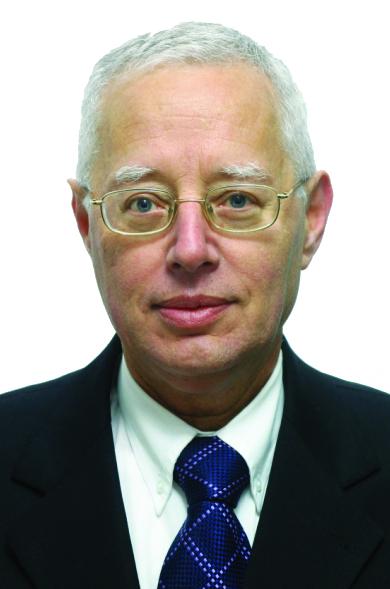
Charles Buttigieg is a former PRO of the Archbishop’s Curia.