PL, PN declare just five big donations in six years
A party financing law remains toothless in the face of potential breaches
Malta’s two main political parties have only declared five donations large enough to require disclosure since 2018, despite raking in millions in contributions over six years.
According to law, any single donation of more than €7,000 must be disclosed publicly.
The declared donations include two by Pavi Supermarkets, which gave each party a €10,000 donation on the eve of the 2022 general election.
The only other major donation declared by PN was an almost €15,000 sum from then-party leader Bernard Grech, fresh off his successful leadership campaign in 2020.
Labour, meanwhile, declared a €10,000 donation from contractors Schembri & Sons Ltd (listed as having been received during a fundraising marathon) and a further €10,000 from Iracil Ltd, a company with virtually no online presence and little publicly documented activity.
According to Malta’s party financing laws, parties must submit a list of the donations they receive each year, naming any donors who submit donations of more than €7,000.
However, these major donations are exceedingly rare, if the parties’ donations reports are to be believed.
In 2016, the year in which the party financing law’s reporting duties came into force, PL listed eight major donations, receiving a total of €93,000 that year alone.
Over the next eight years, between 2017 and 2024, the party only declared a further seven major donors, for a total income of €81,000.
PN, meanwhile, declared a donation of €18,500 from former MP and notary Tony Abela in 2016, together with two donations from his son, Sam Abela, over the next two years, both of just over €10,000.
Some major developers, such as Joseph Portelli, who have in the past publicly declared that they are frequent donors to both parties are conspicuous by their absence in the reports.
€13m in donations for PL, €15m for PN
In total, Labour claims to have received a little more than €13 million in donations, an average of roughly €1.5 million each year, from 192,000 donors since donations first started being reported in 2016.
PN claims to have received even more over the same period, clocking up almost €15 million in donations from over 333,000 donors.
However, PN reported a remarkably successful donation run in 2017. During the year, the party declared a staggering €3.3 million in donations, over a million euros more than any other year on record, despite registering half as many donors as in a typical year.
The donation reports also hint at several other anomalies.
Half of the money received by Labour since 2016, a little over €6.5 million, were in donations of between €500 and €7,000, the threshold just short of the legal requirement to publicly name donors.
Meanwhile, the party frequently reported receiving no donations under €50 in a year, raising questions about how donations collected during fundraising telethons are being recorded.
In total, Labour recorded just €1 million in donations under €50 over the past nine years, less than the amount the party collected in a single telethon held last week.
Although PN recorded a heftier €7 million in donations under €50 since 2016, it also leaned heavily into donations just under the €7,000 threshold, with a third of all its donations falling within this bracket.
Party financing law neutered by courts
Party financing laws, first proposed by a committee chaired by Central Bank governor Anthony Galdes in distant 1995, were finally written into law two decades later, through a bill drafted by former MP Franco Debono.
Debono had previously tabled a private members bill on the topic in early 2012, but it had been kept on the shelf until it was unanimously voted through parliament in 2015.
The bill meant that, for the first time, parties had to follow strict reporting requirements, filing their accounts within a stipulated period, recording the origin of donations over €500 and publicly disclosing the names of donors who handed over sums of more than €7,000.
The law also set donation limits, stating that nobody can donate more than €25,000 to a party in a single year and including provisos to prevent donors from splitting donations into smaller amounts to circumvent the law.
Although the bill remains in force on paper, it was rendered toothless through a constitutional court ruling in October 2018, following a legal challenge filed by PN.
PN had taken umbrage at the Electoral Commission’s investigation into donations the party had received, following claims by db Group that the hoteliers had been paying the salaries of two PN executives through donations to Media.Link, the party’s media arm.
The Electoral Commission was both investigating the case and handing down judgements, effectively serving a dual role as prosecution and judge, PN argued.
The courts agreed, finding that the commission’s dual role breached parties’ right to a fair trial.
Following the ruling, the government promised to revisit the law and bring it in line with the courts’ recommendations.
Seven years on, this has yet to be done, despite government officials frequently chastising PN for breaching financing laws by failing to submit its accounts on time.
Upon his election as PN leader Alex Borg promised to make party financing the topic of his first parliamentary speech as opposition leader. But the issue was conspicuously absent when he rose to deliver his maiden speech in parliament just days later.
As things stand, the law remains unenforceable, with MPs and party officials proudly declaring donations several times higher than the legal limit.
‘Don’t reinvent the wheel, just enforce the law’: Franco Debono
Debono resurrected the issue last week in a fiery Facebook post reacting to the “shameless” spectacle of the most recent round of party telethons.
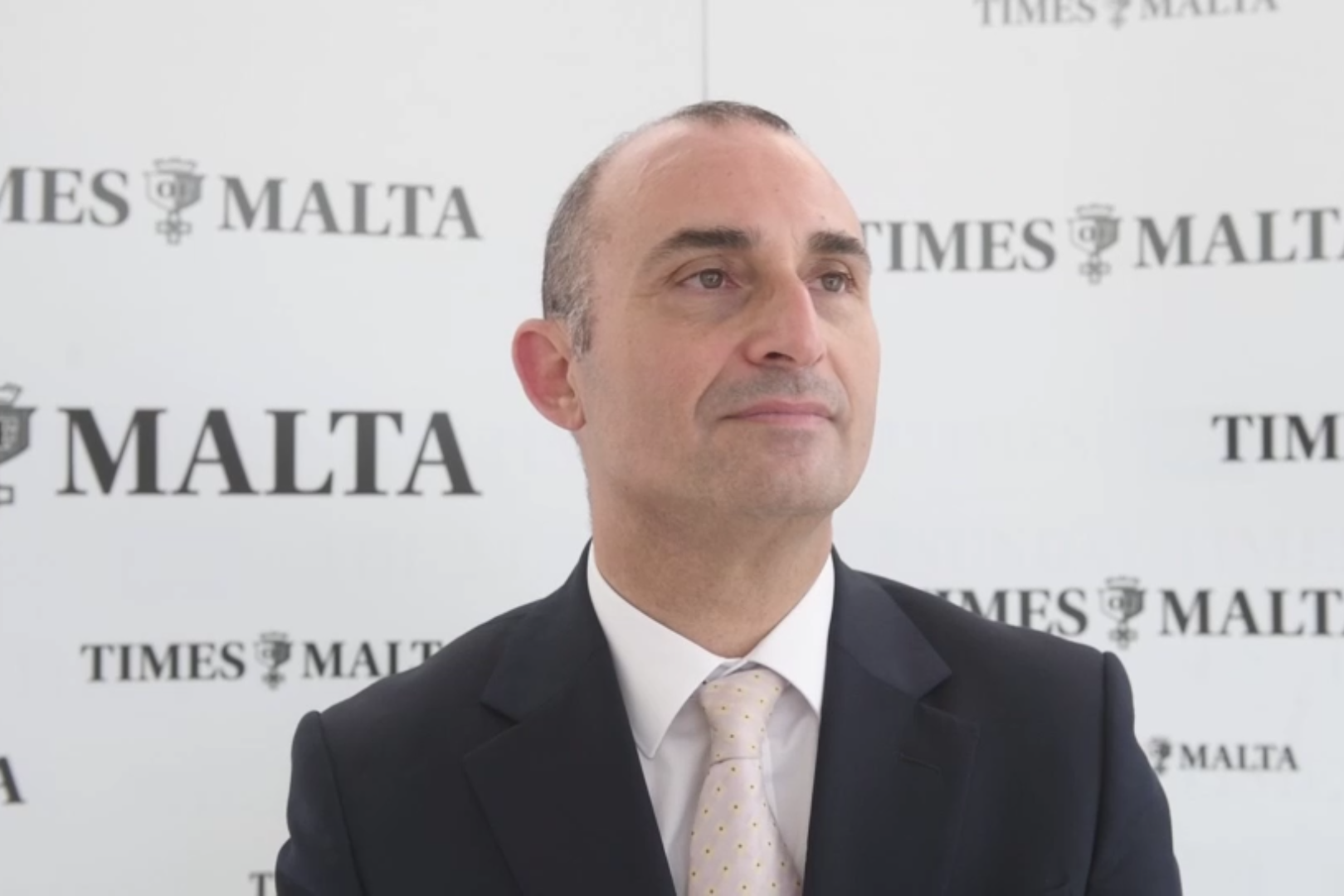 Franco Debono first drafted a party financing law in 2012. File photo: Matthew Mirabelli
When contacted, Franco Debono argued that solutions to the impasse can be found without reinventing the wheel.
Debono explained that the bill he drafted had entrusted the Electoral Commission with the responsibility to enforce the law because it was a “tried and tested body that enjoyed the trust of both parties,” having successfully run elections in Malta virtually without a hitch for decades.
“One possible solution would be to set up a subcommittee or board independent of the Electoral Commission to investigate potential breaches, with the Commission then judging over the case, thereby separating the two roles,” Debono said.
Alternatively, he said, there could be a system whereby the Commission investigates and takes the matter to the court of magistrates for a decision.
“But let’s not throw the baby out with the bathwater. The law is good and would ensure transparency and accountability, but it needs to be enforced,” he argued.