Fort Chambray deserves its true homecoming
Malta’s heritage belongs to its people, says Daniel Cilia
I would like to commend the fine sentiments expressed in the excellent letter to the editor, ‘A true homecoming’, published in Times of Malta on February 10 by Mgr Dr Joe Vella Gauci, Malta’s Ambassador to UNESCO.
The article praises the Maltese government’s decision to bring Fort San Salvatore back into public stewardship, framing it as a meaningful act of national “homecoming” that strengthens heritage, community opportunity and a long-term culture of preservation.
I would like to reinterpret the ambassador’s letter, changing only the subject matter – instead of the Cottonera fort, the Gozitan Fort Chambray:
There are moments when a nation quietly chooses the right course and, in doing so, strengthens its bond with its own history.
The possibility that the Maltese government may one day take over the still undeveloped and unrestored part of Fort Chambray and return it to public stewardship would be one such moment, worthy of reflection, encouragement and hope.
Overlooking the natural harbour of ix-Xatt l-Aħmar, this neglected section of Fort Chambray is far more than masonry and ramparts. It stands as a dignified witness to centuries of Maltese resilience, strategic foresight and layered history.
Conceived by the Order of St John, later adapted to changing military needs, the site has endured as a guardian not only of place but of collective memory. Central to this narrative are the British barracks, the only surviving example of British military residential architecture in Gozo, which offer a rare and tangible insight into everyday life within a fortified complex during the nineteenth century. Their loss would sever an irreplaceable chapter of the site’s historical continuity.
For too long, this remarkable ensemble has remained detached from the people whose history it represents. Its prolonged abandonment, coupled with the real and imminent threat facing the British barracks, sits uneasily with the principle that national heritage should serve the common good.
A future decision by the government to assume responsibility for this undeveloped and unrestored part of Fort Chambray and salvage the British barracks would therefore restore an essential idea: that Malta’s heritage belongs to its people. Such a step would not be merely administrative but an affirmation that our past must be accessible, understood and shared in its entirety.
Gozo, Malta and the whole world (seeing that the Fort Chambray British barracks were one of the very first barracks designed as a married quarters in the whole Commonwealth) would stand to benefit profoundly. The reintegration of this part of Fort Chambray into public life, anchored in the preservation of the British barracks, could offer meaningful opportunities for cultural engagement, education and sustainable tourism, grounded in respect rather than exploitation.
The symbolic value of such a move would be equally significant. At a time when development pressures frequently place historic sites at risk, choosing stewardship and conservation over irreversible loss would send a clear and powerful message: that progress and heritage are not adversaries but partners, each enriching the other when guided by foresight and responsibility.
This still undeveloped and unrestored part of Fort Chambray invites us to reimagine our relationship with the historic environment. It challenges us to care for it wisely, animate it with purpose and to pass it on intact to future generations.
Inheriting heritage may be inevitable but protecting it is always a choice. What our successors inherit will, ultimately, reflect the courage and generosity of our own decisions.
Should the government one day choose to take this part of Fort Chambray back into public hands, and to safeguard its British barracks as an integral part of that vision, it would mark not the turning of a page but the opening of a new one. May that moment come. May it be not merely the recovery of a site but a true homecoming.
This is the end of the reinterpretation of the ambassador’s letter.
Together with the Coalition for Gozo, and confident that many other Gozitans share it, we have a dream.
The government is currently conducting a public consultation on proposals to transform the White Rocks complex in Pembroke, together with sites at Fort Campbell and Manoel Island, into new, community-focused national parks. Gozo deserves the same ambition. The undeveloped, unrestored part of Fort Chambray should likewise be safeguarded and reimagined as a national park, held in trust for the public good.
Gozitans are entitled to the same opportunities, access and quality of life as those now being considered for Malta.
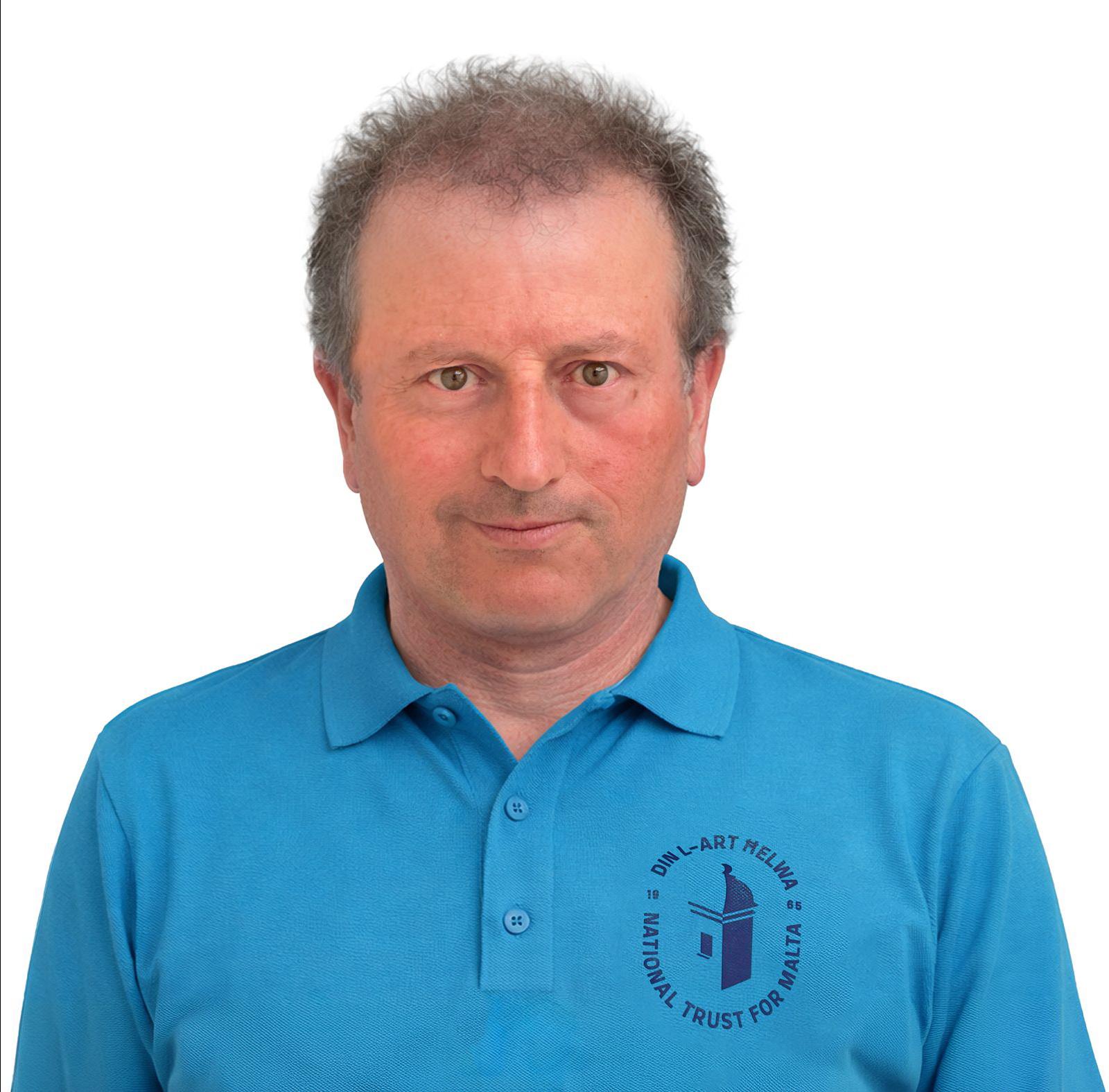
Daniel Cilia is a photographer and member of Din l-Art Ħelwa Għawdex.