From the Gospel: What shall I do?
Jesus warns us not to be attached to material possessions, as one is never satisfied
Today’s readings: Ecclesiastes 1:2; 2:21-23; Colossians 3:1-5, 9-11; Luke 12:13-21.
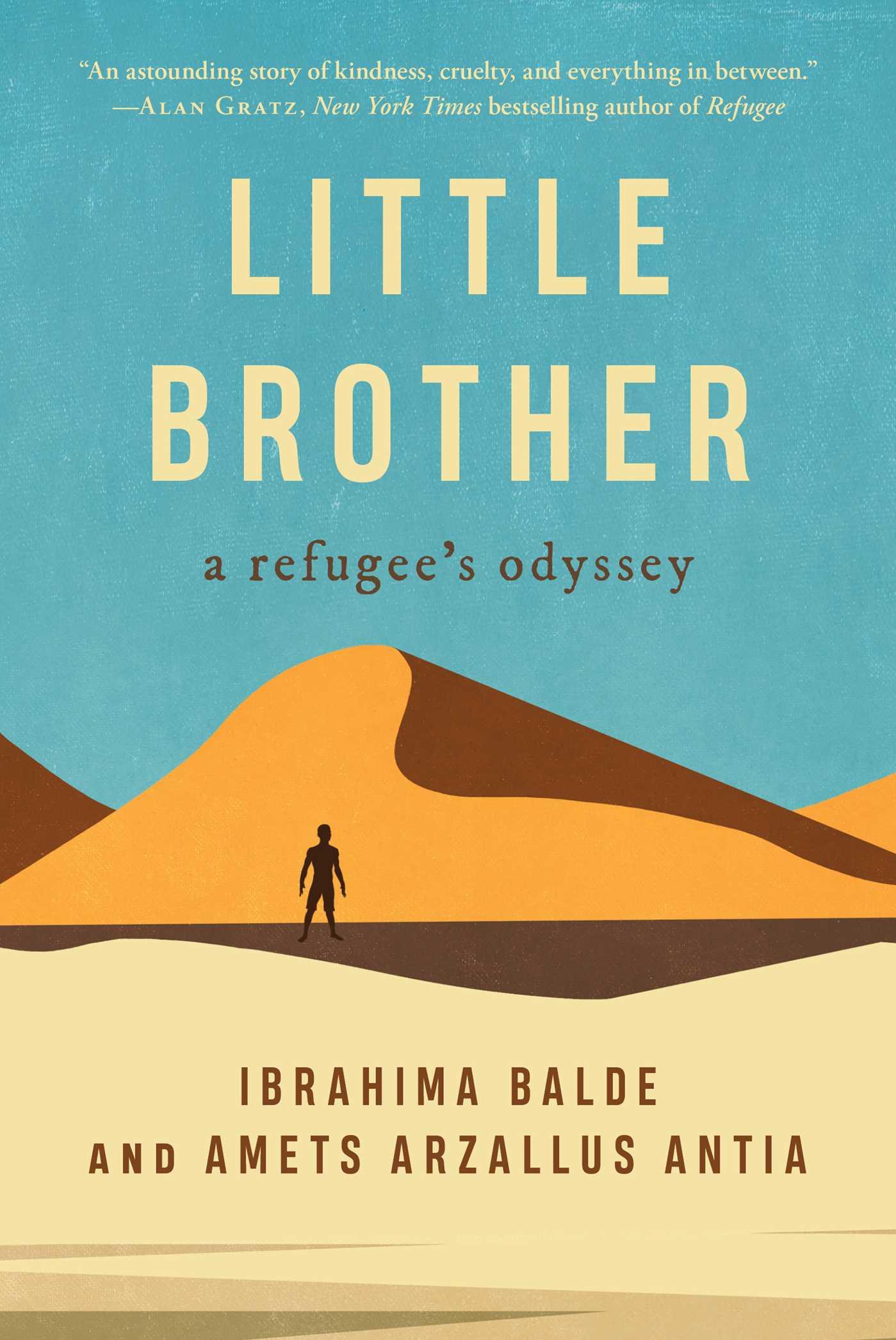 Little Brother, by Ibrahima Balde and Amets Arzallus Antia
Little Brother is the moving story told in the first person by Ibrahima Balde, a refugee from Guinea who sets off in search of his younger brother who attempts to cross over to Europe in search of a better life.
At various points throughout the narrative, we are brought face to face with greed and its effects, as human beings are trafficked across the Sahara and the Mediterranean, and exploited in cities and villages.
We need not even go beyond our shores to see the effects of greed.
In her inauguration speech in April last year, President Myriam Spiteri Debono called out financial greed as the first malaise of Maltese society, leading to corruption and insensitivity to injustices caused by the unbridled pursuit of wealth.
Statistics also show another effect of greed. Our country’s affluence is benefitting only the few, with income inequality on the rise.
Almost on a daily basis we hear of third-country nationals who come to Malta doing work that Maltese refuse, with the aim of making a decent living and to send some money home. Due to a culture of greed, they are exploited in return.
However, as today’s gospel hastens to remind us, we do not even need to look beyond ourselves to spot greed. We can often find it right in our heart.
Pope Francis often said, the surplus you and I have belongs to the poor
A man asks Jesus to tell his brother to share his inheritance with him. A fair request; justice itself demands it.
In response, Jesus does not provide quick fixes. Instead, he goes deeper into the spiritual ailment underlying this man’s indignation and the reason behind his brother’s reluctance to share his wealth.
A man is blessed with a bountiful harvest and wonders what to do next. He decides to tear down his barns and build larger ones to store all his grain and possessions, reassuring himself that he would finally be able to enjoy the fruit of his labour. Unknown to him, however, that very night he dies.
It is evident that Jesus is not condemning wealth itself but greed. Jesus warns us not to be attached to material possessions, as one is never satisfied. Jesus ends his parable thus: “Take care to guard against all greed, for though one may be rich, one’s life does not consist of possessions”.
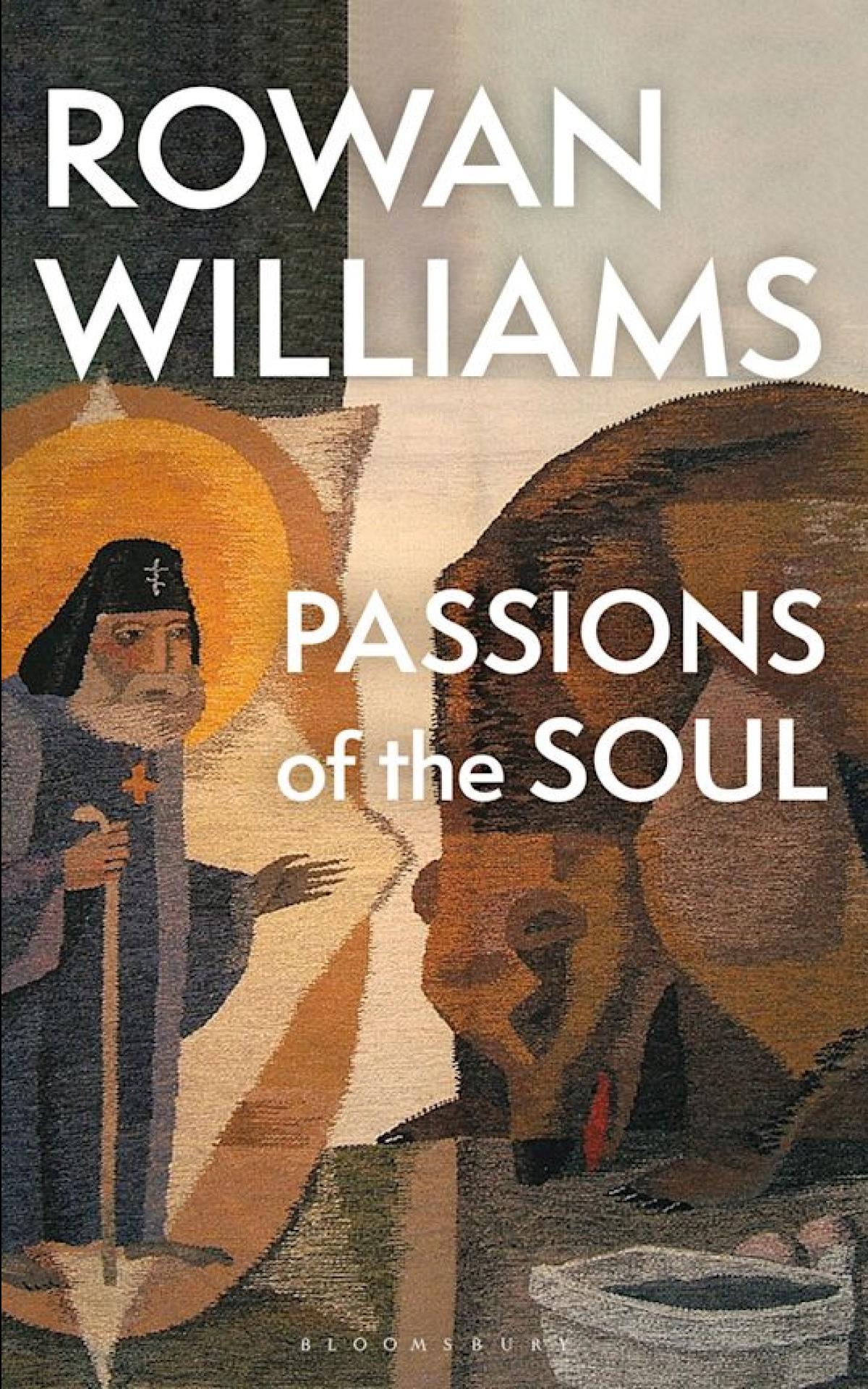 Passions of the Soul, by Rowan Williams
As Rowan Williams writes in his book Passions of the Soul, in contrast to the other vices, which are our natural appetites, such as lust and gluttony gone haywire, avarice, or greed, actually goes against our nature as it requires of us great effort. “Avarice,” the former archbishop of Canterbury says, “is the compulsion to be in control, the urge to be in control now and to overcome the risks that come in an unknown future”.
The antidote of greed is trust in God, allowing oneself to be subject to the risk of God’s mercy. In the larger scheme of things, the risky business of trusting God and subjecting oneself to God’s mercy rather than in one’s possessions is more worthwhile than the increasing compulsion for things that perish.
But greed is not only a question of personal spiritual growth. It is also a question of social justice.
In his poignant oration “I will pull down my barns”, the great fourth-century bishop, Basil of Caesarea, imagines having a conversation with the rich man of today’s parable. He takes issue with his question: “What shall I do?” as he wonders what to do with all the harvest he has.
With a touch of irony, Basil comments: “What kind of question is that?” The answer is obvious and straightforward: “I will satisfy the souls of the hungry, I will throw open the gates of my barns and, just like Joseph in Egypt, summon all those in need.”
As Pope Francis often said, the surplus you and I have belongs to the poor.