German prisoner of war was ‘secretly buried’ under St Julian’s villa
Historian Simon Cusens claims the soldier was secretly buried during World War II
A German prisoner of war was secretly buried under a historic St Julian’s villa, according to a noted historian who claims to have detailed knowledge about the hidden grave's location.
According to Simon Cusens, hidden deep in the bowels of the Grade 1 scheduled Careel House is the grave of a German soldier who was secretly buried at the property during World War II.
Careel House in Triq il-Karmnu was rented by the British forces under the command of Colonel Bertram Ede during the war and is thought to have formed a vital part of British intelligence operations across the Mediterranean. Its intelligence operations are also believed to have led to the arrest and exile of several Italian sympathisers in Malta.
“The unknown German’s grave is placed in the main well,” Cusens told Times of Malta. “The grave was discovered when it was necessary to empty the well for cleaning and repair purposes. The coffin-shaped concrete slab lies on the floor and is obviously not compatible with the surrounding original stones. On the wall above the concrete structure is a swastika and the letters RlP [rest in peace].”
On the wall above the concrete structure is a swastika and the letters RlP
Cusens asked Times of Malta not to publish the source of the information, whom he stressed is deeply familiar with the site and its history. The historic grave is now believed to be underwater, he said.
“I am informed that, when the grave was discovered, the late David Arrigo [who grew up in the house] took a photo of it. So, there was at least one witness,” said Cusens. He added that Arrigo was accompanied by someone at the time, “so it is likely one witness is still alive”.
The historian provided detailed information about the location of the alleged grave.
“The well, one of four, had 14 arches when initially constructed, and a small rowing boat was tethered inside for inspections,” he explained, adding the arches had suffered damage from a sinkhole some 20 years ago.
But that is not all: “There is also an air raid shelter underneath the house, which is accessible by a trap door. For the time being, I am withholding the trap door’s exact location,” said Cusens.
A history graduate, Cusens said that, though he had known about the grave site for some time, he now felt compelled to speak out after the property was recently eyed by developers.
The villa hit the headlines last month when plans to excavate the gardens to make way for two apartment blocks, and convert the main house to a boutique hotel, caused uproar. Last month, it was granted the highest level of protection by the Planning Authority (PA).
In addition to its wartime activities, Careel House is believed to have links to the development of modern scouting and football NGOs and a band club.
Interrogations during the war
The deceased German soldier is likely to have not been the only prisoner of war held at the villa, according to Cusens.
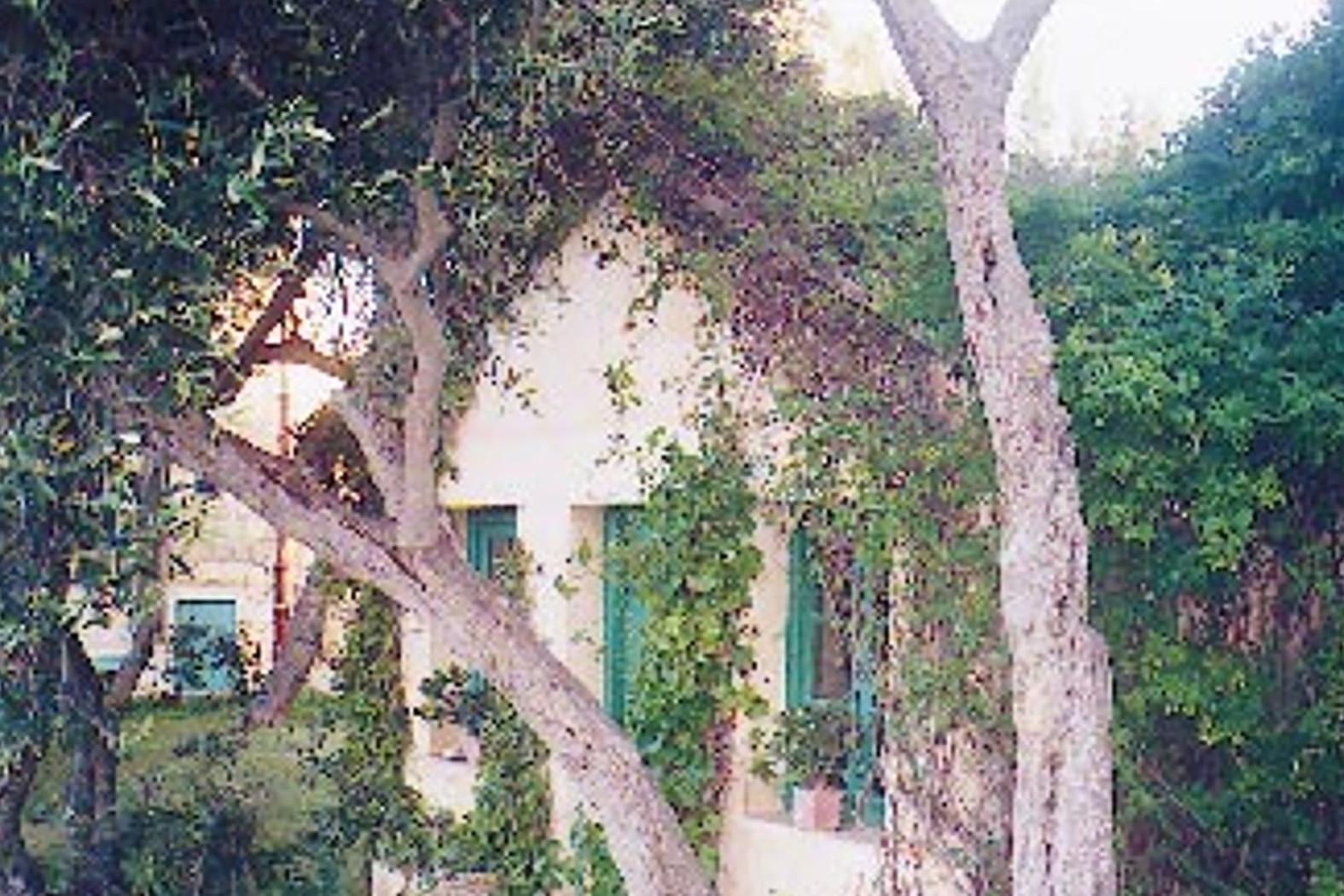 A photo of ‘the hut that Jack built’, taken from a 2000 article in The Sunday Times of Malta by David Arrigo. The hut was the nerve centre of British intelligence in Malta, liaising with SAS operations in North Africa.
He told Times of Malta that Careel House is referenced in historical accounts of a ‘Sliema house’ believed to have held Maltese artist and spy for fascist Italy, Carmelo Borg Pisani, before his transfer to Corradino prison.
Recounting being shown an original copy of Borg Pisani’s confession under interrogation, which he said took place at the St Julian’s villa, Cusens said the document suggested the dissident may have been subject to harsh treatment.
“He [Borg Pisani] was interrogated by MI5... And the detail is so articulate, it makes you wonder what they must have done to him to be able to get that kind of information.”
In a May 2000 article in The Sunday Times of Malta, entitled The hut that Jack built, recounting a visit to the property by British special agent Jack Griffiths, then an octogenarian but who had served at Careel House during the war, Arrigo recalled “many comings and goings, clandestine meetings and overnight visits by secret agents in transit” while growing up in the historic property.
“I always knew there was something rather special about the house that I was brought up in... this property has been our family home, yet, its origins and history have always deeply fascinated me,” wrote Arrigo.
“My earliest memories are of soldiers, army motorcycles and trucks. I clearly recall an army officer with a swagger stick under his arm showing us around the house. ‘Careel’ was what it was known as.”
Arrigo noted that Colonel Ede, a senior MI5 officer, had lived in ‘Careel’ before and during the early stages of the war. He recalled “endless aerials and huge masts in the garden and on the roof”.
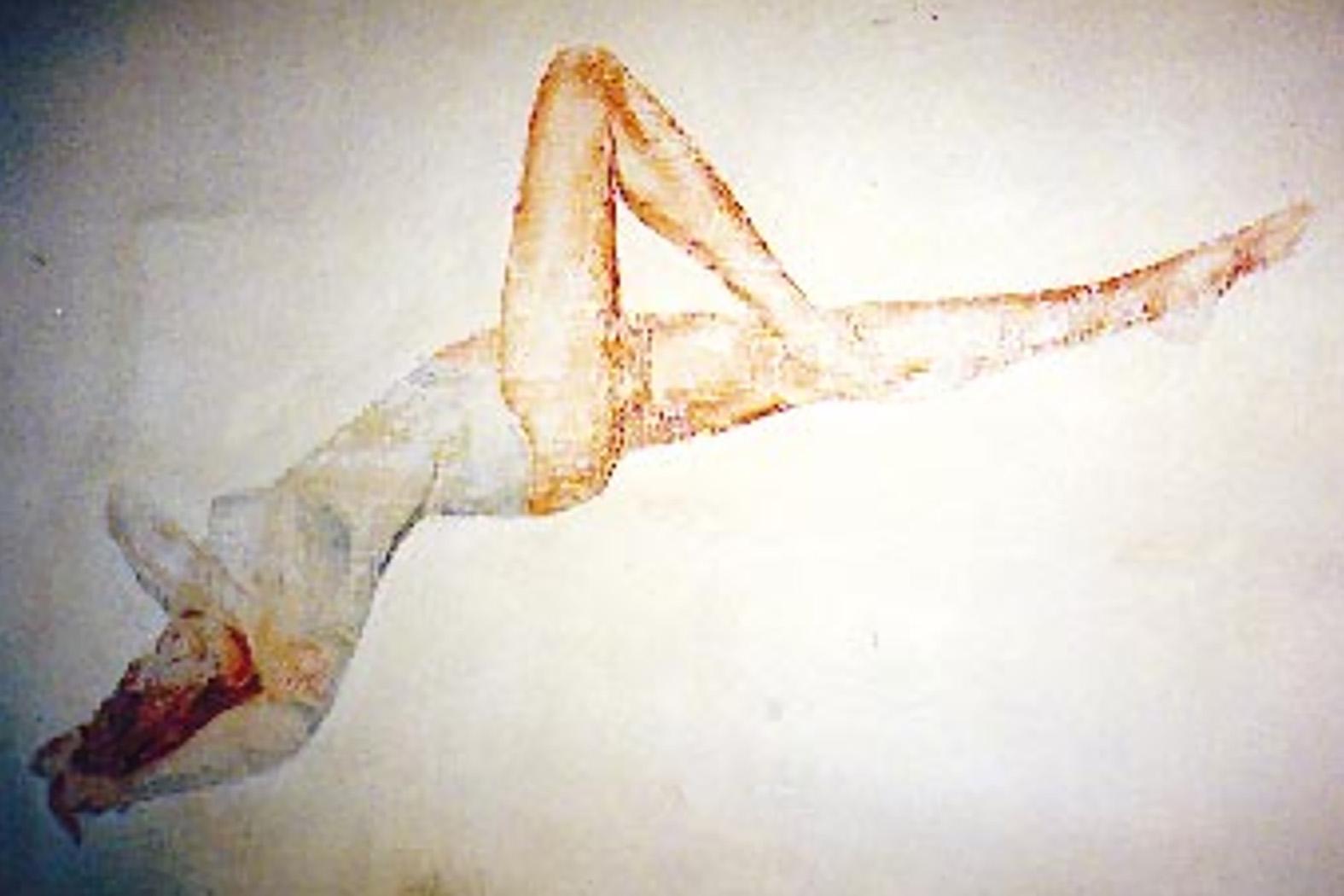 One of the ‘Vargas girls’ – wartime wall art from the interior of the hut at Careel House. Two such works have been catalogued and photographed by London’s Imperial War Museum.
“Beneath the house, leading off from the old, vaulted cellars, were air raid shelters hewn deep into solid rock. In the massive garden was a ‘hut’ with an asbestos corrugated roof, typical of that period.”
Counterintelligence
The hut referred to by Arrigo was the nerve centre of British counterintelligence in the region, with Cusens explaining its operations were aimed at supporting Britain’s Special Air Service (SAS) in North Africa. It was also linked via a direct line to the governor’s residence at San Anton and the Lascaris War rooms, he added.
In his article, Arrigo explained that, aside from its intelligence value, the hut’s decorations had been recognised for their artistic value.
“My mother had most of the walls whitewashed and the graffiti covered over but, luckily, she left alone the two Vargas Girls, most beautifully painted in fine sepia,” he said referencing two paintings of ‘pin-up’ women seen on the hut interior. “They live today, recorded by the Imperial War Museum in London as being some of the finest examples of wall war art surviving, not only in Malta, but anywhere in Europe.”
Meanwhile, Cusens, a former grand master of the Sovereign Grand Lodge of Malta, noted that the story of Careel House goes back even further, with a British senior freemason living at the property in the mid-1800s.
“So, Careel has an even older past when freemasonry of the period was very elitist and within the political and governance realm of British colonial Malta. But that is another story!”
Contacted about the claims, the British High Commission in Malta told Times of Malta: “It is the long-standing policy of the British Government not to comment on intelligence matters.”
Read more about David Arrigo’s memories of Careel House in the Times of Malta archives. To access, subscribe to timesofmalta.com.