The gig economy is a mirror
Why Malta’s real crisis is human latency, according to Adrian Mizzi
Every day, we see the uncomfortable truth zipping past us on motorbikes with insulated food bags or pulling up in cabs driven by third-country nationals.
We often frame gig work as a labour or wage issue. It is all of those things. But to a systems engineer, it is also a glaring metric of something else: velocity.
These workers succeed not just because they are willing to work but because they operate with zero latency. They receive a signal (an order), they accept the risk and they execute. No committees. No clearance. No hesitation.
Meanwhile, Malta’s traditional systems, from government departments to corporate boardrooms, have become addicted to the opposite: the pause.
I have spent 25 years architecting systems for national infrastructure and advising C-Level boards. Today, Malta does not suffer from a shortage of talent or strategy. We suffer from human latency, the deadly gap between seeing the problem and pushing the button.
In 2026, our definition of ‘prudence’ has mutated into paralysis. We have replaced leadership with committees. We have replaced decision-making with ‘waiting for clearance’.
I see it in RFPs (requests for proposals) that take six months to write and three months to adjudicate, only to procure technology that was obsolete by month four. I see it in boards that require three signatures to approve a €500 expense, burning €2,000 in executive time. I see it in cybersecurity patches delayed for ‘impact assessment’ while the ransomware clock ticks down.
We have wired ourselves to ask for permission in a world that rewards only those who command the system.
This culture of hesitation is our greatest strategic risk. While we wait for a committee to approve a security update, the breach has already happened. While we draft a ‘Vision 2050’ document about AI adoption, a small team elsewhere has already built the tool that makes the vision irrelevant.
Gig economy actors thrive because they don’t ask. They act. They operate within clear parameters, accept order, deliver product, get paid and the friction is minimal.
This culture of hesitation is our greatest strategic risk- Adrian Mizzi
Compare that to Malta’s executive class, where decision-making has become an exercise in risk avoidance. We check boxes. We seek cover. We convene another working group.
To be clear: this is not about romanticising gig work. These workers shoulder enormous risk, no benefits, no job security, no safety net. But their operational model exposes something we have lost: the ability to move.
The military has a term for this: the OODA Loop (observe, orient, decide, act).
In Malta, we linger in observe-orient purgatory. We rarely decide. We almost never act.
The antidote is not reckless speed. It is compressed decision loops, systems robust enough to move fast. Here is what that looks like in practice.
Procurement reform: purchases under €50,000 require department head approval within 48 hours. Above that, full board review but with a 10-day clock, not a six-month drift.
Regulatory sandboxes: allow companies to pilot new technologies under supervision for 90 days before requiring full compliance review. Learn by doing, not by theorising.
Executive authority frameworks: define clear thresholds where leaders can act unilaterally, with accountability built in after the fact, not gatekeeping built in before.
My own experience writing a technical memoir taught me something unexpected. I stopped asking AI for suggestions and started commanding it to execute. The shift from “Can you help me with...” to “Here’s what we’re building” changed everything. The system, whether machine or human, respects clarity. Hesitation breeds confusion. Command breeds execution.
We need to stop hiding behind ‘governance’ as an excuse for slowness. True governance is not about slowing things down to be safe; it is about building systems robust enough to move fast and correct course quickly when needed.
If we want to maintain our competitive edge as an island nation, we need to stop looking at gig workers as a demographic anomaly and start seeing them as a mirror. They are moving. We are still holding a meeting to decide if we should move.
Malta doesn’t need another committee. It needs a command.
 A
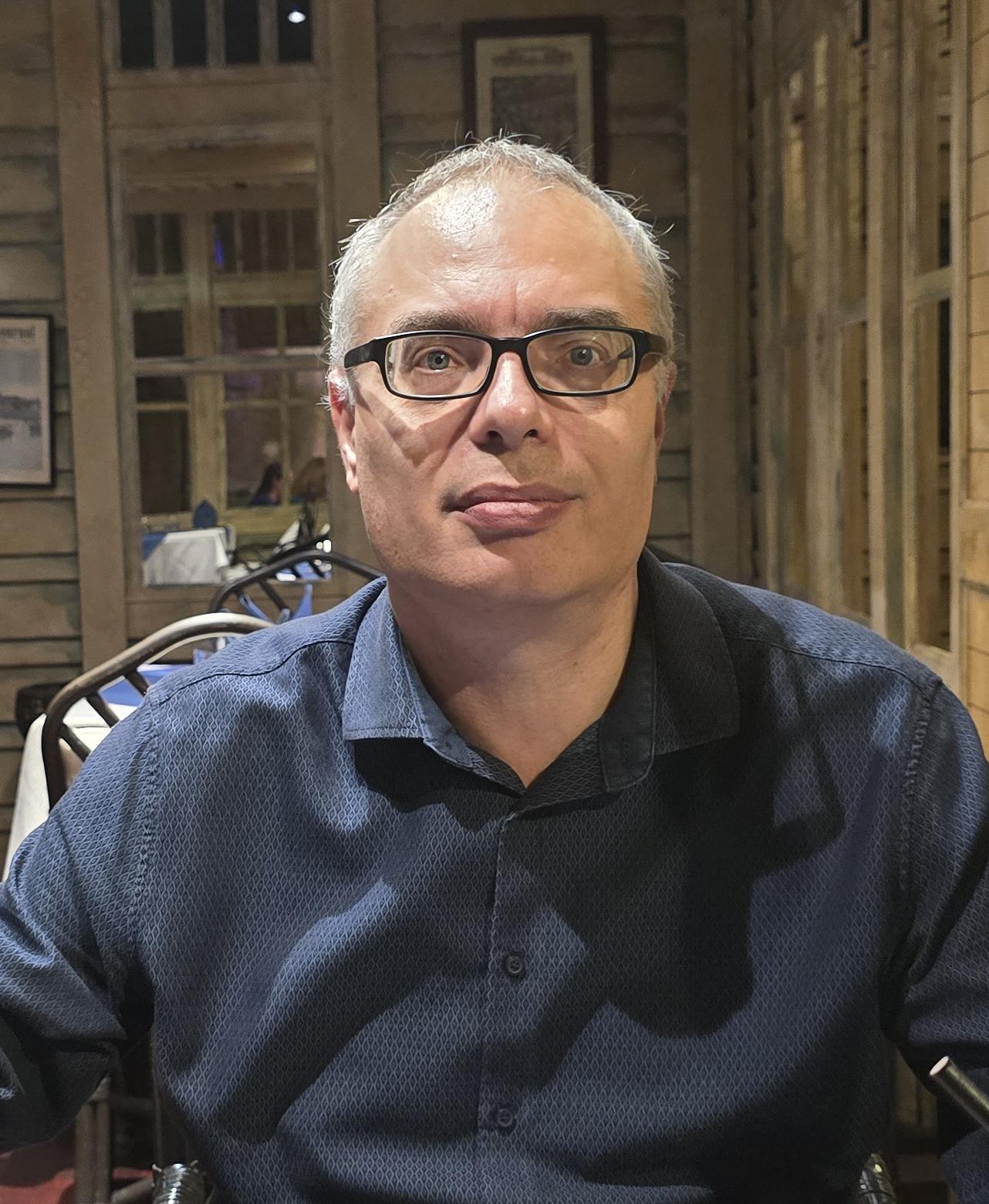
AAdrian Mizzi is a senior partner and chief technology officer at QP, a Tier-1 engineering and construction firm headquartered in Malta.