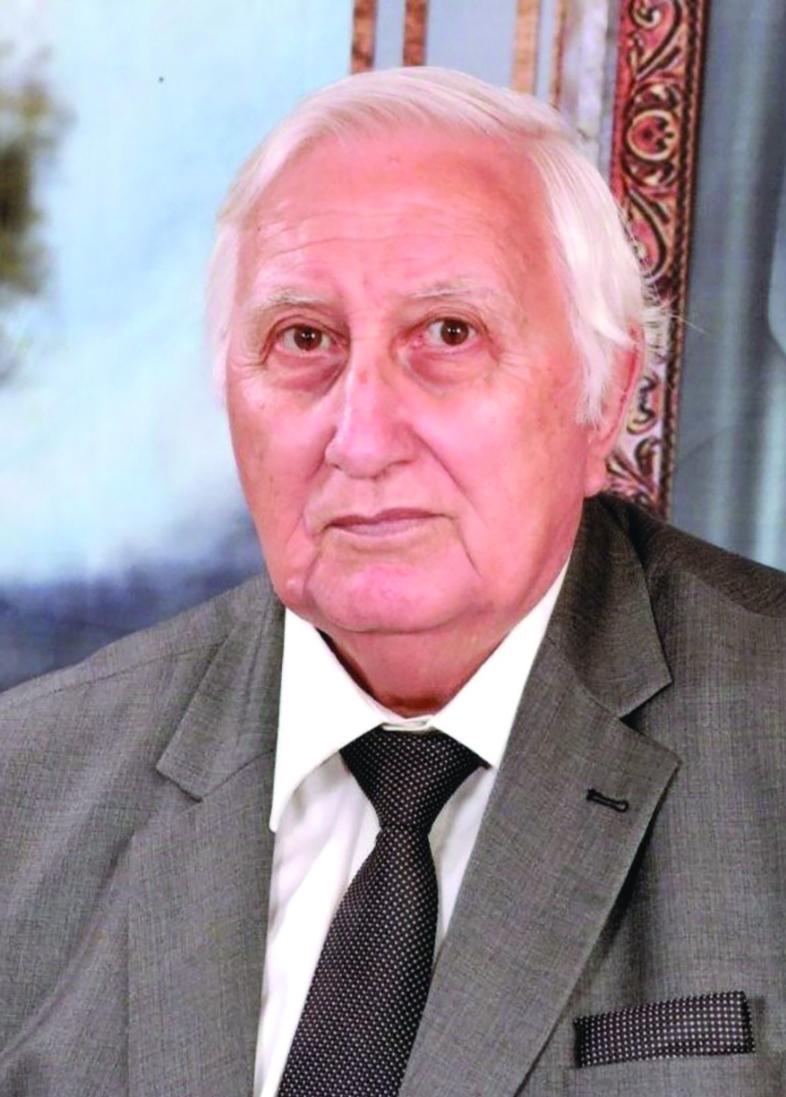
Giuseppe Calì: the prolific Maltese artist of more than just sacred art
Cali was extremely active throughout his life, with more than 600 known works
Since 1964, the Maltese postal authorities have issued annual sets of Christmas stamps, which occasionally incorporate Christmas paintings extant in local churches. The 1992 set included three such paintings, the works of one of Malta’s best-known artists: Giuseppe Calì.
So many churches and private collections boast works of art produced by this prolific artist that it is probably well-nigh impossible to produce a really 100-per-cent-complete list of his paintings, though one of his grandsons, the late Colonel Edwin A. Camilleri, has had a commendable try, with a 19-page-long list.
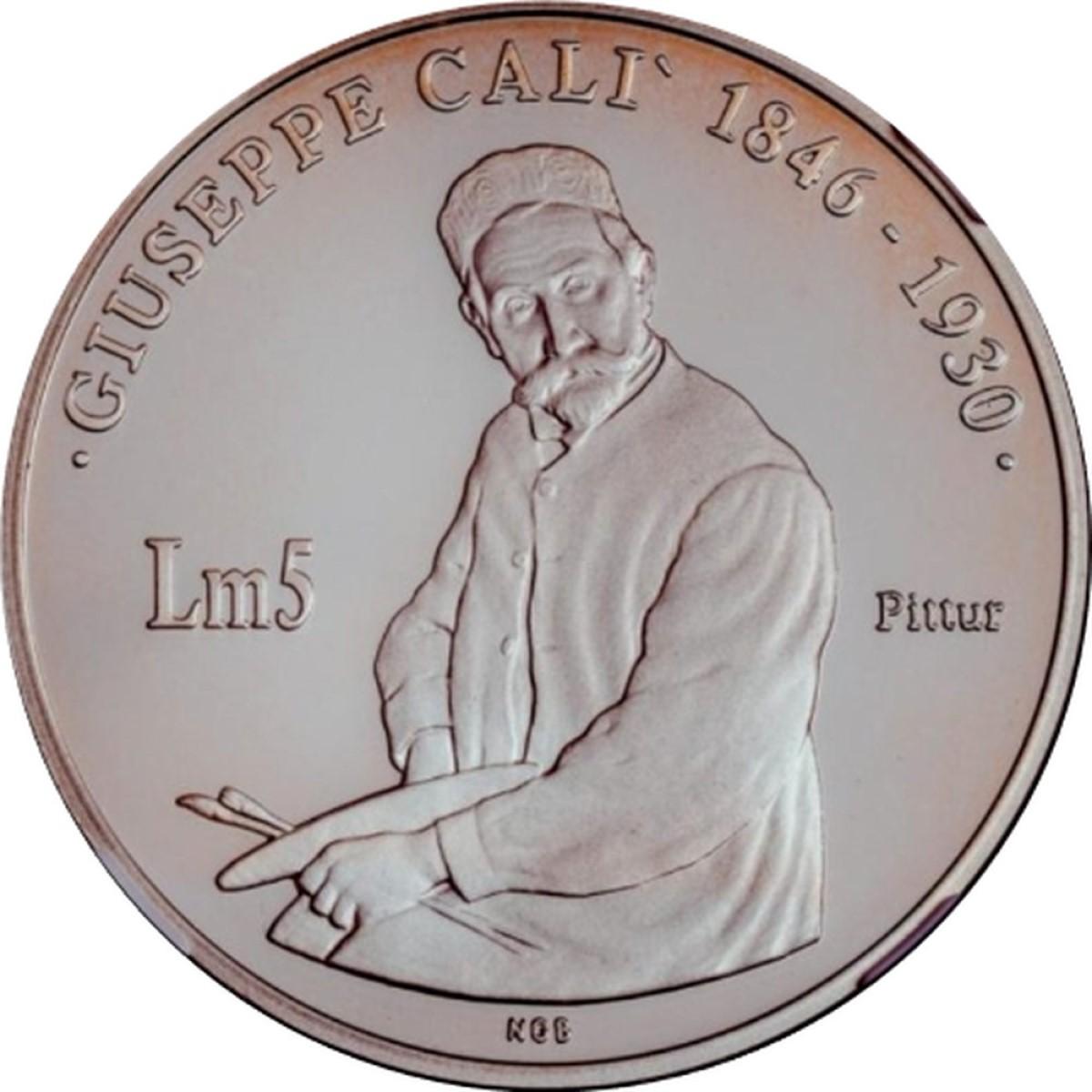
A five Maltese liri silver coin depicting Giuseppe Calì.

Two 1996 Maltese postage stamps featuring rural scenes. Photo: Maltapost
Calì’s 84-year-long life was extremely active, with commissions literally flocking in, notwithstanding the competition offered at the time by foreign, mainly Italian, artists. In fact, it is said that, because of the great number of commissions he accepted, some of his paintings were not up to the standard he was capable of.
Giuseppe was born in Valletta on August 14, 1846, the son of Raffaele Calì and Giovanna Padiglione, two artistically-gifted Neapolitan artists who, it is said, settled in Malta because of the unsettling political upheavals in Italy at the time. Raffaele was an amateur painter and a first-class musician, having been, in fact, a maestro di cappella in the service of the king of Naples. Giovanna was a talented mezzo-soprano.

Calì’s vault painting depicting The Apotheosis of St Francis at St Francis church, Republic Street, Valletta. Photo: Fr Guardian and Clergy
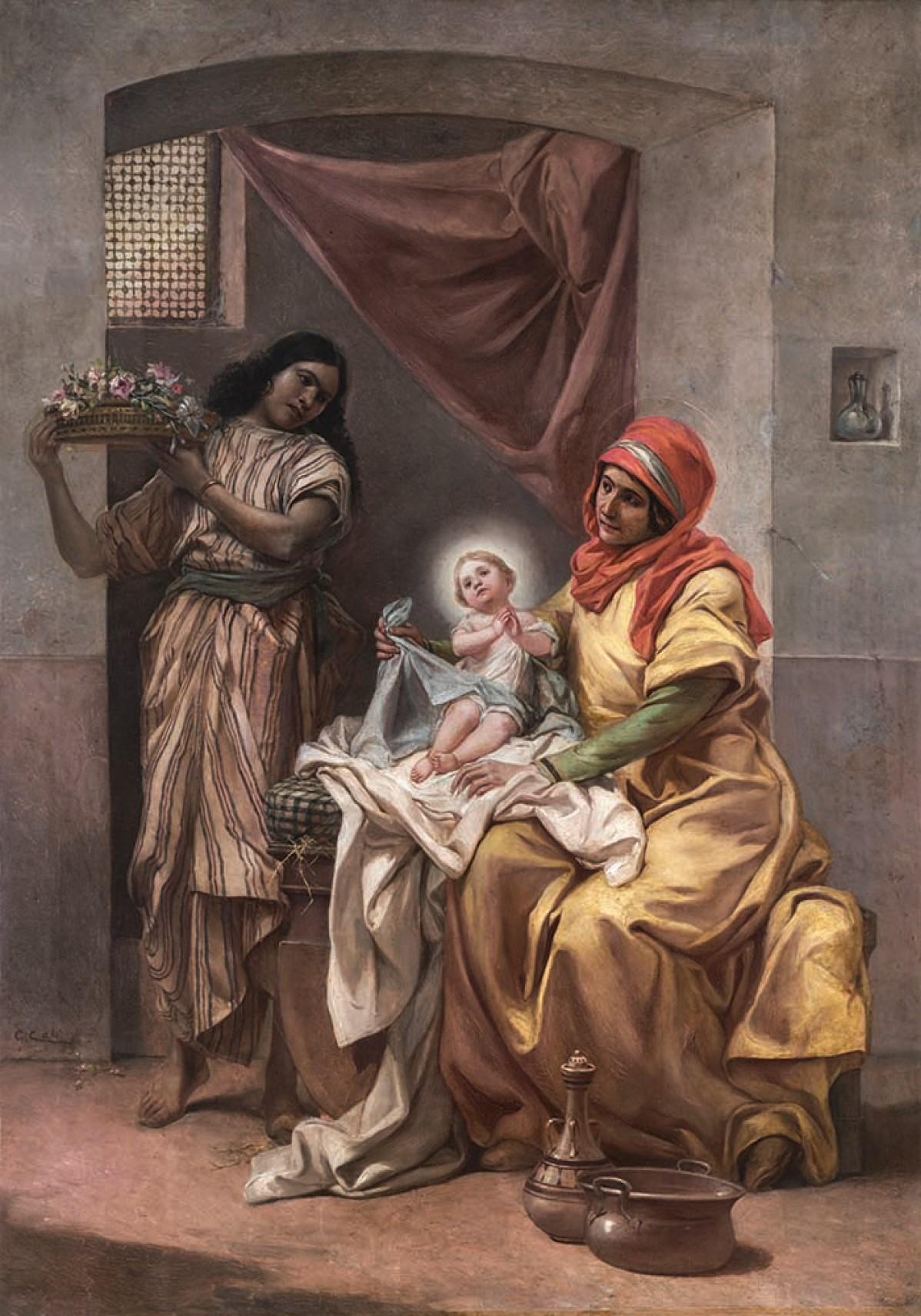
An unusual depiction of The Nativity of Jesus, by Giuseppe Calì.
On his father’s side, there was more artistic talent because his grandfather Antonio (1788-1866) and his uncle Beniamino (b. 1832) were sculptors. No wonder, therefore, that the young Giuseppe showed his talent at a very early age.
At the age of 17, Giuseppe proceeded to Naples where, at the expense of Guglielmo Eynaud, he enrolled at the Accadenia di Belle Arti under the direction of the neoclassicist Giuseppe Mancinelli (1812-75). Here he befriended an established exponent of naturalism, Domenico Morelli (1826-1921), and was drawn into his circle, as opposed to the rigid academism of Mancinelli.
Another apparent source of influence was the great romantic Eugene Delacroix (1798-1863). Both influences are evident in the early phase of Calì’s artistic production, particularly his 1867 Death of Dragut, which stands out for its superb colours and vigour.
In 1871, Giuseppe married Perigina Pace, with the marriage leading to a large family of 10 children, which may have accounted for his acceptance of so many artistic commissions.
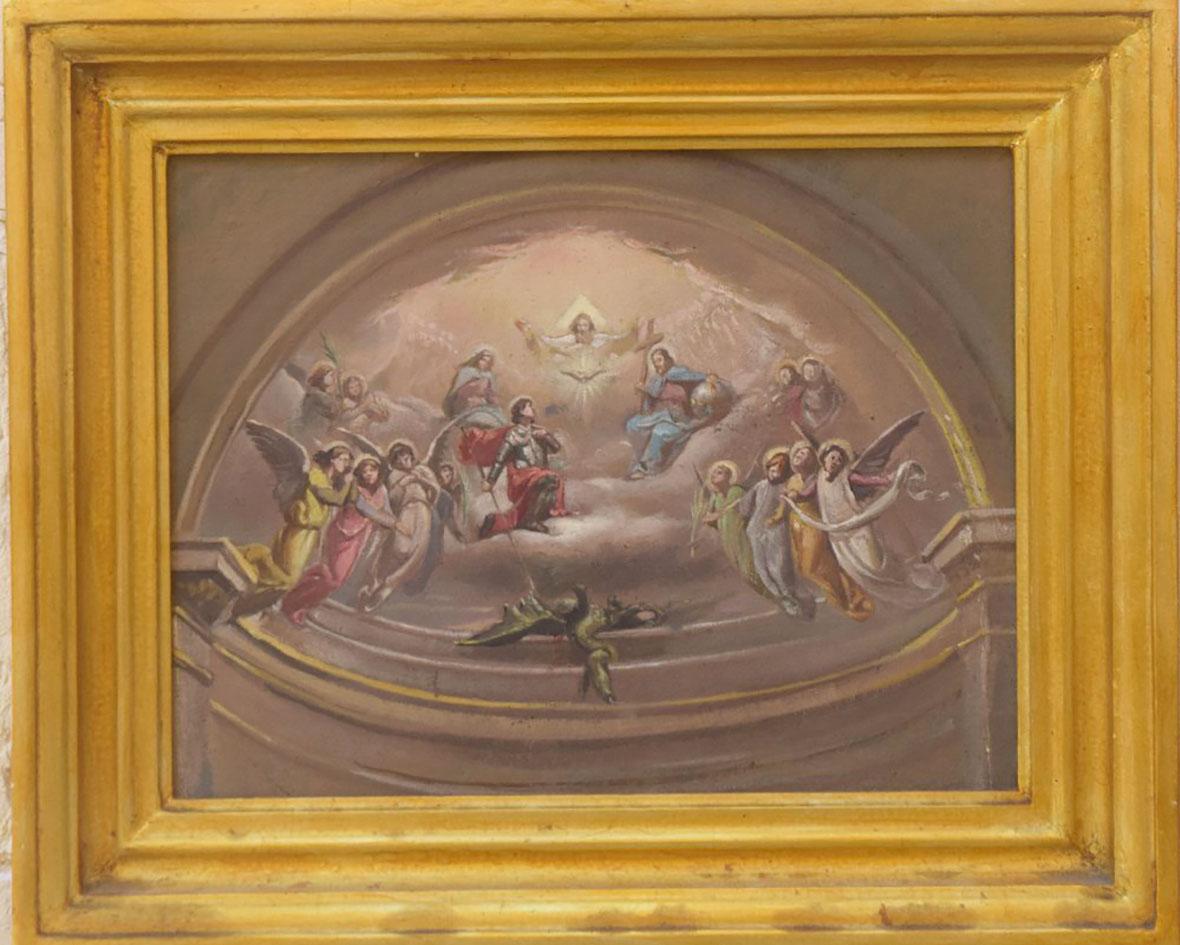 Giuseppe Calì’s bozzetto for the main apse of St George collegiate parish church, Qormi. The actual painting includes changes from the bozzetto. Photo: Archpriest and Collegiate Chapter, St George parish, Qormi
His prolific, known output embraced over 600 works in various media, and includes altarpieces, watercolours, church vault decorations and paintings, easel paintings and a few lithographs.
With such an immense quantity of output, there cannot be consistency of quality but, all things considered, Calì remained a good draughtsman and a great artist. Some of his works cannot be excluded from any list of Maltese artistic masterpieces.
The marriage led to a large family of 10 children, which may have accounted for his acceptance of so many artistic commissions
Perhaps Calì’s best phase was the period spanning roughly 1867 to 1890, which is characterised by a profound sense of romanticism, with brilliant colours, dynamic figures and a sensitivity transmitted through the drapery and all the other included objects, with everything depicted with thickly-impasted work.
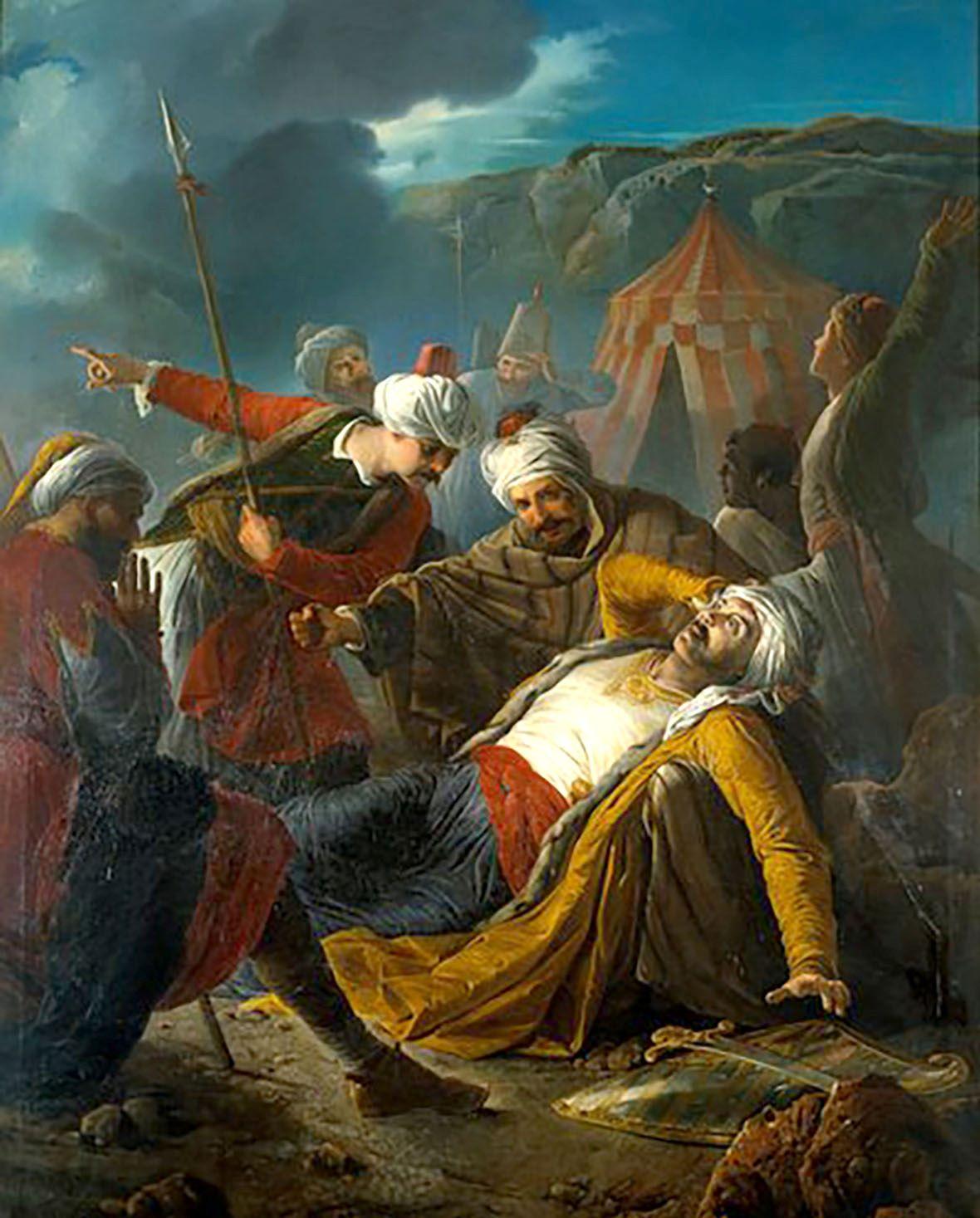 The Death of Dragut (1867). Photo: Heritage Malta
His post-1890 output, generally speaking of course, shows a decline in artistic virility, and there are mellower colouring, more figures, more melodrama and less draughtsmanship. This may have been the result of Calì trying to please clients at a time when the painter’s artistic output was the only means of earning a decent living for his numerous family.
Calì also painted in oils direct on stone. He was an innovator of sorts who experimented to try and ensure that his colours lost none of their vivacity through time. He never painted a fresco and opined that this medium was neither suitable for the Maltese climate nor for the local stone.
In his younger days, precisely in 1860, he had assisted Giovanni Gallucci (1815-85) to paint his frescoes for the Mdina cathedral dome, and their deterioration within a relatively short span of years really impressed him. In fact, Calì was asked to restore these frescoes in 1885.
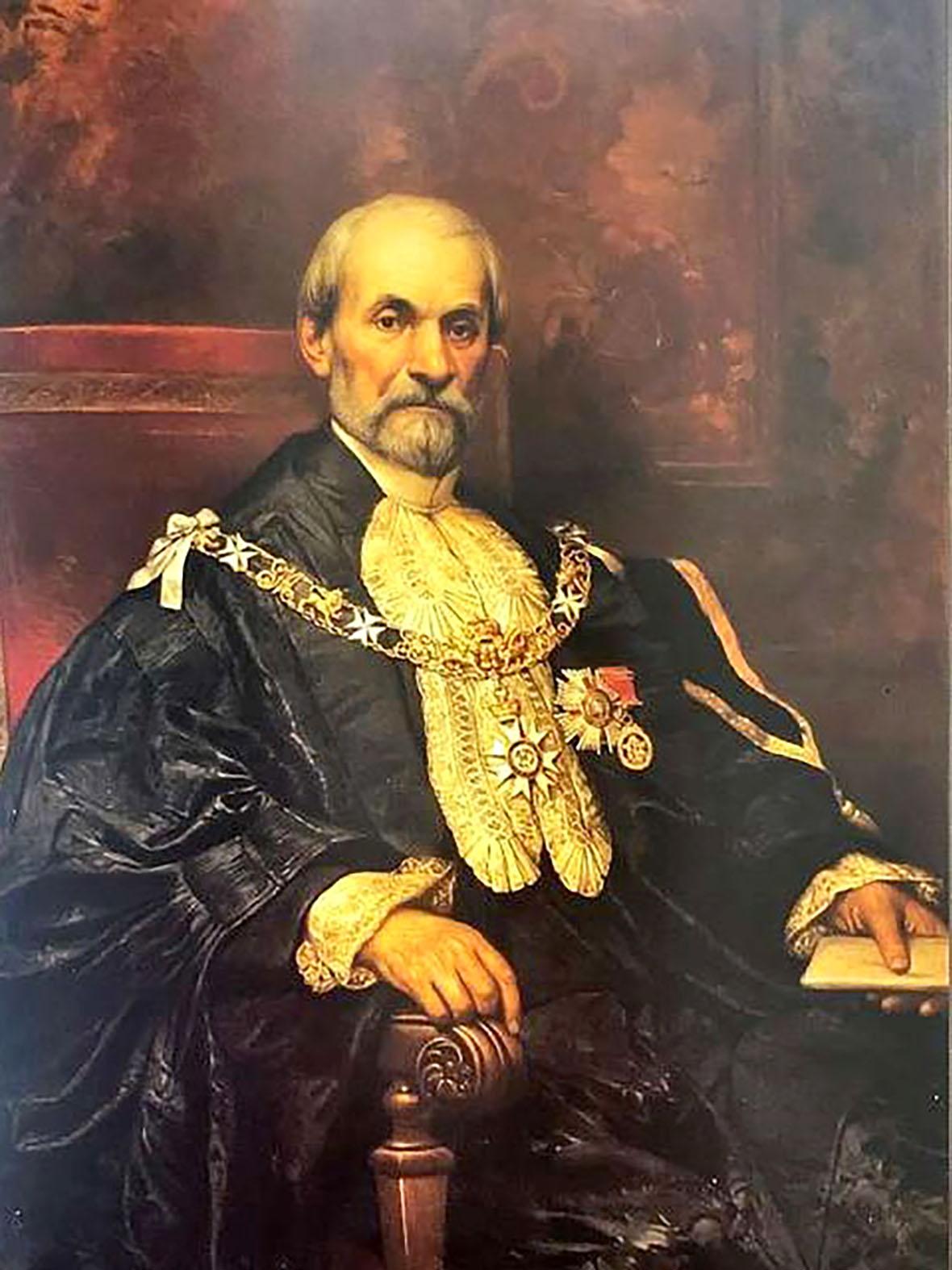
Portrait of Sir Adriano Dingli
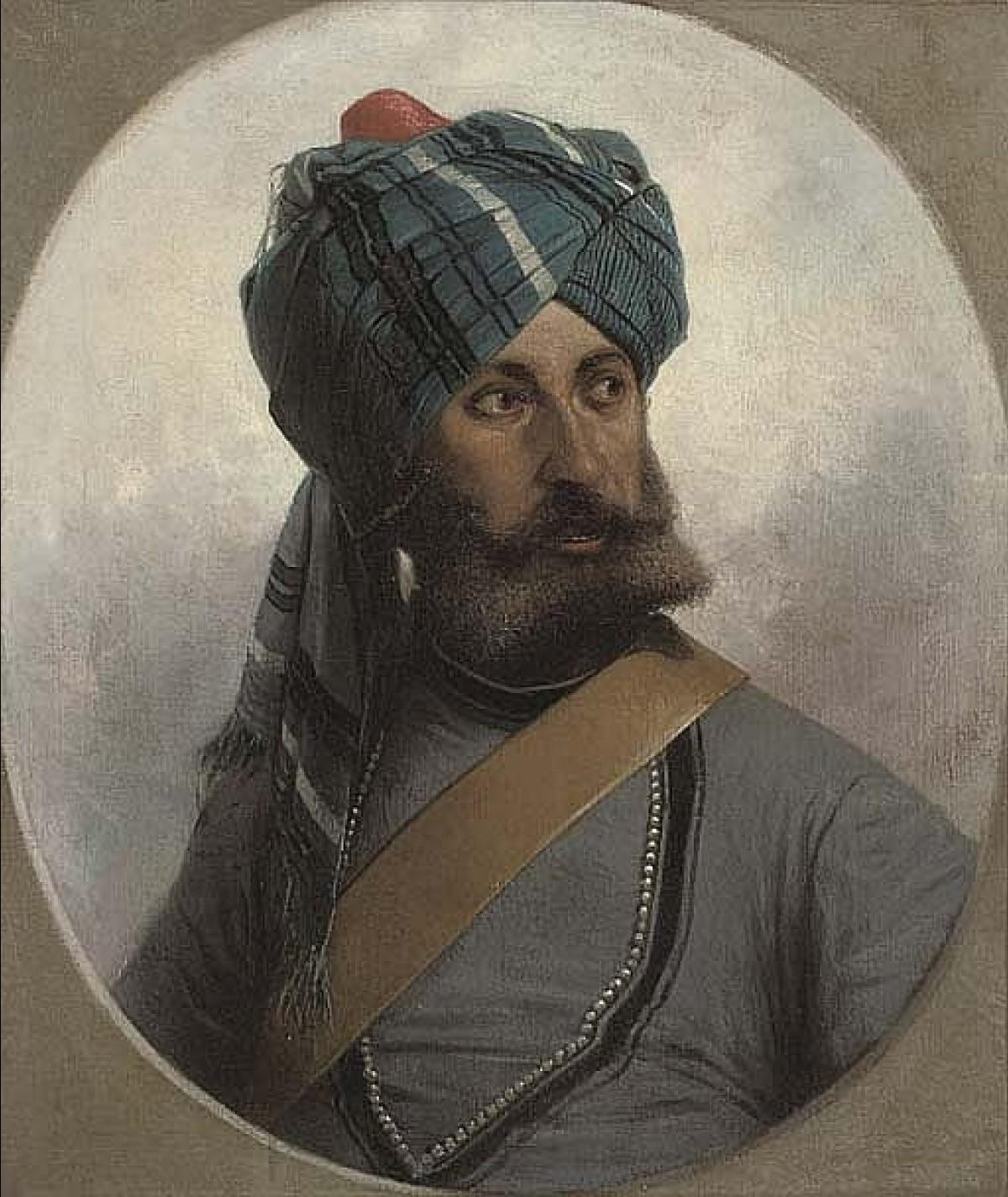
Giuseppe Calì’s Portrait of an Officer of the 13th Bengal Lancers in Malta.
The uninitiated probably think of Calì solely as a painter of sacred art. This is understandable when one recalls that he depicted about 70 altarpieces.
His masterpiece is probably his 1881 depiction of St Jerome for the church of Our Lady of the Sacred Heart at Sliema which, like his Dragut, betrays the influence of the French romantic movement. Its vigour makes it outstanding.
The same church boasts of Saints Peter and Paul where the pigment is applied so thickly that the two saints stand out like a sculptured relief when contrasted to the simple background of a blank wall broken only by a niche for an oil lamp.
Powerful emotion evolves from Calì’s Our Lady of Sorrows, while poetic joy oozes from the huge depictions of The Flight into Egypt and The Adoration of the Magi, all at Tarxien parish church.
 The painting of Christ’s Entry into Jerusalem on one of the spandrels of the Mosta basilica dome. Photo: Archpriest and Clergy, Mosta basilica
Christmas scenes are the subject matter of the Lija parish church dome paintings, while a series of eight episodes from the life of Christ cover the spandrels under the Mosta dome, three of which were the themes of the 1992 Christmas postage stamps set.
Perhaps the vault paintings of the church of St Francis in Valletta’s Republic Street impress more, and rightly so, because The Apotheosis of St Francis was meant to demonstrate Calì’s ability and virtuosity in the face of foreign competition by artists of lesser ability and calibre who were being awarded various local commissions.
Calì was also in demand for his portraits, which are elegant and interesting from the psychological point of view
But Calì was also in demand for his portraits, which are elegant and interesting from the psychological point of view. One notes the respect which his Dr Zammit Clapp commands, while his Sir Adriano Dingli brings out the strong character of the man, who was very influential in Maltese affairs for many years in the 19th century.
A memorable character study is Calì’s painting of Fra Krispin, from which one feels the religious fervour of the saintly friar. The realism of the friar and the poor surroundings of his cell are placed in their proper perspective. Maybe Calì knew this saintly man personally, so he could portray him faithfully.
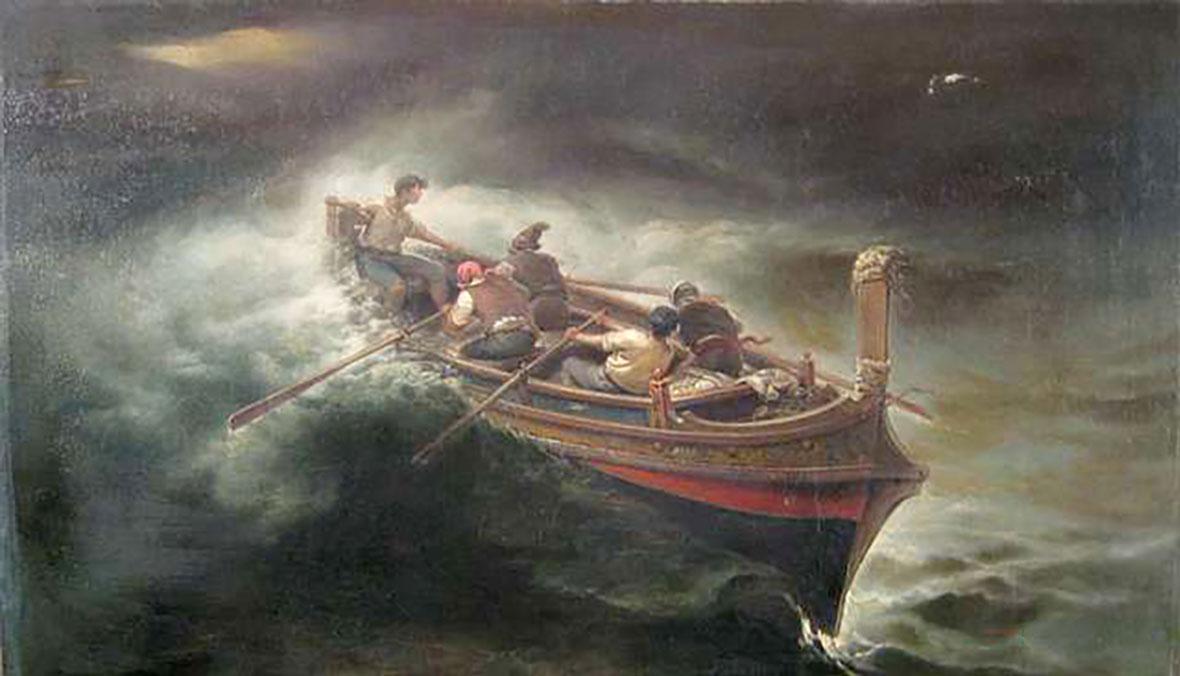 Luzzu, showing the boat battling a storm at sea.
Calì also painted a few landscapes, the most noteworthy being his Sunset, in which the paint is thickly applied. Most of this type of work was gifted by Calì to members of his family and intimate friends, which is why I had the pleasure to view some of them, courtesy of one of his grandsons, Louis A. Camilleri.
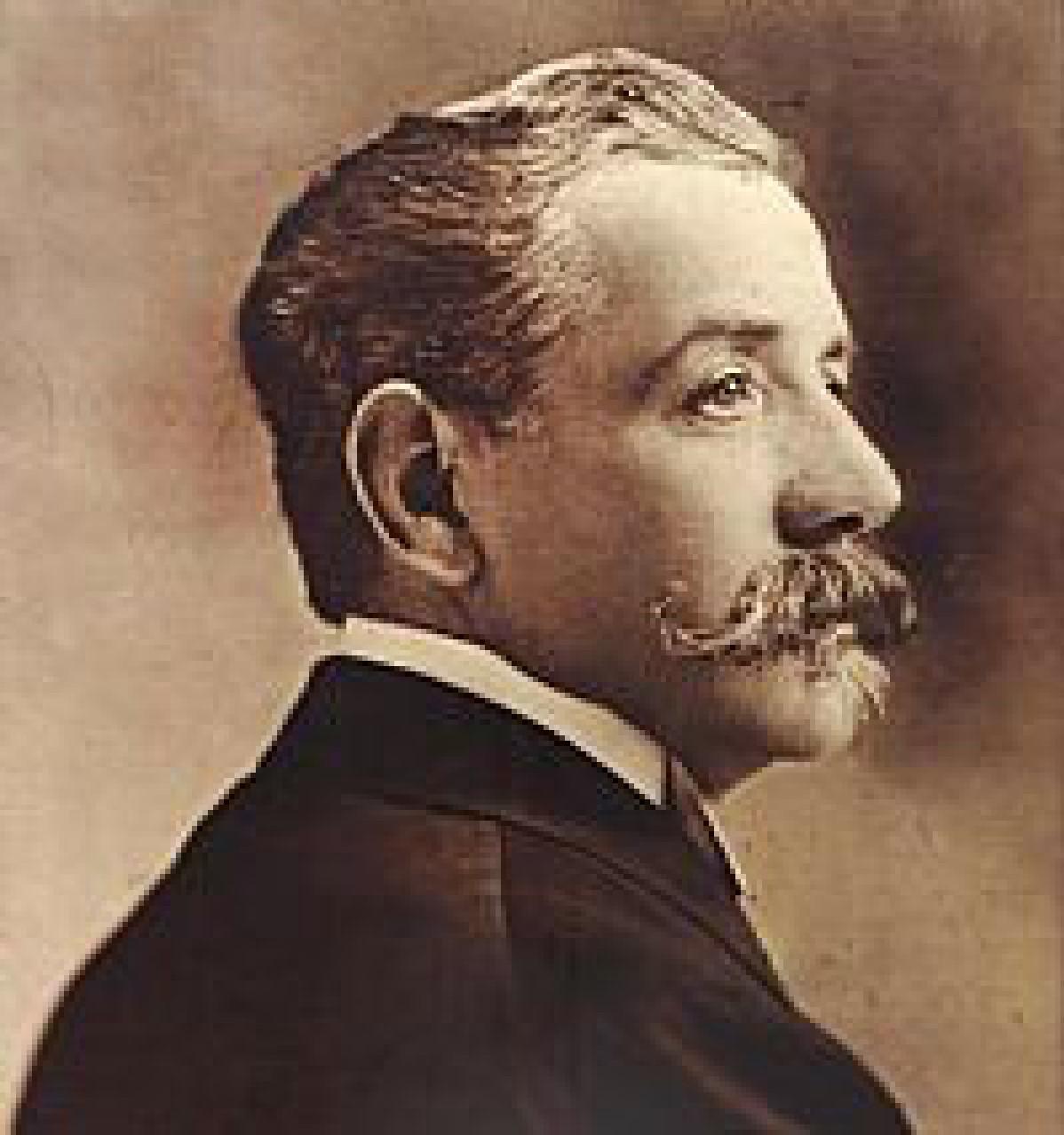 A photo of Giuseppe Calì.
Charm and sensuality are the theme of his Girl by the Stream. Concentration, in the form of an old woman deep in prayer, is the subject of his Prayer, while realism is the keynote of Luzzu, in which the boat is battling heavy, turbulent seas.
Finally, his Caccia portrays a typical Maltese landscape as a setting for a dog hunting his quarry, while The Upper Barracca in the Eighteenth Century evokes memories of life during the last years of the Order of St John’s sojourn in Malta.
Calì passed away on March 1, 1930, but he will always live on among the Maltese through his pictorial works and, perhaps more directly, through his self-portrait.