Gold Medal award for photographer who bore witness to humanity
Celebrating Darrin Zammit Lupi's artistic skill and professional excellence
Photographer Darrin Zammit Lupi is the recipient of the Malta Society of Arts Gold Medal award for 2025 in recognition of his “exceptional contribution” to the arts and journalism.
The annual award did not only recognise artistic skill and professional excellence but also celebrated a lasting contribution to cultural life and public good, and Zammit Lupi said he was “stunned and deeply moved” by the honour conferred upon him.
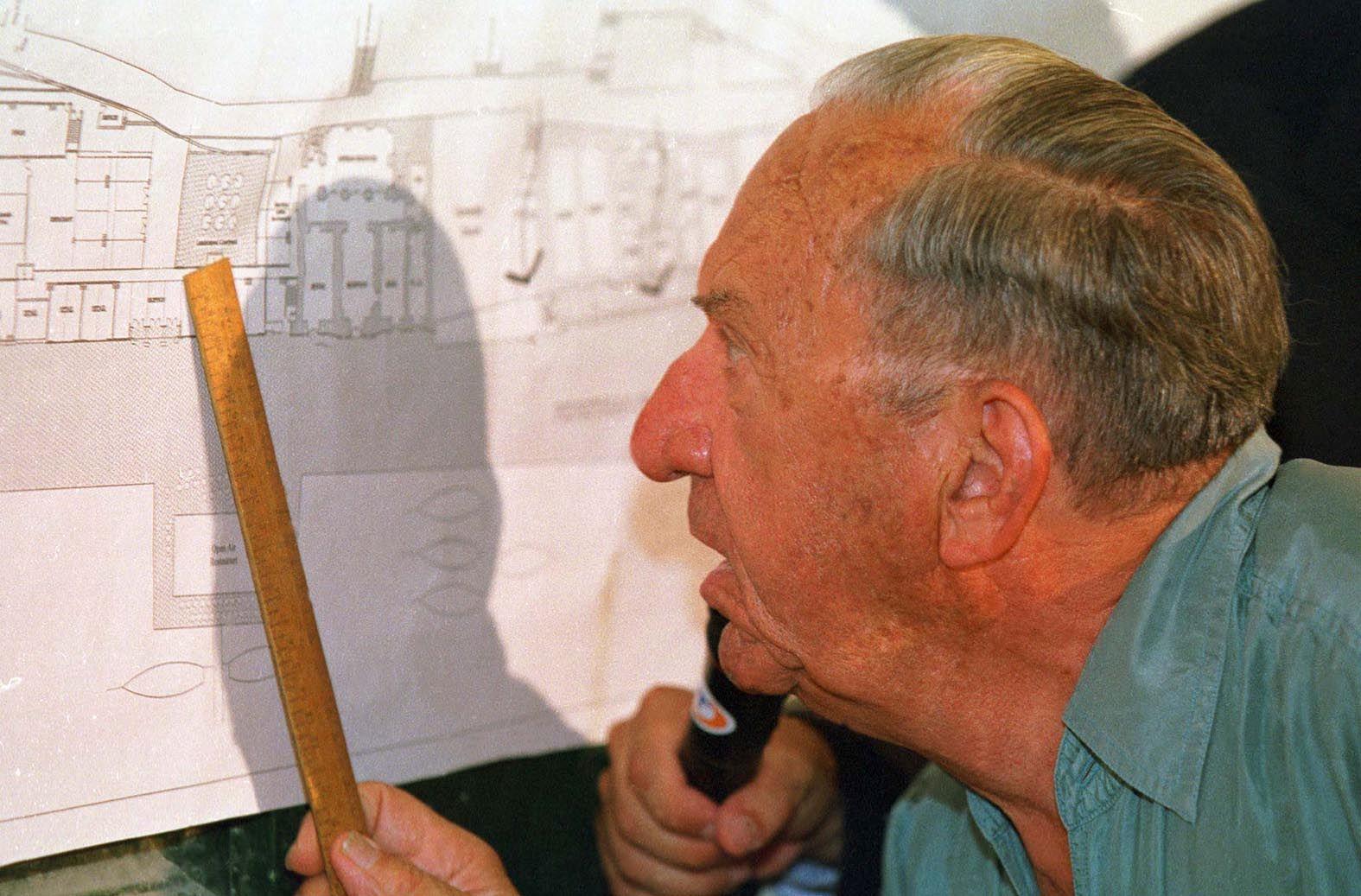 Dom Mintoff during the Cottonera marina crisis. Photos: Darrin Zammit Lupi
He follows in the giant footsteps of leading figures in the arts, including Emvin Cremona, Richard England, Oreste Kirkop, Oliver Friggieri, Gabriel Caruana, Austin Camilleri, Giovanni Bonello, Joseph Calleja and many others.
The first Gold Medal was awarded by the MSA in 1896 to sculptor Vincenzo Cardona, and 130 years later, Zammit Lupi has been included among the “extraordinary group” of past recipients, saying, after the award ceremony, that it felt both “unreal and humbling”.
He was presented the Gold Medal and Certificate by President Myriam Spiteri Debono, who acknowledged not only Zammit Lupi’s career, but also the responsibility, empathy and public service linked to the profession of photography, which she said he embraced for the common good.
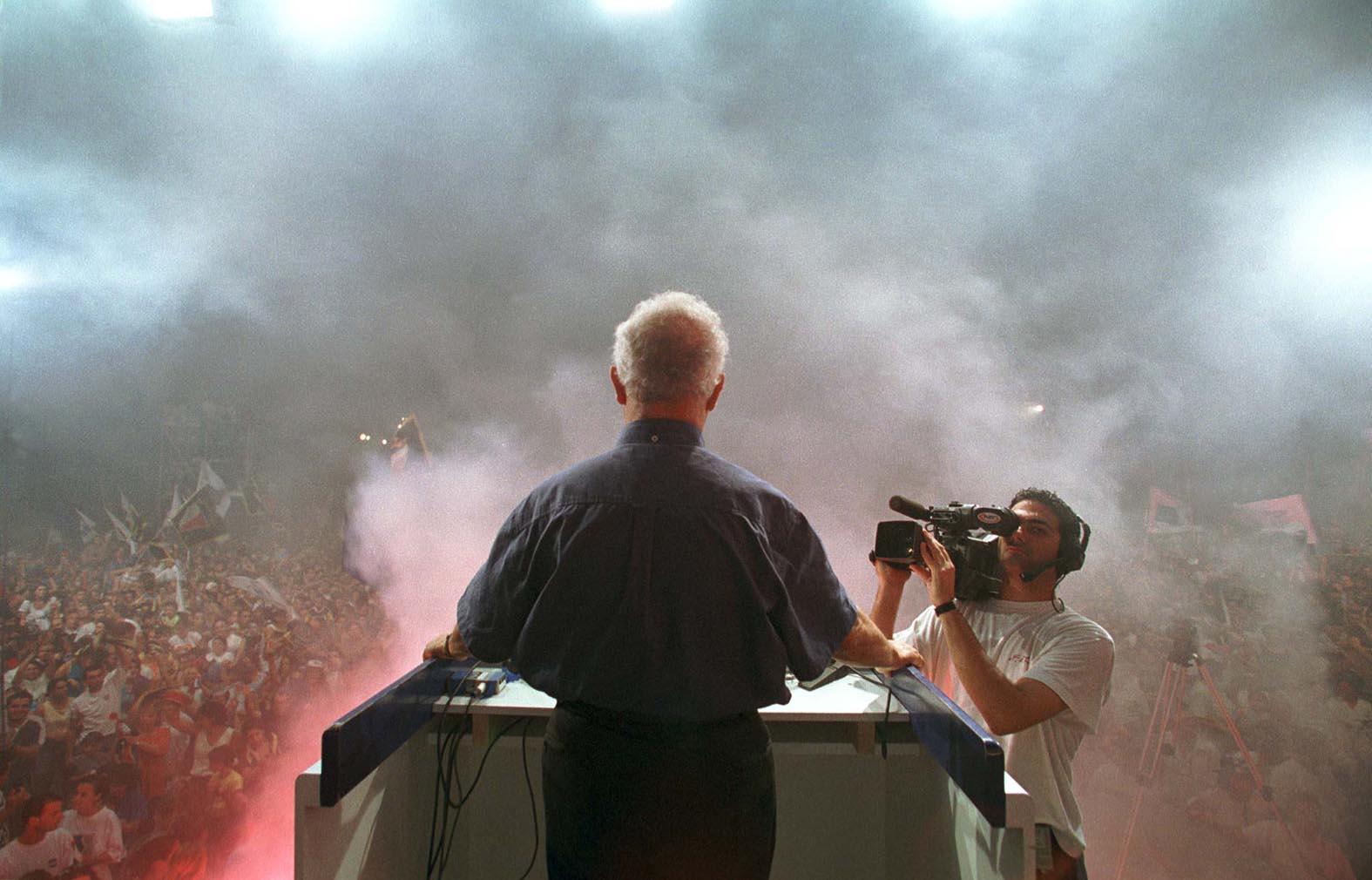 Eddie Fenech Adami addresses a PN election victory rally.
“The recognition bestowed upon Zammit Lupi acknowledges the mastery of his craft and skills, his empathy and compassion, and his recordings of moments frozen in time of people’s suffering, signalling his contribution of enduring imprints to humankind’s collective memory,” the president said.
Photography found Zammit Lupi “properly” in the early 1990s as Malta’s media landscape was changing. When he picked up a camera “seriously”, he knew exactly what he wanted: “not studio work, not comfort – but stories. Real ones. News. People. Consequence”.
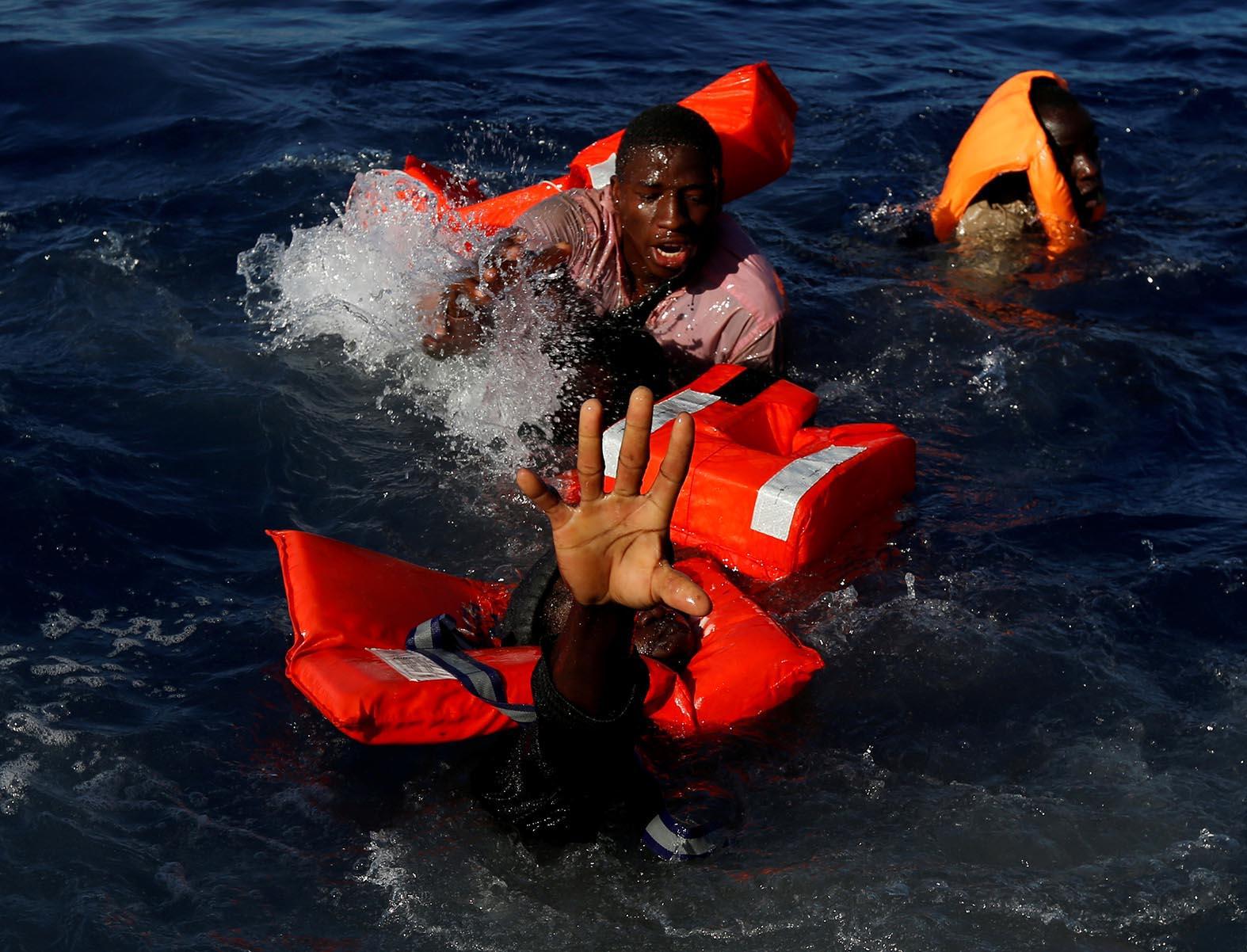 Migrants struggling at sea during a rescue operation.
That instinct took him beyond Malta, and he moved quickly from local journalism into the wider world of international reporting, into conflict zones and disaster areas, from the Mediterranean to war-torn Bosnia and Southeast Asia.
Throughout his long association with Times of Malta, he chronicled the political, social and cultural life of the country, while his work with Reuters brought his images to audiences across the world.
But the work that defined nearly three decades of his life has been documenting migration across the Mediterranean – a phenomenon that was often reduced to numbers, headlines, politics, he said.
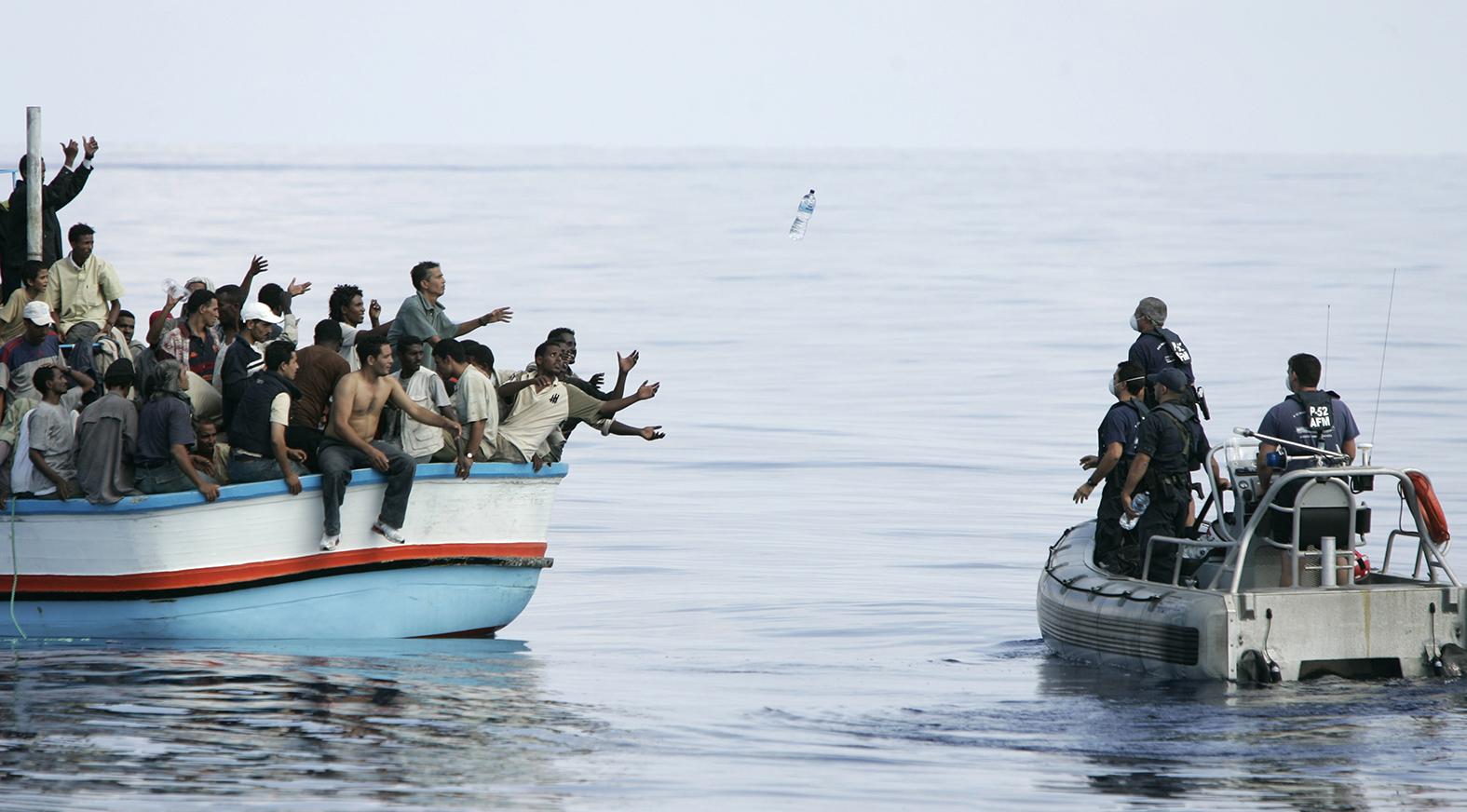 Migrants at sea reach out for water bottles during a rescue.
This has taken him aboard rescue vessels, into reception centres and to capture moments of arrival marked by exhaustion, fear and relief, always with a focus on the “humanity” of those portrayed.
Zammit Lupi told an intimate audience of collaborators, friends and family at the awards ceremony that what he has done is show “not crisis, but people; not statistics but faces; not fear, but moments of tenderness, dignity and exhaustion”.
If people do not look, they do not feel. And if they do not feel, nothing changes- Darrin Zammit Lupi
Throughout the process, he said he has learnt that photography is not about shock: “It is about proximity. It is about asking the viewer to stay a little longer – long enough to feel something”.
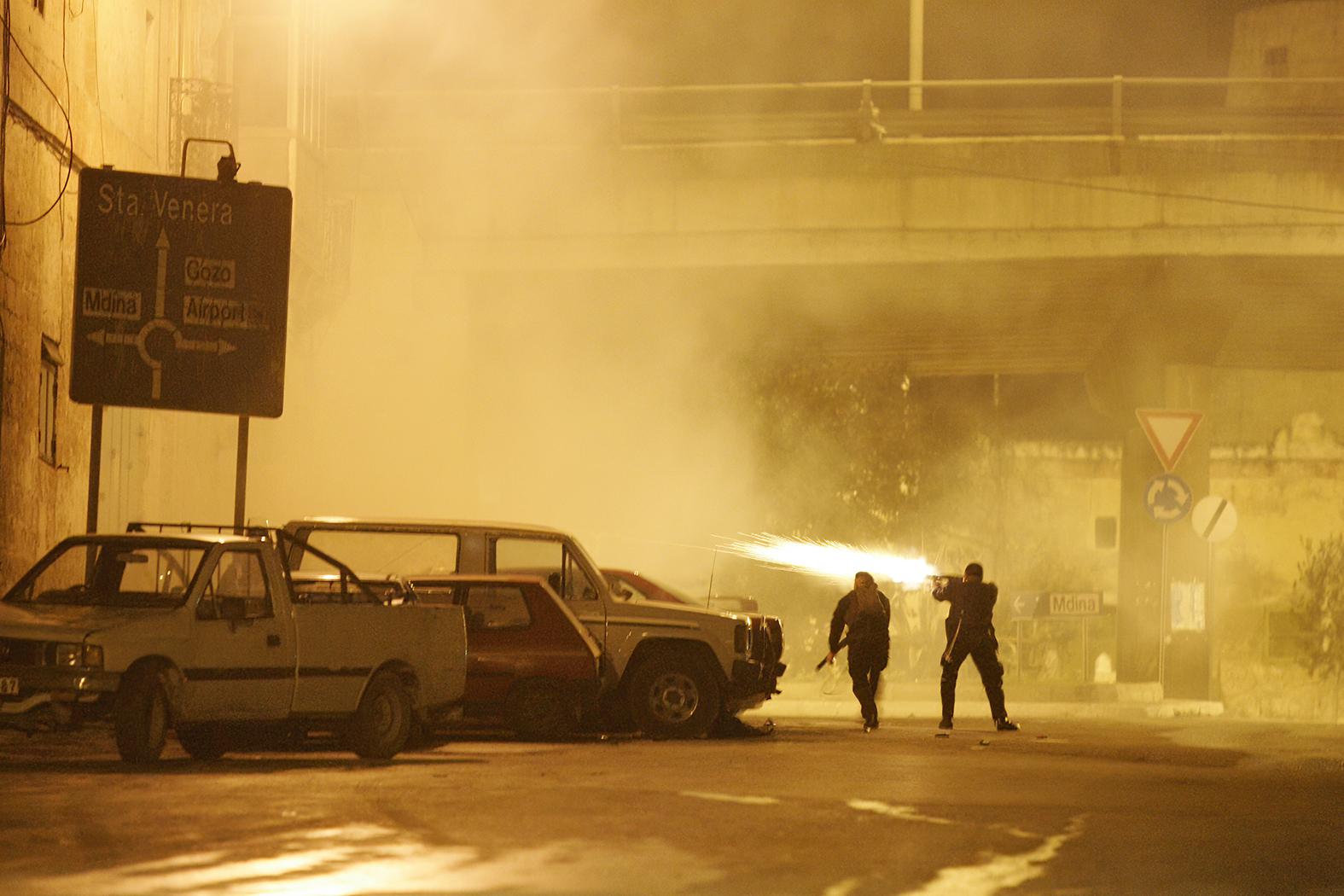 Police officers discharge their firearms during an incident in Qormi.
Noting the risk of turning suffering into spectacle, he said he has come to believe that “beauty, when handled honestly, can be a way in – not a distraction but an invitation to care.
“If people do not look, they do not feel. And if they do not feel, nothing changes.”
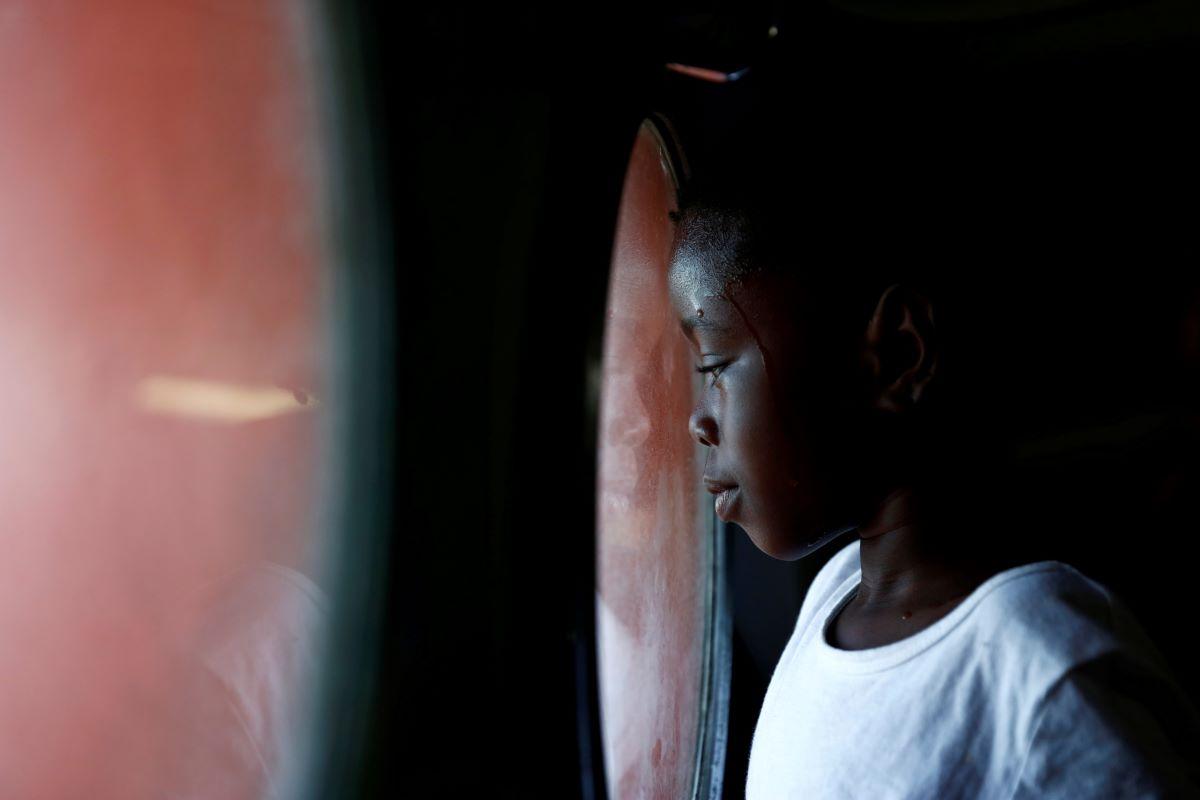 A young immigrant girl on the Médecins Sans Frontières rescue ship Aquarius in December 2017.
Guided by the idea of bearing witness, Zammit Lupi said his documentary work “slows us down in a world that rushes past complexity”.
In his acceptance speech, the photographer acknowledged key figures in his life, saying “awards like this are never really about one person. They are about a journey – and the people who shape it”.
These included his late grandfather, Judge Antony Montanaro Gauci, president of this society for many years and a great believer in the value of the Gold Medal award, who supported Zammit Lupi’s artistic endeavours from an early age.
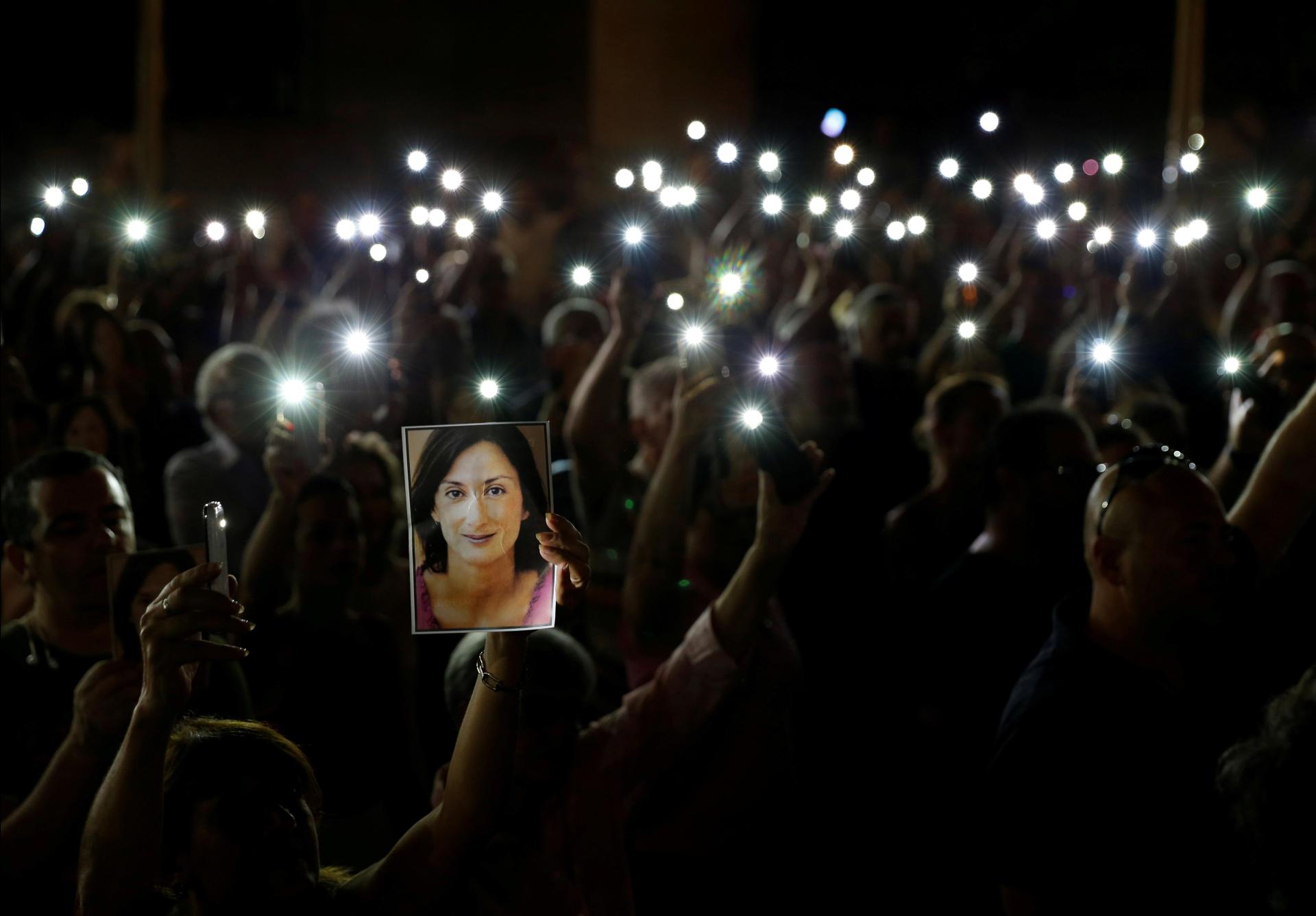 A vigil in memory of murdered journalist Daphne Caruana Galizia in Valletta.
He also mentioned former De La Salle College headmaster, Brother Edward, now 101, whose “quiet act of belief” when he was a young pupil ensured his love for the visual arts was not extinguished.
It taught him that “curiosity is not a flaw, and that creativity, when nurtured, can become a compass”.
Zammit Lupi paid tribute to his daughter, Becs, who passed away five years ago, and whose battle with illness he documented in a deeply personal, award-winning work.
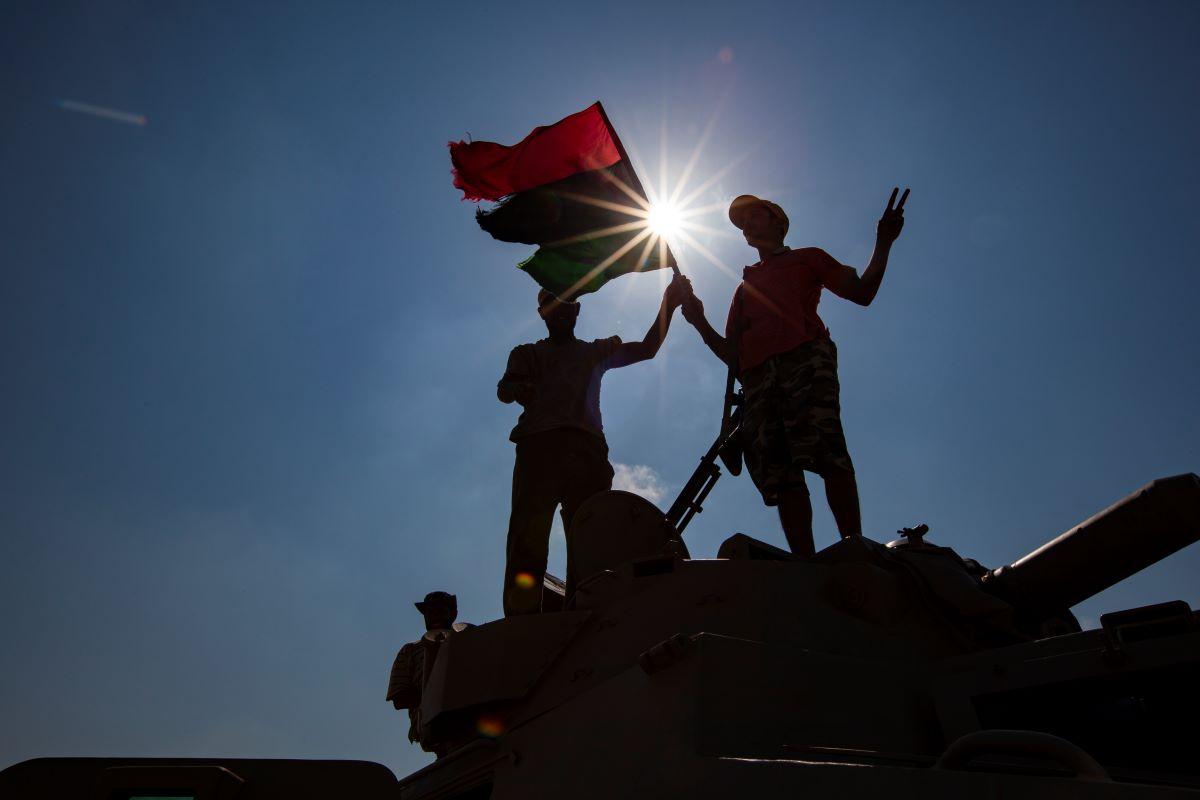
Libyan rebels celebrating on top of a tank outside Brega during the Libyan civil war in 2011.
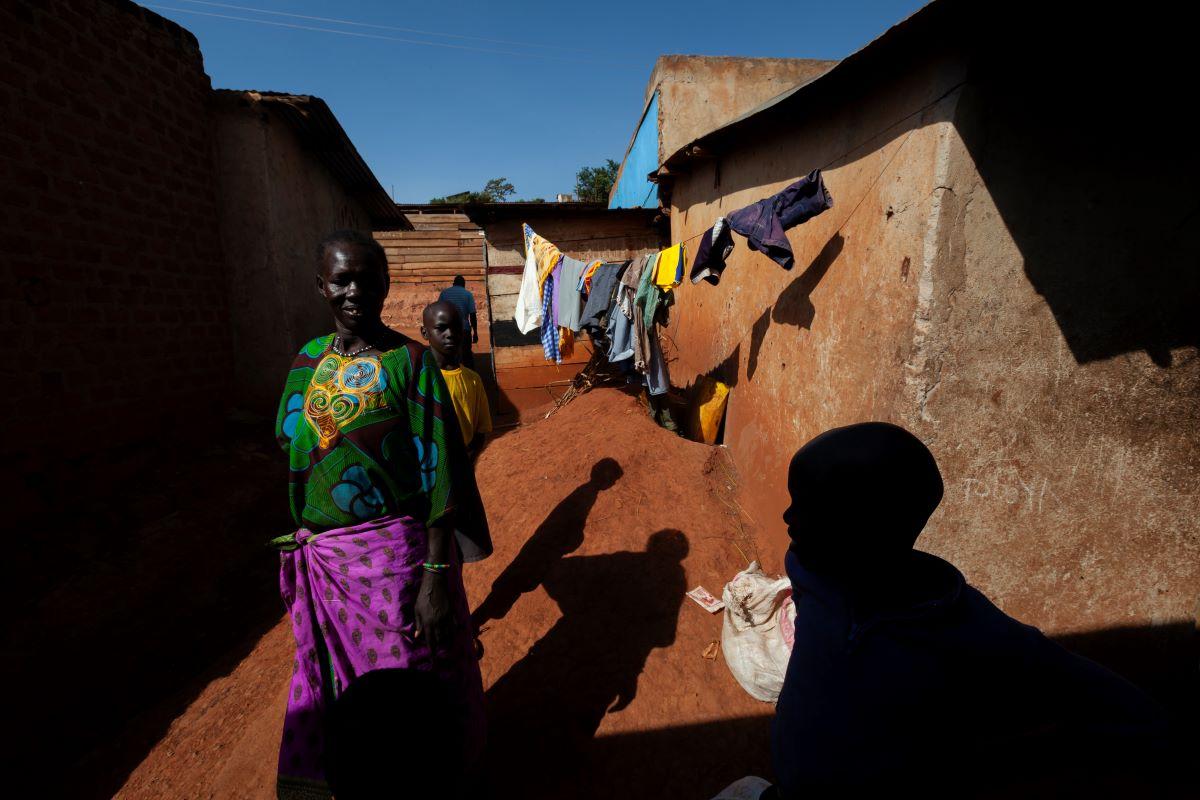
Villagers in Uganda, 2009.
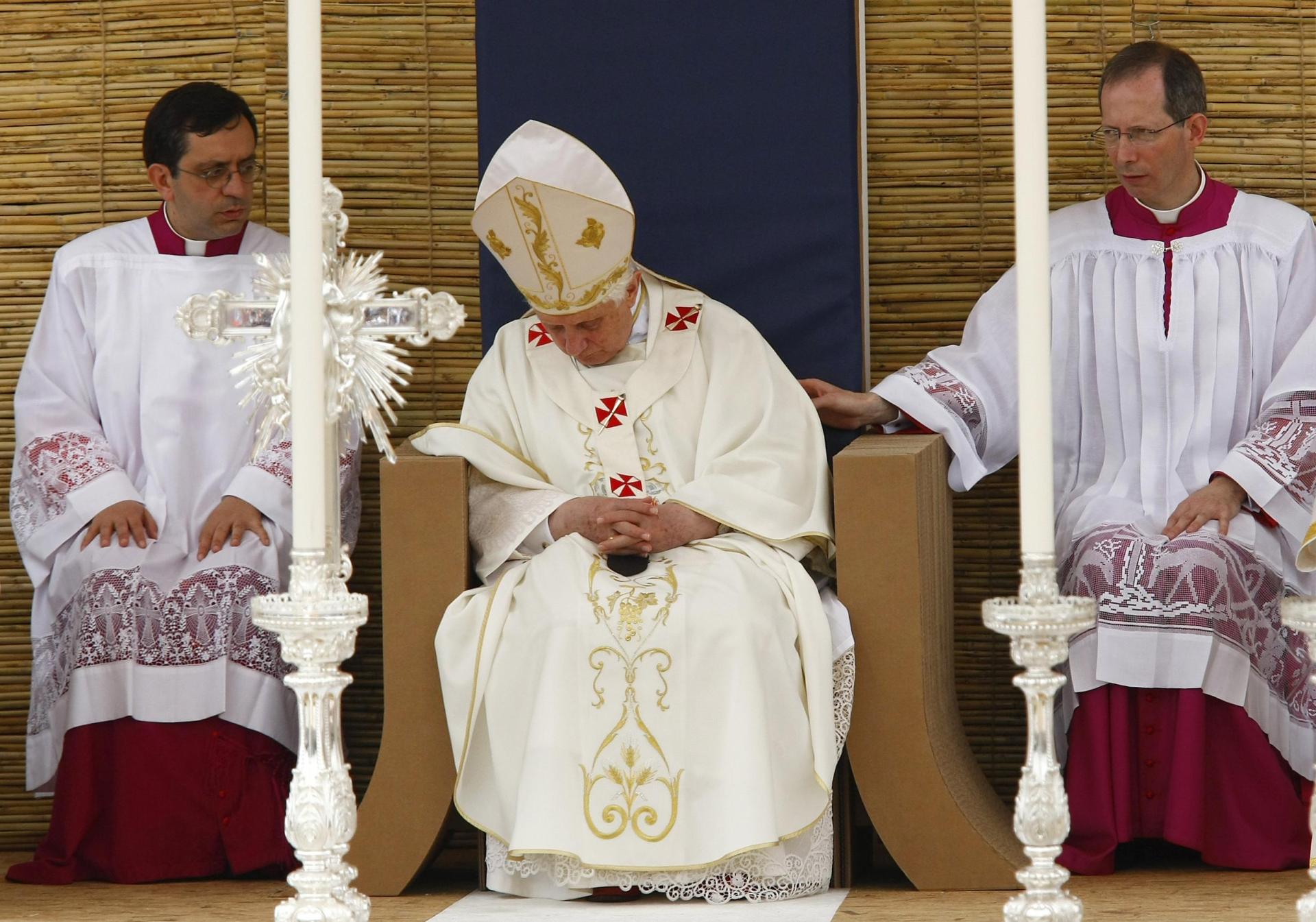
Pope Benedict XVI nods off during Holy Mass on the Floriana Granaries in April 2010.
He also honoured assassinated journalist Daphne Caruana Galizia, his cousin and first editor, who taught him that “journalism only matters if it is prepared to be uncomfortable”.
The award, he said, represented a reminder – and a responsibility – to keep looking, questioning and telling stories that matter.
“Because as long as there are people who feel unseen, unheard or forgotten, then our work is not done.”